
Domestic violence protection in NZ refers to the comprehensive legal framework and support systems in New Zealand designed to safeguard individuals from various forms of family harm. This crucial protection involves obtaining a legally binding Protection Order through the Family Court, which provides immediate and long-term safety measures against abuse, alongside access to essential support services and resources for victims and their families.
What Constitutes Domestic Violence in NZ Law
Understanding domestic violence in New Zealand requires familiarity with the legal definitions set out in the Family Violence Act 2018. This legislation provides a broad and inclusive definition of family violence, acknowledging that it encompasses much more than just physical assault. Its aim is to provide comprehensive protection to anyone experiencing harm within a family or close relationship context.
Defining Domestic Violence Under the Family Violence Act 2018
The Family Violence Act 2018 defines domestic violence as violence against a person with whom the perpetrator is in a family relationship. This relationship extends beyond immediate family to include partners, ex-partners, flatmates, and even extended family members. Crucially, the Act recognises that domestic violence is a pattern of behaviour, not isolated incidents, designed to exert power and control over another person.
Forms of Abuse Recognised by Law
New Zealand law explicitly recognises various forms of abuse, moving beyond a purely physical understanding. These include:
- Physical Abuse: Any act that causes physical harm, such as hitting, kicking, pushing, or restraining.
- Sexual Abuse: Any sexual behaviour without consent, including sexual assault or coercion.
- Psychological Abuse: Behaviour that causes psychological harm, such as intimidation, threats, harassment, manipulation, isolation, gaslighting, or emotional blackmail. This can be particularly insidious and difficult to prove but is profoundly damaging.
- Economic Abuse: Behaviour that controls or deprives a person of their financial resources, property, or ability to earn an income, thereby creating financial dependency. Examples include withholding money, preventing employment, or accruing debt in another’s name.
- Threats: Any behaviour that threatens physical or psychological abuse, or damage to property.
- Harassment: Persistent and unwanted attention, communication, or pursuit.
- Damage to Property: Deliberate destruction or damage of property belonging to the victim or shared property, often used as a means of control or intimidation.
- Abuse of Pets: Harming or threatening to harm pets, used as a way to control or frighten a person.
The law’s expansive definition ensures that victims experiencing any of these forms of violence can seek protection.
Who Can Be Protected and From Whom?
A Protection Order can protect a person and any children living with them from a specified person with whom they are in a family relationship. The ‘family relationship’ is broadly defined and includes:
- Spouses, civil union partners, or de facto partners (including same-sex relationships).
- Former spouses, civil union partners, or de facto partners.
- Parents and children.
- Other relatives by blood, marriage, civil union, de facto relationship, or adoption.
- People who ordinarily share a household.
- People who have a close personal relationship.
This wide scope ensures that various victims, including children, elders, and individuals in non-traditional relationships, are covered by the protective measures.
Applying for and Enforcing Protection Orders
Seeking a Protection Order is a critical step for individuals experiencing domestic violence in New Zealand. The process is designed to provide safety swiftly, though navigating the legal requirements can be challenging without proper guidance.
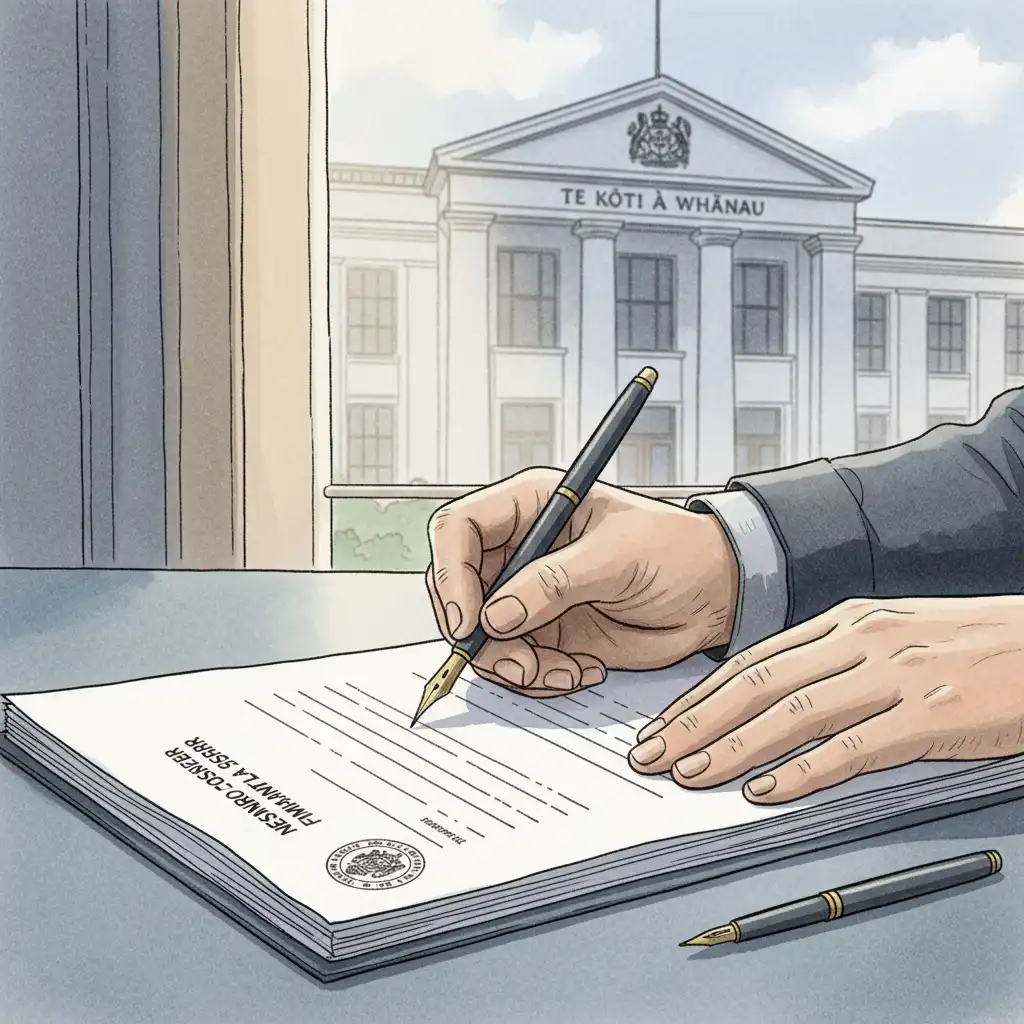
Understanding Protection Orders: Standard vs. Without Notice
There are two main ways to apply for a Protection Order:
- Without Notice Application: This is for urgent situations where there is an immediate risk of harm. The Family Court can issue a temporary Protection Order without the respondent (the person accused of violence) being present or notified beforehand. This order typically lasts for three months, giving the applicant immediate safety while the respondent is formally served with the application and has a chance to respond.
- On Notice Application: If there’s no immediate risk, or if a temporary order is in place, the application proceeds ‘on notice’. This means the respondent is served with the application and has the opportunity to file a response and present their side to the court. A hearing will then be scheduled to determine if a final Protection Order should be issued.
A final Protection Order is permanent unless discharged by the court and imposes ongoing restrictions on the respondent.
The Application Process: Steps and Requirements
The application for a Protection Order typically involves these steps:
- Completing the Application Forms: These forms require detailed information about the violence experienced, including specific incidents, dates, and how it has affected the applicant and any children. It’s crucial to be as specific and comprehensive as possible.
- Sworn Statement (Affidavit): The application must be supported by a sworn statement detailing the history of violence and why a Protection Order is necessary. This statement is a formal document and carries legal weight.
- Filing with the Family Court: Once completed, the forms and affidavit are filed with the Family Court. There is no fee for filing a Protection Order application.
- Serving the Respondent: If an interim order is granted (without notice), or if the application is made on notice, the documents must be formally served on the respondent. This is often done by a court bailiff or a private process server to ensure it’s done legally and safely.
- Court Hearings: For ‘on notice’ applications or if the respondent challenges a ‘without notice’ order, court hearings will be held. Both parties can present evidence and testimony.
It is highly recommended to seek legal advice and assistance from a lawyer or a community legal service when preparing and filing these applications. Organizations like Community Law Centres provide invaluable support through this process. You can learn more about the legal processes involved through the official Ministry of Justice website.
Conditions and Restrictions Imposed by a Protection Order
A Protection Order imposes several standard conditions on the respondent, designed to protect the applicant and any children. These typically include:
- Prohibition from coming within a certain distance of the protected person’s home, work, or school.
- Prohibition from contacting the protected person directly or indirectly (e.g., via phone, email, social media, or through others).
- Prohibition from intimidating, harassing, or threatening the protected person.
- Prohibition from having another person engage in prohibited behaviour on their behalf.
The court can also add specific conditions tailored to the individual circumstances, such as restrictions on possessing firearms, or conditions relating to shared property or children’s contact arrangements (which are usually addressed in separate parenting orders but can be influenced by a Protection Order). A final Protection Order remains in force indefinitely unless a court orders its discharge, meaning its protections are long-lasting.
What Happens When an Order is Breached?
Breaching a Protection Order is a criminal offence in New Zealand. If a respondent violates any condition of the order, the protected person should immediately contact the police. The police have the power to arrest the respondent for breach of a Protection Order, and if convicted, the respondent can face significant penalties, including imprisonment. It is vital for victims to report all breaches to ensure the order’s effectiveness and their ongoing safety.
Safety Planning and Support Services
Beyond the legal framework, a crucial aspect of domestic violence protection in NZ involves practical safety planning and accessing a network of support services. These resources are vital for immediate crisis intervention and long-term recovery.
Developing a Personal Safety Plan
A personal safety plan is a practical, individualised strategy to enhance safety for someone experiencing domestic violence. It involves thinking through potential risks and identifying specific actions to take in dangerous situations. Key elements of a safety plan include:
- Emergency Contacts: Memorise numbers for police, support services, and trusted friends or family.
- Escape Route: Identify safe places to go and routes to get there, both within and outside the home.
- Emergency Kit: Prepare a bag with essential items (ID, money, medications, spare keys, clothes) that can be grabbed quickly.
- Children’s Safety: Discuss a safety plan with older children, including who to call and where to go.
- Digital Safety: Regularly check and secure privacy settings on phones and social media.
- Financial Preparedness: Have some independent funds or access to money.
This plan should be reviewed regularly and shared with trusted individuals who can offer support. Building a safety plan is a dynamic process that adapts as circumstances change.

Accessing Crisis Support and Helplines
New Zealand offers several dedicated helplines and crisis services that provide immediate support and advice:
- Shine* (Safer Homes in New Zealand Everyday): Offers a free national helpline for victims and perpetrators of domestic violence.
- Women’s Refuge: Provides safe housing, support, and advocacy for women and children experiencing family violence.
- Are You OK? website: A comprehensive government resource that helps people identify violence and access help.
- The Family Violence Information Line (0800 456 450): A confidential service offering information and guidance.
These services are available 24/7 and can provide immediate assistance, safety advice, and referrals to other vital resources. Reaching out is often the first and most critical step towards safety.
Role of Victim Support and Other Community Organisations
Victim Support New Zealand plays a crucial role in assisting victims of domestic violence. They provide free, confidential, and culturally sensitive support, including:
- Emotional support and practical assistance.
- Advocacy within the justice system (e.g., attending court with victims).
- Referrals to counselling, legal services, and other community resources.
- Assistance with victim impact statements and understanding court processes.
Beyond Victim Support, numerous community organisations, Māori kaupapa Māori services, Pacific Island services, and ethnic-specific groups offer culturally appropriate support, safe housing, counselling, and advocacy tailored to the unique needs of different communities across New Zealand. These organisations often provide a holistic approach to recovery and healing. More information on available services can be found on the NZ Government’s family violence support portal.
Financial Assistance and Housing Options
Financial independence is often a significant barrier for individuals leaving abusive relationships. Work and Income New Zealand (WINZ) can provide emergency financial assistance for those fleeing family violence, which may include:
- Temporary accommodation assistance.
- Relocation costs.
- Assistance with essential items.
Additionally, organisations like Women’s Refuge and other shelters provide safe, temporary housing. For longer-term solutions, victims may be eligible for social housing support or assistance with finding private rentals, often facilitated by support agencies. These resources aim to ease the economic burden and provide stability during a highly vulnerable time.
Legal Recourse and Court Processes
Navigating the Family Court system and understanding legal recourse is paramount for securing long-term protection from domestic violence in NZ. The judicial process, while complex, is designed to prioritise the safety and well-being of victims and their children.
Navigating the Family Court System
The Family Court in New Zealand is a specialist court that deals with family-related legal matters, including Protection Orders. Its procedures are generally less formal than the District or High Courts, aiming for a more supportive environment. However, understanding its processes is key:
- Initial Application: As discussed, the process begins with filing an application for a Protection Order.
- Interim Orders: The court can grant an interim (temporary) order quickly if an immediate risk is present.
- Responding to Applications: The respondent has the right to file a response to the application.
- Information Meetings and Directions Conferences: These are early-stage meetings, sometimes held with a judge, to clarify issues, explore possibilities for resolution, and set timelines for the case.
- Hearings: If an agreement cannot be reached, the matter proceeds to a formal hearing where evidence is presented, and witnesses may be called.
The court’s primary consideration in all family violence matters is the safety of the applicant and any children.
Role of Lawyers and Legal Aid
Engaging legal counsel is highly advisable for anyone seeking or responding to a Protection Order. A lawyer can:
- Explain your rights and the legal process.
- Help prepare and file court documents accurately.
- Represent you in court hearings and advocate on your behalf.
- Negotiate with the other party’s lawyer (if applicable).
Legal Aid is available in New Zealand for those who cannot afford a lawyer. Eligibility depends on income and assets, and the nature of the case. Applying for Legal Aid is a separate process, but it can significantly reduce the financial burden of legal representation for victims of domestic violence. Many community law centres also offer free initial advice or ongoing support.

Evidence and Testimony in Domestic Violence Cases
To obtain a Protection Order, the applicant must provide sufficient evidence to convince the court that domestic violence has occurred and that an order is necessary for their safety. Types of evidence can include:
- Affidavits: Detailed written statements from the applicant and any supporting witnesses.
- Medical Records: Evidence of injuries or psychological trauma.
- Police Reports: Records of reported incidents of violence.
- Communications: Text messages, emails, social media posts, or recordings demonstrating abuse or threats.
- Photos: Images of injuries, damaged property, or abusive environments.
- Testimony: Verbal accounts given in court by the applicant and witnesses.
The court will assess the credibility and weight of the evidence presented. It’s important to keep detailed records of all incidents of abuse, no matter how minor they may seem at the time.
Related Legal Issues: Custody, Property, and Divorce
Domestic violence often intertwines with other family law matters. While a Protection Order primarily addresses safety, it can impact and interact with proceedings related to:
- Parenting Orders: If children are involved, the court will need to make decisions about their care arrangements (custody and contact). A Protection Order will significantly influence these decisions, as the court’s paramount consideration is the children’s safety and well-being. Supervised contact may be ordered, or contact may be suspended entirely depending on the severity and nature of the violence.
- Relationship Property: If the parties are separating or divorcing, the division of relationship property will need to be addressed. While the Protection Order itself doesn’t directly divide property, the context of domestic violence can impact financial outcomes, particularly concerning economic abuse.
- Divorce/Dissolution of Marriage: A Protection Order can be part of the evidence presented in an application for the dissolution of marriage or civil union.
It is crucial to consider these interconnected legal issues and seek comprehensive legal advice to ensure all aspects of a victim’s safety and future are properly addressed within the New Zealand legal system.
People Also Ask About Domestic Violence Protection in NZ
What is the difference between a Temporary and a Final Protection Order in NZ?
A Temporary Protection Order in NZ is issued without notice to the respondent, typically in urgent situations where immediate safety is a concern. It lasts for three months and provides interim protection. A Final Protection Order is permanent unless discharged by the court, issued after both parties have had a chance to present their case, providing long-term legal protection.
Can a man apply for a Protection Order in New Zealand?
Yes, absolutely. The Family Violence Act 2018 is gender-neutral. Any person, regardless of gender, who is experiencing domestic violence in a family relationship can apply for a Protection Order in New Zealand. Support services are also available for male victims of family violence.
What happens if I breach a Protection Order in NZ?
Breaching a Protection Order in New Zealand is a criminal offence. If a respondent violates any condition of the order, they can be arrested by the police. A conviction for breaching a Protection Order can result in significant penalties, including fines or imprisonment, depending on the severity and frequency of the breach.
Do I need a lawyer to apply for a Protection Order in NZ?
While it is not legally mandatory to have a lawyer, it is highly recommended. The application process and court proceedings can be complex. A lawyer can help you prepare documents, present your case effectively, and navigate the Family Court system. Legal Aid is available for those who qualify.
Can a Protection Order affect my access to my children?
Yes, a Protection Order can significantly affect arrangements for children. The court’s primary concern is the children’s safety and well-being. While a Protection Order does not automatically prohibit contact, it can lead to conditions such as supervised contact or, in severe cases, no contact if the court deems it necessary to protect the children from harm.
What constitutes ‘psychological abuse’ under NZ domestic violence law?
Psychological abuse under NZ law includes behaviour that causes psychological harm, such as intimidation, threats, harassment, manipulation, isolation, gaslighting, emotional blackmail, or constantly putting someone down. It’s about behaviour designed to control or diminish another person’s mental and emotional well-being, even without physical contact.