
Neurodivergence in Relationships & Parenting

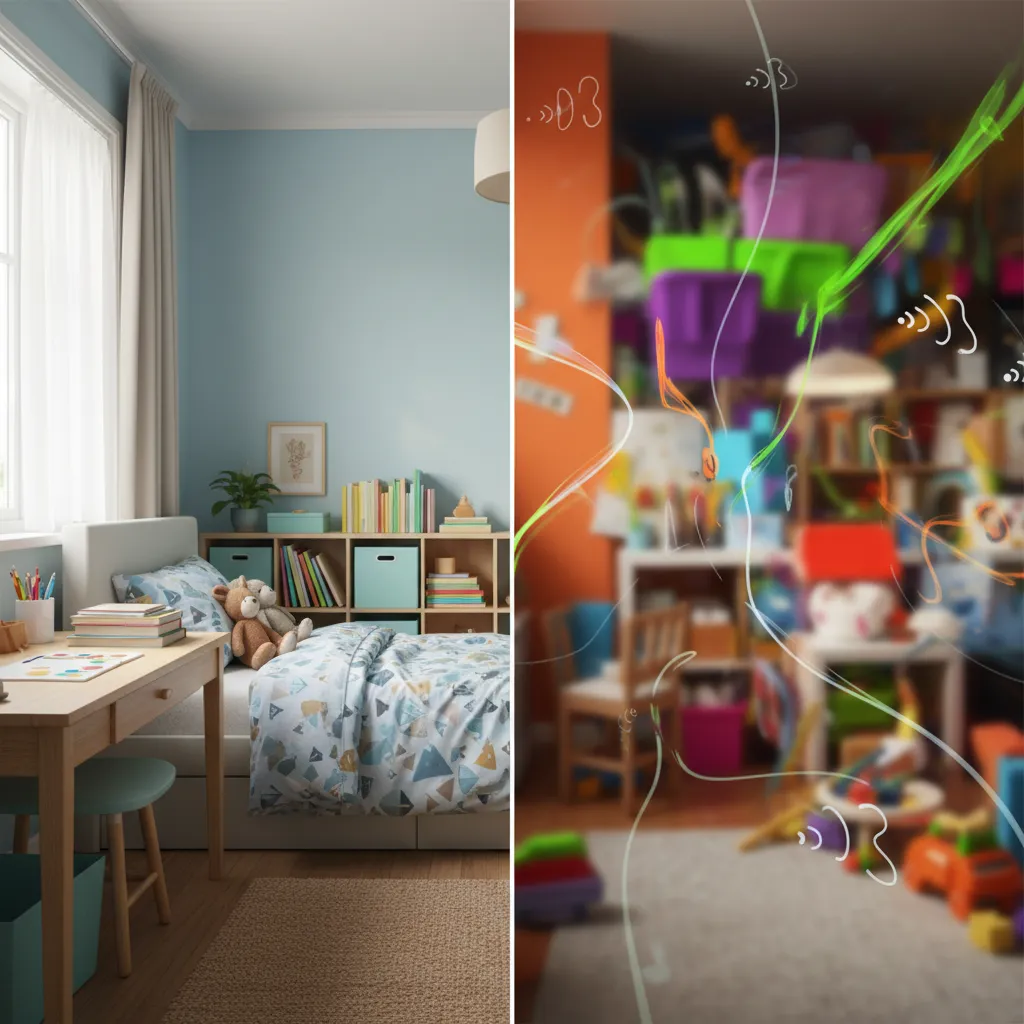
Abstract representation of sensory overload in a New Zealand courtroom setting
Neurodivergence in Relationships & Parenting

Neurodivergence in the NZ Family Court System

Table of Contents Understanding Neurodiversity in the Legal Context The Risk of Misinterpreting Traits as Non-Compliance Systemic Barriers and Procedural Discrimination The Intersection of High-Conflict Divorce and Neurodivergence Legal Protections: The Human Rights Act and NZBORA The Role of Section 133 Reports and Expert Witnesses Recent Case Law and Judicial Trends Advocating for Accommodations and […]
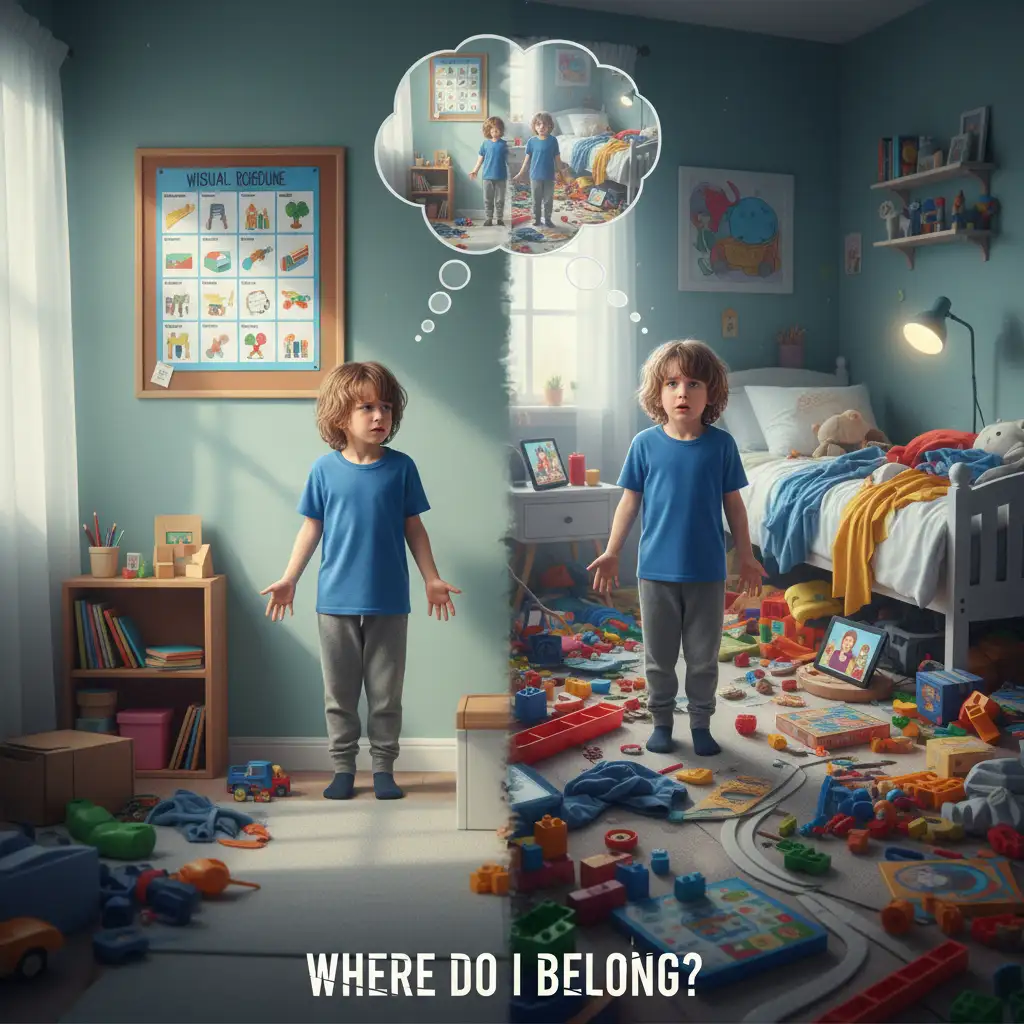

Illustration of a child with ADHD navigating two different home environments
Neurodivergence in Relationships & Parenting

Adjusting Parenting Plans for ADHD

Table of Contents Understanding the ADHD Brain in Two Homes Medication Management Clauses Homework and School Communication Protocols Handling Transitions and Forgotten Items Flexibility vs. Structure: Finding the Balance Dispute Resolution for High-Conflict Scenarios Frequently Asked Questions (PAA) A parenting plan for an ADHD child is a specialized care agreement that incorporates detailed clauses for

Illustration of chaotic versus structured thinking in neurodivergent children
Neurodivergence in Relationships & Parenting

Support for Neurodivergent Children During Divorce

Divorce is a seismic event in any family, but for households with neurodivergent children, the disruption can feel catastrophic. Autistic children, who often thrive on predictability, routine, and literal interpretation, face unique challenges when their family structure undergoes a fundamental shift. As a parent, navigating the legal and emotional complexities of separation while trying to

Balance scale representing neurodivergence and legal capacity in NZ law
Neurodivergence in Relationships & Parenting

Legal Capacity and Neurodivergence

Table of Contents Understanding Mental Capacity in New Zealand Family Law When Does Neurodivergence Affect Litigation Capacity? The Role of Litigation Guardians in Family Court Ensuring Fair Process for Neurodivergent Parties Accommodations in the Courtroom and Evidence Act High-Conflict Divorce: Weaponizing Capacity Navigating the Legal System with Cognitive Differences Mental capacity in family law NZ

Visual representation of sensory differences between two households
Neurodivergence in Relationships & Parenting

Sensory Processing and Custody Schedules

Table of Contents Understanding the Autistic Brain in Divorce Why Standard 50/50 Week-About Schedules May Fail The ‘Medical Home’ Concept: Stability Over Equality Sensory Processing and the Environment Managing Transitions and Transition Objects Educating the Court on Sensory Overload Creating an Autism-Friendly Parenting Plan An autism custody schedule is a specialized parenting plan designed to

Illustration contrasting executive dysfunction with organized digital co-parenting tools
Neurodivergence in Relationships & Parenting

Communicating with a Neurodivergent Ex

Table of Contents The Neurodivergent Lens: Why Traditional Co-Parenting Fails Reducing Ambiguity in Text Messages Using Visual Schedules and Shared Calendars Managing Emotional Reactivity in Communication Tools to Streamline Information Sharing Legal Boundaries and Documentation Frequently Asked Questions Effective co-parenting communication with ADHD requires moving away from verbal agreements and relying on written, visual, and

Visual representation of shifting the narrative from chaos to structure in ADHD parenting.
Neurodivergence in Relationships & Parenting

Executive Dysfunction vs. Neglect Allegations

Table of Contents The Intersection of Executive Dysfunction and Family Law Messy Homes vs. Unsafe Environments: Defining the Legal Threshold Time Blindness: When Lateness Becomes a Legal Liability Strategies to Improve Organization for Court Approval Leveraging Expert Reports to Explain Neurotypes Navigating the New Zealand Family Court Context Conclusion: Protecting Your Rights and Your Children

Visual representation of the communication disconnect between neurotypical and neurodivergent partners during conflict
Neurodivergence in Relationships & Parenting

Undiagnosed ASD in High-Conflict Divorces

Table of Contents Decoding the Conflict: Is it Malice or Neurodivergence? Empathy Deficits vs. Theory of Mind Challenges Rigidity and Routine in Co-Parenting Disputes Why Diagnosis Matters for Legal Strategy Approaching Mediation with an ASD Ex-Partner Protecting Children in Neurodiverse Separations Frequently Asked Questions Autism and divorce conflict often stems from undiagnosed neurodivergence manifesting as

Visual representation of untreated vs treated ADHD environments
Neurodivergence in Relationships & Parenting

ADHD and Relationship Breakdown Statistics

Table of Contents The Reality: ADHD Divorce Rate Statistics The Toxic Parent-Child Dynamic Impulsivity and Financial Strain Emotional Dysregulation and High-Conflict Cycles The Erosion of Intimacy and Trust Moving From Blame to Understanding Strategies for Navigating Neurodiverse Relationships The ADHD divorce rate is consistently estimated to be significantly higher than the average, often cited as

Scroll to Top