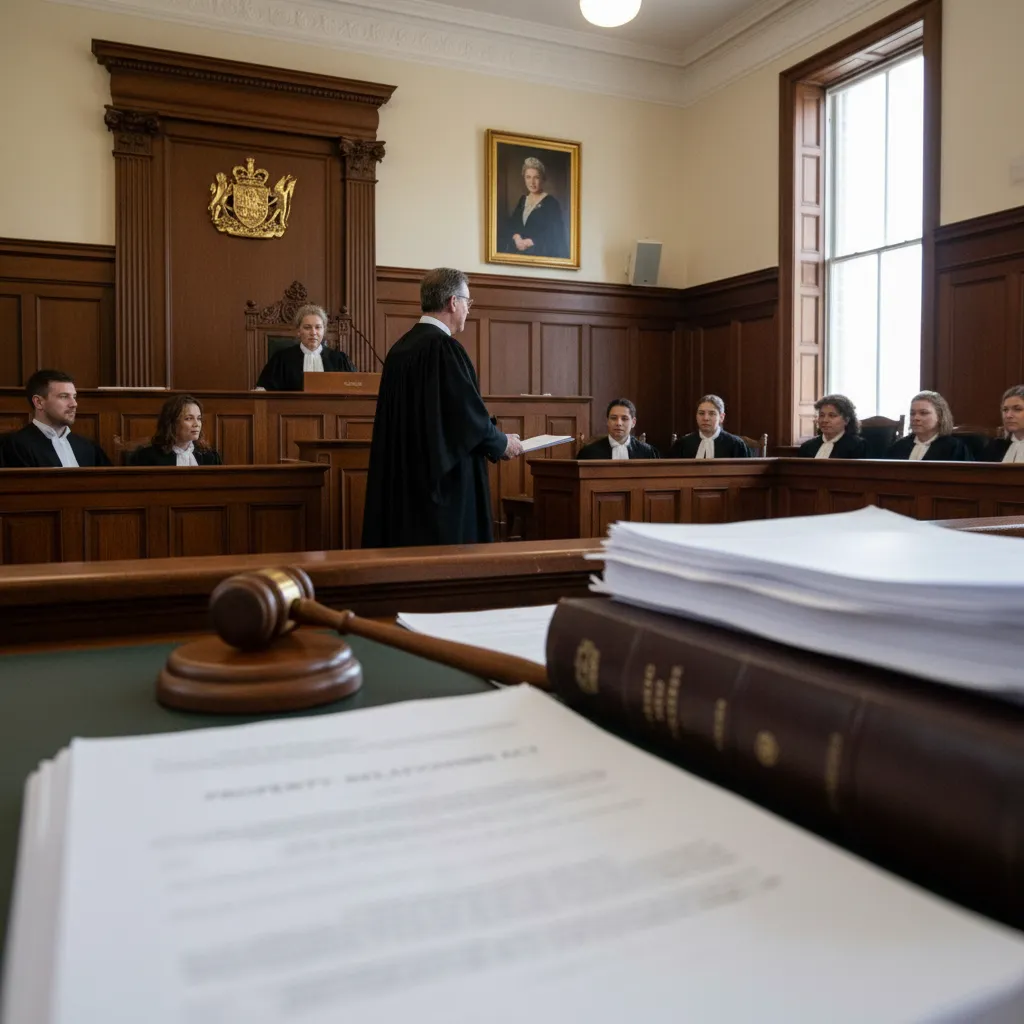
Recording spouse NZ law dictates that you may legally record a private conversation only if you are a participant in that conversation, known as ‘one-party consent.’ However, using hidden devices to record conversations you are not present for, or accessing password-protected devices without authorization, constitutes a criminal offense under the Crimes Act 1961.
Discovering infidelity is a traumatic event that triggers a primal need for truth. In the modern age, this search for answers often migrates to the digital realm. Suspicious partners may feel compelled to turn to voice recorders, GPS trackers, or smartphone snooping to confirm their worst fears. However, in New Zealand, the intersection of technology, privacy law, and relationship breakdown is a legal minefield. While the emotional drive to gather ‘proof’ is understandable, the methods used to obtain it can lead to severe criminal charges and disastrous outcomes in Family Court.
This guide provides a comprehensive analysis of the laws surrounding digital evidence of infidelity in New Zealand, specifically tailored for those navigating high-conflict separations.
The Legal Landscape of Audio Recording in New Zealand
The most common question asked by suspicious partners is whether they can hide a voice recorder in the kitchen or bedroom to catch their spouse admitting to an affair. The answer lies in the nuances of the Crimes Act 1961.
Participant vs. Non-Participant Recording
New Zealand operates under a ‘one-party consent’ rule regarding the recording of private communications. This means that if you are a party to a conversation (i.e., you are in the room and participating in the discussion), you can legally record that interaction without informing the other person. You do not need the consent of your spouse to record an argument or discussion you are having with them.
However, the law changes drastically if you are not present. Under Section 216B of the Crimes Act 1961, it is an offense to intentionally intercept any private communication by means of an interception device. This is commonly referred to as ‘bugging.’
If you leave a voice recorder running in a room and leave the house, or if you hide a listening device in your spouse’s car to capture conversations between them and a paramour, you are committing a crime. The penalty for this can be imprisonment for up to two years. The distinction is clear: participation legalizes the recording; absence criminalizes it.
Accessing a Partner’s Phone and Digital Accounts
In the digital age, the smartphone is the keeper of secrets. It is often the first place a suspicious spouse looks for evidence of infidelity. However, accessing a partner’s phone, email, or social media accounts without their permission falls under the umbrella of unauthorized access to a computer system.
Unauthorized Access Under the Crimes Act
Section 249 of the Crimes Act 1961 deals with accessing computer systems for dishonest purposes. While this is often applied to financial fraud, the broad definition of ‘computer system’ includes smartphones and tablets. If you guess your partner’s password, use their fingerprint while they are sleeping, or use hacking software to bypass security, you are technically accessing a computer system without authorization.
Even if the device is left unlocked, reading through private messages can be considered a breach of privacy. While the police may not prioritize a domestic dispute involving read text messages, the civil implications are significant. In a high-conflict divorce, demonstrating a pattern of invading privacy can paint you as controlling or abusive, which can be detrimental during custody hearings.
The Harmful Digital Communications Act (HDCA)
The introduction of the Harmful Digital Communications Act 2015 significantly changed how digital evidence can be used or misused. This Act was designed to prevent cyberbullying, harassment, and the non-consensual distribution of intimate content.
Weaponizing Evidence
Often, a betrayed spouse gathers digital evidence not just for personal confirmation, but to ‘expose’ the cheater. Sending screenshots of incriminating texts to family members, posting recordings of arguments on social media, or threatening to release intimate photos of the affair partner can breach the HDCA.
Under the HDCA, a communication is deemed harmful if it is designed to cause serious emotional distress. ‘Outing’ a spouse publicly using digital evidence can lead to criminal charges, fines, and imprisonment. Furthermore, the Family Court takes a dim view of parents who attempt to destroy the other parent’s reputation publicly, as it is seen as contrary to the welfare of the children.
GPS Tracking, Spyware, and Surveillance Devices
The market is flooded with ‘spouse-ware’—software designed to track locations, log keystrokes, and mirror messages. Similarly, hardware solutions like AirTags or GPS beacons are cheap and accessible. Using these tools in New Zealand carries substantial legal risk.
The Harassment Act and Stalking
Placing a GPS tracker on a vehicle you do not exclusively own or drive, or installing spyware on a partner’s phone, can be classified as harassment under the Harassment Act 1997. If the surveillance causes the victim to fear for their safety or causes distress, it constitutes criminal harassment.
In the context of a relationship breakdown, this behavior is often flagged as ‘coercive control.’ Family violence legislation in New Zealand recognizes psychological abuse and controlling behavior as forms of violence. Evidence gathered through stalking (digital or physical) is rarely viewed as a ‘victory’ by the courts; rather, it serves as evidence of the perpetrator’s controlling nature.
Admissibility of Digital Evidence in Family Court
A common misconception is that proving adultery will result in a more favorable divorce settlement. Spouses often risk criminal charges to obtain recordings, believing that this ‘smoking gun’ will secure them full custody or the family home. In New Zealand law, this is largely a fallacy.
The Evidence Act 2006
Under the Evidence Act 2006, the court has the discretion to exclude evidence if it was obtained unfairly or illegally (Section 30). If you have obtained recordings by bugging a room (a crime) or hacking an email account (a crime/privacy breach), the judge is highly likely to rule the evidence inadmissible.
Even if the evidence is admitted, the court must weigh its probative value against the prejudicial effect. In simpler terms: does proving the affair actually help resolve the legal dispute? Usually, the answer is no.
The ‘No-Fault’ Divorce Reality in New Zealand
New Zealand operates under a ‘no-fault’ system for the dissolution of marriage. The only legal ground required for divorce is that the marriage has broken down irreconcilably, evidenced by living apart for two years.
Why Infidelity is Legally Irrelevant
Because the system is no-fault, proving that one spouse cheated does not legally entitle the other spouse to a greater share of relationship property. The Property (Relationships) Act 1976 generally dictates a 50/50 split of relationship assets, regardless of who caused the breakup.
Exceptions are extremely rare and typically involve ‘economic disparity’ or the dissipation of assets (e.g., spending significant family funds on the affair). However, even in these cases, financial records (bank statements) are the required evidence, not secret audio recordings of intimate encounters.
Custody and the ‘Welfare of the Child’
In custody disputes (Care of Children Act 2004), the paramount consideration is the welfare and best interests of the child. Adultery does not automatically make someone a bad parent in the eyes of the law. However, the behavior of the parents during the separation does matter.
If a parent presents illegally obtained recordings, it may backfire. The court may view the recording parent as:
- Unable to co-parent effectively.
- Focused on conflict rather than the child’s wellbeing.
- Exhibiting controlling or obsessive behavior.
Thus, the evidence intended to destroy the other party often ends up damaging the credibility of the person who gathered it.
Risks of High-Conflict Divorce and Psychological Impact
Beyond the legal statutes, the pursuit of digital evidence fuels the fire of high-conflict divorce. Relationship psychology suggests that the obsession with gathering proof is often a trauma response—an attempt to regain control in a situation where one feels powerless.
However, engaging in surveillance keeps the betrayed spouse in a state of hyper-arousal and conflict. It delays the healing process and increases legal costs significantly. Lawyers often advise clients that the cost of forensic analysis to prove an affair is ‘dead money’—it costs thousands to prove something that the judge will likely disregard.
For further reading on privacy principles that guide these legal interpretations, the Office of the Privacy Commissioner provides extensive resources on individual rights in New Zealand.
Conclusion
While the instinct to record a spouse to prove infidelity is powerful, the legal risks in New Zealand far outweigh the potential benefits. Recording conversations you are not part of is a crime. Accessing devices without permission is an offense. Most importantly, proving adultery has virtually no impact on property division or divorce proceedings in a no-fault system. The best course of action is to focus on legal separation, the division of assets through legitimate financial disclosure, and the wellbeing of any children involved, rather than engaging in digital espionage.
People Also Ask
Is it illegal to look through my husband’s phone in NZ?
Generally, accessing a device without authorization can be considered a crime under the Crimes Act 1961 (accessing a computer system for a dishonest purpose), especially if you bypass a password. While police rarely prosecute domestic cases of checking an unlocked phone, it is a breach of privacy and can be used against you in Family Court to demonstrate controlling behavior.
Can I use recordings of my spouse in court NZ?
It is difficult. Under the Evidence Act 2006, the court may exclude evidence obtained illegally or unfairly. Since recording a conversation you are not part of is a crime, the court often deems such evidence inadmissible. Even if admitted, infidelity is rarely relevant to the outcome of property or custody disputes in NZ.
Is New Zealand a one-party consent state for recording?
Yes, New Zealand is a one-party consent jurisdiction. You may legally record a conversation if you are a participant in it. However, you cannot record a conversation between two other people if you are not present (interception), as this is a criminal offense.
Can I put a tracker on my wife’s car NZ?
Placing a tracker on a vehicle you do not exclusively own or use can be considered harassment under the Harassment Act and may also violate privacy laws. If the tracking causes distress or fear, it can lead to criminal charges and protection orders.
Does adultery affect divorce settlement in NZ?
No. New Zealand has a ‘no-fault’ divorce system. The reason for the separation (such as adultery) is legally irrelevant to the division of relationship property, which is generally split 50/50 under the Property (Relationships) Act 1976.
What is the penalty for recording someone without consent NZ?
If you record a private conversation you are not a party to (interception), you are liable under the Crimes Act 1961 to imprisonment for a term not exceeding two years. Civil penalties and restraining orders may also apply under the Harassment Act or Privacy Act.