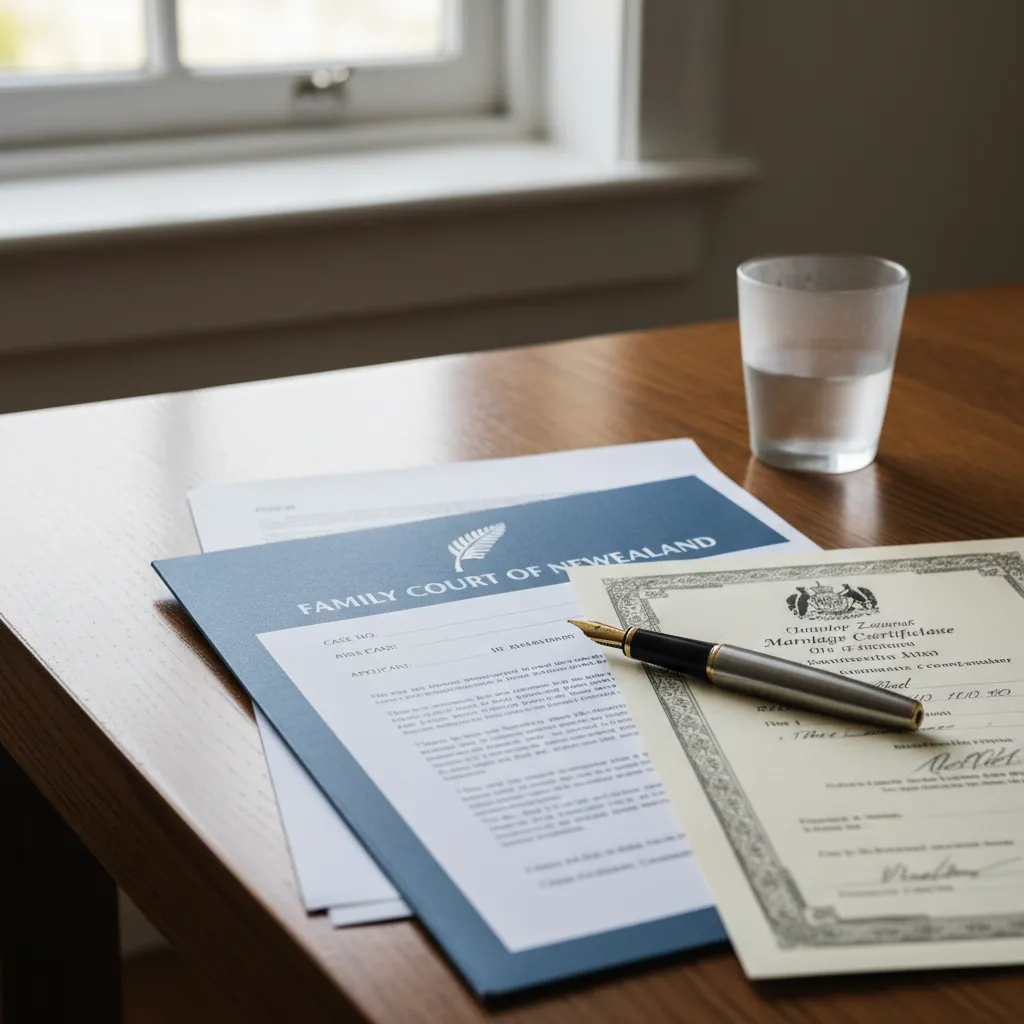
Dating after divorce advice primarily focuses on establishing emotional stability before pursuing new romantic connections, understanding the nuances of modern digital courtship, and managing the delicate balance of existing family obligations. For New Zealanders, this process also requires a keen understanding of legal implications regarding de facto relationships to ensure asset protection while fostering genuine intimacy.
The Foundation: Assessing Your Emotional Readiness
The dissolution of a marriage or long-term partnership is often cited by psychologists as the second most stressful life event, trailing only the death of a spouse. Before you download an app or accept a blind date setup from a well-meaning friend, it is imperative to conduct a forensic audit of your emotional state. Moving on is not merely about finding a new partner; it is about reclaiming your identity independent of your former relationship unit.
Many individuals rush into the dating scene seeking a distraction from grief or a validation of their desirability. This is often referred to as the “rebound effect,” which can lead to repetitive cycles of disappointment. True readiness involves a shift in perspective: you should want a partner to complement your life, not to complete it or heal it.

The Emotional Readiness Checklist
Before entering the dating pool, ask yourself these difficult questions. An honest assessment here can save months of heartache later.
- Have you grieved the loss? Even if you initiated the separation, there is a loss of the future you once envisioned. Have you allowed yourself to feel that sadness without masking it?
- Is your ex-partner still the main character in your conversations? If you find yourself constantly talking about your ex—whether in anger or nostalgia—you are likely not ready to make space for someone new.
- Are you comfortable with solitude? If the silence of an empty house feels unbearable, you may be seeking a relationship as a crutch rather than a choice.
- Have you owned your part? Relationships rarely end solely due to one person’s actions. Have you reflected on your own patterns to ensure you don’t repeat them?
Taking time to heal is not a delay; it is an investment in the quality of your future relationships. Professional support, such as counselling, can be invaluable during this transition.
Navigating the Digital Landscape: Apps and Older Adults
For those who have been married for decades, the modern dating landscape can feel like a foreign country. Gone are the days of meeting solely through community gatherings or the local rugby club. Today, algorithms play matchmaker. While this can be daunting, it also opens up a pool of potential partners you would never otherwise cross paths with.
Choosing the Right Platform
Not all dating apps are created equal, especially for the mature demographic in New Zealand. Understanding the “vibe” of each platform is essential.
- Tinder: Often associated with younger demographics and casual encounters, though it has a large user base. Proceed with clear boundaries.
- Bumble: This app requires women to send the first message. This dynamic often reduces unsolicited and inappropriate messages, making it a preferred choice for many women re-entering the dating scene.
- EliteSingles & SilverSingles: These platforms cater specifically to professionals and those over 50. They tend to focus more on compatibility and long-term potential rather than swipe-based instant gratification.
- FindSomeone: A New Zealand-based site owned by MediaWorks. It is often seen as a more “local” and trustworthy option for Kiwis who want to ensure their potential match is actually in the same country.
Safety and the “Small World” Syndrome
New Zealand is often jokingly referred to as a village. One unique challenge of dating after divorce in NZ is the high probability of overlapping social circles. You may match with your ex’s cousin or your colleague’s brother. Discretion is key. When creating a profile, be honest about your age and appearance—use current photos—but guard your privacy. Do not reveal your specific workplace or home address until trust has been established.
Furthermore, be wary of romance scams. If a match claims to be working overseas (often on an oil rig or in the military) and asks for money for a flight or emergency, cease contact immediately. These are common predatory tactics targeting recently divorced individuals.
The Kids and The Ex: Managing Complex Dynamics
When children are involved, dating is no longer a solo endeavor; it becomes a family matter. However, this does not mean your children should dictate your romantic life. The goal is to balance your need for companionship with their need for stability.
The Six-Month Rule
Relationship experts generally recommend waiting at least six months of exclusive dating before introducing a new partner to your children. This “probationary period” ensures that the relationship has genuine long-term potential. Introducing a revolving door of partners can cause anxiety and attachment issues for children who are already processing the separation of their parents.
Navigating the Ex-Spouse
Unless there are safety concerns or restraining orders in place, transparency with your co-parent is usually the best policy—eventually. You do not need to ask for permission to date, but you should inform them before introducing a new partner to the children. This is not about seeking approval; it is about respecting their role as a parent.
A simple, factual communication is best: “I wanted to let you know that I am seeing someone serious, and I plan to introduce them to the kids next week. I wanted you to hear it from me first.” keeping the drama low helps the children adjust.

Protecting Your Assets: Legal Realities in New Zealand
This is the section where “romance” meets “reality.” For New Zealanders, dating after a divorce or separation carries significant legal implications that differ from other jurisdictions. Under the Property (Relationships) Act 1976, the laws regarding the division of assets are robust and can catch the unwary off guard.
The De Facto Danger Zone
In New Zealand, if you live with a partner for three years or more, you are generally considered to be in a “de facto” relationship. Once this threshold is crossed, the law treats your relationship property very similarly to a marriage. This means that in the event of a separation, your new partner could be entitled to half of the relationship property, potentially including your family home or KiwiSaver, even if they didn’t contribute financially to it.
This is particularly critical for mid-life daters who have accumulated significant assets (a freehold home, inheritance, or business interests) from their previous life. You do not want to survive a complex divorce settlement only to lose half of what remains to a new partner three years later.
Contracting Out Agreements (Pre-nups)
To protect yourself, it is highly advisable to enter into a “Contracting Out Agreement” (often called a pre-nup) before you move in together. This legal document specifies which assets remain separate property and how assets will be divided if the relationship ends.
For a Contracting Out Agreement to be valid in New Zealand:
- It must be in writing and signed by both parties.
- Each party must have independent legal advice before signing.
- The signature of each party must be witnessed by a lawyer.
- The lawyer must certify that they have explained the effects and implications of the agreement.
While discussing legal contracts may seem unromantic, it is a sign of maturity and respect. It provides clarity and security, allowing you to focus on the relationship without the underlying anxiety of financial risk. For more detailed information on your rights, you can refer to the New Zealand Ministry of Justice guidelines on separation and relationship property.
Recognizing Red Flags and Green Lights
When you haven’t dated in years, your radar might be rusty. It is crucial to distinguish between minor quirks and serious character flaws. After a divorce, you are likely more vulnerable, which can make you a target for manipulators or narcissists looking for someone to control.
Red Flags to Watch For
- The Victim Narrative: If they claim all their exes were “crazy” and take zero responsibility for past breakups, run. This indicates a lack of self-awareness.
- Love Bombing: Excessive compliments, gifts, and declarations of love very early on (e.g., within weeks) can be a sign of manipulation. Healthy love grows at a steady pace.
- Disrespecting Boundaries: If they push you to move faster than you are comfortable with—whether physically, emotionally, or regarding meeting your kids—they do not respect you.
- Financial Secrecy: In the context of a serious relationship, evasiveness about money or employment is a major warning sign.
Green Lights (What to Look For)
Conversely, look for a partner who demonstrates emotional intelligence. A “Green Light” partner respects your need for time, speaks respectfully about their past (even if it was painful), and encourages your independence. They understand that you have a life, children, and obligations outside of the relationship. According to resources like Psychology Today, the ability to engage in “repair attempts” during conflict—rather than shutting down or exploding—is one of the strongest indicators of a successful long-term union.
Embracing the Second Chapter
Dating after divorce is not just about finding a replacement partner; it is about curating a new life. It offers a rare opportunity to redefine who you are and what you want, free from the expectations of your youth. Whether you choose to re-marry, cohabit, or maintain a “living apart together” (LAT) arrangement, the choice is yours.
Take your time. Guard your heart, but don’t close it. Protect your assets, but be generous with your kindness. The second chapter of your life has the potential to be even more fulfilling than the first, grounded in the wisdom of experience and the clarity of knowing exactly what you deserve.
People Also Ask
How long should you wait to date after divorce?
There is no legal timeframe, but most therapists suggest waiting at least one year or until the divorce is finalized. This allows time to process the grief cycle, rediscover your individual identity, and ensure you are not using dating as a distraction from healing.
What are the best dating sites for divorced parents in NZ?
In New Zealand, Bumble is popular for its female-led messaging dynamic, which many find safer. EliteSingles and SilverSingles are excellent for those over 40 seeking serious commitment. FindSomeone is a strong local option for ensuring matches are NZ-based.
When should I introduce my new partner to my children?
It is generally recommended to wait at least six months of exclusive dating. This ensures the relationship is stable and has long-term potential, protecting children from the emotional turmoil of forming attachments to temporary partners.
Do I need a pre-nup if I move in with a new partner after divorce?
In New Zealand, it is highly recommended. Under the Property (Relationships) Act, a partner living with you for three years may be entitled to half your assets. A Contracting Out Agreement (pre-nup) protects your pre-existing assets and inheritance.
What are the red flags when dating after divorce?
Major red flags include talking obsessively or negatively about their ex-spouse, rushing the relationship (love bombing), refusing to respect boundaries regarding your children, and financial instability or secrecy.
Is it normal to feel guilty about dating after divorce?
Yes, guilt is a very common emotion, especially if you initiated the divorce or have children. It is important to remember that your happiness contributes to a healthier environment for your family, and you deserve companionship.