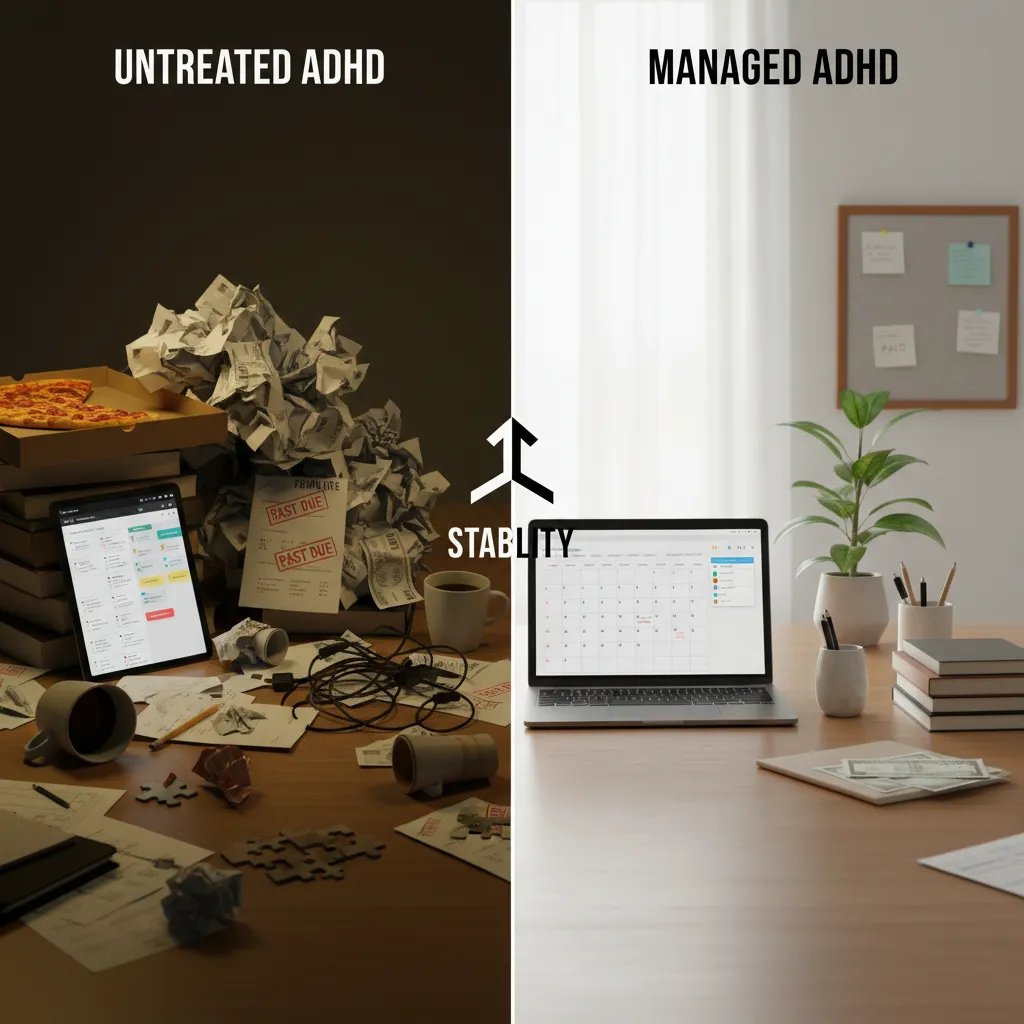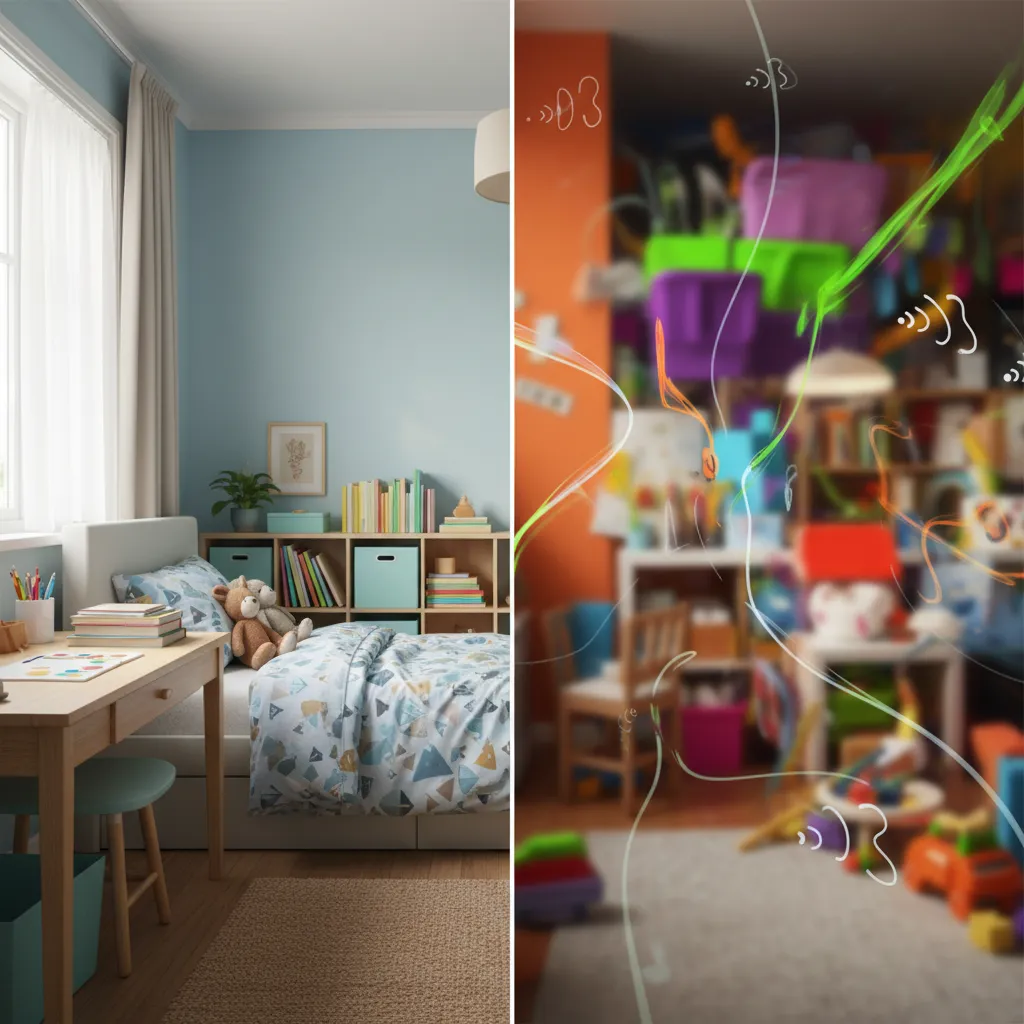
Autism and divorce conflict often stems from undiagnosed neurodivergence manifesting as rigid adherence to routines, difficulty with emotional reciprocity, and specific communication breakdowns. Unlike high-conflict cases driven by intentional malice, these disputes frequently arise from fundamental differences in information processing, requiring specialized legal and co-parenting strategies to resolve effectively.
Divorce is inherently stressful, but when one partner has undiagnosed Autism Spectrum Disorder (ASD), the process can escalate into a unique form of high-conflict separation. For the neurotypical partner, the marriage may have been characterized by the “Cassandra Phenomenon”—a state of emotional deprivation and confusion caused by their partner’s inability to connect on an emotional level. When the relationship dissolves, these same traits can turn legal proceedings and co-parenting into a minefield of misunderstandings.
It is common for individuals in these situations to initially suspect their partner has Narcissistic Personality Disorder (NPD) due to the apparent lack of empathy. However, distinguishing between a personality disorder and the neurocognitive differences of ASD is critical. The strategies that work for high-conflict personalities often backfire with autistic individuals. This guide explores the nuances of autism and divorce conflict, providing a roadmap for navigating the legal system and establishing a sustainable co-parenting future.
Decoding the Conflict: Is it Malice or Neurodivergence?
In the context of relationship psychology, particularly within New Zealand’s focus on “high-conflict” resolution, accurate identification of the conflict’s source is paramount. High-conflict divorces are typically associated with Cluster B personality disorders (Narcissism, Borderline, Antisocial). In those cases, the conflict is often manufactured to punish the ex-spouse. However, when undiagnosed ASD is at play, the conflict is rarely about punishment; it is about preservation.
Individuals with ASD often experience the world as chaotic and unpredictable. The structure of a marriage, however strained, provided a framework. Divorce shatters that framework. The resulting behavior—stonewalling, refusal to negotiate, or obsessive focus on minor financial details—is often a stress response rather than a calculated attack. Understanding this distinction changes everything from how you write an email to how your lawyer presents your case in Family Court.

Empathy Deficits vs. Theory of Mind Challenges
One of the most painful aspects of autism and divorce conflict is the perceived coldness of the ASD partner. During separation, you may expect sadness, anger, or grief. Instead, you might be met with a flat affect or a hyper-focus on the division of assets (e.g., arguing over a specific collection of DVDs while ignoring the emotional impact of the split on the children).
The Theory of Mind Gap
This behavior is often mislabeled as a lack of empathy. In reality, it is a deficit in “Theory of Mind”—the cognitive ability to attribute mental states to oneself and others and to understand that others have beliefs, desires, and intentions that are different from one’s own. According to The National Autistic Society, this struggle to intuitively understand another person’s perspective is a core characteristic of autism.
In a divorce context, this means the ASD partner may genuinely not understand why you are upset about a schedule change or why the children need emotional reassurance. They are not withholding empathy to hurt you; they simply do not process the emotional data in the same way. While a narcissist understands your pain and uses it against you, an undiagnosed ASD partner may be completely oblivious to it.
Alexithymia and Emotional Regulation
Many individuals with ASD also struggle with alexithymia—the inability to identify and describe emotions in oneself. During high-stress legal battles, an ASD individual might shut down completely because they are overwhelmed by physiological sensations they cannot name. To the neurotypical spouse and the court, this looks like indifference or arrogance, but it is actually a defensive freeze response.
Rigidity and Routine in Co-Parenting Disputes
The hallmark of autism is a preference for sameness and routine. In a marriage, this might have manifested as eating the same meals or following a strict weekend schedule. In a divorce, this rigidity becomes a primary driver of litigation.
The “Black and White” Thinking Trap
Cognitive rigidity leads to binary thinking: things are either right or wrong, fair or unfair, followed or broken. There is little room for the “grey areas” that family law relies upon. For example, if a court order states drop-off is at 5:00 PM, an ASD parent may consider 5:05 PM a breach of contract worthy of police intervention. This is not necessarily an attempt to control the other parent, but a distress response to a rule being broken.
This rigidity creates massive friction in co-parenting. A neurotypical parent might suggest swapping weekends to accommodate a family wedding. The ASD parent might refuse, not out of spite, but because it deviates from the agreed-upon pattern. This inability to be flexible is often cited in custody evaluations as “uncooperative parenting,” yet standard co-parenting counseling rarely fixes it because it is a neurological trait, not a behavioral choice.

Why Diagnosis Matters for Legal Strategy
If your ex-partner is undiagnosed, the court system is likely to misinterpret their behavior. Family courts generally operate on the “best interests of the child” standard, which values flexibility and the ability to facilitate a relationship with the other parent. An ASD parent’s rigidity can be mistaken for high-conflict alienation.
The Risks of Mislabeling
If the court views the ASD parent as a narcissist or a high-conflict personality, the remedy is often parallel parenting or strict boundaries designed to stop harassment. However, if the court understands the behavior is ASD-driven, the remedy is specificity.
Bringing up an undiagnosed condition in court is risky. Judges are not psychologists, and labeling an ex can look like smear tactics. Instead of focusing on the label, focus on the behaviors and the solutions that align with ASD needs. You do not need to prove they have autism; you need to prove that they require a highly structured parenting plan to succeed.
Structuring Parenting Orders for Success
To reduce autism and divorce conflict, vague orders like “reasonable access” or “mutual agreement” must be avoided. These phrases are terrifying to a literal thinker. Successful legal strategies involve:
- Hyper-Specific Orders: Define exact times, locations, and protocols for every exchange.
- Communication Protocols: Mandate the use of parenting apps (like OurFamilyWizard) to keep communication text-based and factual, reducing emotional misinterpretation.
- Rules for Changes: Explicitly state how schedule changes are handled (e.g., “Must be requested 48 hours in advance via email”).
Approaching Mediation with an ASD Ex-Partner
Mediation is often preferred over litigation, but standard mediation techniques rely heavily on emotional intelligence, reading body language, and compromise—areas where ASD individuals may struggle.
Communication Adjustments
If you are heading into mediation, advise your mediator beforehand about the communication style required. Abstract concepts like “fairness” or “future well-being” may not land. Instead, arguments should be logical, factual, and rule-based.
- Avoid Metaphors: Speak plainly and directly.
- One Topic at a Time: Do not jump between finances and custody; this causes cognitive overload.
- Visual Aids: Use spreadsheets and calendars. Seeing the data often helps an ASD mind process the reality of the situation better than verbal negotiation.
Reducing Sensory Overload
High-conflict mediation is loud and emotionally charged. An ASD partner may become agitated or shut down due to sensory overload. Requesting breaks, using separate rooms (shuttle mediation), and keeping the environment calm can prevent a meltdown that might otherwise be interpreted as aggression.
Protecting Children in Neurodiverse Separations
The ultimate goal of navigating autism and divorce conflict is protecting the children. It is important to remember that autism has a strong genetic component. Your children may also be on the spectrum, making them even more sensitive to the conflict and the disruption of their routine.
When one parent lacks Theory of Mind, they may inadvertently parentify the child or share inappropriate legal details, treating the child as a peer / confidant. This is rarely malicious but is damaging nonetheless.
Strategies for protection include:
- Explicit Non-Disparagement Clauses: While standard in divorces, these need to be detailed for ASD parents (e.g., “Do not discuss court dates, costs, or emails with the children”).
- Parallel Parenting: This model minimizes direct contact between parents, allowing the ASD parent to parent in their own style (within safety limits) without the stress of constant negotiation with the neurotypical parent.
- Therapeutic Support: Ensure children have a therapist who understands neurodiverse family dynamics.
For further reading on how neurodevelopmental disorders impact family dynamics, the Centers for Disease Control and Prevention (CDC) offers foundational information on ASD traits that can help contextualize these behaviors.

Understanding that your high-conflict divorce may actually be a neurodiverse divorce is the first step toward peace. By shifting your strategy from fighting a war to engineering a structured peace, you can reduce the chaos for yourself and your children.
Frequently Asked Questions
How does autism affect divorce settlements?
Autism can affect divorce settlements by prolonging the process due to rigidity and difficulty negotiating. An autistic spouse may focus obsessively on specific assets regardless of value, or struggle to understand the ‘spirit’ of a fair split. Courts may need to issue highly specific property orders to prevent future disputes over interpretation.
Can an autistic parent get full custody?
Yes, an autistic parent can get full custody. The family court system does not discriminate based on diagnosis. Custody is determined by the “best interests of the child.” If the autistic parent provides a safe, stable environment and meets the child’s needs, their neurodivergence is not a barrier to custody.
What are the signs of undiagnosed autism in a spouse during divorce?
Signs include a lack of emotional reaction to the separation (flat affect), obsession with rules and legal details, inability to see the partner’s perspective (Theory of Mind deficit), extreme rigidity regarding schedules, and becoming overwhelmed or shutting down during emotional mediation sessions.
How do you co-parent with an autistic ex-spouse?
Co-parenting with an autistic ex requires parallel parenting and high structure. Use written communication (email or apps) to reduce emotional ambiguity, adhere to a strict schedule with no last-minute changes, and ensure the parenting plan is explicit and detailed to avoid misinterpretation.
Is high-conflict divorce common with autism?
Yes, but often for different reasons than personality-disordered conflicts. In autism-related divorces, high conflict usually arises from communication breakdowns, sensory overwhelm, and rigid thinking patterns (black-and-white thinking) rather than an intentional desire to harm the other party.
What is the difference between narcissism and autism in divorce?
The main difference is intent. A narcissist often creates conflict to manipulate, punish, or gain supply. An autistic person usually creates conflict out of a need for routine, a failure to understand the other’s emotions, or a defense mechanism against chaos. Narcissism involves a lack of caring; autism involves a lack of knowing how to read the emotional context.