
Adjusting to a single-parent household in New Zealand presents a unique set of challenges that require resilience, strategic planning, and access to the right support networks. From navigating complex financial landscapes to establishing new routines, understanding these hurdles is the first step towards building a stable and thriving family life post-separation or loss.
Establishing New Daily Routines as a Single Parent
The transition to a single-parent household often means a complete overhaul of daily routines. What once involved two adults sharing responsibilities now rests primarily on one. This fundamental shift can feel overwhelming, but with careful planning and consistency, it’s possible to create a new rhythm that works for both you and your children.
Time Management Strategies for the Solo Parent
Effective time management becomes paramount. It’s no longer just about managing your own schedule but also coordinating school drops, extracurricular activities, meal prep, homework, and bedtime routines. A crucial first step is to create a visual schedule or calendar. This could be a physical whiteboard in the kitchen or a shared digital calendar, detailing everyone’s activities. Involve older children in the process to foster a sense of responsibility and ownership over their own schedules.
Prioritisation is key. Distinguish between urgent and important tasks. It might mean letting go of some non-essential activities or delegating where possible. Consider batching tasks – for example, doing all grocery shopping and meal prepping on one day to free up other evenings. Setting realistic expectations for what can be achieved in a day is vital to prevent burnout.
Childcare Options and School Logistics in New Zealand
Securing reliable childcare is often one of the most pressing concerns. New Zealand offers various options, including early childhood education (ECE) centres, before and after-school care programmes, and home-based care. Research local providers early and understand any subsidies or support available, such as the 20 Hours ECE for three- to five-year-olds.
School logistics involve more than just drop-offs and pick-ups. It includes managing school notices, parent-teacher interviews, school events, and ensuring homework is completed. Establishing strong communication with your child’s school and teachers can provide invaluable support and flexibility when unexpected situations arise. Many schools have parent portals or communication apps that can help keep you informed.

Maintaining Consistency and Discipline
Children thrive on consistency, and maintaining established rules and boundaries is crucial during a period of change. While it might be tempting to relax rules to alleviate stress or guilt, it can lead to further behavioural challenges. Clearly communicate new expectations and consequences, and ensure both parents (if co-parenting) are on the same page regarding discipline. Regular family meetings can provide a forum for discussing expectations and addressing concerns.
Prioritising Self-Care for the Parent
While establishing routines for your children, it’s easy to overlook your own needs. However, parental well-being directly impacts the entire household. Schedule time for self-care, even if it’s just 15-30 minutes a day for exercise, reading, or connecting with friends. Adequate sleep, a healthy diet, and stress-reduction techniques like mindfulness or meditation are not luxuries but necessities for managing the demands of single parenting.
Managing Finances Effectively as a Single Parent in NZ
Financial stability is a significant concern for many single-parent households in New Zealand. Income might be reduced, and expenses can feel overwhelming. Proactive financial management, understanding available support, and strategic budgeting are essential for navigating this aspect successfully.
Budgeting and Financial Planning
The first step is to create a detailed budget. List all sources of income and all expenditures, from fixed costs like rent/mortgage and utilities to variable expenses like groceries, transport, and children’s activities. Track spending for a few weeks to identify areas where cuts can be made. Prioritise essential expenses and look for ways to reduce non-essential spending. Free budgeting tools or apps can be incredibly helpful.
Government Assistance and Support Programmes
New Zealand offers various forms of government assistance designed to support single-parent families. The primary support includes:
- Sole Parent Support: A weekly payment for single parents who are not working, or are working part-time, and are caring for dependent children.
- Working for Families Tax Credits: A package of payments for families with dependent children, which can include Family Tax Credit, In-Work Tax Credit, Minimum Family Tax Credit, and Parental Tax Credit. Eligibility depends on income and family size.
- Accommodation Supplement: Helps with rent, board, or mortgage payments if you are not getting certain other government payments.
It is crucial to visit the Work and Income (MSD) website (workandincome.govt.nz) or contact them directly to understand specific eligibility criteria and apply for entitlements. Many single parents are not aware of the full range of support they may be entitled to.
Child Support Arrangements
For parents who are separated, child support plays a vital role in ensuring both parents contribute financially to their children’s upbringing. The Inland Revenue Department (IRD) administers child support payments in New Zealand. It’s important to understand how child support is calculated and enforced. There are options for private agreements or IRD-managed payments. Seeking legal advice can help ensure fair arrangements are made and adhered to.
Saving and Debt Management
Even on a tight budget, try to build an emergency fund, even if it’s small. Unexpected expenses can derail even the best financial plans. If you have existing debt, prioritise high-interest debts and explore options for debt consolidation or financial counselling through organisations like Christians Against Poverty (CAP) or your local Citizens Advice Bureau.
Accessing Vital Community Support and Resources
No single parent should feel isolated. New Zealand has a strong network of community organisations, government agencies, and informal support systems designed to assist families. Leveraging these resources is not a sign of weakness but a strategic move towards building a robust support system.
Family and Friends Network
Lean on your immediate and extended family and close friends. They can provide practical help (babysitting, school runs, meals), emotional support, and a sense of belonging. Don’t be afraid to ask for help, but also be clear about what you need. Establishing a ‘support squad’ can significantly reduce feelings of overwhelm.
Support Groups and Networks (Online and Local)
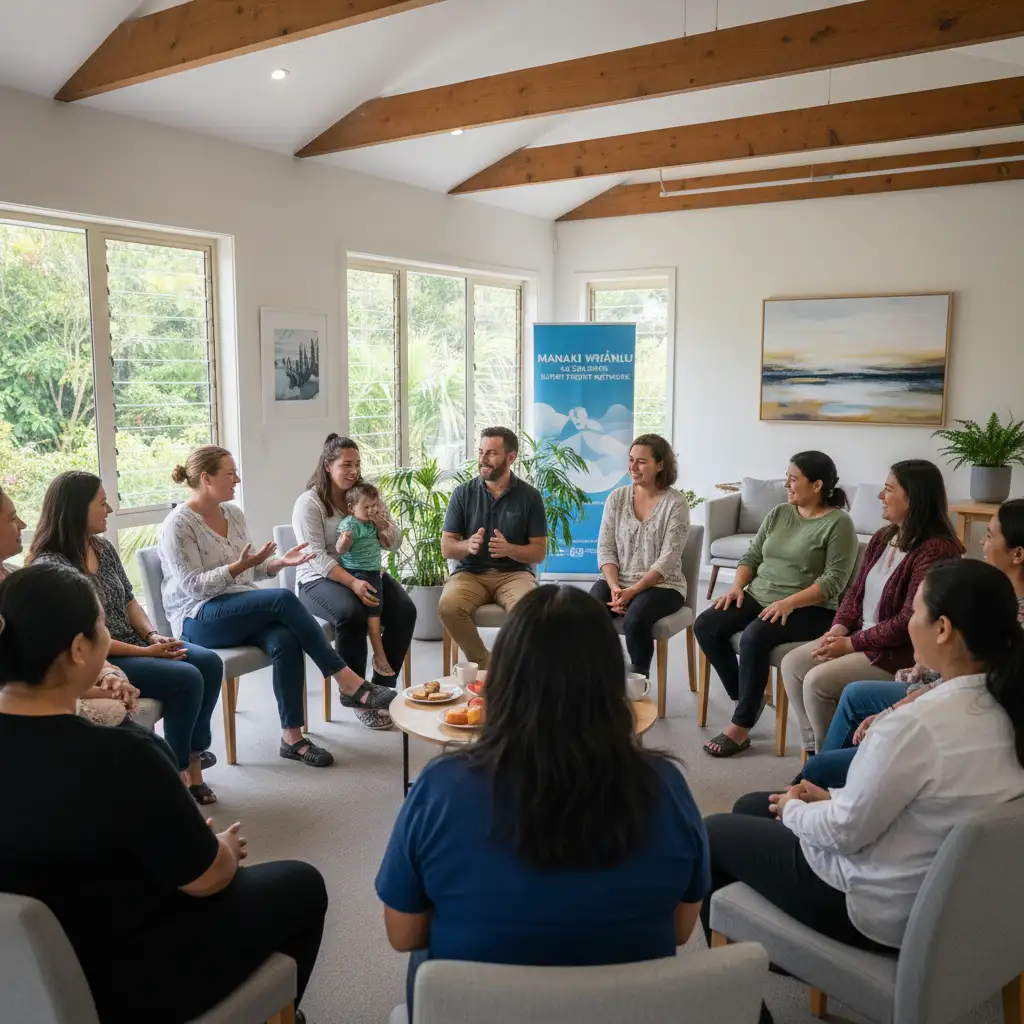
Connecting with other single parents can be incredibly validating. Sharing experiences, tips, and challenges with those who truly understand can combat loneliness and provide practical solutions. Search for local single-parent groups through community centres, social media platforms, or organisations like Parents Centre Aotearoa. Online forums and social media groups dedicated to single parents in NZ also offer a convenient way to connect.
Professional Help and Guidance
Sometimes, challenges extend beyond what informal networks can provide. Don’t hesitate to seek professional help:
- Counselling: Therapists can provide strategies for coping with grief, stress, anxiety, or depression associated with relationship breakdown or loss, and help children adjust.
- Legal Aid: For family law matters, legal aid services can provide affordable access to legal advice regarding parenting orders, child support, and separation agreements.
- Financial Advisers: Some non-profit organisations offer free financial mentoring to help you develop a long-term financial plan.
Government Agencies and Non-Governmental Organisations (NGOs)
Beyond Work and Income, other organisations offer targeted support:
- Citizens Advice Bureau (CAB): Provides free, confidential information and advice on a wide range of topics, including housing, employment, and family matters. They can help navigate government services.
- Family Works: Offers family counselling, social work support, and programmes for parents and children.
- Plunket: While primarily focused on infant and toddler health, Plunket often has information on local support groups and resources for parents of young children.
Navigating Emotional and Psychological Challenges
The emotional toll of adjusting to a single-parent household is significant. Parents often experience a roller coaster of emotions, from grief and guilt to anxiety and overwhelm. Recognising and addressing these feelings is vital for both your well-being and your children’s stability.
Coping with Grief, Stress, and Loneliness
Whether due to separation, divorce, or loss, single parents often contend with profound grief. Allow yourself to feel these emotions without judgment. Stress levels can be exceptionally high, stemming from financial pressure, childcare demands, and the sheer responsibility. Chronic stress can impact physical and mental health. Loneliness, even when surrounded by children, is also a common experience, especially if your social circle shrinks or changes.
Strategies for coping include: acknowledging your feelings, seeking professional counselling, engaging in stress-reducing activities, and intentionally building a new social life that includes other single parents or supportive friends.
Building Resilience
Resilience is the ability to bounce back from adversity. For single parents, building resilience involves developing coping mechanisms, problem-solving skills, and a positive mindset. Focus on small victories, practice self-compassion, and remind yourself of your strengths. Learning to adapt to change and developing flexibility are key components of resilience in this context.
Co-Parenting Dynamics and Challenges
If you are co-parenting, managing the relationship with your former partner can be one of the most challenging aspects. Prioritise your children’s needs above any personal animosity. Establish clear communication boundaries and methods. Focus on consistency in parenting approaches where possible, and avoid speaking negatively about the other parent in front of the children. Mediation services can be invaluable in establishing healthy co-parenting agreements.
Children’s Adjustment and Well-being
Children react to changes in family structure in various ways, depending on their age, personality, and the circumstances of the change. They might exhibit sadness, anger, anxiety, or behavioural issues. Provide a stable, loving environment, maintain routines, and encourage open communication. Reassure them that they are loved and that the changes are not their fault. If you notice persistent or severe difficulties, consider seeking professional support for your child through school counsellors or child psychologists.
Key Legal Considerations for Single Parents in New Zealand
Understanding the legal framework surrounding single parenthood in New Zealand is crucial, especially concerning children, finances, and property. Navigating family law can be complex, and seeking appropriate legal advice is often beneficial.
Parenting Orders and Agreements
When parents separate, it is essential to establish clear arrangements for the care of their children. A Parenting Order (formerly Custody Order) legally outlines where children will live and how often they will spend time with each parent. Parents can reach an agreement voluntarily (a Parenting Agreement) which can then be formalised by the Family Court. If agreement cannot be reached, the Family Court can make decisions. These orders cover decisions about children’s upbringing, education, and health.
Family Court Resources and Processes
The Family Court of New Zealand (justice.govt.nz/courts/going-to-court/family-court/) plays a central role in resolving disputes related to children, domestic violence, and relationship property. They offer various services, including information on mediation (Family Dispute Resolution), which is often a required first step before applying to the court. While representing yourself is possible, many find legal representation invaluable due to the complexities of the law.
Understanding Legal Rights and Responsibilities
As a single parent, it is important to understand your rights and responsibilities. This includes understanding parental responsibilities as defined by the Care of Children Act 2004, your rights regarding child support, and potentially your rights regarding relationship property division. Knowledge empowers you to make informed decisions and protect your children’s best interests.

Adjusting to a single-parent household in New Zealand is undoubtedly a challenging journey, but one that many navigate successfully with resilience and the right support. By proactively establishing new routines, managing finances wisely, leveraging community resources, addressing emotional well-being, and understanding legal frameworks, single parents can build a stable, nurturing, and thriving environment for themselves and their children. Remember, you are not alone, and help is available every step of the way.
People Also Ask
What financial help can a single parent get in NZ?
Single parents in New Zealand can access several forms of financial assistance, primarily through Work and Income (MSD). This includes Sole Parent Support, which is a weekly payment for those caring for dependent children while working part-time or not at all. Additionally, many single-parent families are eligible for Working for Families Tax Credits, a package of payments from Inland Revenue, and potentially an Accommodation Supplement to help with housing costs. It’s recommended to check eligibility via the Work and Income website.
How do single parents manage childcare in NZ?
Managing childcare in New Zealand involves exploring various options such as early childhood education (ECE) centres, before and after-school care programmes, and home-based care. Parents often utilise the 20 Hours ECE subsidy for three- to five-year-olds. Effective time management, creating structured routines, and maintaining strong communication with schools are also key strategies. Many rely on family, friends, or community networks for additional support.
What are the biggest challenges for single parents in NZ?
Single parents in New Zealand frequently face challenges such as financial strain due to reduced income and increased expenses, difficulties in managing time and establishing new daily routines, and emotional burdens like stress, loneliness, and burnout. Navigating co-parenting relationships and ensuring children’s emotional adjustment to the new family structure are also significant hurdles.
Where can single parents find support groups in New Zealand?
Single parents in New Zealand can find support groups through various channels. Local community centres often host parent groups, and organisations like Parents Centre Aotearoa may offer specific programmes or connections. Online forums and social media groups dedicated to single parents in NZ provide accessible platforms for connection and advice. The Citizens Advice Bureau can also direct parents to local resources.
How does child support work in NZ for single parents?
In New Zealand, child support is managed by the Inland Revenue Department (IRD). It’s designed to ensure both separated parents contribute financially to their children’s upbringing. Parents can arrange a private agreement or have IRD manage the payments based on a specific formula that considers income, care arrangements, and other factors. Understanding the calculation and enforcement process is vital, and legal advice can be beneficial.
What legal rights do single parents have in NZ?
Single parents in New Zealand have comprehensive legal rights and responsibilities, primarily outlined in the Care of Children Act 2004. This includes rights regarding parenting orders (formerly custody), decisions about children’s upbringing (education, health), and entitlements to child support. They also have rights concerning relationship property division following separation. The Family Court provides resources, and legal aid is available for those needing assistance with family law matters.