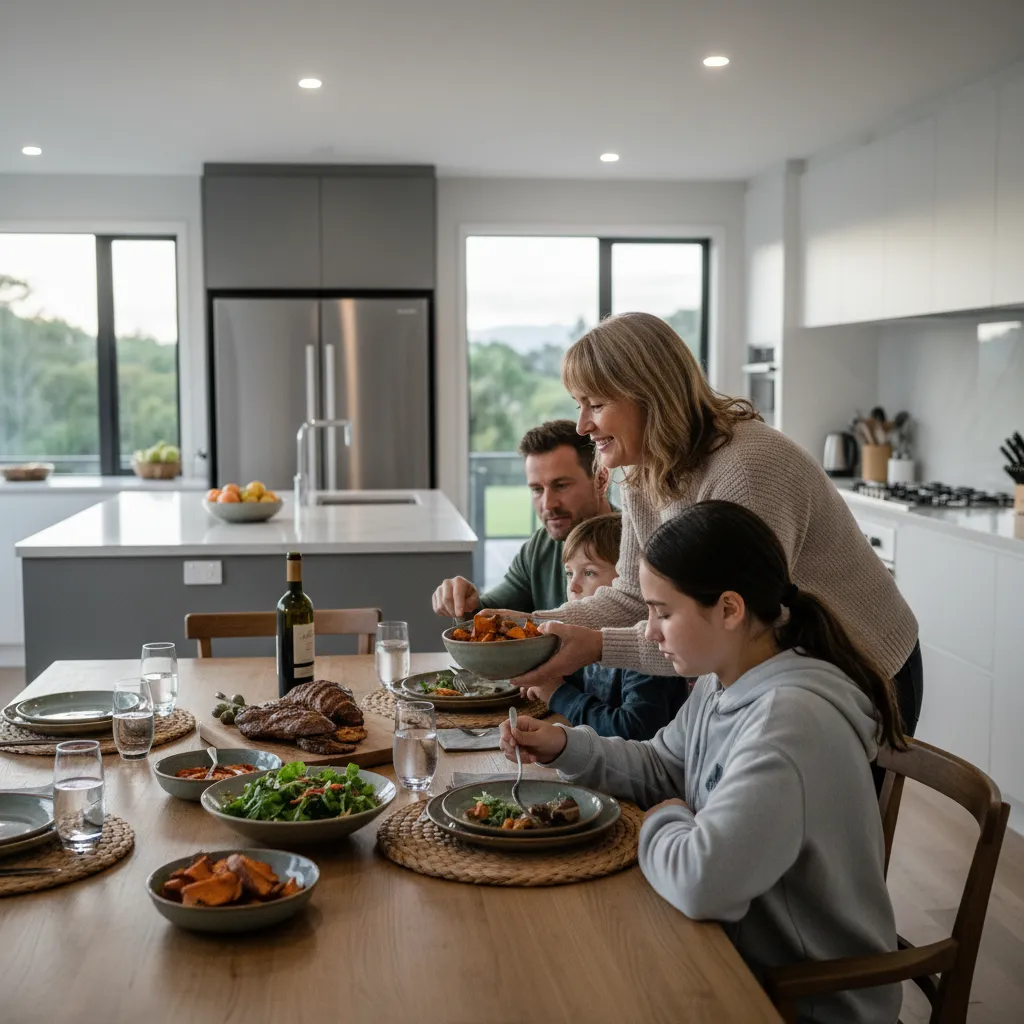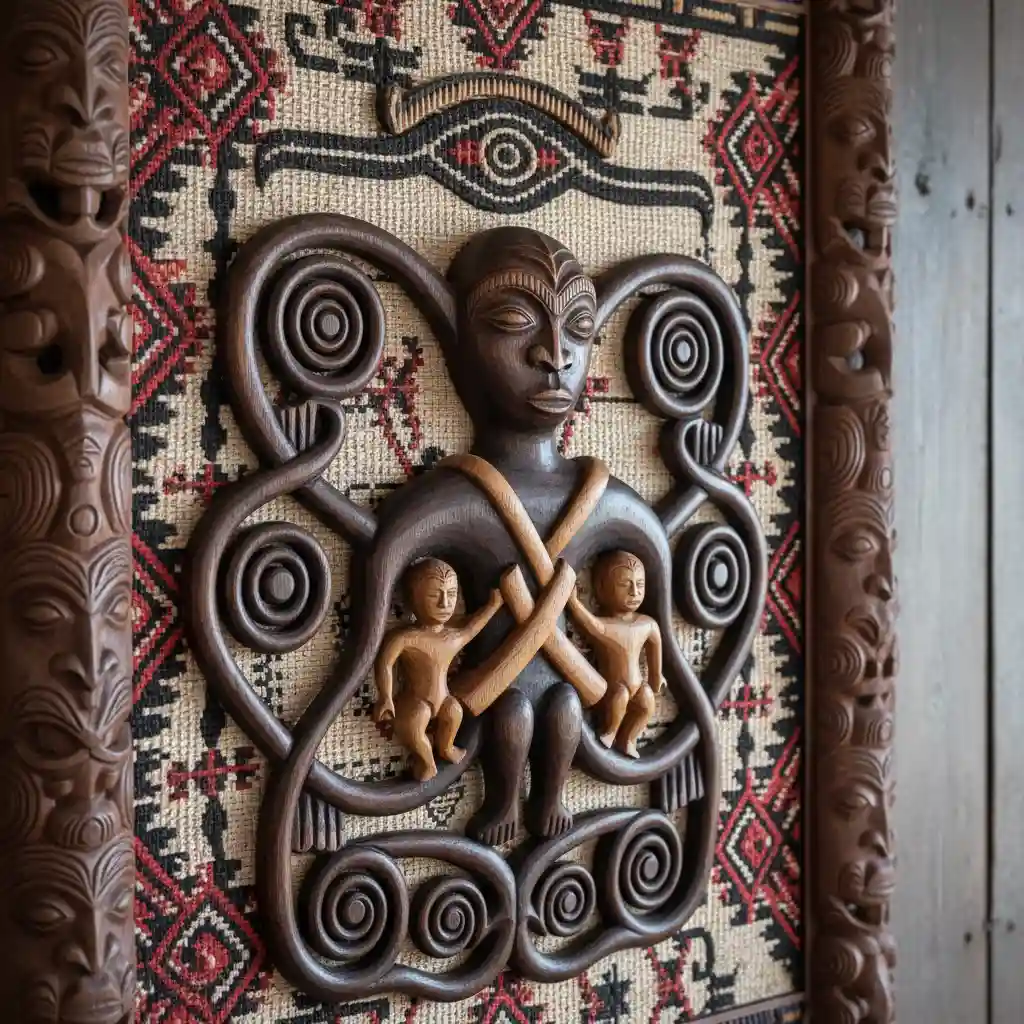
In the diverse cultural landscape of Aotearoa New Zealand, the gift of language is one of the most significant legacies a parent can bestow upon their tamariki (children). Whether you are revitalizing Te Reo Māori within your whānau, maintaining a heritage language like Samoan or Mandarin, or introducing a global language, the journey of bilingual parenting is both rewarding and demanding. It requires consistency, strategy, and a deep understanding of the developmental benefits involved.
Raising bilingual children involves the deliberate and consistent practice of exposing a child to two or more languages during their formative years to foster fluency in both. In the context of Aotearoa, this often entails balancing English with Te Reo Māori or a heritage language, promoting cognitive flexibility, strengthening cultural identity, and ensuring the preservation of whakapapa for future generations.
The Landscape of Bilingualism in Aotearoa
New Zealand is rapidly evolving into a multilingual society. While English remains the dominant language of commerce and law, the revitalization of Te Reo Māori and the influx of diverse cultures have shifted the parenting paradigm. Raising bilingual tamariki is no longer just an educational choice; for many, it is an act of cultural reclamation and a fulfillment of rights guaranteed under Te Tiriti o Waitangi.
Parents often worry about the mechanics of teaching two languages simultaneously. However, the human brain is biologically primed for language acquisition in early childhood. By understanding the environment necessary for language flourishing, parents can navigate this journey with confidence, ensuring their children reap the lifelong rewards of bilingualism.

The Cognitive and Cultural Benefits in Aotearoa
The decision to raise a child with more than one language extends far beyond the ability to communicate with different groups of people. Extensive research indicates that the bilingual brain develops differently, offering distinct advantages in executive function and social adaptability.
Cognitive Advantages
Research suggests that bilingual children often outperform their monolingual peers in tasks that require conflict management and cognitive flexibility. This is often referred to as the “bilingual advantage.” Because the bilingual brain is constantly suppressing one language to speak the other, it exercises the brain’s executive control system. This results in:
- Enhanced Problem Solving: Improved ability to solve complex problems and think abstractly.
- Better Focus: A heightened ability to filter out irrelevant information and focus on specific tasks.
- Delayed Cognitive Decline: Long-term studies suggest bilingualism can delay the onset of dementia and Alzheimer’s symptoms in later life.
Cultural Connection and Whakapapa
In the New Zealand context, language is the gateway to culture. For Māori, Te Reo is the vehicle for understanding tikanga (customs), whakataukī (proverbs), and whakapapa (genealogy). Language carries the worldview of a people. By raising bilingual tamariki, you are:
- Strengthening Identity: Children with a strong grasp of their heritage language report higher self-esteem and a more grounded sense of identity.
- Enabling Community Participation: Fluency allows full participation in marae protocol, church services, or community gatherings where English may not be the primary medium.
- Future-Proofing Careers: As New Zealand organizations increasingly integrate Te Ao Māori, bilingual professionals are in high demand across the legal, medical, and public sectors.
For more in-depth information on the revitalization and official status of the language, you can visit Te Taura Whiri i te Reo Māori (The Māori Language Commission).
Proven Strategies for Raising Bilingual Children
Success in raising bilingual children rarely happens by accident. It requires a conscious family language policy. While every family dynamic is unique, three primary methods have proven most effective globally.
One Parent, One Language (OPOL)
This is perhaps the most popular strategy for mixed-language couples. In this model, each parent speaks only their native language to the child. For example, one parent speaks exclusively Te Reo Māori while the other speaks English.
Pros: It provides clear boundaries and ensures consistent exposure to both languages.
Cons: It requires strict discipline from the parents and can feel exclusionary if one parent does not understand the other language.
Minority Language at Home (mL@H)
In this scenario, the entire family speaks the minority language (e.g., Samoan or French) inside the home, while the child learns the majority language (English) at school and in the wider community.
Pros: It maximizes exposure to the language that is at risk of being lost.
Cons: It requires both parents to be fluent in the minority language.
Time and Place Strategy
This method involves designating specific times or locations for a language. For example, a family might decide that weekends are “Te Reo weekends,” or that the language spoken at the dinner table is always Mandarin.
Pros: Flexible and good for parents who are learning the language alongside their children.
Cons: It can be harder to enforce consistency compared to OPOL.

Integrating Te Reo Māori: Resources for Whānau
For many families in Aotearoa, the goal is specifically to raise bilingual speakers of Te Reo Māori. Whether you are a fluent speaker or a learner (ākonga), there is a wealth of support available.
Educational Pathways
Enrolling your child in Māori-medium education is the most effective way to ensure fluency.
- Kōhanga Reo: Total immersion early childhood education centers where the philosophy is based on the whānau model.
- Kura Kaupapa Māori: Primary and secondary schools where the curriculum is taught entirely in Te Reo Māori and based on Māori philosophy.
- Bilingual Units: Many mainstream schools now offer bilingual units (Rumaki) where a percentage of instruction is in Te Reo.
Home Resources
You do not need to be fluent to start. Utilizing technology and media can supplement your home environment:
- Whakaata Māori (Māori Television): Offers excellent programming for children (tamariki) that normalizes the language.
- Apps: Use apps like ‘Kupu’ (spark) or ‘Drops’ to build vocabulary.
- Books: Libraries in NZ have extensive collections of bilingual books. Reading to your child daily in the target language is crucial for vocabulary acquisition.
Overcoming Challenges: Resistance and Delays
The path to bilingualism is rarely linear. Parents often encounter hurdles that can lead to doubt. Understanding that these challenges are normal is key to persistence.
The Myth of Speech Delay
A persistent myth is that bilingualism causes speech delays. Research shows that while bilingual children might start speaking slightly later than monolinguals, they are usually within the normal range of development. When the vocabularies of both languages are combined, bilingual children often know more words than their monolingual peers.
Code-Switching (Mixing Languages)
It is common for children to mix languages in a single sentence (e.g., “I want the wai please”). This is known as code-switching. It is not a sign of confusion; rather, it demonstrates a sophisticated use of linguistic resources. It shows the child understands the grammatical rules of both languages well enough to weave them together.
Dealing with Resistance
As children enter school, they may realize that English is the “power language” of the playground and refuse to speak the home language. To combat this:
- Create a Community: Ensure your child has peers who speak the minority language.
- Stay Consistent: Continue speaking the language to them, even if they reply in English.
- Make it Fun: Associate the language with positive activities, games, and screen time.
Guardianship, Identity, and the Law
In the context of Family Law in New Zealand, a child’s right to their culture and language is paramount. Under the Care of Children Act 2004, the welfare and best interests of the child are the first and paramount consideration. This includes the child’s identity and cultural background.
For Māori children, this is further reinforced by the principles of the Oranga Tamariki Act 1989, which emphasizes the importance of whanaungatanga (kinship) and the child’s connection to their whakapapa. When parents separate, disputes can arise regarding education (e.g., one parent wants Kura Kaupapa, the other mainstream). The Family Court generally views the preservation of a child’s cultural heritage and language as a significant positive factor in their development.
Parents drafting parenting agreements should explicitly consider language. Agreeing on educational pathways and language exposure early can prevent conflict and ensure the child’s right to their linguistic heritage is protected. For further reading on developmental milestones and language, the American Speech-Language-Hearing Association (ASHA) provides comprehensive, evidence-based guidelines.
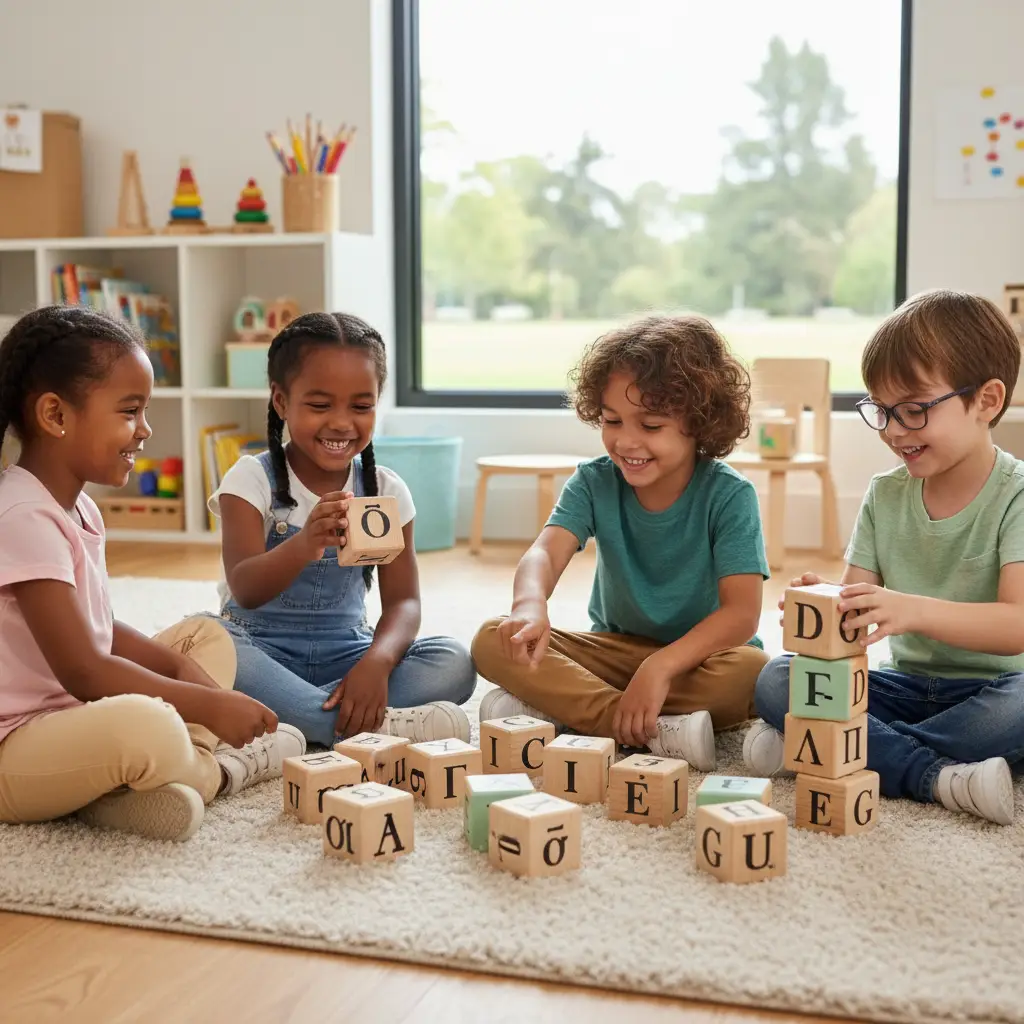
People Also Ask
Does raising a child bilingually cause speech delays?
No, bilingualism does not cause speech delays. While bilingual children may speak their first words slightly later than monolingual children, they typically fall within the normal developmental range. When the total vocabulary of both languages is counted, bilingual children often possess a vocabulary size equal to or larger than monolingual children.
What is the best age to start teaching a second language?
The best time to introduce a second language is from birth to age three. During this period, the brain is most plastic and capable of absorbing new sounds and grammatical structures naturally. However, children can successfully learn a second language at any age, though it may require more conscious effort as they get older.
What is the OPOL method in bilingual parenting?
OPOL stands for “One Parent, One Language.” It is a strategy where each parent speaks a different language to the child consistently. For example, one parent speaks only English while the other speaks only Te Reo Māori. This helps the child distinguish between the two language systems and ensures regular exposure to both.
Can I raise a bilingual child if I am not fluent in the second language?
Yes, you can. Many parents learn alongside their children. You can support the process by enrolling your child in immersion education (like Kōhanga Reo), using bilingual books and apps, and creating a community of fluent speakers around the child to model the language.
Is it bad if my child mixes two languages in one sentence?
No, mixing languages, or “code-switching,” is a normal part of bilingual development. It indicates that the child is resourceful and understands the grammar of both languages. It is not a sign of confusion and typically resolves as the child’s vocabulary expands in both languages.
How does bilingualism affect a child’s education in New Zealand?
Bilingualism generally has a positive impact on education. Studies show bilingual children often have better executive function, focus, and problem-solving skills. In New Zealand, proficiency in Te Reo Māori is increasingly valued in the workforce, providing future career advantages and a stronger connection to cultural identity.