Postnatal depression (PND) in New Zealand is a clinically diagnosed depressive episode affecting approximately 15% of mothers and 10% of fathers after childbirth. Unlike the temporary “baby blues,” PND presents as persistent sadness, anxiety, or detachment lasting longer than two weeks, necessitating professional intervention through GPs, Plunket, or specialized maternal mental health services.
Understanding Postnatal Depression in Aotearoa
Becoming a parent is one of the most significant life transitions a person can experience. In New Zealand, the cultural narrative often focuses on the joy and blessing of a new pēpi (baby), but for many parents, the reality is clouded by Postnatal Depression (PND). It is vital to understand that PND is not a character flaw or a sign of parenting incompetence; it is a recognized mental health condition that requires medical and psychological support.
In the New Zealand context, PND is widely prevalent. Statistics suggest that at least one in seven mothers and one in ten fathers will experience significant depression or anxiety during the perinatal period. The condition can develop suddenly after birth or gradually over several months. It is distinct from the “baby blues,” a hormonal adjustment period occurring in the first week postpartum that typically resolves naturally. PND, conversely, persists and deepens, affecting the parent’s ability to function and bond with their child.
The causes are multifactorial, involving a complex interplay of hormonal shifts, sleep deprivation, history of mental illness, and psychosocial stressors such as financial pressure or lack of whānau support. Acknowledging the condition is the first, brave step toward recovery.

Identifying Signs of PND in Mothers and Fathers
Postnatal depression does not look the same for everyone. While there is overlap, symptoms can manifest differently in mothers compared to fathers or partners. Recognizing these signs early is crucial for protecting the well-being of the parent and the safety of the child.
Symptoms in Mothers
For mothers, the hormonal crash following delivery combined with the physical recovery from birth can mask the onset of depression. Key indicators include:
- Persistent Low Mood: A feeling of sadness, emptiness, or numbness that does not lift, even when the baby is sleeping or settled.
- Disconnection: Feeling detached from the baby, or feeling as though the baby belongs to someone else. This often leads to immense guilt.
- Intrusive Thoughts: Scary, unwanted thoughts about harm coming to the baby or oneself.
- Physical Symptoms: Changes in appetite, inability to sleep even when exhausted (insomnia), or sleeping too much.
- Overwhelming Anxiety: Excessive worry about the baby’s health or one’s own parenting abilities.
Symptoms in Fathers and Partners
Paternal postnatal depression is often overlooked but is equally serious. Men may be less likely to express sadness and more likely to exhibit behavioral changes. Signs include:
- Irritability and Anger: A shorter fuse, snapping at family members, or uncharacteristic rage.
- Avoidance: Working longer hours to avoid being at home, or withdrawing into technology and gaming.
- Physical Symptoms: Unexplained headaches, stomach issues, or significant weight changes.
- Risk-Taking Behavior: Increased use of alcohol or drugs as a coping mechanism.
- Feelings of Worthlessness: Feeling excluded from the mother-baby bond or financially inadequate.
Navigating the NZ Support Pathway: Plunket and GPs
New Zealand has a robust, albeit sometimes complex, framework for maternal and paternal mental health support. Knowing where to turn is essential for accessing timely care.
The Role of Plunket and Well Child Providers
Plunket nurses are often the frontline detectors of PND. During Well Child visits, nurses are trained to screen for maternal mental health issues. They ask specific questions regarding mood and coping mechanisms. It is imperative to be honest during these visits. Plunket offers:
- PlunketLine (0800 933 922): A free, 24/7 helpline where parents can speak to registered nurses. They can provide immediate advice and referrals.
- Referrals: Plunket can refer parents to local support groups, NGOs, or GP services if clinical depression is suspected.
General Practitioners (GPs)
Your GP is the primary medical gateway for PND treatment. A standard consultation involves a mental health assessment. GPs in New Zealand can:
- Prescribe antidepressants that are safe for breastfeeding mothers if necessary.
- Refer patients to counselling or psychotherapy.
- Refer severe cases to Maternal Mental Health Services (specialist DHB services for moderate to severe illness).
For authoritative information on public health pathways, the Ministry of Health NZ provides detailed guidelines on what services are funded and available regionally.
The Impact of PND on the Couple Relationship
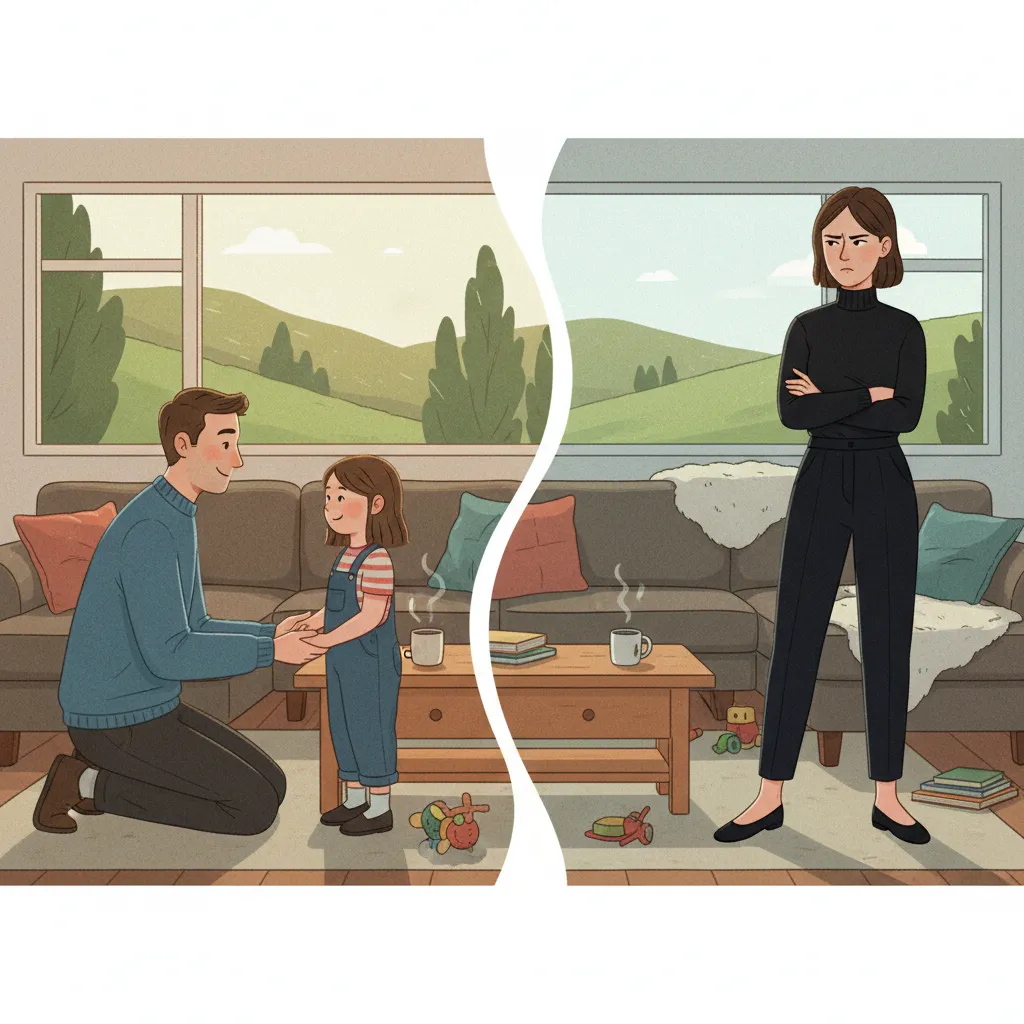
Postnatal depression is not an isolated event; it ripples through the entire family unit, often placing immense strain on the couple’s relationship. In the context of family stability, untreated PND is a significant risk factor for relationship breakdown.
Communication Breakdown
Depression often robs a person of the energy required to communicate effectively. A depressed partner may become withdrawn, silent, or reactive. The non-depressed partner may feel rejected, confused, or resentful, interpreting the withdrawal as a lack of love rather than a symptom of illness. This creates a cycle of silence and misunderstanding.
Loss of Intimacy
PND frequently results in a total loss of libido. For the partner, this rejection can be painful. However, for the suffering parent, the idea of physical touch can feel overwhelming when they are already “touched out” by the baby and battling internal darkness. Navigating this requires extreme patience and the understanding that intimacy is not just physical sex, but emotional closeness.
Conflict and Resentment
When one partner is suffering from PND, the other often has to shoulder a disproportionate load of household and childcare duties. Over time, if the condition is not identified as an illness, this leads to resentment. The supporting partner may feel their needs are invisible, while the suffering partner feels guilty and criticized.
To preserve the relationship, couples must view PND as a “third party”—an external enemy they are fighting together, rather than fighting each other.

Recovery and Management Strategies
Recovery from postnatal depression is entirely possible. It is usually a gradual process requiring a combination of medical, psychological, and holistic approaches.
Medical and Psychological Treatment
- Therapy: Cognitive Behavioral Therapy (CBT) and Interpersonal Therapy (IPT) are highly effective for PND. In NZ, some sessions may be funded through the PHO (Primary Health Organisation) upon GP referral.
- Medication: Antidepressants (SSRIs) can correct chemical imbalances. Many are compatible with breastfeeding, but this must be discussed with a doctor.
Holistic Strategies: Te Whare Tapa Whā
In New Zealand, the Te Whare Tapa Whā model of health is a powerful framework for recovery, addressing four cornerstones:
- Taha Tinana (Physical Health): Prioritizing sleep where possible (sleeping when the baby sleeps), gentle exercise like walking, and nutrition.
- Taha Hinengaro (Mental Health): Acknowledging feelings without judgment. engaging in mindfulness or counselling.
- Taha Wairua (Spiritual Health): Reconnecting with nature, values, or faith. Finding a sense of purpose beyond the daily grind of parenting.
- Taha Whānau (Family Health): Accepting help from family and friends. Isolation feeds depression; connection starves it.
Legal and Employment Rights for Parents
Dealing with PND can affect your ability to return to work. It is important to understand your rights under New Zealand employment law.
Sick Leave and Mental Health
Postnatal depression is a valid medical reason for taking sick leave. If a parent has exhausted their Paid Parental Leave and is due to return to work but is unfit due to PND, they are entitled to use their accrued sick leave. Employers cannot discriminate against an employee based on a mental health condition.
Flexible Working Arrangements
Under the Employment Relations Act, employees have the right to request flexible working arrangements. This can be crucial for parents recovering from PND who need a phased return to work or adjusted hours to attend therapy sessions. Employers must consider these requests seriously and can only refuse them on specific recognized business grounds.
For more specific legal advice regarding employment rights, Employment New Zealand offers comprehensive resources for parents returning to the workforce.
Frequently Asked Questions
How long does postnatal depression last?
There is no set duration for postnatal depression. For some, with treatment, it may resolve within a few months. For others, it can persist for a year or more. Early intervention significantly reduces the duration of the illness.
Is postnatal depression covered by the public health system in NZ?
Yes, PND treatment is covered. GP visits for mental health may be subsidized, and referrals to Maternal Mental Health Services (specialist care) are free for eligible residents. Plunket services are also free.
Can fathers get postnatal depression?
Yes, approximately 1 in 10 fathers in New Zealand experience postnatal depression. It often presents as anger, irritability, or throwing themselves into work, rather than typical tearfulness.
What is the difference between baby blues and PND?
The “baby blues” affect up to 80% of mothers, appearing 3-5 days after birth and lasting only a few days. PND is more severe, lasts longer than two weeks, and interferes with daily functioning and bonding.
Can I take antidepressants while breastfeeding?
Many antidepressants are considered safe for breastfeeding. Your GP or a specialist can prescribe medication where the benefits to the mother’s mental health outweigh the minimal risk of transfer to the baby.
Who can I call for immediate help with PND in NZ?
You can call PlunketLine (0800 933 922), Healthline (0800 611 116), or the Depression Helpline (0800 111 757). In an emergency, always dial 111.