
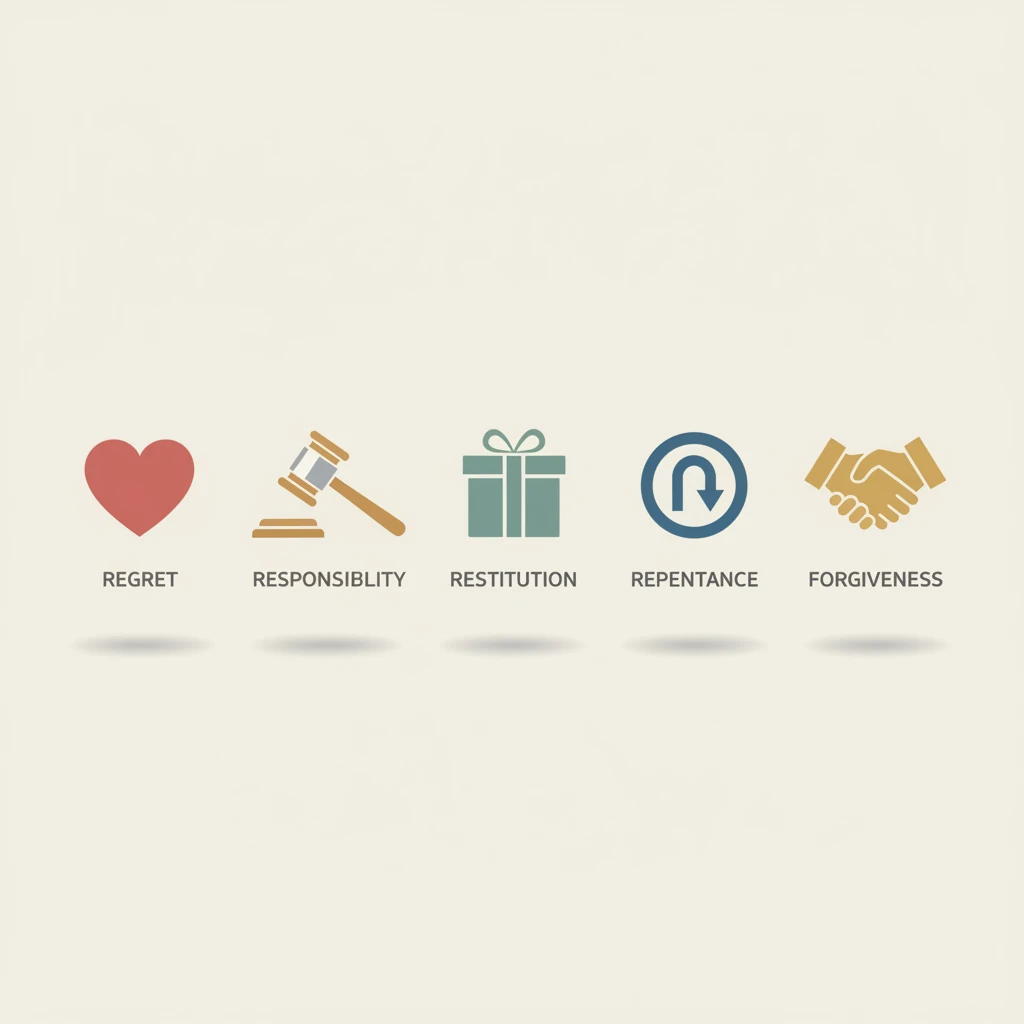
The 5 languages of apology are distinct frameworks for expressing remorse effectively, conceptualized by Dr. Gary Chapman and Dr. Jennifer Thomas. They consist of Expressing Regret (“I am sorry”), Accepting Responsibility (“I was wrong”), Making Restitution (“What can I do to make it right?”), Genuinely Repenting (“I will try not to do this again”), and Requesting Forgiveness (“Will you please forgive me?”). Identifying the correct language is crucial for restoring trust in relationships.
The Psychology Behind the 5 Languages of Apology
In the realm of human relationships, conflict is inevitable. However, resolution is optional and often depends entirely on the quality of the repair attempt. Many individuals find themselves in a frustrating cycle where they sincerely apologize, yet their partner, friend, or colleague remains hurt and guarded. The disconnect often lies not in the sincerity of the offender, but in the method of delivery.
Just as Dr. Gary Chapman introduced the world to the concept of Love Languages, he collaborated with psychologist Dr. Jennifer Thomas to identify that people also have specific “Apology Languages.” These are the specific elements of an apology that an individual needs to hear or observe to feel that the apology is sincere and sufficient.
When an apology is delivered in the recipient’s primary language, it facilitates emotional healing and the rebuilding of trust. When it is delivered in a foreign language—even if well-intentioned—it often falls on deaf ears. For example, someone who needs to hear “I was wrong” (Accepting Responsibility) will likely feel dismissed if they only hear “I’m sorry you feel that way” (Expressing Regret).

Language 1: Expressing Regret
For many, the core of an apology lies in the emotional acknowledgment of the pain caused. This is the language of Expressing Regret. The key phrase associated with this language is a simple, sincere “I am sorry.”
Individuals who speak this language are primarily concerned with the emotional impact of your actions. They need to know that you understand how much you hurt them. An apology without a statement of regret feels cold, intellectual, and detached to them.
The “But” Trap
When speaking this language, it is critical to avoid the word “but.” Saying “I am sorry I yelled, but you made me angry” effectively cancels the apology. To a person who values Expressing Regret, this sounds like an excuse rather than an apology. An effective expression of regret focuses entirely on the hurt caused, without shifting blame.
What to say: “I am so sorry for what I said. I know I hurt your feelings deeply, and I feel terrible that I caused you pain.”
Language 2: Accepting Responsibility
While some need emotional validation, others view an apology as a legal admission of guilt. This is the language of Accepting Responsibility. For these individuals, saying “I’m sorry” is insufficient because it describes a feeling, not a fact. They need you to admit that you were at fault.
The most important phrase for this group is “I was wrong.” This language is about validating the recipient’s reality. When you admit you were wrong, you are confirming that their assessment of the situation was correct and that you are willing to lower your defenses.
Many people struggle with this language because it requires setting aside the ego. Admitting fault can feel like weakness, but to the recipient, it is the ultimate sign of strength and maturity. According to Gary Chapman’s research, omitting the admission of error often makes the apology feel like a way to smooth things over rather than a genuine reconciliation.
What to say: “I was wrong to speak to you that way. I made a mistake, and there is no excuse for my behavior.”
Language 3: Making Restitution
For some, words are cheap. They operate on the principle that if you break something, you should pay for it. If you damage a reputation, you should repair it. This is the language of Making Restitution. The driving question here is, “What can I do to make it right?”
This language often overlaps with the Love Language of Acts of Service or Gifts. If you forget an anniversary, saying “I’m sorry” (Regret) or “I was wrong to forget” (Responsibility) might not be enough. This person needs a tangible gesture to balance the scales of justice in the relationship.

Restoring the Debt
Restitution is about paying a debt. The offense created a deficit in the relationship, and the apology must fill that void. This could be literal repayment (replacing a lost item) or symbolic repayment (committing to a specific action to help the partner).
What to say: “I know I missed our date. I want to make it up to you. Can I take you out this Friday to that restaurant you love?”
Language 4: Genuinely Repenting
The word “repent” comes from a Greek term meaning to change one’s mind or direction. The language of Genuinely Repenting focuses on behavior modification. For people with this apology language, an apology is worthless if the behavior is repeated next week.
These individuals are practical and future-oriented. They are asking, “Are you going to change?” If you apologize profusely but take no steps to ensure the mistake doesn’t happen again, they will view you as manipulative or insincere.
The Plan of Action
To apologize effectively in this language, you must provide a plan. You need to verbalize your intent to change and the specific steps you are taking to ensure success. This reassures the offended party that you are taking the offense seriously enough to alter your life.
What to say: “I am sorry I was late again. I know this is a recurring issue. I’ve set three alarms on my phone and I’m going to start leaving 15 minutes earlier to ensure this doesn’t happen in the future.”
Language 5: Requesting Forgiveness
The final language puts the power back into the hands of the offended party. Requesting Forgiveness is marked by the question, “Will you please forgive me?”
For people who speak this language, an apology is not complete until forgiveness is granted. By asking for it, you are acknowledging that forgiveness is not a right you are entitled to, but a gift you are requesting. It shows submission and respect for the other person’s feelings.
Failing to ask for forgiveness can make these individuals feel like you are demanding the relationship return to normal without their consent. They need the agency to say “yes” or “not yet.”
What to say: “I value our relationship more than my pride. I am truly sorry for what I did. Will you please forgive me?”
Why Apologies Fail: The Mismatch Problem
The primary reason sincere apologies fail is a mismatch in apology languages. Imagine a husband who speaks the language of Making Restitution and a wife who speaks Expressing Regret.
If the husband hurts the wife’s feelings, he might bring her flowers or fix a broken shelf (Restitution). He thinks, “I’ve shown her I’m sorry.” However, the wife is waiting to hear the words “I am sorry I hurt you, I feel terrible” (Regret). She interprets the flowers as a bribe to shut her up. Conversely, if she hurts him, she might cry and say “I’m so sorry,” but he is thinking, “That’s fine, but what are you going to do to fix the problem?”
To ensure your apology lands, you must learn to speak the language of the recipient, not the language that makes you feel most comfortable. This requires empathy and observation.
How to Identify Your Apology Language
Identifying your own primary apology language (and that of your partner) requires introspection. To determine your language, consider the following questions:
- What do I expect to hear? When someone apologizes to you, what are you waiting for? Is it an admission of guilt (“I was wrong”) or a plea for forgiveness?
- What hurts the most? When an apology feels fake, what is missing? If you feel dismissed because they didn’t cry or look sad, your language is likely Expressing Regret. If you feel annoyed because they didn’t offer a solution, it might be Restitution or Repentance.
- How do I apologize to others? We often apologize in the way we want to be apologized to. If you instinctively ask “What can I do?” you likely value Restitution.
Understanding these dynamics is essential for relationship health. For further reading on the psychological impact of forgiveness and apologies, resources from the American Psychological Association offer deep insights into how reconciliation works in the human brain.
Mastering the 5 languages of apology is not about manipulation; it is about communication. It is the art of translating your internal remorse into a format that the other person can receive, verify, and use to heal the wound. By shifting your focus from “Did I say sorry?” to “Did they feel heard?”, you transform conflict into an opportunity for deeper intimacy.
People Also Ask
What are the 5 languages of apology?
The 5 languages of apology are: Expressing Regret (focusing on emotional hurt), Accepting Responsibility (admitting you were wrong), Making Restitution (offering to make amends), Genuinely Repenting (planning behavior change), and Requesting Forgiveness (asking for pardon).
How do I know my apology language?
You can identify your apology language by analyzing what you feel is missing when someone apologizes to you. If you need to hear “I was wrong,” your language is Accepting Responsibility. If you need to see changed behavior, it is Genuinely Repenting. You can also look at how you naturally apologize to others, as this often mirrors your own needs.
Can you have more than one apology language?
Yes, it is very common to have a primary and a secondary apology language. For example, you might need to hear “I am sorry” (Expressing Regret) but also require the person to ask “Will you forgive me?” (Requesting Forgiveness) for the matter to feel fully resolved.
What is the most common apology language?
While statistics vary, research by Chapman and Thomas suggests that Accepting Responsibility (“I was wrong”) and Expressing Regret (“I am sorry”) are among the most common primary languages. However, relying on averages is dangerous; you must determine the specific language of the individual you are apologizing to.
How do you apologize to someone who needs restitution?
To apologize to someone who values Restitution, words are not enough. You must pair your verbal apology with a tangible offer to repair the damage. Ask clearly, “What can I do to make this right?” or offer a specific gesture that compensates for the loss or hurt caused.
Why is requesting forgiveness important?
Requesting forgiveness is important because it acknowledges the hurt party’s agency. It shifts the power dynamic, allowing the victim to choose whether to reconcile. For many, this act of submission and respect is the only way to validate that the offender is truly humble and remorseful.