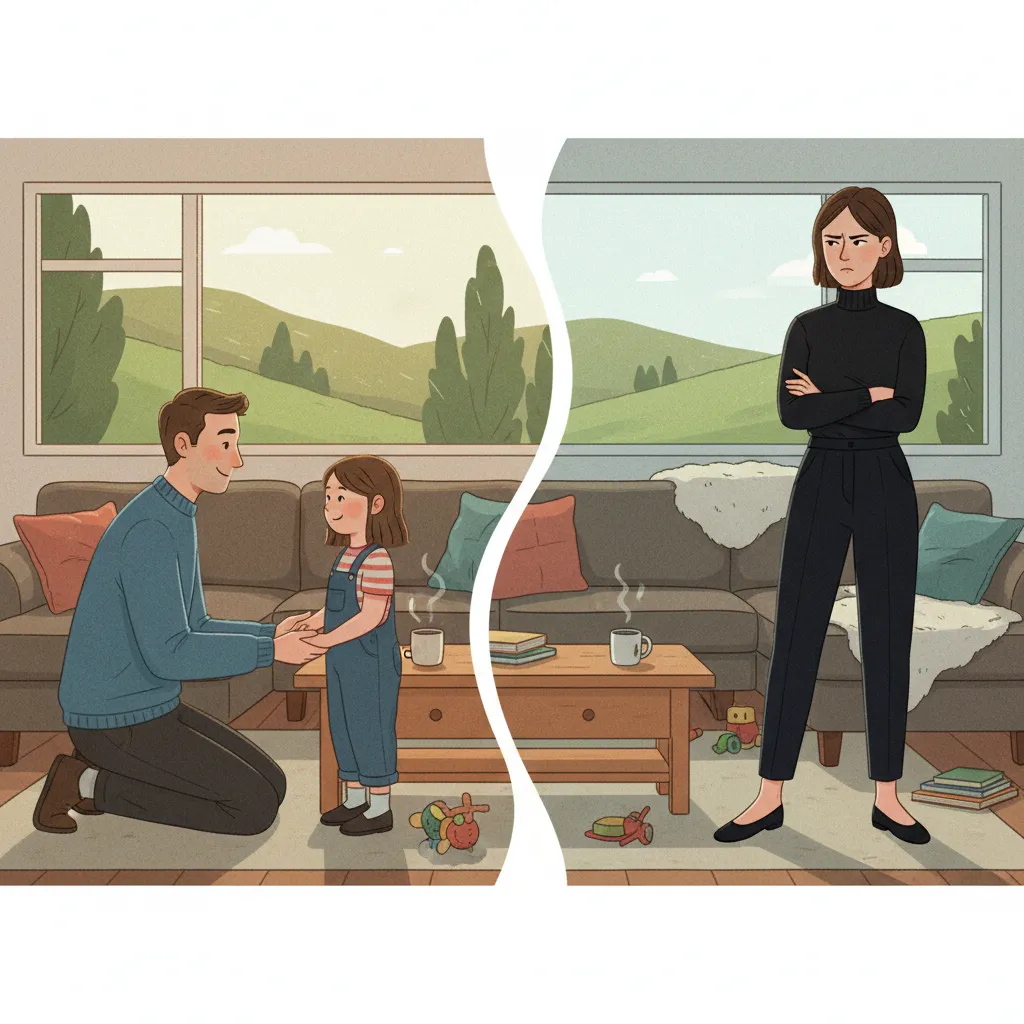
Child resilience during family change is the capacity of a young person to adapt positively to significant structural shifts, such as separation, relocation, or new partnerships. To foster this resilience, parents must maintain consistent routines, validate emotions without judgment, and ensure open, age-appropriate communication that prioritizes the child’s sense of safety and belonging above adult conflicts.
Family transitions are among the most challenging life events a household can experience. Whether due to separation, divorce, the introduction of a step-parent, or a significant relocation, the fundamental structure of a child’s world is altered. In New Zealand, where the Care of Children Act 2004 places the welfare and best interests of the child as the paramount consideration, understanding how to support children through these shifts is both a moral and legal imperative. Resilience is not an innate trait that a child either has or does not have; it is a muscle that is built through supportive relationships and stable environments. This guide explores how to nurture that resilience.
Understanding Child Resilience During Family Change
Resilience in the context of family law and psychology refers to a child’s ability to bounce back from adversity. However, “bouncing back” does not mean the child is unaffected. It means they can integrate the experience into their life story without it derailing their development. When a family unit changes, a child’s primary source of security is threatened. The goal of resilience-building is to re-establish that security in a new form.
Research consistently shows that it is not the family structure itself (single-parent, co-parenting, or blended) that dictates a child’s well-being, but rather the quality of relationships and the level of conflict within that structure. High-conflict environments are the single biggest predictor of poor outcomes for children. Therefore, the foundation of child resilience lies in conflict management between adults. When parents can shield children from the heat of their disputes, they create a protective buffer that allows resilience to flourish.

Navigating Relocation: Moving House or Schools
Moving house is often cited as one of life’s most stressful events for adults; for children, it can feel like a total erasure of their known world. In New Zealand, where school zones are strictly enforced and community ties are tight, moving schools can disrupt friendship groups, sports teams, and academic continuity.
The Impact of Geography on Stability
For children, their “map” of the world is small. It consists of their bedroom, their route to school, and the local park. When this map changes, they may experience a loss of autonomy. They no longer know where things are or who their neighbors are. This can lead to feelings of helplessness. If the move is precipitated by a separation, the loss of the physical home compounds the loss of the intact family unit.
Practical Tips for School Transitions
To mitigate the stress of moving, preparation is key. If moving between regions (e.g., from Auckland to Wellington), try to facilitate a visit to the new school before the first day. Most NZ schools are accommodating regarding pre-visits. Furthermore, maintaining continuity in extracurricular activities is vital. If your child played rugby or netball in their old town, sign them up immediately in the new location. This provides an instant community and a familiar routine amidst the chaos of boxes and packing.
The Dynamics of Blended Families: Introducing New Partners
Introducing a new partner is a delicate milestone in post-separation parenting. It signifies that the previous family unit is definitively in the past, which can reignite grief for children who held onto the “reconciliation fantasy.” In the context of New Zealand family law, while parents generally have the right to move on with their lives, the timing and manner of these introductions can be scrutinized if they cause psychological harm to the child.
Timing is Everything
There is no universal rule for when to introduce a partner, but the consensus among child psychologists is: wait. Wait until the relationship is stable and committed. Introducing a transient stream of partners can lead to attachment injuries. Children bond quickly, and repeated losses of these new figures can be damaging. A good rule of thumb is to wait at least six months into a serious relationship before facilitating an introduction.
Managing Loyalty Conflicts
Children often feel that liking a new partner is a betrayal of their other biological parent. This is known as a loyalty conflict. It is crucial to explicitly give the child permission to like the new person. Phrases such as, “It’s okay to have fun with [Partner’s Name], Mom/Dad won’t be upset,” are powerful. Conversely, the new partner should not attempt to discipline the child early on. Their role should be that of a supportive adult or an “uncle/aunt” figure, leaving the heavy lifting of discipline to the biological parent to preserve the developing bond.
Age-Appropriate Communication Strategies
How you explain family changes depends entirely on the child’s developmental stage. One size does not fit all, and using complex adult language with a toddler—or patronizing language with a teen—can lead to confusion and resentment.
Toddlers and Preschoolers (The “Here and Now”)
Children under five are egocentric; they believe the world revolves around them. Consequently, they often blame themselves for family changes. Communication needs to be simple, repetitive, and reassuring.
- Key Message: “Mom and Dad are living in different houses, but we both love you. This is not your fault.”
- Focus: Concrete details. Who will pick them up? Where will they sleep? Visual aids like calendars with color codes for “Mom’s days” and “Dad’s days” are highly effective.
School-Aged Children (Fairness and Routine)
Children aged 6 to 12 are obsessed with fairness and rules. They want to know the logistics. They may worry about practicalities: “Will I still get my allowance?” or “Who will help me with my science project?”
- Key Message: “We have a plan to make sure everything is fair and you get to see us both.”
- Strategy: Involve them in low-level decision-making, such as choosing the paint color for their room in the new house. This restores a sense of control.
Teenagers (Autonomy and Identity)
Teens are in the process of separating from the family unit naturally. Family disruption can either accelerate this (making them withdraw) or cause regression. They may be angry and judgmental about the reasons for the separation.
- Key Message: “We respect your need for space, but we are still your parents and we are here.”
- Strategy: Be honest but maintain boundaries. Do not treat your teen as a confidant or a therapist. They do not need to know the details of infidelity or financial ruin. Respect their schedule; forcing a teen to adhere to a rigid visitation schedule that clashes with their social life or part-time job can breed resentment.
Recognizing Signs of Stress and Anxiety
Children do not always articulate distress verbally. Instead, they “act out” their feelings. Recognizing these behavioral flags early allows for intervention before patterns become entrenched.

Behavioral Red Flags
Regression: A previously toilet-trained child may start wetting the bed. A confident sleeper may suddenly fear the dark. This is a cry for comfort and a return to a safer time.
Somatization: This refers to physical symptoms caused by psychological distress. Frequent complaints of tummy aches or headaches before transition days (switching houses) are common indicators of anxiety.
Aggression or Withdrawal: Boys often externalize stress through anger or fighting at school, while girls are statistically more likely to internalize, leading to withdrawal and silence. Both are responses to the same stressor: a loss of control.
When to Seek Professional Help
If these behaviors persist for more than a few months or interfere with daily functioning (school refusal, significant weight change), professional support is necessary. In New Zealand, resources such as Gumboot Friday provide free counseling. Additionally, GPs can refer children to Child and Adolescent Mental Health Services (CAMHS) for more severe cases.
The New Zealand Context: Legal and Support Frameworks
Navigating family transitions in New Zealand often involves interacting with the legal system, even if you never step foot in a courtroom. Understanding the framework can reduce anxiety for parents, which in turn benefits the child.
Parenting Plans and the Care of Children Act
The Care of Children Act 2004 emphasizes that children have a right to a relationship with both parents, provided it is safe. The terminology used is “day-to-day care” (formerly custody) and “contact” (formerly access). Parents are encouraged to draft a Parenting Plan—a written agreement covering living arrangements, holidays, and education.
The Ministry of Justice offers a free course called “Parenting Through Separation,” which is mandatory if you intend to apply to the Family Court for a parenting order. This course is invaluable for learning how to keep children out of the middle of conflict. For more information on legal steps and resources, the New Zealand Ministry of Justice provides comprehensive guides and templates.
It is also worth noting that in NZ, the concept of “guardianship” is distinct from “day-to-day care.” Guardianship involves the big decisions: religion, medical care, name changes, and residence. Even if one parent has the child 90% of the time, guardianship is usually shared, meaning consultation is required for major life changes.
Building a Resilience Toolkit: Routine and Rituals
To help a child weather the storm of family change, parents must actively build a toolkit of stability. The most potent tools in this kit are routines and rituals.
Routine provides the framework of the day. Knowing that breakfast is at 7:00 AM, school is at 8:30 AM, and reading time is at 7:00 PM creates a rhythm that the body and mind can rely on. During times of chaos, cling to these routines. If you move houses, try to keep the bedtime routine exactly the same (same book, same song, same blanket).
Rituals are the emotional anchor points. These are the special traditions that define “us.” It might be Friday Night Pizza or Sunday Morning Pancakes. When a family separates, there is a fear that these rituals will die. Protecting them—or creating new ones—signals to the child that family life continues, just in a different format. If Dad always did pancakes, and now he lives elsewhere, perhaps pancakes become a special activity at Dad’s house, while Mom starts a new ritual of Saturday bush walks. These predictable moments of connection are the building blocks of resilience.
Conclusion: Fostering Stability
Supporting children through family transitions is a marathon, not a sprint. It requires patience, immense emotional self-regulation from parents, and a willingness to put the child’s needs first. By understanding the developmental needs of your child, utilizing the legal and support frameworks available in New Zealand, and maintaining a home environment rich in routine and low in conflict, you provide the fertile ground necessary for resilience to grow. Remember, a happy child does not need a perfect family structure; they need a peaceful one.
People Also Ask
How does divorce affect child resilience?
Divorce itself does not necessarily damage resilience; high conflict between parents does. Children who experience a cooperative separation where they maintain healthy relationships with both parents often adapt well and develop strong resilience skills.
What is the hardest age for a child to deal with divorce?
While difficult at any age, many experts consider the age of 6 to 12 (school age) to be particularly challenging. Children at this stage understand the separation but may lack the emotional maturity to process the complex reasons behind it, often leading to internal conflict or taking sides.
How long should you wait to introduce a new partner to your child?
It is generally recommended to wait at least six months into a committed relationship before introducing a new partner. This ensures the relationship is stable and prevents the child from forming attachments to transient figures.
What are the signs of stress in a child after moving house?
Signs of stress include regression (bedwetting, baby talk), changes in appetite or sleep patterns, aggression, withdrawal from social activities, or physical complaints like stomach aches without a medical cause.
How can I help my child cope with a new step-parent?
Allow the relationship to develop at the child’s pace. Ensure the biological parent remains the primary disciplinarian initially. Validate the child’s feelings and ensure they have one-on-one time with their biological parent to reduce jealousy.
Is parenting through separation mandatory in NZ?
Yes, if you want to apply to the Family Court for a parenting order regarding care or contact, you are generally required to complete the “Parenting Through Separation” course, unless the matter is urgent or involves safety concerns.