
Long distance relationship advice NZ centers on bridging the geographical gap between the North and South Islands through strategic financial planning, consistent digital communication, and clear timelines for relocation. To succeed, couples must leverage travel deals, understand the legal implications of eventual cohabitation, and prioritize quality connection over mere frequency.
The Logistics of Love: Managing Inter-Island Travel Costs
In the context of New Zealand’s geography, maintaining a relationship often means navigating the Cook Strait. Whether one partner is in Auckland and the other in Christchurch, or you are bridging the gap between Wellington and Dunedin, the cost of physical connection is the first major hurdle. Unlike relationships where a long drive is sufficient, inter-island relationships in Aotearoa almost exclusively rely on air travel or ferry crossings, both of which require significant financial discipline.
The financial burden of travel is the number one stressor for long-distance couples. To mitigate this, you must treat travel bookings as a fixed line item in your monthly budget rather than an incidental expense.
Mastering the Air New Zealand and Jetstar Algorithms
For most couples, flying is the only time-efficient option. To keep costs manageable, you must become proactive rather than reactive. Relying on last-minute bookings is a recipe for financial strain. Expert strategists in long-distance relationships utilize the following tactics:
- Grabaseat Alerts: Set up specific alerts for Air New Zealand’s Grabaseat. If you know you will be visiting every three weeks, book these flights months in advance during sales.
- Jetstar Price Beating: Jetstar offers a price beat guarantee where they will beat a competitor’s fare by 10% if the flight is within an hour of the competitor’s time. This is often overlooked but can save significant amounts on trunk routes like Auckland to Christchurch.
- Airpoints and Status: Consolidate your spending to earn Airpoints Dollars. Using a credit card that accrues Airpoints for your daily expenses can often fund one or two return trips per year.
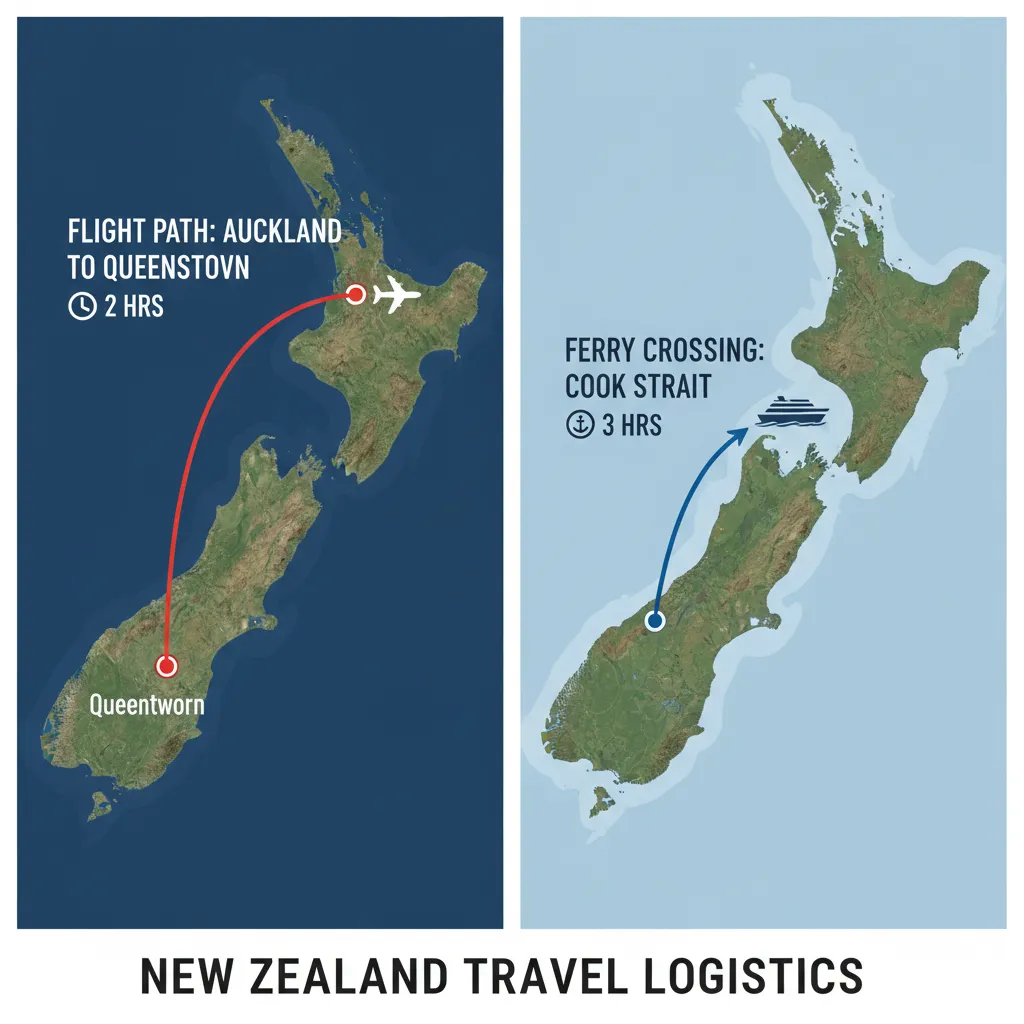
The Interislander and Bluebridge Option
While flying is faster, the ferry services (Interislander and Bluebridge) offer a different utility. If you are located in Wellington and Picton/Blenheim, the ferry is your primary connector. However, for those further afield, the ferry is best utilized for longer stays where bringing a vehicle is necessary.
Bringing a car allows for a different kind of visit—road trips and camping—which can reduce accommodation costs. However, be wary of weather-related cancellations in the Cook Strait, which are more frequent than airport closures and can disrupt planned weekends abruptly.
Digital Intimacy: Communication Tools and Schedules
When physical touch is unavailable, communication becomes the lifeline of the relationship. However, a common pitfall in long distance relationship advice NZ guides is the suggestion to communicate constantly. Constant texting can lead to burnout and a lack of meaningful conversation. Instead, focus on intentionality.
Synchronous vs. Asynchronous Communication
New Zealand does not suffer from time zone differences (unless one partner is in the Chatham Islands, which is only 45 minutes ahead), meaning synchronous communication is easier than international LDRs. However, work schedules often conflict. Establish a routine that respects individual careers:
- The “Good Morning” Ritual: A consistent start to the day anchors the relationship.
- Scheduled Video Dates: Treat a Zoom or FaceTime call as a real date. Do not multitask. Sit down, have a drink or a meal, and engage fully.
- Shared Experiences: Use tools like Teleparty (formerly Netflix Party) to watch shows simultaneously. Gaming together or even listening to the same podcast and discussing it can simulate the feeling of shared leisure time.
Investing in Infrastructure
Nothing kills the mood faster than a lagging video connection. Ensure both partners have access to high-speed fibre internet. In rural NZ locations where fibre might not be available, investigate Starlink or 4G/5G wireless broadband solutions to ensure that your video calls are crisp and interruption-free. The investment in technology is an investment in your emotional connection.
Making Moments Count: Planning Quality Time
When you finally navigate the logistics and arrive in your partner’s city, there is a temptation to spend the entire weekend on the couch. While downtime is essential, maximizing the value of your visits strengthens the bond.
The “Tourist in Your Own Town” Approach:
One partner is the host, and the other is the guest. Rotate the responsibility of planning one “hero” activity for the weekend. This could be a hike in the Waitakere Ranges, a wine tour in Central Otago, or visiting Te Papa in Wellington. Creating new memories prevents the relationship from feeling stagnant or purely administrative.

Domestic Duties Balance:
If one partner always hosts, they may feel the burden of cleaning, grocery shopping, and changing sheets. The visiting partner should actively contribute to the household maintenance during their stay. This not only alleviates stress but also simulates what living together will eventually look like.
Legal Considerations for Kiwi Couples
In the context of New Zealand Family Law, long-distance relationships can still carry significant legal weight. It is a common misconception that you must live under the same roof 24/7 to be considered in a “de facto” relationship.
Understanding De Facto Status
Under the Property (Relationships) Act 1976, a de facto relationship exists when two people live together as a couple. While “living together” is a key component, the courts look at the nature of the relationship, the degree of financial interdependence, and the public reputation of the partnership. If you spend significant time at each other’s residences and intermingle your finances, you may be moving toward a de facto status.
Generally, the equal sharing of relationship property applies after three years. However, for long-distance couples planning to move in together, it is vital to discuss a Contracting Out Agreement (often called a pre-nup) before the move. This is particularly important if one partner is selling a home in one region to buy into a market in another region with the partner. Protecting pre-relationship assets is a prudent step that removes financial anxiety from the romantic equation.
For more detailed information on relationship property division, you can refer to the New Zealand Ministry of Justice guidelines.
Closing the Gap: Moving Cities in Aotearoa
The ultimate goal of most long-distance relationships is to close the gap. In New Zealand, this often involves a significant lifestyle shift, such as moving from a major metropolitan centre like Auckland to a regional hub like Nelson or Tauranga, or vice versa.
Employment and Housing Markets
Relocation requires pragmatic planning regarding the job market and housing. The housing market varies wildly between regions. A salary that affords a comfortable lifestyle in Invercargill may not stretch as far in Wellington. Before moving:
- Test the Waters: Try to arrange a “work from home” week from your partner’s city to see how the daily rhythm feels.
- Job Scarcity: Be realistic about employment opportunities. Some industries (tech, finance) are concentrated in Auckland and Wellington, while others (agriculture, tourism) are regional.
- Social Network: The partner moving is leaving their support network behind. The hosting partner must be proactive in integrating them into their social circle to prevent isolation.
Setting a Timeline
Ambiguity is the enemy of long-distance resilience. You need a target date. Whether it is “six months” or “after graduation,” having a concrete end date for the distance phase provides a psychological finish line that makes the difficult moments bearable.
Maintaining Individual Identity While Apart
One of the hidden benefits of a long-distance relationship is the ability to maintain a high degree of independence. In a small country like New Zealand, it is easy to become enmeshed in a partner’s life. Distance forces you to cultivate your own hobbies, friendships, and career goals.
Use the time apart to pursue personal growth. If you are in Auckland and your partner is in Christchurch, use your weekends alone to advance your education, train for a marathon, or engage in community service. This ensures that when you do close the gap, you are bringing two whole, fulfilled individuals into the union, rather than two people who are desperately dependent on one another for happiness.

Furthermore, maintaining independence helps mitigate the pressure placed on the relationship. If your partner is your only source of emotional support, the distance will feel unbearable. By diversifying your emotional portfolio with friends, whānau, and personal passions, the relationship becomes a source of joy rather than a lifeline.
Frequently Asked Questions
How often should long distance couples visit each other in NZ?
Ideally, inter-island couples should aim to visit every 3 to 4 weeks. This frequency balances the financial cost of domestic travel with the need for physical connection. However, this depends on budget and work flexibility.
Is it cheaper to fly or take the ferry for long distance visits?
For individuals, flying via Air New Zealand or Jetstar is usually cheaper and significantly faster if booked in advance. The Interislander or Bluebridge ferry is generally more cost-effective only if you are bringing a vehicle or moving belongings.
How do I handle the “moving in” conversation?
Start by discussing timelines and career opportunities in each respective city. It is crucial to also discuss finances and legal agreements (like a Contracting Out Agreement) before one partner relocates, especially if assets are involved.
What are the best apps for long distance couples?
Beyond standard video calling, apps like Paired (for relationship questions), Teleparty (for watching movies together), and specialized calendar apps like TimeTree help synchronize schedules and maintain emotional intimacy.
Can a long distance relationship be considered de facto in NZ?
Typically, you must live together to be de facto. However, the courts consider the totality of the relationship. If you spend significant periods living in each other’s homes and share finances, you may be approaching a threshold where relationship property laws apply.
How do we handle jealousy in a long distance relationship?
Trust is paramount. Combat jealousy through transparency—share your schedule, introduce your partner to your local friends via video, and maintain consistent communication to reassure your partner of their priority in your life.
Navigating a long-distance relationship in New Zealand requires a blend of romantic commitment and logistical precision. By managing travel costs effectively, utilizing technology to bridge the emotional gap, and planning for a shared future, you can turn the challenge of distance into a testament to your relationship’s strength. For more insights on navigating modern relationships, consider reading resources from Consumer NZ regarding travel rights and financial planning.