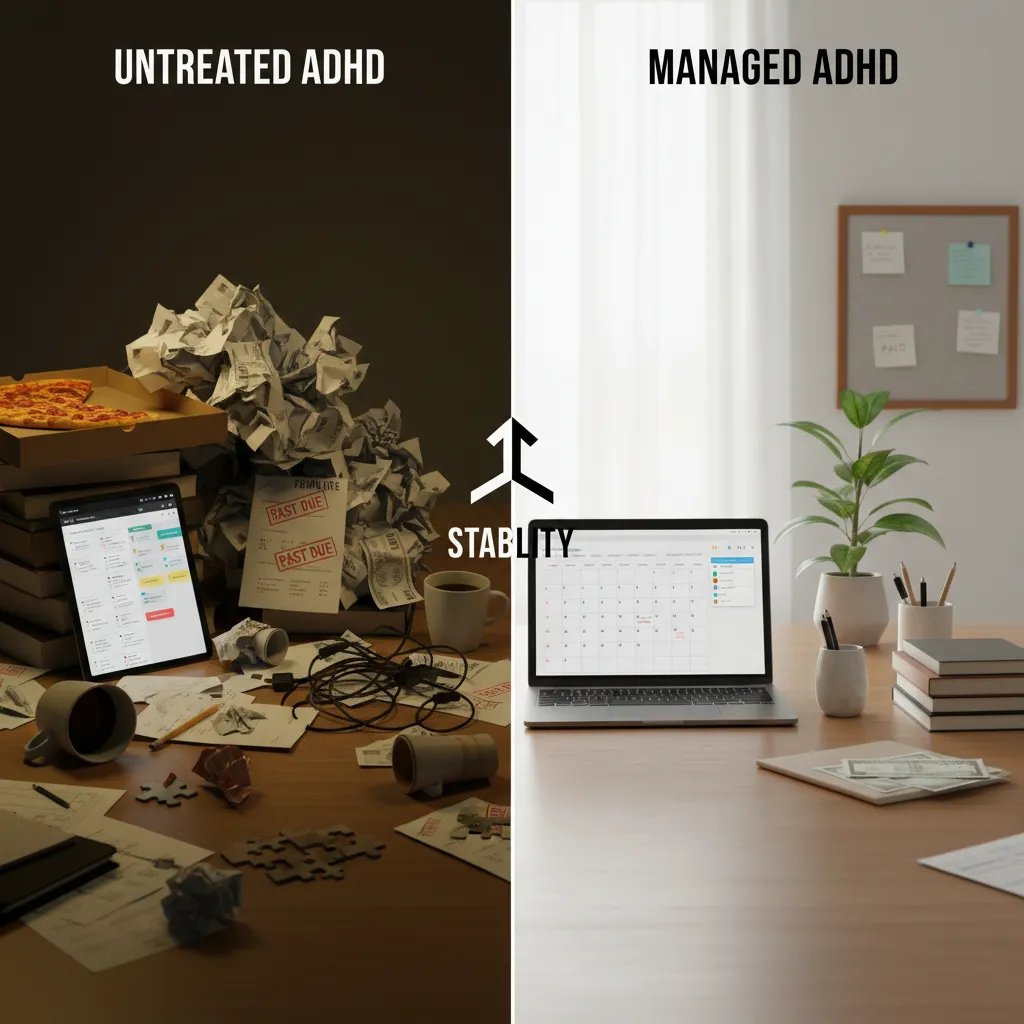
An autism custody schedule is a specialized parenting plan designed to accommodate the unique neurocognitive needs of children on the spectrum. Unlike standard arrangements, these schedules prioritize predictability, minimize sensory-disruptive transitions, and often utilize a ‘home base’ model to prevent regression and sensory overload, ensuring the child’s psychological safety over rigid parental equality.
Understanding the Autistic Brain in Divorce
Divorce is a traumatic event for any family, but for a child on the autism spectrum, the dismantling of the family unit is not just an emotional loss—it is a catastrophic disruption of their known universe. In the context of New Zealand family law, and indeed globally, the prevailing wisdom often leans toward a presumption of shared care. However, when neurodiversity is part of the equation, standard assumptions must be re-evaluated.
Children with Autism Spectrum Disorder (ASD) rely heavily on sameness and routine to navigate a world that often feels chaotic and overwhelming. Their nervous systems are wired differently; they do not filter sensory input the way neurotypical children do. Consequently, the logistical upheaval of moving between two homes is not merely an inconvenience—it can be a direct assault on their ability to self-regulate.
When crafting an autism custody schedule, parents and legal professionals must shift their focus from “parental rights” to the “neuro-stability of the child.” This requires a deep understanding of executive function deficits, sensory processing disorder (SPD), and the intense anxiety that accompanies unexpected change.
Why Standard 50/50 Week-About Schedules May Fail
In many high-conflict divorce scenarios, a 50/50 “week-about” schedule (7 days with Mum, 7 days with Dad) is viewed as the default equitable solution. While this satisfies the parents’ desire for equal time, it is frequently disastrous for an autistic child. The concept of “fairness” to the parents should never supersede the child’s capacity to cope.
The failure of the 50/50 model in these cases usually stems from the loss of continuity. For a child with ASD, home is not just a building; it is a sensory ecosystem. It is the specific texture of the carpet, the hum of the refrigerator, the exact layout of the toys, and the smell of the laundry detergent. When a child is uprooted every seven days, they spend the first three days of the week decompressing and re-orienting to the new environment, two days functioning well, and the final two days in a state of “pre-transition anxiety.”
This cycle leaves the child in a perpetual state of fight-or-flight, often resulting in:
- Behavioral Regression: Loss of toilet training, increased stimming, or return to baby-talk.
- School Refusal: The child has no energy left for academic coping.
- Meltdowns: Intense emotional outbursts due to sensory exhaustion.
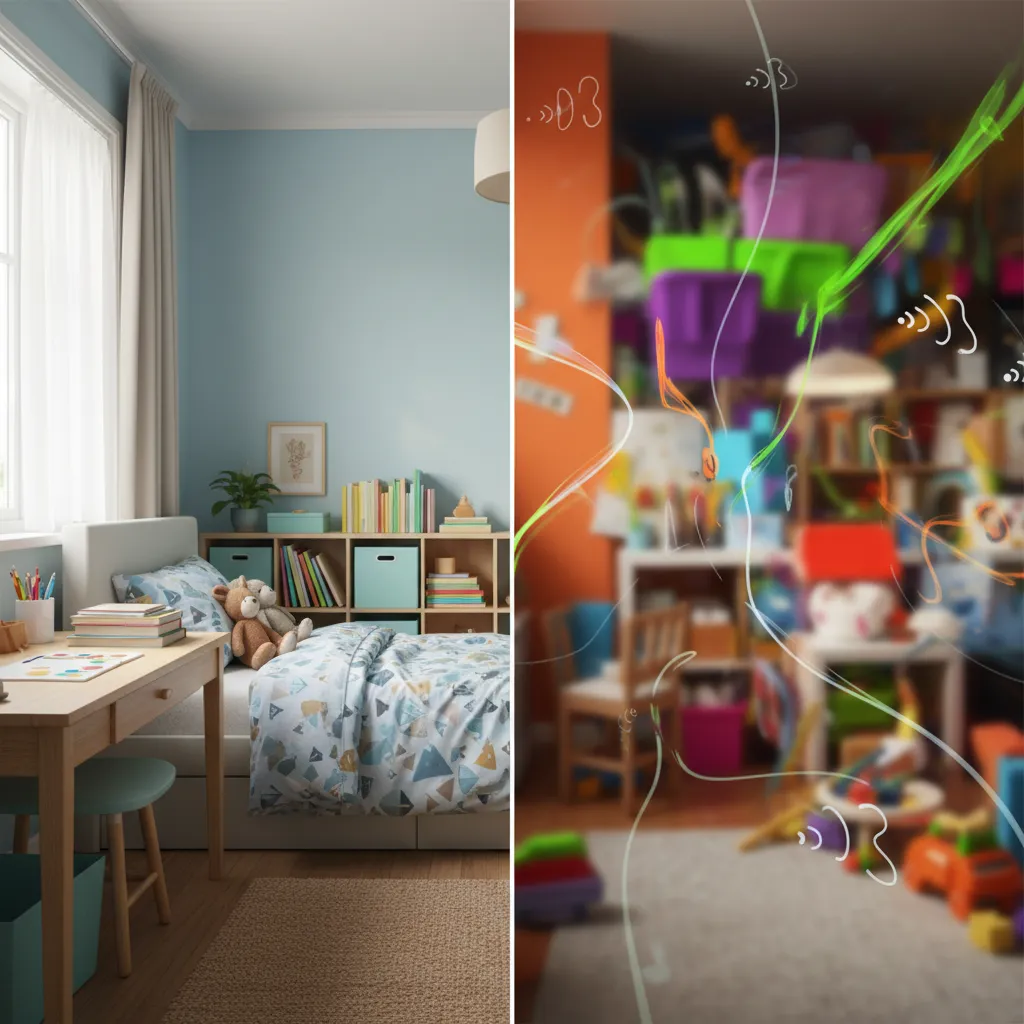
The ‘Medical Home’ Concept: Stability Over Equality
To mitigate the damage of constant upheaval, many child psychologists and specialists advocate for the “Medical Home” or “Home Base” concept. This does not imply that one parent is superior or that the other parent loses their rights. Rather, it suggests that the child requires one primary anchor point to thrive.
In a Home Base arrangement, the child sleeps in one location for the majority of the time (e.g., Monday through Friday or 10 days out of 14), while the other parent has frequent, consistent contact that may be shorter in duration but high in quality. This allows the child to maintain a “secure base” from which they can explore the world.
This approach aligns with the Autism New Zealand guidelines and general psychological consensus that prioritizes the reduction of anxiety. By keeping the school week stable in one environment, the child can focus their limited cognitive energy on learning and socialising, rather than constantly tracking where they will sleep that night.
Sensory Processing and the Environment
Sensory Processing Disorder (SPD) is a frequent comorbidity of autism. It means the brain has trouble receiving and responding to information that comes in through the senses. In the context of custody, this is often where high-conflict divorces explode. One parent may claim the child is “fine” at their house, while the other reports severe meltdowns upon return. This is often not manipulation; it is the “coke bottle effect.”—the child holds it together under stress (shaking the bottle) and explodes when they return to their safe space (opening the cap).
When designing an autism custody schedule, you must audit both homes for sensory compatibility:
- Lighting: Are both homes using similar lighting? Fluorescent lights can be physically painful to some autistic children.
- Dietary Consistency: If the child is on a gluten-free or casein-free diet, or has extreme texture aversions, both households must adhere to this strictly. Inconsistency in diet can lead to physical discomfort and behavioral spikes.
- Sleep Hygiene: Autistic children often struggle with melatonin production. If one home allows late nights and screens while the other has a strict routine, the child’s circadian rhythm—and their behavior—will suffer.
Managing Transitions and Transition Objects
The most dangerous time in an autism custody schedule is “The Transition”—the physical movement from Parent A to Parent B. Transitions require a shift in cognitive set, which is a known deficit in the autistic brain. To manage this, the schedule should minimize the number of transitions, even if the total time spent with parents remains similar.
The Role of Transition Objects
A “Transition Object” acts as a psychological bridge between the two environments. This is more than just a teddy bear; it is a portable piece of safety. This could be:
- A specific weighted blanket that travels back and forth.
- An iPad with a specific playlist or game used only during the car ride.
- A visual timer that counts down the time until the exchange.
Parents in high-conflict situations often weaponize these objects (“You forgot to send the blanket back!”). However, for the child’s sake, duplicate items should be purchased where possible, or a strict protocol for the “travel bag” must be written into the court order.

Educating the Court on Sensory Overload
Family Court judges and lawyers are legal experts, not neuroscientists. In New Zealand and other jurisdictions, the “best interests of the child” is the paramount consideration (e.g., under the Care of Children Act 2004). However, the court often defaults to the idea that “more time with both parents equals better outcomes.” You must provide evidence to the contrary regarding neurodiverse children.
To successfully argue for a specialized autism custody schedule, you cannot rely on anecdotal complaints about the other parent. You need data. This involves:
- Occupational Therapy (OT) Reports: Have an OT assess the child’s sensory needs and provide a professional opinion on how frequent transitions impact their regulation.
- The Incident Log: Keep a factual, non-emotional log of the child’s behavior pre- and post-transition. Note sleep disturbances, self-harm, or aggression.
- Expert Witness Testimony: In high-stakes cases, a child psychologist specializing in autism can explain why a 2-2-3 schedule might be psychologically damaging.
According to research published by the National Institutes of Health (NIH), children with neurodevelopmental disorders require higher levels of consistency to maintain developmental trajectories. Citing such authoritative sources can help sway a judge away from a generic split and toward a tailored plan.
Creating an Autism-Friendly Parenting Plan
If a 50/50 week-about is unsuitable, what are the alternatives? Here are three structures often successful for autistic children:
1. The Weekend/Midweek Model
The child resides with the primary parent (who manages the school routine) during the week. The other parent has the child on alternate weekends and perhaps one evening for dinner during the week. This preserves the school routine while maintaining a bond with both parents.
2. The Two-Week Loop
For older autistic children who can handle longer separations, a 10/4 split (10 days with Parent A, 4 days with Parent B) can work. This reduces the number of transitions per month significantly compared to a weekly switch.
3. Birdnesting (The Nest)
In this arrangement, the child stays in the family home 100% of the time, and the parents rotate in and out. While excellent for the child’s sensory stability, this is often difficult to sustain in high-conflict divorces due to the need for shared household management.
Ultimately, the “best” schedule is one that results in a regulated, happy child. If the current schedule is causing distress, it is not a failure of the child; it is a failure of the schedule. Flexibility and a willingness to adapt the plan as the child matures are essential components of successful co-parenting with autism.
People Also Ask
What is the best custody schedule for a child with autism?
There is no single “best” schedule, but research suggests that schedules with fewer transitions and a consistent “home base” generally work better than frequent 50/50 rotations. A schedule that maintains a consistent school-week routine (e.g., Monday-Friday in one location) often reduces anxiety and sensory overload.
Can a judge deny 50/50 custody because of autism?
Yes. While courts generally favor shared care, the “best interests of the child” standard allows judges to deviate from 50/50 if evidence shows that frequent transitions are detrimental to the child’s health or development due to their neurodivergent needs.
How do I prove my autistic child is struggling with the current schedule?
Documentation is key. Utilize logs of behavioral regressions (meltdowns, sleep issues, toileting accidents) specifically occurring around transition times. Reports from teachers, Occupational Therapists, and psychologists carry significant weight in court.
What is a “step-up” parenting plan for autism?
A step-up plan is a gradual increase in visitation time. It allows an autistic child to slowly acclimate to a new environment or a parent they haven’t seen in a while, starting with short visits and gradually moving to overnights as the child’s comfort level increases.
How should parents handle different rules in two homes for an autistic child?
Consistency is crucial for autistic children. While parents don’t need identical parenting styles, core structures—such as bedtimes, screen time limits, and dietary restrictions—should be harmonized to prevent confusion and behavioral outbursts.
What are transition objects and why are they important?
Transition objects are items (like a blanket, toy, or tablet) that travel with the child between homes. They provide a sense of continuity, safety, and sensory regulation during the stressful period of moving from one environment to another.