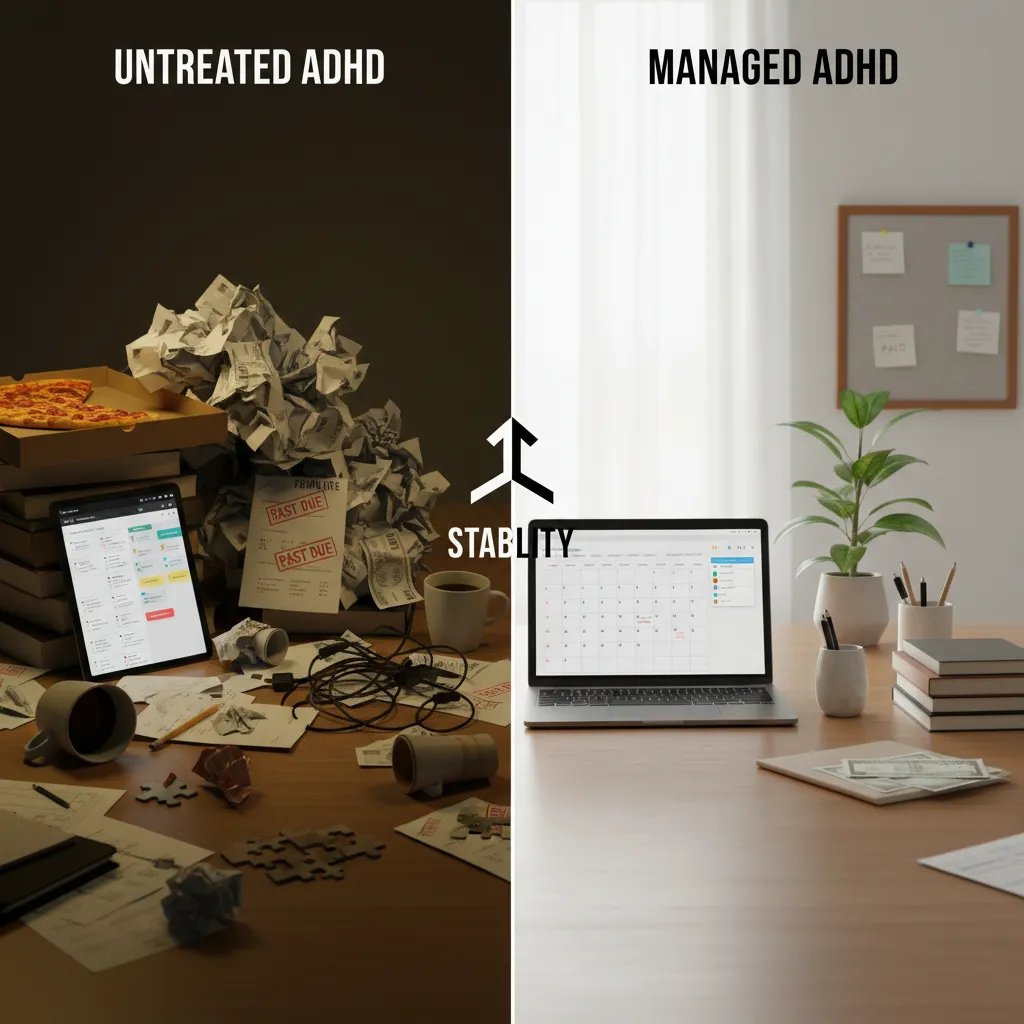
Disability discrimination in Family Court NZ refers to the systemic disadvantage faced by neurodivergent parents when judicial processes fail to accommodate conditions like ASD or ADHD. This often manifests as the misinterpretation of neurodivergent traits—such as communication differences or executive dysfunction—as non-compliance, lack of empathy, or parental incompetence under the Care of Children Act 2004.
Understanding Neurodiversity in the Legal Context
The New Zealand Family Court system is designed to prioritize the welfare and best interests of the child. However, for parents who identify as neurodivergent—including those with Autism Spectrum Disorder (ASD), Attention Deficit Hyperactivity Disorder (ADHD), Dyslexia, or processing disorders—the court environment can become a landscape of inadvertent bias and structural barriers. While overt discrimination is legally prohibited, subtle forms of disability discrimination in Family Court NZ often persist through a lack of understanding regarding how neurodivergent brains process information, regulate emotion, and communicate under stress.
Neurodiversity is not a mental illness; it is a variation in the human brain regarding sociability, learning, attention, mood, and other mental functions. In a legal setting, the rigid expectations of how a “credible” witness should behave—maintaining eye contact, answering rapidly, and displaying “appropriate” emotional affect—can inherently disadvantage neurodivergent individuals. When a parent fails to conform to these neurotypical norms, they risk being unfairly labeled as evasive, aggressive, or indifferent, which can have devastating consequences on custody and guardianship rulings.

The Risk of Misinterpreting Traits as Non-Compliance
One of the most significant sources of disability discrimination in Family Court NZ is the misinterpretation of neurodivergent traits as behavioral flaws or parenting deficits. Judges, lawyers, and social workers who lack specialized training may view symptoms of a disability as willful non-compliance or character defects.
The Flat Affect and Perceived Lack of Empathy
Individuals with ASD often display a “flat affect,” meaning their facial expressions may not match the emotional intensity of their words or the situation. In a high-stakes custody hearing, a judge might expect a parent to weep or show visible distress when discussing separation from their child. If a neurodivergent parent presents calmly or stoically due to their neurological makeup, this can be erroneously interpreted as a lack of attachment or empathy toward the child. This is a fundamental misunderstanding of autistic communication, yet it can heavily influence judicial discretion regarding care arrangements.
Executive Dysfunction vs. Negligence
ADHD is characterized by executive dysfunction, which impacts organization, time management, and working memory. In the context of Family Court, this can lead to missed filing deadlines, lateness to mediation, or disorganized paperwork. Without a lens of disability accommodation, these behaviors are frequently framed as “parental negligence” or a lack of commitment to the legal process. Instead of recognizing a disability that requires administrative support or reminders, the system may penalize the parent, viewing them as unreliable guardians.
Meltdowns vs. Aggression
Sensory overload or extreme stress can trigger meltdowns in neurodivergent individuals. In a courtroom or high-conflict mediation, if a parent becomes overwhelmed and raises their voice or shuts down completely, this is often documented as “aggression” or “emotional instability.” In the niche of high-conflict divorce, these moments are often weaponized by the opposing party to paint the neurodivergent parent as dangerous, when in reality, they are experiencing a neurological response to an inaccessible environment.
Systemic Barriers and Procedural Discrimination
Discrimination is not always about the outcome of a judgment; often, it is embedded in the procedure itself. The Family Court process in New Zealand is heavy on written affidavits, complex legal jargon, and high-pressure verbal cross-examination. These elements constitute systemic barriers for many.
For a parent with auditory processing disorder or slow processing speed, the rapid-fire nature of cross-examination is a nightmare. They may need time to process a question before answering. However, pauses are often viewed by counsel and the judiciary as the witness “concocting a lie” rather than processing the truth. Furthermore, the physical environment of the court—often utilizing fluorescent lighting and echoing acoustics—can be physically painful for those with sensory processing sensitivities, reducing their ability to advocate for themselves effectively.
The Intersection of High-Conflict Divorce and Neurodivergence
In the realm of high-conflict divorce psychology, neurodivergence adds a layer of complexity that is frequently exploited. If one parent is neurotypical and the other is neurodivergent, the neurotypical parent may use the court system to highlight the “deficits” of the other. This is common in cases involving allegations of parental alienation or where one partner exhibits narcissistic traits.
The neurodivergent parent’s need for routine and structure can be framed as “rigid” or “controlling.” Their intense interests can be framed as “obsessive” and detracting from parenting time. Without a sophisticated understanding of neurodiversity, the court may inadvertently side with the parent who presents better socially (the neurotypical parent), thereby facilitating a form of state-sanctioned ableism. It is crucial for legal teams to reframe these traits not as dangers, but as differences that, when supported, do not impede the ability to parent effectively.

Legal Protections: The Human Rights Act and NZBORA
Despite the challenges, robust legal frameworks exist to protect against disability discrimination in Family Court NZ. The New Zealand Bill of Rights Act 1990 (NZBORA) and the Human Rights Act 1993 explicitly prohibit discrimination on the grounds of disability. This includes discrimination by the state and its agencies, which encompasses the judiciary.
Under these acts, the court has a duty to ensure natural justice. Natural justice cannot be served if a participant cannot fully understand the proceedings or participate effectively due to a lack of accommodation. This means that requests for reasonable accommodations—such as regular breaks, written instructions instead of verbal ones, or the support of a lay assistant—are not just courtesies; they are rights grounded in New Zealand administrative law. For more detailed information on human rights in New Zealand, you can refer to the New Zealand Human Rights Commission.
The Role of Section 133 Reports and Expert Witnesses
In many Family Court cases, the judge will order a psychological report under Section 133 of the Care of Children Act 2004. The writer of this report holds immense power, as judges heavily rely on their recommendations regarding custody and access.
The danger arises when the appointed psychologist is not versed in neurodiversity. A standard psychological evaluation might interpret autistic traits through a pathological lens. For example, an autistic parent’s difficulty with social reciprocity might be misdiagnosed as a personality disorder. It is a critical strategy for neurodivergent parents to request that the Section 133 report writer has specific expertise in adult neurodiversity. If a report comes back biased, it can be challenged, but this is an expensive and difficult process. Proactive advocacy regarding the selection of the expert is essential.
Recent Case Law and Judicial Trends
While specific Family Court judgments are often suppressed to protect the identity of the children, appellate decisions and practice notes indicate a shifting tide. There is a growing recognition within the New Zealand judiciary that “one size does not fit all.”
Recent discussions in legal circles have highlighted the need for the “Bench Book”—a guide used by judges—to include more comprehensive sections on recognizing and accommodating neurodivergence. We are seeing more counsel raising arguments based on the United Nations Convention on the Rights of Persons with Disabilities (UNCRPD), to which New Zealand is a signatory. Article 13 of the UNCRPD specifically mandates access to justice for persons with disabilities on an equal basis with others.
Judges are increasingly willing to allow “communication assistants” in the courtroom. These are professionals who help the neurodivergent person understand what is being asked and help the court understand the person’s answer, bridging the neurological gap. This is a positive step away from disability discrimination in Family Court NZ and toward a more equitable system.
Advocating for Accommodations and Judicial Education
To combat disability discrimination in Family Court NZ, proactive advocacy is required from the very start of proceedings. Waiting for the court to notice a disability is a failing strategy. Instead, litigants and their lawyers must declare the neurodivergence early and file specific memoranda requesting accommodations.
Checklist for Advocacy:
- Disclosure: Clearly state the diagnosis in initial affidavits, supported by medical evidence.
- Specific Requests: Do not just say “I have ADHD.” Say, “Because of my ADHD, I require all court directions to be provided in writing within 24 hours of a hearing.”
- Support Persons: Apply for a McKenzie Friend or a lay support person to sit beside the litigant to assist with emotional regulation and note-taking.
- Scheduling: Request hearings to be scheduled at times that accommodate medication schedules or avoid peak fatigue times.
Ultimately, the solution lies in better judicial education. Organizations like the New Zealand Law Society are pivotal in offering Continuing Professional Development (CPD) that trains lawyers and judges on the nuances of the neurodivergent mind. Until the system inherently understands that different brains function differently, the burden remains on the individual to fight for their right to a fair hearing.
People Also Ask
Can I claim disability discrimination against the NZ Family Court?
Yes, you can file a complaint if you believe you have faced discrimination. Complaints about a Judge’s conduct regarding bias or discrimination can be made to the Judicial Conduct Commissioner. However, this does not overturn a court decision; that requires an appeal through the legal system.
What accommodations can I ask for in Family Court for ADHD?
You can request regular breaks to maintain focus, written instructions to supplement verbal ones, permission to use fidget tools or noise-canceling headphones (when not being spoken to), and the presence of a support person to help with organization and note-taking.
Does a Section 133 report writer need to be an expert in autism?
Ideally, yes. While any registered psychologist can write the report, if a parent has autism, it is crucial to request a writer with specific clinical experience in Adult ASD to avoid misinterpretation of traits as parenting deficits.
How does the Human Rights Act protect parents in Family Court?
The Human Rights Act 1993 prohibits discrimination on the grounds of disability in the provision of services, which includes the administration of justice. This means the court must make reasonable adjustments to ensure you can participate effectively in the proceedings.
Can a communication assistant be used in NZ Family Court?
Yes. The courts are increasingly recognizing the role of Communication Assistants (intermediaries) to assist vulnerable witnesses or parties, including those with neurodivergence, to understand questions and communicate their answers accurately.
Is neurodivergence considered a risk factor in custody battles?
Neurodivergence itself is not a risk factor. However, unmanaged symptoms that impact the safety of a child can be considered. The court looks at the *effect* of the condition on parenting capacity, not the label itself.