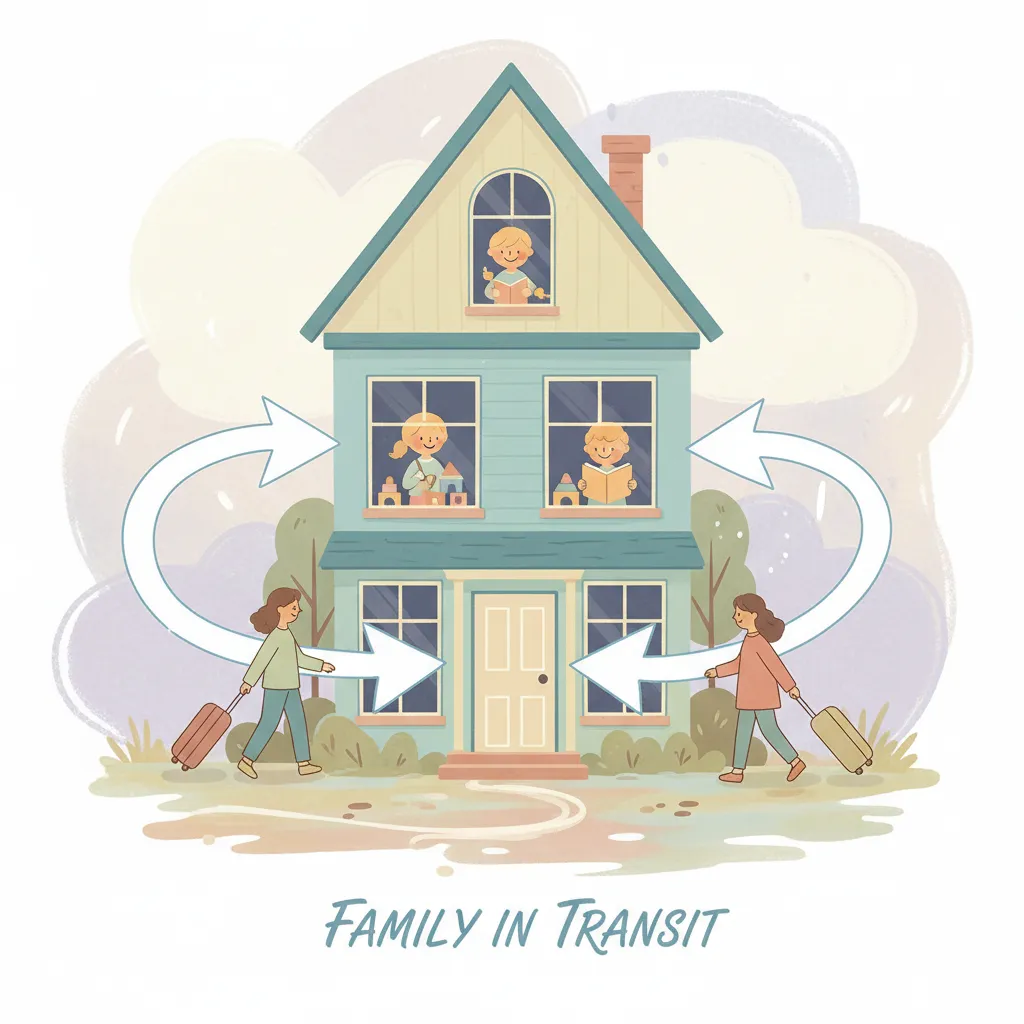

Parental alienation in NZ courts refers to a complex family dynamic where a child creates a strong alliance with one parent and unjustifiably rejects the other due to manipulation. The New Zealand Family Court assesses these cases under the Care of Children Act 2004, often treating severe alienation as a form of psychological abuse that requires intervention to protect the child’s welfare.
Navigating the New Zealand Family Court system during a high-conflict separation is one of the most stressful experiences a parent can endure. When a child begins to reject a parent without a valid reason, the situation escalates from a custody dispute to a psychological crisis. Parental alienation is not merely a disagreement between ex-partners; it is a behavioral phenomenon that can cause lasting emotional damage to children.
In New Zealand, the legal and psychological landscape surrounding this issue is evolving. While the term “Parental Alienation Syndrome” (PAS) is debated in clinical circles, the behaviors associated with alienation are recognized by the Family Court as a significant risk to a child’s safety and well-being. This guide explores how New Zealand law addresses these dynamics, the crucial difference between alienation and estrangement, and the remedies available to targeted parents.
Understanding Parental Alienation in the New Zealand Context
Parental alienation involves a set of strategies typically used by one parent (the alienating parent) to distance a child from the other parent (the targeted parent). This process involves the systematic denigration of the targeted parent, aimed at severing the bond between that parent and the child. In the context of New Zealand law, this is increasingly viewed through the lens of the Care of Children Act 2004 (CoCA).
Under the Act, the welfare and best interests of the child are the paramount consideration. New Zealand courts have moved away from strictly labeling cases as “PAS” and instead focus on the resist/refuse dynamics. The court looks at whether the child’s rejection is proportionate to the targeted parent’s behavior. If the rejection is irrational and fueled by the other parent’s influence, it falls under the umbrella of alienation.
It is critical to understand that alienation is often subtle. It may not always involve shouting or obvious bad-mouthing. It can manifest as sad looks when the child leaves for contact, excessive calling during the other parent’s time, or empowering the child with adult choices they are not developmentally ready to make (e.g., “You don’t have to go if you don’t want to”).

Distinguishing Alienation from Justifiable Estrangement
One of the most critical tasks for the Family Court and appointed psychologists is distinguishing between alienation and estrangement. While the result—a child refusing contact—looks the same, the root causes are diametrically opposite.
Justifiable Estrangement
Estrangement occurs when a child rejects a parent for a valid, realistic reason. This is a protective response to actual experiences such as:
- Physical or emotional abuse.
- Neglect or substance abuse issues.
- Domestic violence witnessed by the child.
- Poor parenting skills or a lack of emotional attunement.
In cases of estrangement, the child’s rejection is a rational reaction to the parent’s harmful behavior. The New Zealand Family Court takes allegations of violence very seriously, and if safety concerns are validated, the court will restrict contact to protect the child.
Parental Alienation
Alienation, conversely, lacks a valid basis. The child’s rejection is disproportionate to the targeted parent’s history. The child may cite trivial reasons for hating the parent (e.g., “He makes me eat vegetables” or “She doesn’t let me play video games all night”). In alienation scenarios, the child often adopts the language and grievances of the alienating parent—phrases that are not age-appropriate.
For a deeper understanding of family law principles, the New Zealand Ministry of Justice provides resources on how the Care of Children Act is applied to ensure child safety.
How NZ Courts View Alienation Claims
The New Zealand Family Court does not treat parental alienation as a criminal offense, but it does view it as a serious welfare issue. In severe cases, the court acknowledges that alienating behaviors constitute psychological abuse. This is because the alienating parent is effectively depriving the child of a loving relationship with half of their identity.
When an alienation claim is raised, the court typically relies on expert evidence. This usually involves:
- Lawyer for Child: An independent lawyer appointed to represent the child’s interests (not necessarily their views, especially if those views are deemed manipulated).
- Specialist Report Writers (Section 133 Reports): Psychologists appointed under Section 133 of the Care of Children Act to assess the psychological health of the family. These experts interview parents, children, and sometimes teachers to determine if the resistance to contact is genuine or induced.
Judges in New Zealand are cautious. They are wary of the “alienation” label being weaponized by abusive parents to deflect from their own behavior. Therefore, the court requires a pattern of evidence showing that one parent is actively undermining the child’s relationship with the other.
Psychological Signs a Child is Being Alienated
Psychologists and legal professionals in New Zealand look for specific markers that indicate a child is being alienated rather than estranged. These markers, originally identified by Dr. Richard Gardner and refined by modern psychology, include:
1. The Campaign of Denigration
The child is obsessed with hating the targeted parent. They speak about the parent with intense malice, often mimicking the alienating parent’s tone and vocabulary.
2. Weak or Absurd Rationalizations
When asked why they refuse to see the parent, the child offers flimsy excuses. A child might say they never want to see their father again because he once chewed with his mouth open, or they hate their mother because she grounded them once.
3. Lack of Ambivalence
This is a key differentiator. In normal relationships, even strained ones, children have mixed feelings (ambivalence). They might be mad at a parent but still love them. Alienated children view the world in black and white: the alienating parent is “all good” (saintly), and the targeted parent is “all bad” (evil).
4. The “Independent Thinker” Phenomenon
The child adamantly insists that the decision to reject the parent is entirely their own, often using scripted language such as “It’s my choice” or “Nobody told me to say this.” This pre-emptive defense is a hallmark of manipulation.
5. Reflexive Support of the Alienating Parent
In any conflict between parents, the child automatically sides with the alienating parent, regardless of the facts or fairness of the situation.

Legal Remedies and Reunification Therapy
If the Family Court determines that alienation is occurring, there are several remedies available, ranging from therapeutic interventions to drastic changes in custody.
Therapeutic Intervention and Counselling
In mild to moderate cases, the court may order counselling for the child and parents. The goal is to improve communication and address the underlying conflict. However, traditional therapy often fails in severe alienation cases because the alienating parent may sabotage the process, or the child may refuse to engage.
Reunification Therapy
Specific reunification programs are designed to repair the damaged relationship. These are often court-ordered and require the cooperation of both parents. In New Zealand, the availability of specialized reunification therapists is limited, but the court can direct parties to specific providers.
Change of Parenting Order (Reversal of Custody)
In severe cases where the alienating parent refuses to change their behavior and the child’s psychological welfare is at risk, the court may order a change of care. This involves removing the child from the alienating parent and placing them in the primary care of the targeted parent. This is a “last resort” remedy in New Zealand, used when the court believes the alienating parent is incapable of facilitating a relationship with the other parent.
According to high-conflict separation literature, a protective separation period (where the child has no contact with the alienating parent for a set time) is often necessary during this transition to allow the child to deprogram and re-establish the bond with the targeted parent.
Gathering Evidence and Documentation
For a targeted parent in New Zealand, proving alienation requires meticulous documentation. The court deals in facts, not feelings. Essential strategies include:
- Keep a Diary: Record every interaction, denied visit, and disparaging comment reported by the child. Note dates, times, and witnesses.
- Communication Logs: Save all texts, emails, and social media messages. Look for patterns where the other parent interferes with contact or refuses to coparent.
- School and Medical Records: Ensure you are listed on school and medical databases. If the other parent tries to remove you or hide information, this is evidence of their attempt to exclude you.
- Witness Statements: Affidavits from independent third parties (teachers, coaches, neighbours) who have witnessed the child’s interaction with you or the other parent’s interference.
The Long-Term Impact on Children
It is vital to remember that the primary victim of parental alienation is the child. The psychological scars can last a lifetime. Research indicates that adults who were alienated as children often suffer from:
- Low self-esteem and self-hatred.
- Depression and anxiety.
- Difficulty trusting others and forming healthy relationships.
- Guilt and shame once they realize the reality of the situation later in life.
By intervening early through the Family Court, parents and legal professionals attempt to mitigate these long-term damages. For further reading on the psychological impacts, reputable sources like the New Zealand Psychological Society offer general information on child development and family dynamics.
Frequently Asked Questions
Does the NZ Family Court recognize parental alienation?
Yes, although they may not always use the label “Parental Alienation Syndrome”. The NZ Family Court recognizes the behaviors associated with alienation—specifically the unjustified rejection of a parent due to manipulation—as a significant welfare issue and often as a form of psychological abuse under the Care of Children Act 2004.
Can a mother lose custody for parental alienation in NZ?
Yes. If the court determines that a mother (or father) is persistently alienating the child and causing psychological harm, and if they are unable to facilitate a relationship with the other parent, the court can transfer primary care to the other parent. This is considered a measure of last resort.
How do you prove parental alienation in court?
Proving alienation requires a pattern of evidence. This includes detailed logs of denied contact, hostile communications, and independent observations. Crucially, it usually requires a Section 133 Specialist Report from a psychologist who can assess the family dynamics and the child’s reasons for rejection.
What is the difference between alienation and estrangement?
Estrangement is a child’s rejection of a parent due to a valid reason, such as abuse, neglect, or violence. Alienation is the rejection of a parent without a valid justification, usually resulting from the other parent’s manipulation or negative influence.
What is a Section 133 report in NZ?
A Section 133 report is a psychological or medical report ordered by the Family Court under the Care of Children Act. It provides an independent expert opinion on the child’s safety, welfare, and the psychological health of the family, which is critical in alienation cases.
Is parental alienation considered child abuse in New Zealand?
Yes, the New Zealand Family Court and legal professionals increasingly view severe parental alienation as a form of psychological abuse. It damages the child’s emotional development and deprives them of a relationship with a capable parent.