
Coping with separation in NZ involves navigating a complex landscape of grief, loss, and practical challenges, demanding resilience and proactive strategies for emotional well-being. It’s a significant life transition that profoundly impacts individuals and families, requiring tailored support to foster healing and facilitate the rebuilding of one’s life in Aotearoa.
Understanding the Emotional Landscape of Separation in NZ
Separation, whether from a long-term partner, spouse, or even a de facto relationship, represents a seismic shift in an individual’s life. In New Zealand, like anywhere else, this event is rarely without significant emotional repercussions. It’s not merely the end of a relationship but often the dissolution of a shared future, a home, and a core part of one’s identity. The initial shock can be overwhelming, quickly followed by a cascade of feelings that can include confusion, anger, sadness, guilt, and profound loneliness. Understanding that these emotions are a normal and natural part of the grieving process is the first step towards healing.
For many New Zealanders, separation also brings unique stressors related to the local context. Housing markets, employment opportunities, and family dynamics within a smaller, more interconnected society can amplify feelings of vulnerability. The cultural nuances around family and community support, particularly for Māori and Pasifika families, also play a significant role in how individuals experience and cope with relationship breakdowns. Acknowledging these specific pressures is crucial for developing effective coping mechanisms that resonate with the local experience.
Furthermore, separation often triggers a re-evaluation of one’s entire life. Goals, dreams, and established routines are disrupted, leading to a sense of disorientation. This period can feel like being adrift, without a clear map forward. The emotional toll can manifest physically, affecting sleep, appetite, and energy levels, and mentally, leading to anxiety, depression, or difficulty concentrating. Recognising these signs and understanding their origins in the separation process is vital for seeking appropriate support and beginning the journey towards recovery.
The Impact on Identity and Self-Worth
A significant aspect of the emotional toll of separation is the impact on an individual’s identity and self-worth. When a relationship ends, especially a long-term one, a person’s sense of self can become intertwined with their role within that partnership. The loss of a partner can feel like the loss of a part of oneself, leading to questions like, ‘Who am I without them?’ or ‘What is my purpose now?’ This can be particularly challenging for individuals who have prioritised their relationship or family unit above personal pursuits.
Feelings of rejection, failure, and inadequacy are common. Individuals may blame themselves for the relationship’s demise, even when circumstances were beyond their control. This internalised blame can erode self-esteem and make it difficult to envision a positive future. Rebuilding self-worth requires a conscious effort to rediscover personal strengths, interests, and values independent of the past relationship. It involves acknowledging that the end of a relationship does not diminish one’s inherent value as a person, but rather opens a path for personal growth and self-discovery. This journey is often gradual and requires patience and self-compassion, particularly in a society where relationship status can sometimes be mistakenly linked to personal success or happiness.

The Profound Impact of Grief and Loss
Separation is a form of significant loss, and as such, it triggers a grieving process akin to that experienced after a death. However, it can be complicated by the fact that the ‘lost’ person is still alive, potentially thriving, or even in a new relationship, which can make closure incredibly difficult. Understanding the stages of grief – denial, anger, bargaining, depression, and acceptance – can provide a framework for individuals in New Zealand to process their emotions, though it’s important to remember that grief is not linear, and people may cycle through these stages, or experience them out of order.
Managing Grief and Loss
Effectively managing grief and loss during separation involves acknowledging the pain rather than suppressing it. This means allowing oneself to feel sad, angry, or confused without judgment. Journaling can be a powerful tool for processing these complex emotions, providing a private space to express thoughts and feelings. Talking to trusted friends, family, or a counsellor can also offer validation and perspective, helping individuals to feel less isolated. Establishing new routines and rituals can also help to create a sense of stability and normalcy amidst the upheaval. This might involve starting a new hobby, committing to a daily walk, or dedicating time to activities that bring joy and a sense of purpose. It’s about consciously creating a new narrative for oneself, one that includes healing and growth. In New Zealand, many find solace in connecting with nature, whether it’s the bush, the beach, or the mountains, as a way to process emotions and find inner peace.
Practical Strategies for Navigating Emotional Distress
Beyond acknowledging emotions, developing practical strategies is essential for navigating the emotional distress of separation. This involves creating a supportive environment and establishing healthy boundaries to protect one’s mental and emotional energy. The period immediately following a separation is often chaotic, and regaining a sense of control over one’s life is paramount for healing.
Establishing New Routines and Boundaries
Establishing new routines is critical for restoring a sense of normalcy and structure. This can include setting regular sleep schedules, planning meals, and incorporating exercise into daily life. Routines provide predictability and can combat the feeling of being adrift. Simultaneously, setting healthy boundaries is crucial, especially if co-parenting or maintaining contact with an ex-partner is necessary. This might involve limiting communication to essential topics, agreeing on specific times for discussions, or clearly defining roles and responsibilities. Boundaries protect emotional space and prevent further emotional draining. Learning to say ‘no’ to demands that exceed one’s capacity, whether from the ex-partner, mutual friends, or even well-meaning family, is a vital skill. This empowers individuals to prioritise their own healing journey.
Rebuilding Social Networks
Separation can often lead to a feeling of social isolation, as mutual friends may feel conflicted, or existing social circles may shift. Actively rebuilding and strengthening social networks is a powerful coping strategy. This doesn’t necessarily mean seeking new romantic relationships immediately, but rather focusing on platonic connections. Reaching out to old friends, joining new clubs or groups, volunteering, or attending community events can create opportunities for new friendships and support systems. For New Zealanders, this might involve engaging with local sports clubs, cultural groups, or neighbourhood initiatives. The goal is to surround oneself with supportive individuals who uplift and understand, providing a sense of belonging and reducing feelings of loneliness. Human connection is a fundamental need, and fostering healthy social bonds is integral to emotional recovery.
Rebuilding Your Foundation Through Self-Care
Self-care during separation is not a luxury; it is a necessity for emotional, mental, and physical survival. It’s about consciously taking steps to nurture oneself through a period of immense stress and change. This holistic approach ensures that individuals have the energy and resilience to navigate the challenges ahead and rebuild a fulfilling life.
Prioritising Physical Well-being
The link between physical and mental health is undeniable. During separation, stress can take a heavy toll on the body. Prioritising physical well-being through adequate sleep, nutritious eating, and regular exercise is paramount. Sleep often suffers during times of stress, yet it is crucial for cognitive function and emotional regulation. Establishing a calming bedtime routine can help. Similarly, opting for wholesome, balanced meals provides the body with essential nutrients, boosting mood and energy. Exercise, whether it’s walking along a beach, hiking a New Zealand trail, or attending a local gym class, releases endorphins that act as natural mood lifters and stress reducers. Even small, consistent efforts can make a significant difference in managing emotional distress and building resilience.
Mindfulness and Stress Reduction Techniques
Mindfulness and various stress reduction techniques offer powerful tools for managing anxiety and overwhelming thoughts that often accompany separation. Practicing mindfulness involves focusing on the present moment, observing thoughts and feelings without judgment. Simple breathing exercises, guided meditations (many free apps are available), or even spending time mindfully in nature can help to calm the nervous system and create a sense of inner peace. Engaging in activities that promote relaxation, such as yoga, reading, listening to music, or creative pursuits like painting or gardening, can also serve as effective stress relievers. These practices provide a much-needed mental break from the intensity of emotions, allowing for greater clarity and emotional regulation. Regular engagement with these techniques can foster a more positive outlook and enhance overall well-being.

Seeking Professional and Community Support in New Zealand
While self-care and personal strategies are vital, the emotional toll of separation often necessitates external support. New Zealand offers various avenues for professional and community assistance, which can provide invaluable guidance, perspective, and a safe space for healing.
Therapy and Counselling
Engaging with a qualified therapist or counsellor can be one of the most effective ways to process the complex emotions associated with separation. Professionals can provide a safe, confidential space to explore feelings, develop coping mechanisms, and gain new perspectives. They can help individuals identify unhealthy thought patterns, navigate grief, and build resilience. In New Zealand, options include individual counselling, relationship counselling (which can still be beneficial during separation to facilitate constructive communication), and family therapy. Many workplaces offer Employee Assistance Programs (EAPs) that include free counselling sessions, and some organisations provide subsidised services. It’s important to find a therapist whose approach resonates with you and who understands the unique challenges of separation in the local context.
Legal Advice and Mediation in NZ
Beyond emotional support, navigating the legal aspects of separation is often a significant source of stress. Seeking early legal advice in New Zealand is crucial, especially regarding property division, financial matters, and arrangements for children. Lawyers specialising in family law can explain your rights and obligations under the Family Law Act 1980 and subsequent amendments. However, litigation can be adversarial and costly. Mediation offers an alternative, less confrontational approach, where a neutral third party helps separating couples reach mutually agreeable solutions. Organisations like Justice.govt.nz provide resources on family law and mediation services in New Zealand. This approach can be particularly beneficial for maintaining a civil relationship, especially when children are involved, focusing on future co-parenting rather than past grievances. Understanding the legal landscape can alleviate considerable anxiety and empower individuals to make informed decisions.
Support Groups and Community Resources
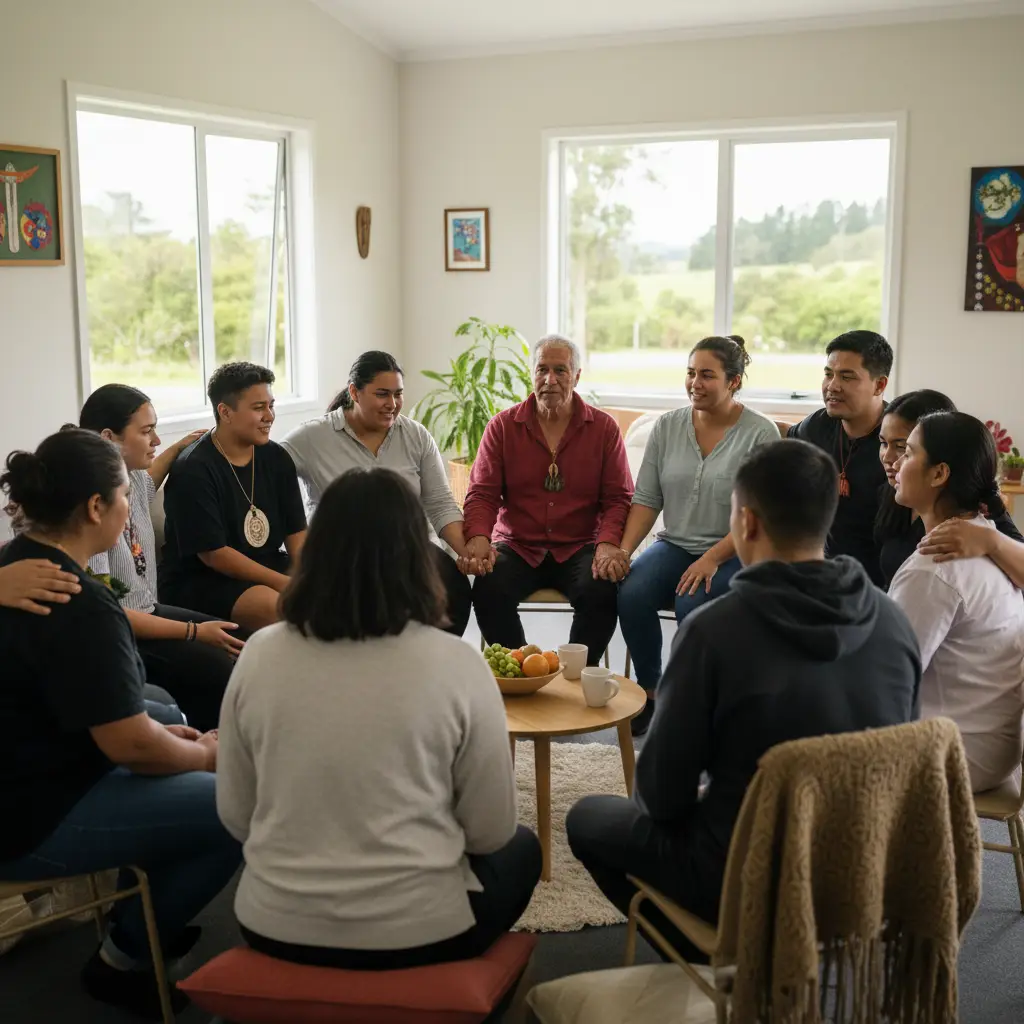
Connecting with others who are going through similar experiences can be incredibly validating and empowering. Support groups, both online and in-person, offer a space to share stories, receive empathy, and learn coping strategies from peers. Hearing that others share similar struggles can reduce feelings of isolation and normalise difficult emotions. In New Zealand, various community organisations and churches often run support groups for separated individuals. Additionally, online forums and social media groups dedicated to separation support in NZ can provide a sense of community. These platforms allow for sharing advice, practical tips, and emotional encouragement. Engaging with these resources can foster a sense of belonging and remind individuals that they are not alone on their journey of healing and rebuilding.
Navigating Separation with Children: A New Zealand Perspective
When children are involved, the emotional toll of separation becomes even more complex. Parents in New Zealand face the added challenge of protecting their children’s well-being while managing their own grief. The legal framework in NZ prioritises the best interests of the child, and understanding this is vital for co-parenting effectively.
Prioritising Children’s Needs and Co-parenting Strategies
The paramount consideration in any separation involving children is their well-being. Children often feel caught in the middle, experiencing their own grief, confusion, and fear. Parents in New Zealand are encouraged to shield children from adult disputes, avoid speaking negatively about the other parent, and reassure children that they are loved by both parents, and the separation is not their fault. Establishing stable routines, even if they differ between households, provides children with a sense of security. Open and honest communication, tailored to a child’s age and understanding, is crucial. For co-parenting, establishing clear communication channels, often through apps or mediation, can help manage logistics and decisions without unnecessary conflict. The Ministry of Justice in NZ offers resources for separated parents, emphasising collaborative approaches to child care. Focusing on collaboration rather than conflict is not only legally expected but also fundamentally healthier for the children’s long-term emotional development.
Rebuilding and Thriving Post-Separation in Aotearoa
Separation is undeniably challenging, but it also presents an opportunity for profound personal growth and the creation of a new, fulfilling life. The journey from emotional distress to thriving is gradual, but with intentional effort, it is entirely achievable in New Zealand.
Embracing New Beginnings and Learning from the Experience
As the initial intensity of grief subsides, a space opens for embracing new beginnings. This involves consciously shifting focus from what was lost to what can be gained. It’s an opportunity to rediscover passions, explore new interests, and define a life that aligns with individual values and aspirations. This might mean pursuing further education, changing careers, travelling, or simply dedicating more time to hobbies previously neglected. Learning from the experience of separation is also crucial. Reflecting on the relationship, understanding personal contributions, and identifying patterns can provide invaluable insights for future relationships and personal growth. This reflective process, often aided by therapy or journaling, transforms pain into wisdom, making individuals stronger and more self-aware. Embracing this new chapter with an open mind allows for the cultivation of resilience and optimism for the future.
Looking to the Future with Hope
Ultimately, coping with separation in New Zealand is about moving towards a future filled with hope and possibility. It requires a conscious decision to look forward, rather than dwell on the past. This doesn’t mean ignoring the pain or pretending it didn’t happen, but rather integrating the experience into one’s life story as a period of significant growth. Building a supportive network, engaging in meaningful activities, and continuing self-care practices are foundational to this process. For many, finding renewed purpose in contributing to their community or focusing on personal development becomes a driving force. The journey is unique for everyone, but the underlying message is one of resilience: separation, while profoundly challenging, is not the end, but rather a profound catalyst for a new beginning in the beautiful landscape of Aotearoa. Organisations like Citizens Advice Bureau (CAB) NZ also offer extensive resources and support to help people navigate difficult life changes, including separation.
People Also Ask About Coping with Separation in NZ
What are the immediate emotional effects of separation in NZ?
The immediate emotional effects of separation in New Zealand typically include shock, intense sadness, anger, confusion, guilt, and profound loneliness. Many individuals also experience anxiety, difficulty sleeping, appetite changes, and a general sense of disorientation as they grapple with the loss of a shared future and identity. These feelings are a normal part of the grieving process.
Where can I find free counselling or support for separation in New Zealand?
In New Zealand, you can often find free or subsidised counselling through your workplace’s Employee Assistance Program (EAP), local community organisations, or through specific non-profits. Citizens Advice Bureau (CAB) NZ can also direct you to local support services. Some NGOs focused on family support or mental health may offer low-cost options or group therapy sessions.
How long does it typically take to recover from separation?
There is no fixed timeline for recovering from separation, as it is a highly personal journey. Factors like the length and intensity of the relationship, the presence of children, and individual coping mechanisms all play a role. While the initial acute pain may subside within months, significant healing and adjustment can take one to two years, or even longer for some individuals, to fully rebuild their lives and emotional equilibrium.
What are the legal steps for separation and divorce in New Zealand?
In New Zealand, legal separation doesn’t require a formal court order; you are considered separated if you live apart and intend to end the relationship permanently. For divorce (Dissolution of Marriage), you must have been separated for at least two years. You then apply to the Family Court for an order dissolving the marriage. It is highly recommended to seek independent legal advice to understand your rights regarding property, finances, and child arrangements under the Family Law Act.
How can I support my children through separation in NZ?
To support your children through separation in NZ, prioritise their needs by ensuring stability, maintaining consistent routines, and reassuring them that the separation is not their fault. Avoid conflict in front of them and refrain from speaking negatively about the other parent. Encourage open communication, listen to their feelings, and seek professional help for them if needed. Both parents should aim to co-parent collaboratively, focusing on the children’s best interests.
What are effective self-care strategies during separation in NZ?
Effective self-care strategies during separation in NZ include prioritising physical well-being through adequate sleep, nutritious eating, and regular exercise (e.g., walking in nature). Practice mindfulness and stress reduction techniques like meditation or deep breathing. Re-engage with hobbies, connect with supportive friends and family, set healthy boundaries, and allow yourself time to grieve without judgment. Seek professional help if you feel overwhelmed.