
In New Zealand, domestic violence encompasses various forms of abuse, and understanding the legal framework is crucial for victims seeking protection and justice. New Zealand law provides robust support and legal recourse, including Protection Orders, property orders, and specific criminal offenses, all designed to safeguard individuals and promote their well-being and safety.
Recognizing the Signs of Domestic Violence in New Zealand
Domestic violence is a pervasive issue in New Zealand, affecting individuals from all walks of life, irrespective of age, gender, ethnicity, or socioeconomic status. Often, people associate domestic violence solely with physical harm, but its scope is far broader, encompassing a range of behaviours designed to control and overpower another person within a domestic relationship. Recognizing these signs early is the critical first step towards seeking help and ensuring safety.
Understanding the Legal Definition of Domestic Violence in NZ
Under the New Zealand Domestic Violence Act 1995, domestic violence is broadly defined to include physical abuse, sexual abuse, and psychological abuse. This definition is expansive and covers more than just direct acts of violence. Psychological abuse, for instance, includes intimidation, harassment, threats, and controlling behaviour. It’s important to note that a single act can constitute domestic violence, or it can be a pattern of behaviour over time. The Act applies to people in a range of personal relationships, including married, de facto, and civil union partners, ex-partners, family members living together, and even people in close personal relationships not living together. This broad definition ensures that many forms of harmful conduct within intimate and familial relationships are covered by legal protections.
Types of Abuse Beyond Physical Harm
While physical violence is often the most visible form of abuse, many other types can be just as damaging, often leaving victims feeling isolated and powerless. Recognizing these forms is crucial for understanding the full impact of domestic violence:
- Emotional and Psychological Abuse: This includes constant criticism, humiliation, gaslighting (making you doubt your sanity), isolating you from friends and family, threats to harm you or your loved ones, and constant monitoring.
- Financial Abuse: An abuser may control all finances, prevent you from working, take your earnings, accumulate debt in your name, or refuse to provide money for basic necessities. This form of abuse can trap victims in abusive relationships due to economic dependency.
- Sexual Abuse: Any sexual act performed without consent, including coercion, unwanted sexual touching, or forced sexual activity. This is distinct from sexual assault under criminal law but is covered under the Domestic Violence Act when occurring within a domestic relationship.
- Digital Abuse: With the rise of technology, abusers often use digital platforms to control, harass, or monitor victims. This can include stalking through GPS, monitoring messages, spreading rumours online, or sending harassing texts and emails.
- Spiritual Abuse: Manipulating or exploiting a person’s spiritual beliefs or practices to control, guilt, or punish them.
These forms of abuse often coexist and escalate over time, making it increasingly difficult for victims to escape.

Behavioural Indicators and Patterns of Abusers
Abusers often exhibit predictable patterns of behaviour that can help identify a dangerous situation. These indicators are not exhaustive but serve as common red flags:
- Controlling Behaviour: Insisting on knowing your whereabouts at all times, controlling who you see, how you dress, or what you spend.
- Jealousy and Possessiveness: Extreme jealousy, accusations of infidelity without cause, and attempts to isolate you from others.
- Verbal Degradation: Consistently putting you down, insulting you, or demeaning your achievements.
- Quick Temper and Mood Swings: Unpredictable outbursts of anger, often followed by periods of remorse and apologies, creating a cycle of abuse.
- Blame Shifting: Never taking responsibility for their actions, always blaming the victim or external circumstances.
- Threats: Threatening to harm themselves, you, children, pets, or property if you leave or don’t comply.
Recognizing these patterns is crucial for understanding the nature of the relationship and the potential risks involved.
Immediate Safety Planning and Support Services in NZ
For individuals experiencing domestic violence, safety is paramount. Once the signs are recognized, the next immediate step is often to develop a safety plan. This is not just for physical safety but also for emotional and psychological well-being. New Zealand offers a robust network of support services designed to assist victims in crisis and help them navigate their path to safety and recovery.
Creating a Safety Plan
A safety plan is a personalized, practical plan that helps you identify actions you can take to stay safe, whether you are still in the relationship, planning to leave, or have already left. Key elements of a safety plan include:
- Emergency Exit Strategy: Identify a safe place to go (friend’s house, shelter, relative). Pack a ‘go bag’ with essential documents (passport, birth certificates), money, medications, and a change of clothes.
- Communication Plan: Inform trusted friends or family members about your situation and your plan. Establish a code word or signal to alert them if you are in danger.
- Financial Preparedness: Have some cash readily available, know your bank account details, and consider opening a separate account if possible.
- Child Safety: If you have children, include them in the safety plan. Teach them who to call in an emergency and where to go.
- Evidence Gathering: Keep a record of abusive incidents, including dates, times, descriptions, and any physical evidence (photos, messages). This can be crucial for legal proceedings.
Emergency Contacts and Helplines (NZ Specific)
New Zealand provides several dedicated helplines and services for immediate support:
- Women’s Refuge (0800 REFUGE or 0800 733 843): Offers 24/7 confidential support, safe accommodation, advocacy, and information for women and children experiencing family violence.
- Shine (0508 744 633): Provides a helpline, refuge, safety services, and programs for victims of domestic violence.
- It’s Not OK (0800 456 450): A national campaign and helpline for people experiencing or perpetrating family violence, offering support and advice.
- Police (111): For immediate danger or emergencies.
- Victim Support (0800 VICTIM or 0800 842 846): Offers emotional support, practical help, and information to victims of crime and trauma.
These services are confidential and staffed by trained professionals who can provide immediate assistance and guidance.
Shelters and Safe Houses
For those needing to escape an abusive environment, shelters and safe houses provide crucial temporary accommodation. Organizations like Women’s Refuge operate a network of safe houses across New Zealand, offering not just a safe place to stay but also food, clothing, and support services for women and children. These facilities are discreet and designed to provide a secure environment while victims plan their next steps.
Support Networks: Friends, Family, and Community
Beyond professional services, leveraging personal support networks is vital. Trusted friends, family members, community leaders, or religious figures can offer emotional support, practical assistance, and a sense of belonging. Breaking the isolation often imposed by abusers is a significant step towards healing and reclaiming independence. Many communities also have local support groups where individuals can share experiences and gain strength from others who have faced similar challenges.
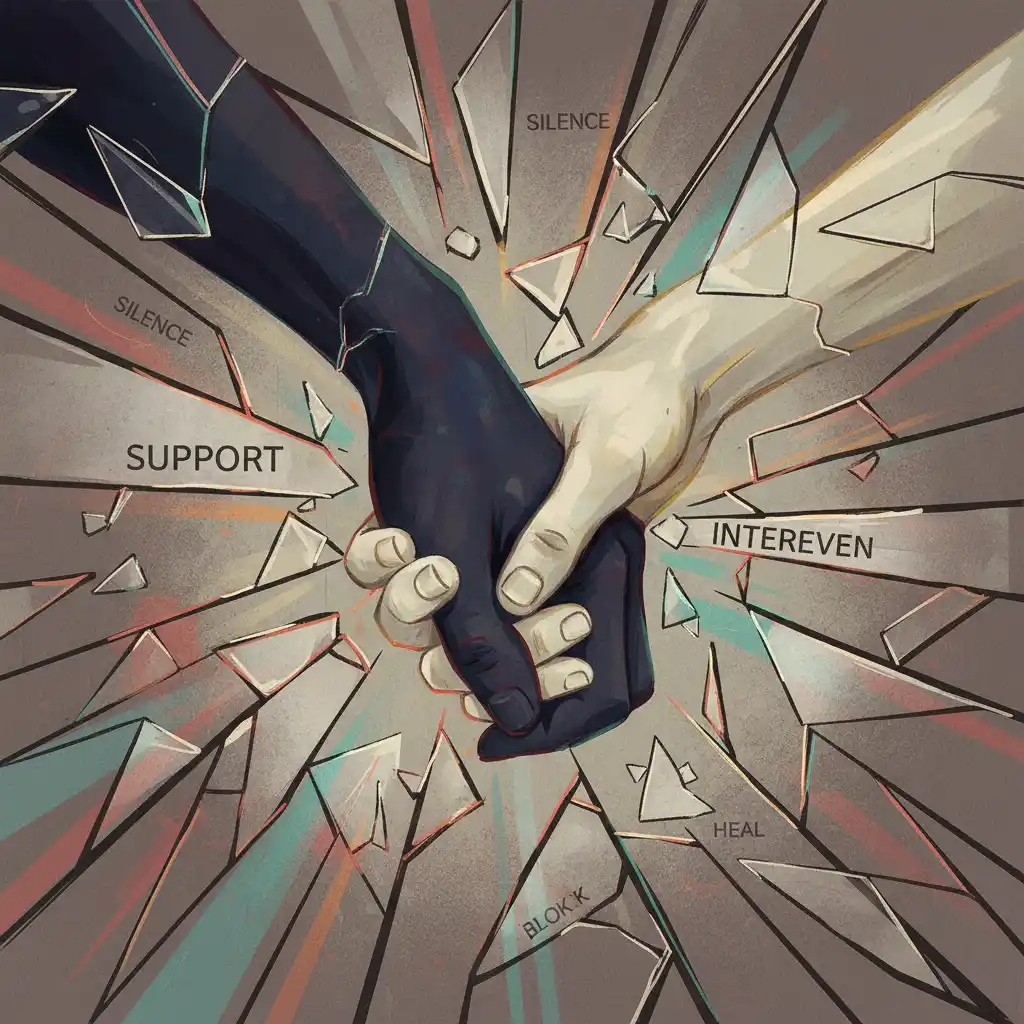
Navigating Legal Recourse for Domestic Violence in New Zealand
New Zealand’s legal system provides several avenues for individuals experiencing domestic violence to seek protection and justice. Understanding these legal remedies is crucial for securing long-term safety and stability. The Family Court (Te Kōti ā Whānau) and the Criminal Court both play distinct but often overlapping roles in addressing domestic violence cases.
Protection Orders (Te Kōti ā Whānau Protection Order)
A Protection Order is one of the most powerful legal tools available in New Zealand for victims of domestic violence. It is issued by the Family Court and aims to protect the applicant and any children living with them from further violence. A Protection Order means the abusive person cannot:
- Come near you or your children.
- Go to your home, workplace, or children’s school/daycare.
- Contact you or your children in any way (including by phone, text, email, or social media).
- Encourage someone else to do any of these things.
- Threaten, assault, or verbally abuse you or your children.
- Damage your property.
Protection Orders can be temporary (interim) or final. An interim order can be granted quickly (often within days or even hours) based solely on the applicant’s affidavit, while a final order typically requires a court hearing where both parties can present their case. Breaching a Protection Order is a criminal offense and can lead to immediate arrest and imprisonment.
To apply for a Protection Order, you need to show the court that domestic violence has occurred and that an order is necessary for your safety. While it is possible to apply without a lawyer, it is highly recommended to seek legal advice due to the complexities of court procedures. More detailed information can be found on the New Zealand Ministry of Justice website.
Occupation and Tenancy Orders
Alongside a Protection Order, the Family Court can issue Occupation Orders and Tenancy Orders. An **Occupation Order** grants an applicant the right to live in the family home (even if they don’t own it) and effectively excludes the abusive person from the property. A **Tenancy Order** grants an applicant the right to take over the tenancy of a rental property, allowing them and their children to remain in their home without the abuser. These orders are vital for ensuring housing stability and preventing homelessness after leaving an abusive relationship.
Parenting Orders and Child Custody Considerations
When domestic violence is a factor, the Family Court prioritizes the safety and well-being of children. If a Protection Order is in place, or if there’s evidence of violence, the court will consider this when making decisions about parenting arrangements. This can include supervised contact, no contact, or specific conditions to ensure children are safe during contact with the abusive parent. The court’s primary concern is always the best interests of the child, and domestic violence is a significant consideration in these cases. Victims can apply for a Parenting Order to determine where children live and how contact with parents occurs.
Criminal Charges and Police Involvement
In addition to Family Court remedies, severe acts of domestic violence can lead to criminal charges. The New Zealand Police are empowered to investigate and lay charges for offenses such as assault, grievous bodily harm, sexual assault, strangulation, and other related crimes. The introduction of the Family Violence Act 2018 also enhanced police powers and introduced new offenses related to family violence, although specific coercive control legislation is still debated. If you are in immediate danger, calling 111 is crucial. Police involvement can lead to the arrest of the abuser, criminal prosecution, and potentially a criminal record, which acts as a deterrent and provides justice for victims. The criminal court process is separate from the Family Court, focusing on punishing offenders rather than providing civil protection.
Legal Aid and Representation
Navigating the legal system can be daunting and expensive. Legal aid is available in New Zealand for those who cannot afford a lawyer for Family Court matters (including Protection Orders, parenting orders) and criminal proceedings. Eligibility for legal aid is based on income and assets, and the nature of the case. Organizations like Community Law Centres also offer free legal advice and assistance to those in need. Seeking professional legal advice is highly recommended to ensure you understand your rights and the best course of action.
Family Court Process vs. Criminal Court Process
It’s important to distinguish between the Family Court and the Criminal Court. The Family Court deals with civil matters, such as Protection Orders, parenting arrangements, and property division. Its aim is protection and resolution within family relationships. The Criminal Court, on the other hand, deals with criminal offenses, such as assault or threats. Its aim is to prosecute offenders and impose penalties. While a victim might pursue both a Protection Order in the Family Court and support criminal charges through the police, these are distinct processes with different objectives and legal thresholds. Information on family violence support services can be found at Women’s Refuge New Zealand.

Long-Term Recovery and Rebuilding Life After Abuse
Escaping an abusive relationship is a monumental first step, but the journey to long-term recovery and rebuilding a fulfilling life is often complex and requires ongoing support. Healing from the trauma of domestic violence involves addressing emotional scars, regaining financial independence, and learning to build healthy relationships in the future. This phase is critical for breaking the cycle of abuse and fostering resilience.
Therapeutic Support and Counselling
The psychological impact of domestic violence can be profound, leading to anxiety, depression, PTSD, and difficulty trusting others. Professional therapeutic support is invaluable for processing trauma and developing coping mechanisms. Counsellors, psychologists, and therapists specializing in trauma-informed care can provide a safe space to explore emotions, understand the dynamics of abuse, and work through the healing process. Group therapy can also be beneficial, offering a sense of community and reducing feelings of isolation as individuals connect with others who have similar experiences.
Financial Independence and Stability
Financial abuse is a common tactic used by abusers to maintain control, often leaving victims in precarious economic situations. Rebuilding financial independence is a crucial step towards long-term stability. This may involve seeking employment, pursuing education or training, managing budgets, and accessing financial assistance programs. Government agencies and community organizations in New Zealand offer resources for job seeking, financial literacy, and welfare support to help individuals regain control over their economic lives.
Building Healthy Relationships
After experiencing abuse, it can be challenging to trust others and distinguish healthy relationship patterns from unhealthy ones. Learning to build healthy relationships, both platonic and romantic, is a vital part of recovery. This involves setting boundaries, recognizing red flags, understanding consent, and fostering open and respectful communication. Therapy can help individuals identify and challenge patterns of thinking that might lead them back into unhealthy relationships. Support groups also offer a safe environment to practice new social skills and build connections based on mutual respect and understanding.
Conclusion
Domestic violence in New Zealand is a serious and multifaceted issue, but crucial support and comprehensive legal recourse are available for those affected. From recognizing the subtle yet damaging signs of abuse to implementing immediate safety plans and navigating the complexities of the Family and Criminal Courts, the path to safety and recovery is supported by a robust framework of services and protections. By understanding the legal definitions, accessing emergency contacts like Women’s Refuge and Shine, and utilizing remedies such as Protection Orders, individuals can begin to reclaim their lives. The journey extends beyond legal processes to include long-term therapeutic support, financial empowerment, and the cultivation of healthy relationships, all of which are essential for true healing and rebuilding a life free from violence. Remember, help is always available, and you do not have to face this challenge alone.
People Also Ask
What constitutes domestic violence under New Zealand law?
Domestic violence in New Zealand, under the Domestic Violence Act 1995, broadly includes physical, sexual, and psychological abuse. This extends beyond direct violence to encompass intimidation, harassment, threats, and controlling behaviour within a range of personal relationships, aiming to cover any act or pattern of behaviour causing fear or harm.
How do I get a Protection Order in NZ?
To obtain a Protection Order in New Zealand, you must apply to the Family Court, providing evidence that domestic violence has occurred and that an order is necessary for your safety. While you can apply without a lawyer, seeking legal advice is strongly recommended due to the legal complexities. Interim (temporary) orders can be granted quickly, with final orders requiring a court hearing.
What support is available for domestic violence victims in New Zealand?
New Zealand offers a wide range of support services, including 24/7 helplines like Women’s Refuge (0800 REFUGE) and Shine (0508 744 633), providing confidential support, safe accommodation, advocacy, and information. Victim Support (0800 VICTIM) offers emotional support and practical help, while the police (111) should be called in emergencies.
Can a Protection Order affect child custody in NZ?
Yes, a Protection Order significantly impacts child custody (parenting arrangements) in New Zealand. The Family Court prioritizes the child’s safety and well-being, and evidence of domestic violence will be a primary consideration when determining living arrangements, contact with parents, and whether supervision is required during visits to ensure the child’s safety.
Is financial abuse considered domestic violence in NZ?
Yes, financial abuse is recognized as a form of psychological abuse under New Zealand’s Domestic Violence Act 1995. This includes controlling finances, preventing someone from working, taking earnings, accumulating debt in their name, or withholding money for necessities, all of which contribute to an abuser’s control and can trap victims in abusive relationships.
What happens if someone breaches a Protection Order in New Zealand?
Breaching a Protection Order in New Zealand is a criminal offense. If a person subject to a Protection Order violates its terms (e.g., by contacting the protected person or going to their home), they can be immediately arrested by the police. A breach can lead to criminal charges, prosecution, and potential penalties including fines or imprisonment, reinforcing the order’s legal authority.