
Navigating separation is inherently challenging, but when one parent exhibits traits of a high-conflict personality, the process in New Zealand can become exceptionally complex and emotionally draining. Understanding these dynamics is crucial for protecting yourself and your children.
A high-conflict ex-partner in NZ separation contexts is typically an individual whose personality traits drive persistent conflict, often escalating disputes and making constructive co-parenting or resolution difficult. They may exhibit patterns of blame, lack of empathy, and an inability to resolve disagreements amicably, significantly impacting family well-being.
Understanding High-Conflict Personalities in NZ Separation
Separation and divorce are inherently stressful, but when one party demonstrates a consistent pattern of high-conflict behaviour, the emotional and legal landscape in New Zealand can become particularly treacherous. A high-conflict personality (HCP) is not merely someone who is angry or upset; it refers to a distinct pattern of behaviour often characterised by a preoccupation with blaming others, a lack of self-awareness, intense emotional outbursts, and an inability to resolve disputes constructively. This pattern typically intensifies during high-stakes situations like family law proceedings, especially when children are involved.
In New Zealand, the Family Court seeks to ensure the safety and well-being of children as its paramount concern. However, dealing with an HCP can derail cooperative co-parenting arrangements and extend legal battles, draining resources and emotional energy. Recognising the signs early and understanding the psychological underpinnings of such behaviour is the first step towards developing effective coping and resolution strategies. These individuals often genuinely believe they are victims and that the other party is solely responsible for all problems, making reasoned discussion or compromise exceedingly difficult.

Identifying Traits of High-Conflict Individuals
Recognising the specific traits of a high-conflict individual is crucial for developing appropriate responses and protecting yourself and your children during and after separation in New Zealand. These traits often manifest consistently and predictably, creating a cycle of conflict that can be exhausting for those involved.
The Blame Game and Lack of Empathy
One of the most defining characteristics of an HCP is their relentless focus on blaming others. They rarely take responsibility for their actions or contributions to conflict, preferring to cast themselves as the victim and you as the perpetrator. This extends to a significant lack of empathy; they struggle to understand or acknowledge your feelings, perspectives, or the impact of their actions on others, especially children. Conversations often devolve into accusations rather than solutions, making genuine resolution impossible. They may distort facts or create elaborate narratives to support their victimhood and your culpability.
Extreme Behaviour and Unpredictability
HCPs often exhibit extreme behaviours, which can range from verbal abuse, threats, and intimidation to frequent, unsolicited communication (e.g., hundreds of texts or emails), or even public shaming. Their emotional responses can be disproportionate to the situation, and they may swing rapidly between intense anger, sadness, or charming compliance. This unpredictability creates a constant state of anxiety, as you never know what to expect next. They might agree to something one day and completely deny it the next, making agreements fragile and trust non-existent. This can be particularly challenging when trying to adhere to parenting agreements or court orders.
Difficulty with Problem-Solving and Compromise
Due to their rigid thinking patterns and need to be “right,” high-conflict individuals typically struggle immensely with problem-solving and compromise. They view disagreements as battles to be won, not problems to be collaboratively solved. This makes mediation or any form of negotiation incredibly difficult, as they may refuse to consider alternatives, concede points, or engage in give-and-take. Their proposals often benefit only themselves, and they may interpret any attempt at compromise as a sign of weakness or an admission of guilt. This can lead to protracted legal proceedings in the NZ Family Court, as common ground remains elusive.
Effective Communication Strategies with a High-Conflict Ex-Partner NZ
Communicating with a high-conflict ex-partner in New Zealand requires a highly structured and strategic approach to minimise conflict and protect your emotional well-being. Traditional communication methods are often ineffective and can even escalate tensions.
The BIFF Method: Brief, Informative, Friendly, Firm
Developed by Bill Eddy, the BIFF method is an invaluable tool for responding to high-conflict communication. Each response should be:
- Brief: Keep your messages short and to the point. Avoid lengthy explanations, justifications, or rehashing past grievances.
- Informative: Stick to facts and necessary information. Do not share personal feelings, opinions, or unnecessary details.
- Friendly: Maintain a neutral, polite, and respectful tone, even if the other party is not. This diffuses tension and prevents you from being drawn into an emotional battle.
- Firm: Clearly state your position or boundary without being aggressive or apologetic. Do not invite debate or argument.
For example, instead of “I told you last week that you needed to pick up the kids by 5 PM, why do you always ignore my requests? This is so frustrating!” try “The parenting order states pickup is 5 PM. Please ensure this is adhered to.” This method helps you avoid engaging in their drama and keeps the focus on practical matters.
Documentation and Preferred Communication Channels
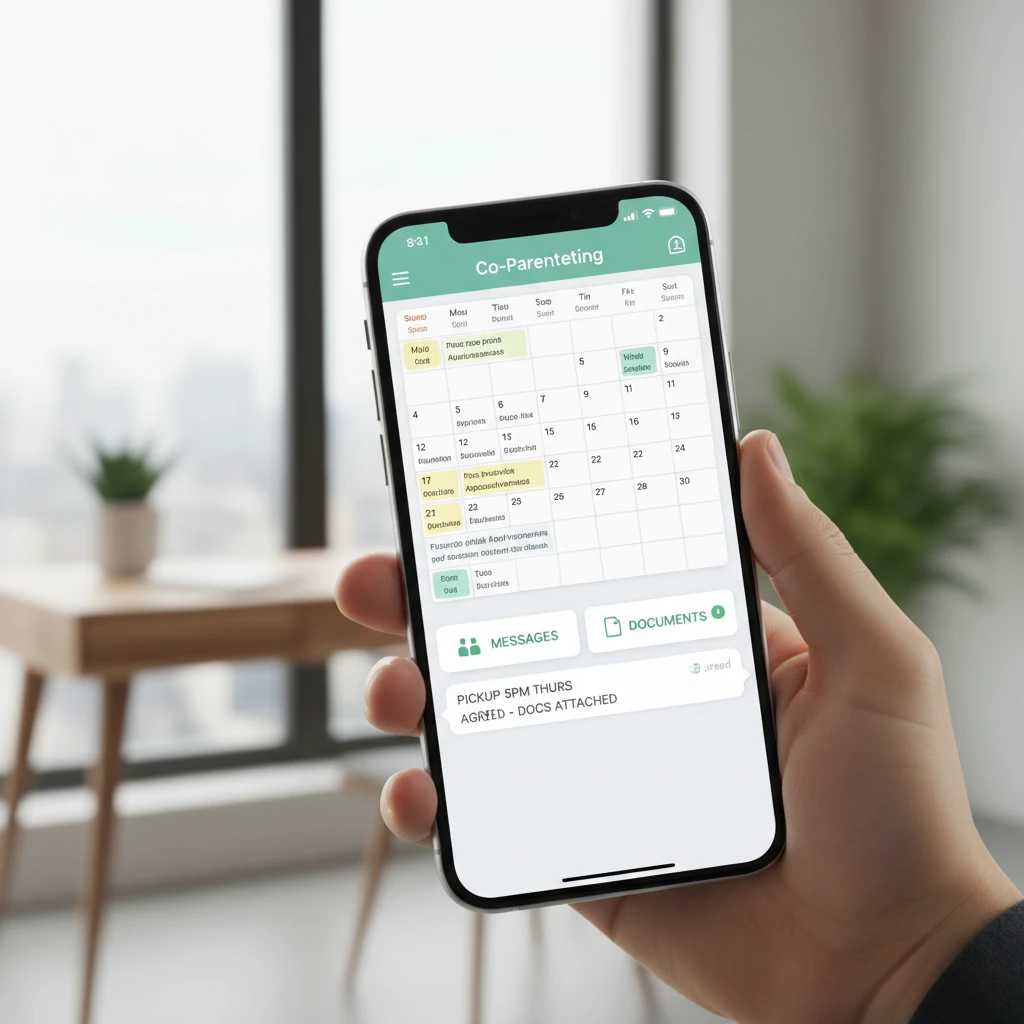
Always communicate in writing. Emails or messaging apps specifically designed for co-parenting (if court-ordered or agreed upon) are ideal. These channels provide a clear, timestamped record of all interactions, which is invaluable if disputes need to be presented to lawyers, mediators, or the Family Court in NZ. Avoid phone calls or in-person discussions if possible, as these lack a record and can easily escalate into verbal altercations. When written communication is used, it’s harder for an HCP to deny what was said or twist facts. Ensure your written communication also adheres to the BIFF method.
Avoiding Emotional Traps and Escalation
HCPs are experts at pushing emotional buttons. They may use insults, guilt trips, or accusations to provoke a strong reaction from you. It is paramount to recognise these tactics and consciously choose not to engage. Do not defend yourself against false accusations, explain yourself unnecessarily, or respond to inflammatory remarks. If a message is purely accusatory and contains no actionable information, you may choose not to respond at all, or simply respond with a neutral, factual statement if required (e.g., “Noted”). Practise the “grey rock” method, making yourself as uninteresting and unresponsive as a grey rock to their provocations. This technique reduces the gratification they get from provoking you, potentially leading them to reduce such behaviours over time.
Setting Healthy Boundaries and Legal Protections
Establishing clear, consistent boundaries is non-negotiable when dealing with a high-conflict ex-partner in NZ. Without them, you risk constant emotional intrusion and an inability to move forward post-separation. Coupled with boundaries, understanding and utilising New Zealand’s legal frameworks can provide essential protection.
Establishing Clear Rules and Consequences
Boundaries are the rules you set for how others can interact with you. With an HCP, these boundaries must be explicit, consistently enforced, and communicated clearly (preferably in writing). Examples include:
- Communication frequency and content: “I will only respond to emails regarding the children between 9 AM and 5 PM on weekdays. I will not respond to personal attacks or irrelevant content.”
- Pickup/Drop-off protocols: “Children will be picked up/dropped off at school/a neutral third party. Direct contact between parents at exchanges is not required.”
- Information sharing: “All medical/school information should be communicated directly to both parents by the institution, rather than solely through one parent.”
It is vital to stick to these boundaries, even when it is difficult. Every time you enforce a boundary, you reinforce its importance. Every time you let it slide, you teach the HCP that it is negotiable. This consistency is key to managing expectations and reducing conflict.
Utilising Legal Frameworks in NZ: Parenting Orders and Mediation
New Zealand’s Family Court provides mechanisms to manage co-parenting relationships, especially when high conflict is present. A Parenting Order, issued by the Family Court, legally sets out arrangements for children’s care, including where they live, who makes decisions about their upbringing, and contact schedules. These orders are legally binding and provide clarity and enforceability, which can be invaluable when dealing with an ex-partner who is prone to changing agreements or creating conflict.
Before applying for a Parenting Order, most parents are required to attend Family Dispute Resolution (FDR). While challenging with an HCP, a mediator can help structure discussions and record agreements. If FDR fails, a Section 46 certificate is issued, allowing an application to the Family Court. In court, a lawyer for the child may be appointed to represent the child’s best interests, providing an objective voice. The court can also make specific orders about communication methods or supervise contact if necessary. For more information on family dispute resolution and the Family Court process in New Zealand, refer to official government resources like the Ministry of Justice website.
Seeking Professional Support and Self-Care
Dealing with a high-conflict ex-partner takes a significant toll. Engaging legal counsel experienced in high-conflict family law cases in NZ is essential. They can advise on your rights, the court process, and help draft communications that protect you. Additionally, individual therapy or counselling can provide you with coping strategies, emotional support, and help you process the trauma associated with the relationship and ongoing conflict. Support groups can also offer a sense of community and shared experience. Prioritising self-care – including maintaining your physical health, engaging in hobbies, and spending time with supportive friends and family – is not a luxury, but a necessity for long-term resilience. Remember that your children will benefit most from having a stable, emotionally healthy parent. Further resources for support can often be found through Citizens Advice Bureau NZ or local community law centres.

Long-Term Strategies for Co-Parenting Success and Resilience
Managing a co-parenting relationship with a high-conflict ex-partner in New Zealand is not a sprint; it’s a marathon that requires ongoing vigilance and adaptation. Success in this context often means minimising direct conflict, protecting children from exposure to disputes, and maintaining your own well-being over many years. It is about learning to manage the unmanageable to the best of your ability.
One of the most critical long-term strategies is to embrace parallel parenting rather than traditional co-parenting. Traditional co-parenting often implies a high degree of cooperation and joint decision-making, which is rarely feasible or advisable with an HCP. Parallel parenting involves reducing direct parental interaction to an absolute minimum, with each parent largely managing their time with the children independently according to a detailed parenting plan. Decisions are clearly delineated, and there is minimal need for communication or collaboration on day-to-day issues. For example, one parent might be responsible for school decisions, and the other for medical decisions, with communication only occurring through very specific, court-approved channels for essential information.
Another vital aspect is maintaining a child-focused approach. While the HCP may attempt to draw children into the conflict or disparage you in front of them, your consistent response should be to reassure your children that they are loved by both parents (where appropriate and safe), and that adult issues are for adults to manage. Avoid speaking negatively about your ex-partner to the children, no matter how provoked you feel. Children are highly attuned to parental conflict, and exposure can have significant negative impacts on their development and emotional health. Instead, focus on providing a stable, nurturing environment during your time with them, and reinforce their sense of security.
Regular review of your parenting plan and strategies is also beneficial. As children grow, their needs change, and the dynamics of the co-parenting relationship may evolve. What worked when children were toddlers might not be appropriate for teenagers. Be prepared to revisit your agreements, potentially through mediation if necessary, but always with a commitment to maintaining structured, low-conflict interactions. Documenting any breaches of agreements or patterns of concerning behaviour continues to be important, not for retaliation, but for potential future legal adjustments or to demonstrate a consistent pattern should intervention be required.
Finally, cultivating a strong support network and committing to ongoing self-care cannot be overstated. This battle is emotionally and psychologically taxing. Lean on trusted friends, family, and professionals. Continue with therapy if it’s beneficial. Engage in activities that bring you joy and help you de-stress. Remember that you are modelling resilience and healthy coping mechanisms for your children, even if your ex-partner is not. Empowering yourself with knowledge, a strong support system, and effective strategies allows you to navigate this challenging terrain with greater confidence and significantly reduce the negative impact of a high-conflict ex-partner on your life and the lives of your children in New Zealand.
People Also Ask
What are the first steps to take when separating from a high-conflict ex-partner in NZ?
The first steps include prioritising safety for yourself and your children, documenting all interactions, seeking initial legal advice from a lawyer specialising in family law in NZ, and considering applying for a Protection Order if there is any risk of violence or intimidation. Focus on establishing clear, written communication channels.
How does the NZ Family Court handle high-conflict co-parenting cases?
The NZ Family Court prioritises the child’s welfare and safety. It may recommend Family Dispute Resolution (FDR), appoint a Lawyer for the Child, or issue specific Parenting Orders that detail living arrangements, care schedules, and decision-making responsibilities. In severe cases, the court can mandate supervised contact or specific communication methods to reduce conflict.
Can a high-conflict ex-partner prevent me from seeing my children in NZ?
Generally, no. Both parents have a right to spend time with their children, unless there are safety concerns or a court order states otherwise. If an ex-partner is preventing contact without a valid reason, you should seek immediate legal advice and may need to apply to the Family Court for a Parenting Order to enforce your contact rights.
What is ‘parallel parenting’ and is it suitable for high-conflict situations in NZ?
Parallel parenting is an approach where parents have minimal direct contact and communication, largely managing their time with children independently based on a very detailed parenting plan. It is often highly suitable for high-conflict situations in NZ because it reduces opportunities for conflict and direct interaction between parents, fostering a more stable environment for children.
How can I protect my children from a high-conflict ex-partner’s behaviour?
Protecting children involves maintaining a neutral stance yourself, never speaking negatively about the other parent to them, creating a stable and predictable home environment, and ensuring that communication and exchanges are as conflict-free as possible. If the behaviour is harmful, legal intervention like a Parenting Order with specific clauses can help, and a Lawyer for the Child may be appointed.
Where can I find support for dealing with a high-conflict ex-partner in New Zealand?
Support can be found through various channels in NZ: family lawyers specializing in high-conflict cases, professional counsellors or therapists, support groups for separated parents, and community organisations like Citizens Advice Bureau. The Ministry of Justice website also provides information on Family Dispute Resolution and court processes.