
Self-care after separation in New Zealand is a crucial, multi-faceted process focusing on emotional, physical, and psychological well-being. It involves actively implementing strategies to cope with the profound changes and challenges that arise, ensuring a stable foundation for rebuilding your life and fostering resilience during this significant transition period.
The Emotional Landscape of Separation: Understanding its Impact
Separation is one of life’s most challenging experiences, often described as akin to grief. In New Zealand, like anywhere else, individuals navigating the end of a relationship face a myriad of complex emotions, from sadness, anger, and betrayal to anxiety, confusion, and even relief. Recognising and acknowledging the depth of these feelings is the first critical step towards effective self-care. It’s a period of significant upheaval, impacting not just your emotional state but often your routines, living situation, financial stability, and social circles.
Understanding that these intense emotions are normal and valid is paramount. There is no ‘right’ way to feel, nor a prescribed timeline for healing. Many individuals experience a rollercoaster of emotions, which can be exhausting. The unique context of New Zealand’s cultural landscape and legal frameworks for family separation can add additional layers of complexity, making local, tailored self-care strategies even more vital. Allowing yourself to feel without judgment, while simultaneously seeking constructive ways to manage these feelings, forms the cornerstone of a healthy recovery.
Acknowledging Grief and Loss
Separation involves the loss of a relationship, a shared future, and often a family unit as it was known. This loss triggers a grief process similar to bereavement. You may experience denial, anger, bargaining, depression, and eventually acceptance. It’s important not to rush this process. Give yourself permission to mourn what has been lost. This might involve reflecting on memories, both good and bad, and understanding that it’s okay to feel conflicted. Journaling, talking to trusted friends, or seeking professional guidance can help process these feelings of grief.
Managing Stress and Anxiety
The uncertainty accompanying separation often leads to heightened stress and anxiety. Worries about finances, housing, children, and the future can feel overwhelming. Developing coping mechanisms for stress is essential. This could include deep breathing exercises, progressive muscle relaxation, or engaging in calming activities like reading or listening to music. Identifying your triggers and proactive strategies to mitigate their impact can significantly improve your daily well-being.

Mental Health Support and Counselling: Crucial Steps
Seeking professional mental health support is not a sign of weakness but a proactive and courageous step towards healing and resilience after separation. Trained professionals in New Zealand can provide a safe, confidential space to process emotions, develop coping strategies, and navigate the complexities of your new reality. There are various avenues for support, from individual counselling to group therapy and specialised services.
Finding the Right Therapist or Counsellor
In New Zealand, many qualified therapists, psychologists, and counsellors specialise in relationship breakdown and grief. Look for practitioners registered with reputable bodies such as the New Zealand Association of Counsellors (NZAC) or the New Zealand Psychological Society (NZPsS). Consider whether you prefer individual, couples (if co-parenting discussions are needed), or family therapy. Initial consultations can help determine if a therapist’s approach and personality align with your needs.
Online Resources and Helplines in NZ
New Zealand offers several valuable online resources and helplines that provide immediate support and information. Services like 1737 – Need to Talk? offer free text or phone counselling 24/7. Mental Health Foundation of New Zealand provides extensive information and resources on coping with stress, anxiety, and depression. Utilising these services can be a critical first step, especially when professional appointments are pending or during moments of acute distress. These resources ensure that support is accessible regardless of your location within the country.
Mindfulness and Stress Reduction Techniques
Incorporating mindfulness and other stress reduction techniques into your daily routine can significantly enhance mental well-being. Practising mindfulness involves focusing on the present moment, observing thoughts and feelings without judgment. Simple techniques like deep breathing, meditation (even just 5-10 minutes a day), or mindful walking can help ground you and reduce the overwhelming sensations of stress and anxiety. Apps like Calm or Headspace offer guided meditations tailored for beginners.
Prioritising Physical Well-being: Nourishing Body and Mind
The connection between physical and mental health is undeniable. During times of stress, it’s easy to neglect physical needs, but maintaining a healthy body is fundamental to supporting your mental resilience. Self-care after separation must include a conscious effort to look after your physical health through consistent activity, nutritious eating, and adequate rest.
The Power of Physical Activity
Exercise is a powerful antidote to stress, anxiety, and depression. Physical activity releases endorphins, natural mood lifters, and can provide a healthy outlet for pent-up emotions. It doesn’t have to be strenuous; even regular walks in one of New Zealand’s beautiful parks or beaches can make a significant difference. Consider activities you enjoy, such as swimming, cycling, yoga, dancing, or joining a local sports team. The key is consistency, aiming for at least 30 minutes of moderate activity most days of the week.
Healthy Eating Habits
Stress often leads to poor dietary choices, but nourishing your body with wholesome foods is more important than ever. Focus on a balanced diet rich in fruits, vegetables, lean proteins, and whole grains. Avoid excessive caffeine, sugar, and processed foods, which can exacerbate mood swings and energy dips. Hydration is also crucial; drink plenty of water throughout the day. Preparing simple, healthy meals can also be a therapeutic routine, providing a sense of control and accomplishment.
Ensuring Adequate Sleep
Sleep disruption is common after separation, but it profoundly impacts mood, concentration, and energy levels. Prioritise creating a conducive sleep environment and routine. Aim for 7-9 hours of quality sleep per night. Establish a consistent bedtime and wake-up time, even on weekends. Limit screen time before bed, avoid heavy meals close to sleep, and consider relaxation techniques to help unwind. If sleep issues persist, consult a doctor or sleep specialist.
Building a Strong Personal Support Network
No one should go through separation alone. A robust personal support network acts as a crucial buffer during difficult times, providing emotional comfort, practical assistance, and a sense of belonging. Reaching out and leaning on others is a vital component of self-care.
Connecting with Friends and Family
Your existing circle of friends and family can be an invaluable source of support. Don’t hesitate to reach out to those you trust and let them know what you’re going through. Be specific about how they can help, whether it’s listening without judgment, helping with childcare, or simply spending time with you. Remember, true friends and family want to support you, but they might not know how unless you communicate your needs. Re-engage with old friends or strengthen existing bonds.
Joining Support Groups and Community Organisations
Connecting with others who have experienced separation can be incredibly validating and empowering. Support groups, whether in person or online, offer a safe space to share experiences, gain insights, and realise you are not alone. Organisations like Skylight (for children and young people affected by change and loss) or local community centres in New Zealand often host groups for separated individuals. Engaging in community activities or volunteering can also provide a sense of purpose and connect you with like-minded individuals, broadening your social circle beyond your immediate crisis.
Professional Support Networks
Beyond friends and family, consider building a professional support network. This might include your lawyer, financial advisor, therapist, and even a family doctor. These professionals can offer objective advice and practical assistance, reducing the burden on your emotional support system and ensuring you receive expert guidance on legal and financial matters specific to New Zealand. For legal information regarding separation in NZ, the Ministry of Justice provides comprehensive resources on family law. Ministry of Justice NZ
Navigating Financial Stability Post-Separation
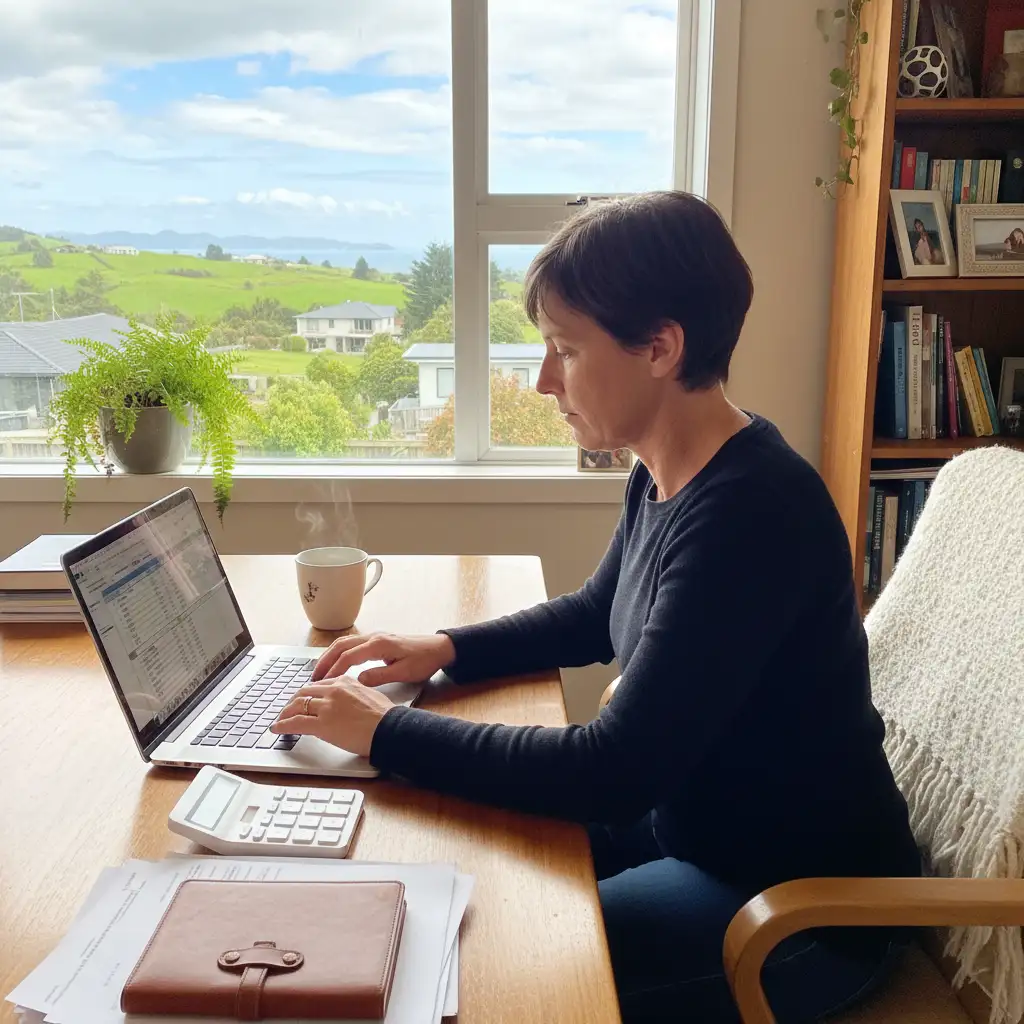
Financial worries are a significant source of stress after separation. Establishing a clear understanding of your financial situation and creating a plan for stability is a critical aspect of self-care, reducing anxiety and empowering you for the future.
Creating a New Budget
The first step is to get a clear picture of your income and expenses. Create a detailed budget that reflects your new financial reality. This involves tracking all sources of income (including any spousal or child support) and categorising all expenditures. Identify areas where you can cut back and prioritise essential spending. Tools like budgeting apps or spreadsheets can be very helpful.
Seeking Financial and Legal Advice
It is highly recommended to seek professional financial advice specific to your situation. A financial advisor can help you understand your assets, debts, and future financial planning. Simultaneously, consulting with a family lawyer in New Zealand is crucial to understand your rights and obligations regarding property division, spousal maintenance, and child support under the Family Law Act. Early advice can prevent future complications and provide clarity.
Exploring Government Support and Assistance
Depending on your circumstances, you may be eligible for government assistance in New Zealand. Work and Income NZ (WINZ) provides support for various situations, including sole parent support, accommodation supplement, and help with childcare costs. Researching your eligibility and applying for any entitled benefits can significantly alleviate financial strain. Navigating these systems can be complex, so don’t hesitate to ask for help from WINZ staff or community advocates. Work and Income NZ
Re-establishing Routines and Setting Boundaries
Separation often shatters established routines, leading to a sense of disarray. Rebuilding new, healthy routines and setting firm boundaries are essential for regaining control and fostering emotional stability.
Creating New Daily Structures
Establishing predictable routines for yourself and any children can bring a much-needed sense of normalcy and security. This might involve new morning and evening rituals, regular meal times, and dedicated periods for work, self-care, and social activities. While flexibility is important, a general structure can provide an anchor during times of change and reduce decision fatigue.
Setting Boundaries with Ex-Partners and Others
Clear and firm boundaries are vital for protecting your emotional energy and space. This applies to your ex-partner regarding communication frequency, methods, and topics, especially if children are involved. It also extends to friends and family who might offer unsolicited advice or interfere. Learning to say