
Adjusting to a single-parent household in New Zealand often presents a unique set of challenges, encompassing emotional, financial, and logistical hurdles. Successfully navigating these transitions requires proactive planning, accessing available support systems, and developing effective coping strategies to foster a stable and nurturing environment for both parent and child.
Understanding the Unique Challenges of Single Parenthood in NZ
Becoming a single parent in New Zealand, whether through separation, divorce, or by choice, ushers in a period of significant change. The challenges extend beyond the immediate emotional upheaval, delving deep into the practicalities of daily life. Parents often grapple with the dual roles of primary caregiver and sole provider, leading to increased pressure and potential isolation. The New Zealand context adds specific layers, from navigating local legal frameworks to understanding the array of government and community support systems designed to assist single-parent families.
The initial phase is frequently marked by feelings of overwhelm. The sheer volume of decisions, from financial restructuring to re-establishing household routines, can be daunting. Children, too, experience their own spectrum of emotions, from confusion and sadness to anger and anxiety, which can manifest in various behavioural changes. Recognising these multifaceted challenges is the first step towards developing robust strategies for adaptation and resilience, ensuring the well-being of every family member.
Establishing New Daily Routines and Structures
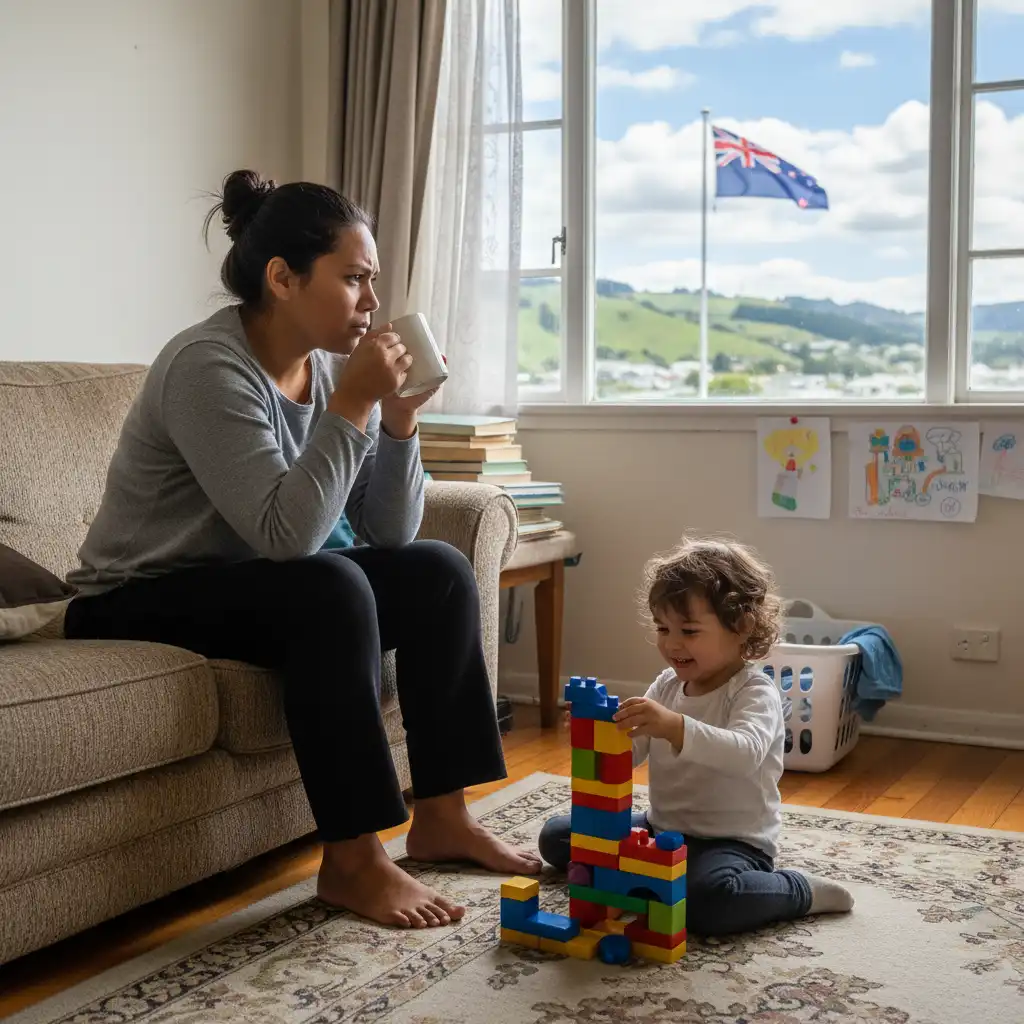
One of the most critical aspects of adjusting to a single-parent household is the creation of new, predictable routines. The absence of a second parent often means a redistribution of responsibilities and a re-evaluation of how time is managed. A well-structured routine provides stability and security for children and helps the parent maintain a sense of control amidst potential chaos.
Crafting a Predictable Schedule
A predictable daily and weekly schedule forms the backbone of a stable single-parent home. This includes consistent wake-up times, meal times, homework slots, and bedtimes. While flexibility is important, particularly during initial adjustments, establishing core anchors helps children understand expectations and reduces anxiety. Involve children in the process of creating the new schedule where appropriate, giving them a sense of ownership and predictability. For instance, designating specific evenings for family activities or quiet reading can become cherished traditions.
Rethinking Household Chores and Responsibilities
With fewer adult hands, it becomes essential to re-evaluate household chores and responsibilities. Empowering children to contribute, even from a young age, fosters independence and teamwork. Age-appropriate tasks, such as tidying their rooms, helping with meal prep, or setting the table, can lighten the parent’s load and teach valuable life skills. Clear expectations and consistent follow-through are key to making this successful, turning chores into shared family contributions rather than parental burdens.
Adapting School and Extracurricular Logistics
Managing school drop-offs, pick-ups, and extracurricular activities can become a significant logistical challenge for a single parent. Explore carpooling options with other parents, utilise school bus services, or consider after-school care programmes. Communication with teachers and coaches is vital to ensure they are aware of your new family situation and can offer support or flexibility where possible. Proactive planning for school holidays and unexpected events will reduce last-minute stress.
Managing Finances as a Single Parent in New Zealand
Financial stability is often a primary concern for single parents. The transition can mean a significant reduction in household income, coupled with rising expenses. Understanding the financial landscape in New Zealand and taking proactive steps to manage money is paramount.
Budgeting and Financial Planning Essentials
Creating a detailed budget is non-negotiable. Track all income sources and expenditures meticulously. Identify essential costs like housing, food, utilities, and childcare, and differentiate them from discretionary spending. Look for areas where cuts can be made, even small ones, as they accumulate over time. Consider consulting with a financial advisor to help create a robust financial plan tailored to your new circumstances. This might include reviewing insurance policies, superannuation, and savings goals.
Understanding Government Benefits and Support
The New Zealand government offers various forms of financial assistance for single-parent families. The Ministry of Social Development (MSD) through Work and Income provides support such as the Sole Parent Support benefit, Accommodation Supplement, Working for Families Tax Credits, and childcare subsidies. It is crucial to research your eligibility for these benefits and apply for everything you are entitled to. These supports can significantly alleviate financial pressure, allowing you to focus on your family’s well-being.
Exploring Work-Life Balance and Income Opportunities
Achieving a sustainable work-life balance while maintaining sufficient income can be challenging. Explore flexible working arrangements with your employer, such as part-time hours, remote work, or compressed workweeks. Consider opportunities for upskilling or retraining to enhance your earning potential. Additionally, investigate side hustles or freelance work that can supplement your income without compromising your availability for your children. Balancing work with family commitments requires creative solutions and open communication with employers.

Navigating Legal and Custodial Considerations
For many single parents, the transition involves navigating the legal aspects of separation or divorce, particularly concerning child custody and support. Understanding New Zealand’s family law system is vital to protect your rights and ensure your children’s best interests are upheld.
Understanding Parenting Orders and Agreements
If you’re co-parenting, a parenting agreement or order outlines arrangements for your children, including where they live, who makes decisions about their care, and how contact with each parent occurs. It’s ideal if parents can agree on these terms themselves through discussion or mediation. If an agreement cannot be reached, the Family Court can issue a Parenting Order. This order is legally binding and prioritises the child’s welfare and best interests.
Seeking Legal Advice and Mediation
Engaging with legal professionals is highly recommended to understand your rights and obligations. A family lawyer can guide you through the process, whether you’re creating a parenting agreement, applying for a parenting order, or seeking child support. Mediation services, often supported by government funding, provide a neutral space for parents to discuss arrangements and reach amicable solutions without going to court. Information about these services can be found through the Ministry of Justice’s Family Justice website.
Accessing Community Support and Resources
No one should parent alone. New Zealand offers a rich network of community support and resources specifically designed for single-parent families. Leveraging these can significantly ease the burden and provide valuable connections.
Connecting with Local Single Parent Groups
Local single parent groups offer invaluable peer support, allowing you to connect with others who understand your experiences. These groups provide a safe space to share challenges, exchange advice, and build friendships. They often organise social events for families, creating a sense of community and reducing feelings of isolation. Check community centres, local libraries, or online forums for groups in your area.
Utilising Family Services and NGOs
Numerous non-governmental organisations (NGOs) and family services throughout New Zealand provide tailored support for single parents. These can include counselling services, parenting courses, financial literacy workshops, and advocacy. Organisations like Plunket, Barnardos, and Family Works offer a wide range of services aimed at strengthening families. Don’t hesitate to reach out and explore what’s available; these services are designed to help.
Leveraging Online Communities and Networks
In addition to local groups, online platforms can connect you with a broader network of single parents across New Zealand and globally. Facebook groups, forums, and dedicated websites offer opportunities to seek advice, share triumphs, and find solidarity. While online resources can be incredibly helpful, always exercise caution and ensure the information shared is from reputable sources.
Prioritising Emotional Well-being and Self-Care
The emotional toll of single parenthood can be substantial. It’s easy to put your children’s needs first, but neglecting your own emotional well-being can lead to burnout. Prioritising self-care isn’t selfish; it’s essential for your ability to parent effectively.
Acknowledging Grief and Adjustment
Whether single parenthood results from loss, separation, or a conscious decision, there’s often a period of grief and adjustment. It’s important to allow yourself to feel and process these emotions without judgment. Acknowledge the changes, the challenges, and the potential losses, even if they are simply of a previous life stage or expectation. Talking to a trusted friend, family member, or a professional counsellor can be incredibly therapeutic.
Building a Personal Support Network
Beyond official support groups, cultivate a strong personal support network. This includes trusted friends, family members, or neighbours who can offer practical help (like occasional childcare or a meal) and emotional solace. Don’t be afraid to ask for help; most people are happy to assist if they know what you need. A robust support system acts as a buffer against stress and loneliness.
Strategies for Stress Management and Resilience
Develop healthy coping mechanisms for stress. This could involve physical activity, mindfulness, hobbies, or simply setting aside a few minutes each day for quiet reflection. Learning to say no to additional commitments when you’re already overwhelmed is a vital self-care practice. Building resilience means learning from challenges and developing the inner strength to adapt to future difficulties, always remembering that you are capable of navigating this journey.
Supporting Children Through the Transition
Children are profoundly affected by changes in family structure. Their ability to adjust often depends on the stability and reassurance provided by their single parent.
Open Communication and Reassurance
Maintain open and honest communication with your children in an age-appropriate manner. Reassure them that they are loved and that the changes are not their fault. Encourage them to express their feelings and listen attentively without judgment. Regular check-ins can help you understand their emotional landscape and address concerns as they arise. Consistency in your messaging and behaviour will help build trust and security.
Addressing Behavioural Changes and Emotional Needs
Children may exhibit behavioural changes during this period, such as increased clinginess, aggression, withdrawal, or difficulty at school. These are often manifestations of their internal struggles. Respond with patience, empathy, and firm, consistent boundaries. If behavioural issues persist or are severe, seek guidance from school counsellors, paediatricians, or child psychologists who can provide tailored support strategies.
Maintaining Stability and Love
Above all, provide a stable and loving environment. While routines are important, the emotional warmth and security you offer are paramount. Spend quality time together, even if it’s just reading a book or playing a game. Celebrate small victories and create new family traditions. Your consistent presence and unwavering love are the most powerful tools for helping your children thrive through this transition.
Building a Resilient Future for Your Single-Parent Household
Adjusting to a single-parent household in New Zealand is a journey that requires strength, adaptability, and an unwavering commitment to your family’s well-being. By proactively establishing new routines, managing finances effectively, leveraging available support systems, prioritising your own self-care, and nurturing your children’s emotional needs, you can navigate the challenges and build a resilient, loving, and thriving home. Embrace the unique strengths of your single-parent family, celebrate every milestone, and remember that with the right strategies and support, you are fully equipped to succeed and create a bright future.
People Also Ask
What financial support is available for single parents in NZ?
In New Zealand, single parents can access various financial supports through the Ministry of Social Development (Work and Income). These may include the Sole Parent Support benefit, Accommodation Supplement, Working for Families Tax Credits, and childcare subsidies. Eligibility criteria apply, and it’s recommended to check the Work and Income website or contact them directly for personalised advice.
How can single parents in New Zealand manage work and childcare?
Managing work and childcare as a single parent in NZ often involves creative solutions. Consider flexible work arrangements with your employer, explore government-subsidised childcare options, or look into after-school care programmes. Networking with other parents for carpooling or seeking support from family and friends can also help balance these responsibilities effectively.
What are the common emotional challenges for single parents in NZ?
Single parents in NZ frequently face emotional challenges such as loneliness, guilt, stress from increased responsibilities, and feelings of being overwhelmed. It’s common to experience grief over the family changes and anxiety about the future. Prioritising self-care, building a strong support network, and seeking professional counselling can help manage these emotions.
Where can single parents in NZ find local support groups?
Local support groups for single parents in New Zealand can often be found through community centres, Plunket, Family Works, or local churches. Online platforms like Facebook also host numerous groups. These groups offer a valuable space for peer support, sharing experiences, and building community connections.
How do I get a parenting order in New Zealand?
In New Zealand, a parenting order can be obtained through the Family Court if parents cannot agree on care arrangements for their children. It’s often recommended to first attempt mediation through Family Dispute Resolution (FDR) services. If an agreement is still not reached, an application can be made to the Family Court, which will make decisions based on the child’s best interests.
What resources are there for children adjusting to a single-parent home in NZ?
Children adjusting to a single-parent home in NZ can benefit from various resources. These include school counsellors, child psychologists, and family support services offered by organisations like Barnardos or Family Works. Maintaining open communication, providing stability through routines, and ensuring consistent love and reassurance from the parent are also crucial resources for their well-being.