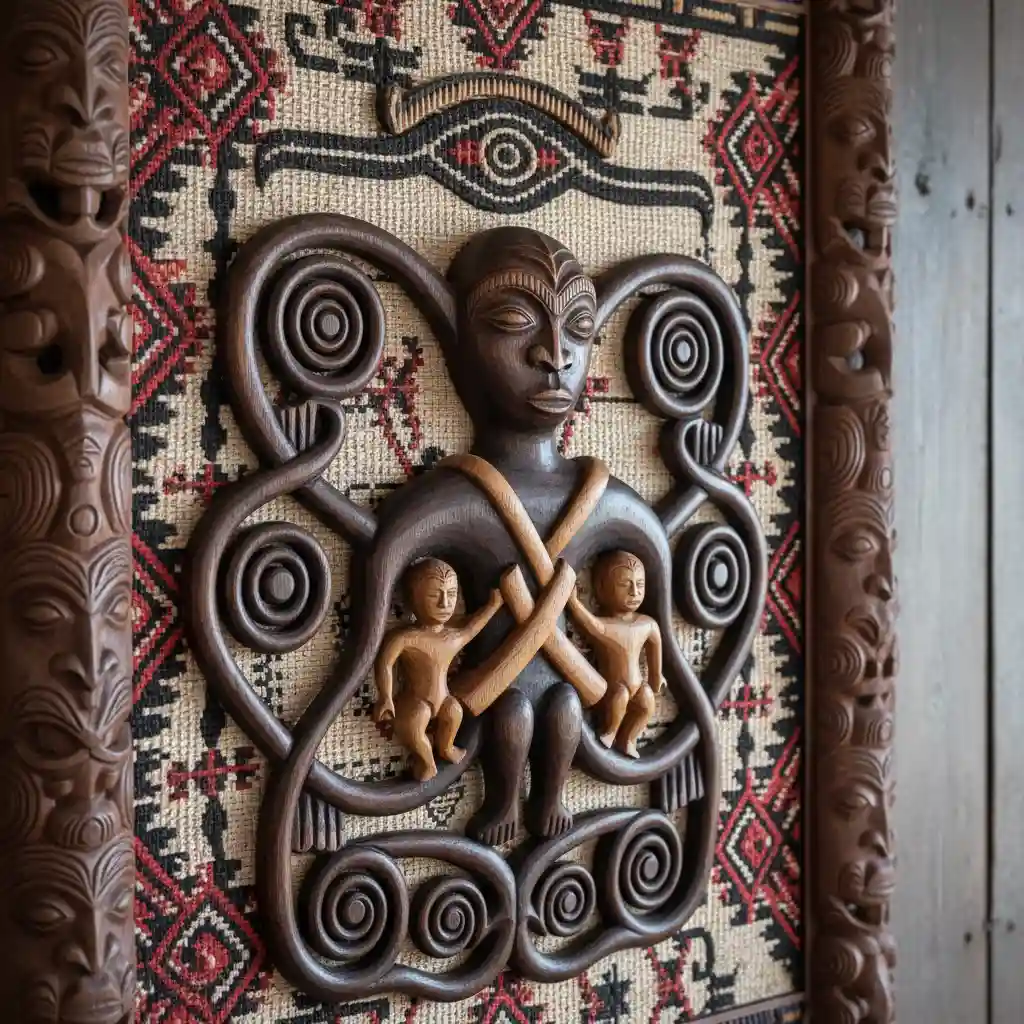
Blended family advice NZ focuses on navigating the complex emotional and legal dynamics of step-parenting in Aotearoa. To succeed, you must prioritize building trust over authority, understand that step-parents have no automatic guardianship rights under the Care of Children Act 2004, and establish clear communication strategies with your partner regarding discipline and household expectations.
Understanding the Landscape of Blended Families in New Zealand
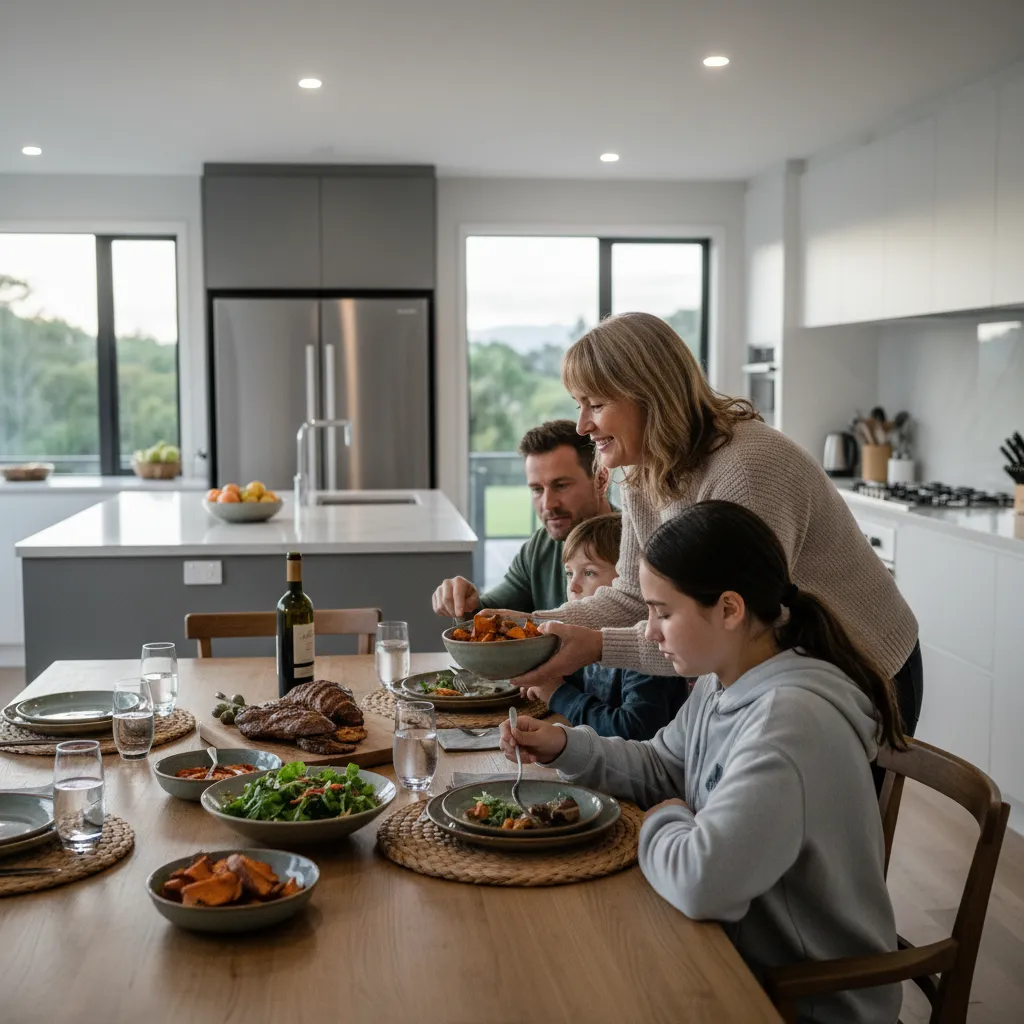
Step-parenting is becoming an increasingly common role in New Zealand society. With changing relationship demographics, the traditional nuclear family is evolving into more complex structures often referred to as “blended families” or “step-families.” In Aotearoa, the concept of whānau has always been broad and inclusive, yet the modern legal and social intricacies of bringing two families together under one roof present unique hurdles.
A blended family forms when two people form a new partnership, and one or both bring children from previous relationships. While the romantic notion of the “Brady Bunch” persists, the reality is often more akin to a merger of two small corporations with different cultures, histories, and operating procedures. For New Zealanders, this transition is layered with specific legal frameworks and cultural expectations that differ from other jurisdictions.
The initial phase of blending a family is often termed the “fantasy stage,” where parents hope for instant bonding. However, experts suggest that a fully integrated blended family can take anywhere from two to seven years to stabilize. Recognizing that this is a marathon, not a sprint, is the first step toward success. The pressure to love step-children immediately—or for them to love you—can be overwhelming and counterproductive. Instead, the goal should be mutual respect and the gradual development of a unique relationship that doesn’t attempt to replace the biological parent.
Common Challenges for Step-Parents in Aotearoa
Step-parents in New Zealand face a specific set of challenges that can strain even the strongest relationships. Understanding these pain points is essential for navigating them effectively.
The “Outsider” Syndrome
One of the most pervasive feelings for a step-parent is that of being an outsider in their own home. Biological parents and their children share a history, inside jokes, and a bond formed over years. When a step-parent enters this dynamic, they often feel excluded from the tight-knit unit. This is exacerbated in New Zealand’s housing market, where families often move into a home that was previously the domain of the biological parent and their ex-partner, making the step-parent feel like a guest.
Loyalty Binds
Children often experience intense loyalty binds. They may feel that liking their new step-mother or step-father is a betrayal of their biological parent. This can manifest as hostility, coldness, or deliberate attempts to drive a wedge between the new couple. In New Zealand, where communities can be small, children might also fear social judgment or gossip about their family situation, adding to their stress.
Dealing with the Ex-Partner
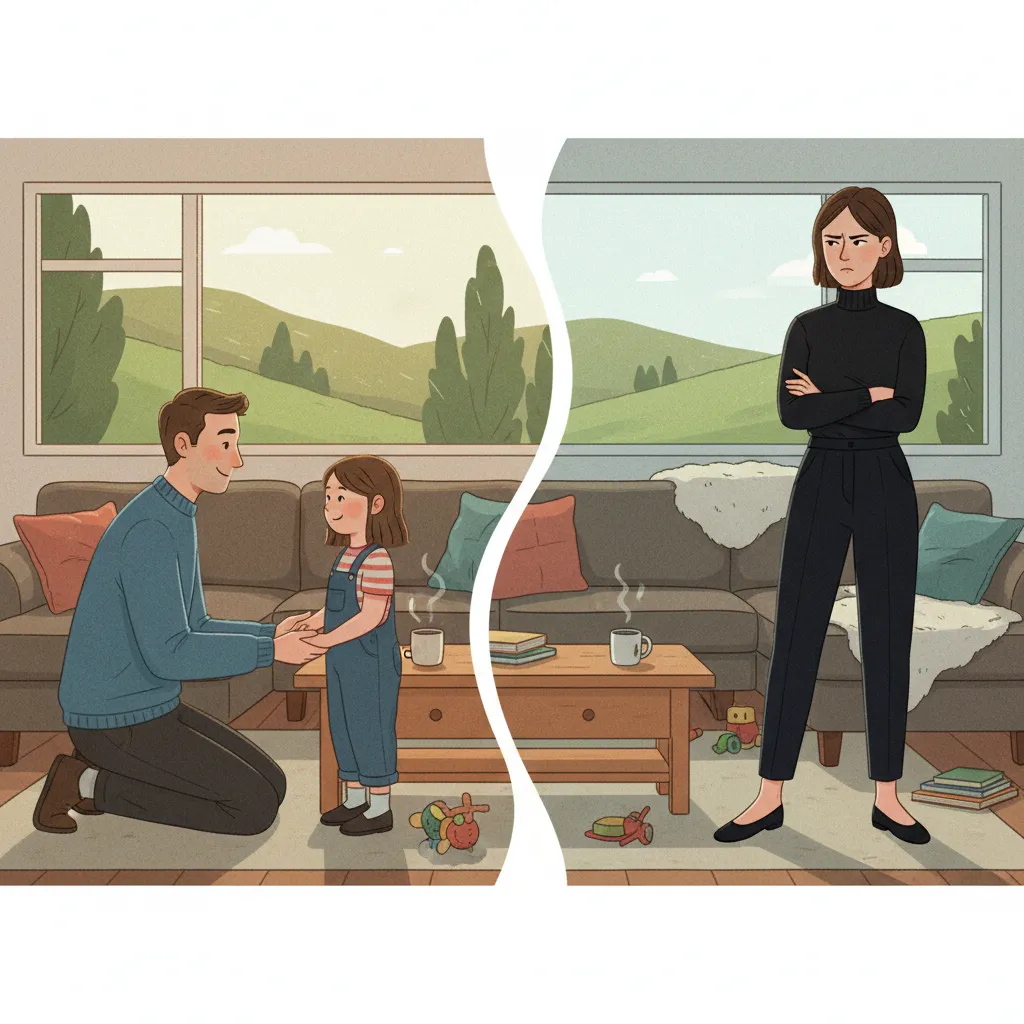
Unlike traditional parenting, step-parenting involves a third party: the biological parent living elsewhere. High-conflict relationships with ex-partners can spill over into the new household. In NZ, co-parenting arrangements are common, meaning the schedule and mood of your household are often dictated by what happens in another house. If the ex-partner is hostile toward the new relationship, they may influence the children’s behavior, making the step-parent’s role significantly harder.
The Legal Status of Step-Parents in New Zealand
This is perhaps the most critical area where misconceptions arise. Many step-parents assume that by marrying or living with a parent, they automatically acquire rights regarding the children. This is incorrect.
No Automatic Guardianship
Under New Zealand law, specifically the Care of Children Act 2004, a step-parent does not automatically become a legal guardian of their step-child. Guardianship involves the right to have a say in major decisions affecting the child’s life, such as medical treatment, education, religious upbringing, and where the child lives.
Even if you have been raising the child for ten years, providing financial support, and acting as a parent, you have no legal standing to sign a permission slip for a school trip or consent to a medical procedure unless you have been appointed as an additional guardian. This lack of status can be legally precarious and emotionally diminishing.
How to Obtain Rights
To obtain legal standing, a step-parent in New Zealand generally has two routes:
- Appointment by the Court: You can apply to the Family Court to be appointed as an additional guardian. The court will consider whether this is in the child’s best interests. This is often granted if the step-parent has played a significant role in the child’s life for an extended period.
- Consent: Existing guardians (usually the biological parents) can consent to the appointment of a step-parent as an additional guardian. However, this requires the agreement of all current guardians, which can be difficult if the ex-partner is uncooperative.
For authoritative information on these processes, you should consult the New Zealand Ministry of Justice website, which outlines the specific forms and legal tests required.
Adoption
Adoption is a more permanent step and is legally distinct from guardianship. In New Zealand, if a step-parent adopts a step-child, it permanently severs the legal relationship between the child and the other biological parent (the one not in the relationship with the step-parent). Because of this severity, the Family Court is often cautious about granting adoptions in blended family situations unless the other biological parent is absent, deceased, or consents.
Building Relationships with Step-Children
Building a bond with step-children requires a strategy of “connection before correction.” The relationship must be built on trust and friendship before any attempt at authority is made.
The ‘Discipline’ Dilemma
The golden rule of blended family advice in NZ is: The biological parent should remain the primary disciplinarian, especially in the early years.
When a step-parent attempts to discipline a child too early, it often breeds resentment (