
Grandparents rights NZ are governed by the Care of Children Act 2004. While grandparents do not have an automatic legal right to access their grandchildren, the law grants them special standing to apply to the Family Court for a parenting order to secure contact or day-to-day care if it serves the child’s best interests.
Understanding the Legal Framework for Grandparents
In New Zealand, the relationship between grandparents and grandchildren is often cherished as a cornerstone of family stability. However, when family dynamics fracture due to separation, divorce, or estrangement, many grandparents find themselves cut off from their mokopuna (grandchildren). Understanding where you stand legally is the first step toward re-establishing that connection.
It is a common misconception that grandparents have an inherent, automatic right to visit their grandchildren. Under New Zealand law, specifically the Care of Children Act 2004, the primary focus is not on the rights of the adults—whether they are parents or grandparents—but rather on the rights and welfare of the child. The legal system views the situation through the lens of the child’s right to maintain relationships with their wider family group, provided it is safe and beneficial for them to do so.
While you cannot demand visitation as an automatic entitlement, the law recognizes the significance of the grandparent-grandchild bond. Grandparents, along with other members of the wider whānau, are given specific legal standing to apply for court orders. This means that if you are being denied contact, you have a legal pathway to challenge that decision in the Family Court. The court acknowledges that a child’s identity and sense of belonging are often tied to their extended family, and severing these ties without good cause is generally viewed as detrimental to the child’s wellbeing.

The Care of Children Act 2004 Explained
The Care of Children Act 2004 is the primary legislation governing all disputes regarding the care and upbringing of children in Aotearoa. For grandparents, understanding specific sections of this Act is crucial for building a strong case for contact or custody.
The Principle of “Welfare and Best Interests”
Section 4 of the Act states that the welfare and best interests of the child must be the first and paramount consideration. When a judge reviews an application from a grandparent, they are not asking “Does this grandparent deserve to see the child?” They are asking, “Is it in the best interests of this child to have a relationship with this grandparent?”
In almost all cases involving healthy family dynamics, the court accepts that maintaining a relationship with grandparents is in the child’s best interests. It provides continuity, cultural connection, and emotional support.
Section 6: The Child’s Views
The Act also places significant weight on the views of the child. Depending on the age and maturity of your grandchild, the court may appoint a Lawyer for Child to interview the child and ascertain their wishes. If a teenager expresses a strong desire to see their grandparents, the court will take this seriously, even if the parents object.
Legal Standing of Grandparents
Under the Act, parents and guardians are the primary parties. However, grandparents (and other relatives) can apply for a Parenting Order by seeking leave (permission) from the court, or in many cases, they are considered eligible applicants directly depending on the specific circumstances of the care arrangement. The Act explicitly mentions that a child should have continuing relationships with both parents and their wider family, whānau, hapū, or iwi.
For more detailed information on the legislation, you can refer to the Ministry of Justice website, which outlines the specific court processes involved.
How to Apply for Parenting Orders and Contact
If negotiation with the child’s parents has failed, you may need to formalize your access through the legal system. This usually involves applying for a Parenting Order. A Parenting Order determines who looks after the child (day-to-day care) and when the child visits others (contact).
Step 1: Parenting Through Separation
Before you can take legal action, the system encourages education. You may be required to attend a “Parenting Through Separation” course. While primarily designed for separating parents, it provides valuable insight into how the family justice system prioritizes children.
Step 2: Family Dispute Resolution (FDR)
In New Zealand, you generally cannot apply directly to the Family Court without first attempting Family Dispute Resolution (FDR). This is a mediation service where an independent professional helps you and the parents discuss the issues and try to reach an agreement without a judge.
FDR is mandatory unless there are issues of safety, such as domestic violence. If the mediation is successful, the agreement can be turned into a consent order, which is legally binding. If mediation fails, the FDR provider will issue a form exempting you from the process, allowing you to proceed to court.
Step 3: Filing the Application
If mediation fails, you will file an application for a Parenting Order. In your affidavit (a sworn statement), you must outline:
- Your previous relationship with the child.
- Why contact has stopped.
- Why re-establishing contact is in the child’s best interests.
- Your proposed schedule for visits or care.
It is highly recommended to seek advice from a family lawyer or a community law center during this phase to ensure your affidavit is persuasive and legally sound.
The Role of Kaumātua and Whānau in Aotearoa
In the context of Aotearoa New Zealand, the role of grandparents extends beyond the Western nuclear family model. For Māori whānau, the role of kaumātua (elders) and kuia is fundamental to the wellbeing of the mokopuna.
The Family Court is legally required to take cultural principles into account. This includes the principle of whanaungatanga (kinship and connection). For a Māori child, knowing their whakapapa (genealogy) and having a relationship with their marae and hapū is considered a vital part of their identity.
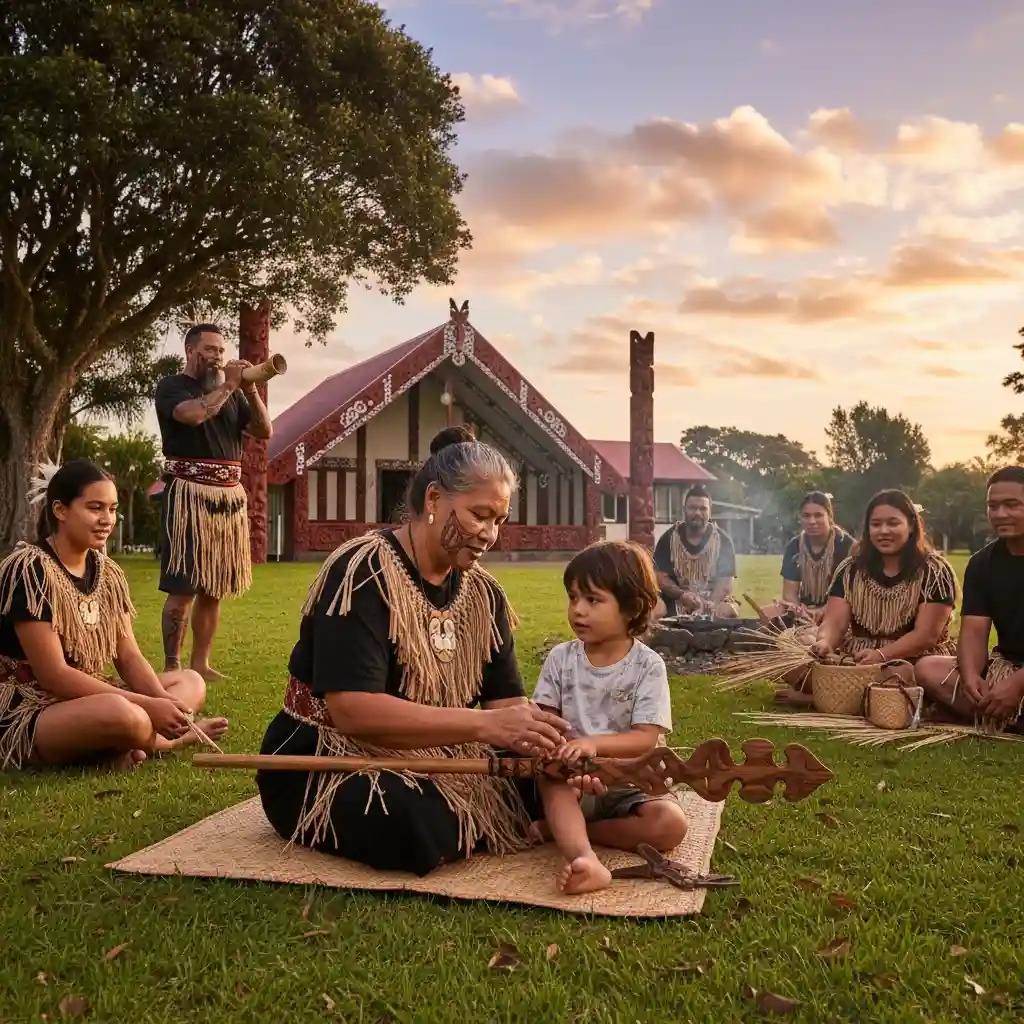
If you are a Māori grandparent denied access, your argument for contact is strengthened by the child’s right to their culture. The court recognizes that grandparents are often the gatekeepers of tribal knowledge, language, and customs. Denying a child access to their grandparents can effectively deny them access to their heritage.
When applying for orders, emphasize how you contribute to the child’s cultural identity. Are you the conduit to their cousins? Do you take them to the marae? These factors weigh heavily in the court’s assessment of the child’s welfare.
Navigating Conflict with Adult Children
Legal battles are expensive, stressful, and can permanently damage relationships. Before litigation, and even during it, navigating the conflict with your adult children (or their ex-partners) is critical.
The Gatekeeper Dynamic
Parents are the gatekeepers of their children. When a relationship breakdown occurs between the parents, grandparents often feel the need to “pick a side.” This is a strategic error. To maintain access to your grandchildren, you must strive to remain neutral territory.
Strategies for De-escalation:
- Respect Boundaries: Even if you disagree with their parenting style, vocalizing this criticism can lead to estrangement. Unless the child is in danger, respect the parents’ rules.
- Communication Channels: If verbal communication leads to arguments, switch to written communication (email or text) which creates a record and allows for cooler heads to prevail.
- Focus on the Child: In all interactions, frame your requests around the child’s needs, not your rights. Instead of saying “I have a right to see him,” say “He really enjoys our Sunday walks and it would be good for him to continue that routine.”
Financial Support and Legal Aid
Pursuing grandparents’ rights in NZ can be costly. However, financial support is available for those who qualify.
Legal Aid
If you cannot afford a lawyer, you may be eligible for Legal Aid. This is government funding to pay for legal help. It is not always free; you may have to pay some of it back, but it makes representation accessible. Eligibility depends on your income and the value of your assets.
Unsupported Child’s Benefit
If the situation has escalated to the point where you are taking over the full-time care of your grandchildren (becoming the primary caregiver), you may be eligible for financial assistance from Work and Income NZ, such as the Unsupported Child’s Benefit. This is distinct from the standard parenting payment and recognizes the additional burden on non-parent caregivers.
For specific guidance on legal rights and community support, Community Law Aotearoa provides free legal advice and is an invaluable resource for grandparents navigating this complex system.
Frequently Asked Questions
Below are common questions regarding grandparents’ rights and roles in New Zealand family law.
Do grandparents have automatic visitation rights in NZ?
No, grandparents do not have automatic visitation rights in New Zealand. However, under the Care of Children Act 2004, they have the legal standing to apply to the Family Court for a parenting order to secure contact if they can prove it is in the best interests of the child.
Can I stop my daughter or son from moving my grandchild away?
It is difficult to prevent a parent from relocating unless you have a current Parenting Order in place or can prove the move puts the child at risk. If you have a Parenting Order, a parent usually requires the court’s permission or your consent to move the child to a location that would significantly affect your contact arrangements.
How much does it cost to apply for grandparents’ rights?
The cost varies significantly. Applying for a Parenting Order involves court filing fees (approx. $220, though this can be waived). However, legal fees for a lawyer can run into the thousands. Family Dispute Resolution (mediation) is often subsidized by the government, costing up to $448 per party if you are not eligible for full funding.
What is the difference between guardianship and day-to-day care?
Day-to-day care (formerly custody) refers to who the child lives with and who handles daily routines. Guardianship involves the legal responsibility for major decisions, such as education, religion, and medical treatment. Grandparents can apply for one or both, depending on the situation.
Can grandparents apply for custody if the parents are unfit?
Yes. If parents are unable to care for a child due to addiction, violence, or neglect, grandparents can apply for day-to-day care. In severe cases involving Oranga Tamariki, the state prefers placing children with whānau (kin) over strangers, making grandparents the preferred option for placement.
Do I need a lawyer to see my grandchildren?
You do not strictly need a lawyer to apply for a Parenting Order, as you can represent yourself. However, given the complexity of the Family Court and the emotional nature of the proceedings, hiring a family lawyer is highly recommended to ensure your application is presented correctly.