
High conflict separation NZ refers to a relationship breakdown characterized by persistent hostility, an inability to communicate effectively, and often prolonged litigation regarding the care of children. In Aotearoa New Zealand, managing these complex situations typically requires strict legal boundaries, the implementation of “parallel parenting” strategies, and intervention from the Family Court under the Care of Children Act 2004 to prioritize the safety and well-being of tamariki.
Identifying High-Conflict Behaviors
Separation is rarely easy, but there is a distinct difference between a painful breakup and a high-conflict separation. In a standard separation, parents may disagree or feel hurt, but they generally retain the ability to negotiate and place their children’s needs above their own emotional turmoil. In contrast, a high-conflict separation in New Zealand is often driven by one or both parties engaging in patterns of behavior that make resolution nearly impossible without third-party intervention.
High-conflict personalities (HCPs) often display traits such as a refusal to compromise, black-and-white thinking, and an intense need to control the narrative. You might notice that no matter how reasonable your proposal is, it is met with hostility or counter-accusations. Common behaviors include:
- Verbal Abuse and Harassment: A barrage of texts, emails, or calls that are demeaning or threatening.
- Alienation: Attempting to turn the children against the other parent or making disparaging remarks about the other parent in front of the children.
- Litigation Abuse: Using the Family Court system as a weapon by filing frivolous applications or constantly breaching orders to force the other party back into court.
- Financial Control: Hiding assets, refusing to pay child support (Formula Assessment), or draining joint accounts.
Recognizing these behaviors early is crucial. If you are dealing with a high-conflict individual, traditional mediation strategies may not work and could potentially leave you vulnerable.

The Legal Framework in Aotearoa
Navigating the legal system is often unavoidable in high-conflict scenarios. In New Zealand, the primary legislation governing these disputes is the Care of Children Act 2004. The paramount principle of this Act is that the welfare and best interests of the child (tamariki) must be the first consideration.
Parenting Orders
When parents cannot agree on day-to-day care or contact, the Family Court can issue a Parenting Order. In high-conflict cases, these orders need to be incredibly detailed. Vague terms like “reasonable contact” are dangerous because they leave room for interpretation and manipulation. Instead, orders should specify pick-up and drop-off times, locations, and specific rules around holidays and special occasions.
Family Dispute Resolution (FDR)
Generally, parents are required to attend Family Dispute Resolution (FDR) before applying to the court. However, in cases involving domestic violence or significant safety concerns, you may be exempt from this requirement. It is vital to articulate these safety concerns clearly to your lawyer or the court registrar.
Lawyer for Child
In contentious cases, the Court may appoint a Lawyer for Child. This is an independent lawyer whose role is to advocate for the children’s best interests, not the parents’. They will interview the children (if they are old enough) and report back to the Court regarding the children’s views and welfare.
For authoritative information on court processes, you can refer to the New Zealand Ministry of Justice website, which outlines the steps for applying for parenting orders and safety protections.
Parallel Parenting vs. Co-Parenting
The gold standard for separated parents is often touted as “co-parenting,” where parents communicate frequently, attend school events together, and present a united front. However, in a high-conflict separation, co-parenting is often impossible and can be psychologically damaging due to the constant exposure to conflict.
The recommended strategy for high-conflict situations is Parallel Parenting. This approach minimizes direct contact and disengages the parents from each other while allowing both to maintain a relationship with the children.
Key Principles of Parallel Parenting:
- Limited Communication: Communication is restricted to writing (email or parenting apps) and limited to logistics only.
- Separate Lives: Parents do not attend the same appointments or events simultaneously unless necessary and safe.
- Autonomy: What happens in Mum’s house stays in Mum’s house, and what happens in Dad’s house stays in Dad’s house, provided the children are safe. There is no attempting to control the other parent’s parenting style.
- Formal Handovers: Exchanges of children occur in neutral locations (like school or a public place) to avoid confrontation.
Communication Strategies: The BIFF Method
One of the most effective tools for managing a high-conflict ex-partner is controlling how you communicate. High-conflict individuals often try to provoke an emotional response (supply). When you respond with anger or defensiveness, you feed the conflict.
Experts recommend the BIFF method for all written communication:
- Brief: Keep it short. 2-3 sentences are often enough.
- Informative: Stick to the facts (times, dates, medical info). Exclude opinions.
- Friendly: Maintain a polite, professional tone (e.g., “Thanks,” or “Regards”). This prevents you from looking hostile in court.
- Firm: State your position clearly and end the conversation. Do not leave it open for negotiation if the decision is made.
Additionally, consider using communication apps designed for separated parents, such as TalkingParents or OurFamilyWizard. These platforms save unalterable records of all messages, which can be admissible in court. This accountability often reduces abusive language.

Prioritising the Well-being of Tamariki
Children are the silent victims of high-conflict separations. Research shows that it is not the separation itself that harms children most, but the ongoing conflict between parents. In Aotearoa, the Family Court places immense weight on the psychological safety of the child.
To protect your children:
- Be the Safe Harbor: Ensure your home is a conflict-free zone. Do not quiz them about the other parent.
- Validate, Don’t Alienate: If a child complains about the other parent, listen and validate their feelings (“That sounds frustrating for you”) without adding your own criticism of the ex-partner.
- Transitions: Handovers are high-stress points. Keep them brief and boring. If face-to-face contact is volatile, use a third party or arrange handovers at school/daycare so parents do not meet.
If you fear for your child’s immediate physical or psychological safety, you may need to apply for a Protection Order or an urgent interim Parenting Order without notice. Organizations like Community Law can provide guidance on how to access legal aid and support for these urgent applications.
The Importance of Documentation
In high-conflict separations, “he said, she said” is a common problem. To protect yourself and your children, you must become a meticulous record-keeper. This does not mean obsessing over every detail, but rather keeping a factual log of events.
What to document:
- Missed Visits: If the other parent fails to collect the children or returns them late.
- Abusive Communication: Save screenshots of texts, emails, and social media posts.
- Incidents: Keep a diary of concerning behaviors, noting dates, times, and witnesses.
- Financials: Keep records of all child-related expenses and child support payments.
This documentation serves as vital evidence if you end up in Family Court. It helps your lawyer construct a timeline and demonstrates patterns of behavior rather than isolated incidents.
Building Your Support Network
Surviving a high-conflict separation in NZ requires a robust support system. The emotional toll can be exhausting, leading to “compassion fatigue” or burnout. You cannot effectively parent if you are running on empty.
Professional Support: Engage a lawyer who understands high-conflict dynamics. Not all family lawyers are equipped for the intensity of these cases. Additionally, find a counsellor or psychologist for yourself. They can help you develop coping strategies and maintain your “Grey Rock” demeanor (becoming uninteresting and unresponsive to the high-conflict person).
Community Support: Lean on whānau and trusted friends, but be mindful not to burn them out. Support groups, either online or local, can connect you with others navigating similar challenges in the NZ family law system.
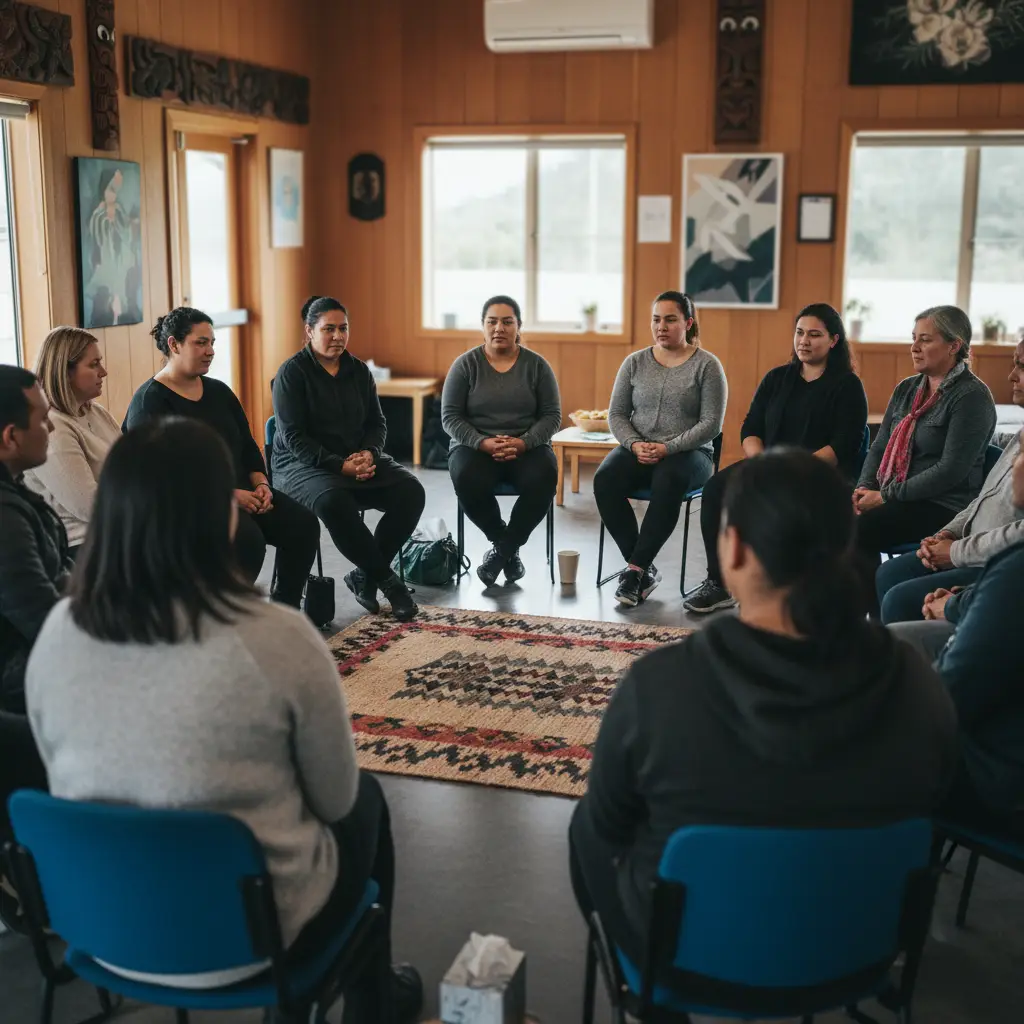
Remember, high-conflict separations are a marathon, not a sprint. By establishing firm boundaries, utilizing the legal protections available in New Zealand, and prioritizing the emotional safety of your tamariki, you can navigate this storm and reach a place of peace.
People Also Ask
What is the Grey Rock method in separation?
The Grey Rock method is a communication strategy used when dealing with abusive or high-conflict individuals. It involves becoming as uninteresting and unresponsive as a grey rock. You give short, monotone answers, show no emotion, and refuse to engage in arguments, thereby denying the high-conflict person the drama or reaction they seek.
How much does a Parenting Order cost in NZ?
Applying for a Parenting Order in the Family Court costs $220 NZD (as of current fee structures), but this fee can be waived if you are on a benefit or have low income. However, the primary cost is usually legal fees, which can vary significantly. Legal Aid is available for those who qualify financially.
What is the difference between a Protection Order and a Parenting Order?
A Parenting Order sets out who cares for the children and when (custody and access). A Protection Order is designed to protect a person and their children from domestic violence (physical, psychological, or financial). A Protection Order puts strict conditions on the abuser regarding contact and possession of weapons.
Can I record my ex-partner without them knowing in NZ?
In New Zealand, it is generally legal to record a conversation you are a participant in without the other person’s consent (one-party consent). However, using these recordings in Family Court is at the judge’s discretion. They may be admitted if they prove a pattern of abuse, but secret recordings can sometimes be viewed negatively by the court as increasing conflict.
What happens if a parent breaches a Parenting Order?
If a parent repeatedly breaches a Parenting Order without reasonable excuse, the other parent can apply to the court for enforcement. Consequences can include an admonishment, a fine, a bond, or in severe cases, a change in the parenting arrangement or community work. The court focuses on compliance to ensure the child’s stability.
What is a Section 133 report?
A Section 133 report is a psychological report ordered by the Family Court under the Care of Children Act. A registered psychologist interviews the parents and children to assess the family dynamic and the psychological health of the parties. This report provides recommendations to the judge regarding the children’s care arrangements.