
Self-care after separation in NZ involves intentionally nurturing your physical, mental, and emotional well-being amidst the significant life changes that accompany the end of a relationship. It’s about proactive strategies, from professional support to healthy habits, designed to help you navigate grief, adapt to new circumstances, and ultimately thrive as an individual.
Separation is undeniably one of life’s most challenging experiences, often triggering a cascade of emotions from grief and anger to anxiety and uncertainty. In New Zealand, the process can feel particularly isolating, compounded by cultural nuances and the practicalities of navigating a new life. While the emotional toll is immense, prioritising self-care during this tumultuous period is not a luxury but a fundamental necessity for healing and moving forward. This comprehensive guide will delve into actionable strategies, offering a roadmap for maintaining your well-being and fostering resilience after a separation in Aotearoa.
Understanding the Emotional Landscape of Separation in NZ
The journey through separation in New Zealand is deeply personal, yet it often involves universal stages of grief – denial, anger, bargaining, depression, and acceptance. For many, the breakdown of a relationship impacts not only their emotional state but also their sense of identity, financial stability, and social circles. The unique context of New Zealand, with its strong emphasis on family (whānau) and community, can add layers of complexity, as individuals might feel pressure or observe different support dynamics. It’s crucial to acknowledge these feelings and the profound impact they have on your daily life, rather than suppressing them. Understanding that these emotions are a natural response to significant loss is the first step towards healthy coping.
Beyond the immediate emotional upheaval, separation can also bring about practical challenges. These might include navigating property division, child custody arrangements, or simply adjusting to living alone or in a new environment. Each of these elements can contribute to stress, making a structured approach to self-care even more vital. Recognising the interplay between emotional and practical stressors allows for a holistic approach to recovery, ensuring that both internal and external challenges are addressed thoughtfully.

Prioritising Mental Health Support and Professional Counseling
One of the most critical aspects of self-care after separation is actively addressing your mental health. The emotional impact can be overwhelming, and seeking professional guidance can provide invaluable tools and support. Recognising when you need help and taking the brave step to reach out is a sign of strength, not weakness.
Seeking Professional Help and Therapy
Engaging with a qualified therapist, counsellor, or psychologist can offer a safe, confidential space to process your emotions, develop coping mechanisms, and gain perspective. These professionals can help you navigate grief, manage anxiety or depression, and work through complex feelings associated with the separation. In New Zealand, there are various avenues for accessing mental health support, including private practitioners, community mental health services, and subsidised options through your GP. Don’t hesitate to explore these resources; a good therapeutic relationship can be a cornerstone of your healing journey. For more information on finding support, the Mental Health Foundation of New Zealand provides extensive resources and directories.
Connecting with Peer Support Groups
While professional help is crucial, connecting with others who have experienced similar situations can provide unique comfort and understanding. Peer support groups, whether online or in-person, offer a sense of community and validation. Sharing experiences with people who truly ‘get it’ can reduce feelings of isolation and provide practical advice from those who have walked a similar path. Many organisations in NZ facilitate such groups, focusing on separation, grief, or single parenting. These groups can be a powerful reminder that you are not alone in your struggle.
Mindfulness and Stress Reduction Techniques
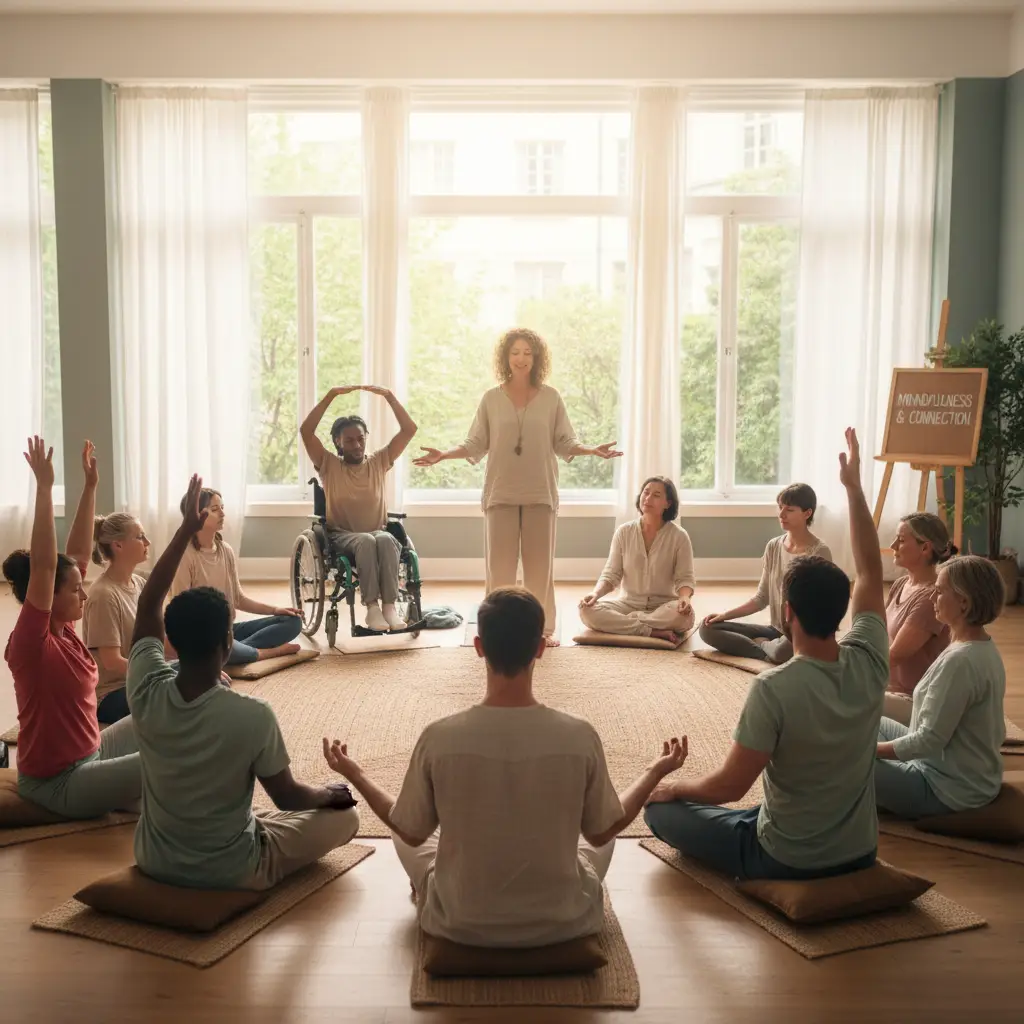
Incorporating mindfulness and stress reduction techniques into your daily routine can significantly enhance your mental well-being. Practices like meditation, deep breathing exercises, and yoga can help anchor you in the present moment, reduce rumination, and promote emotional regulation. Even short, daily practices can make a substantial difference in managing stress and fostering inner calm during a period of upheaval. There are numerous free apps and online resources available in NZ that offer guided meditations suitable for beginners.
Nourishing Your Body: The Power of Physical Activity and Nutrition
Your physical health is intrinsically linked to your mental health. During times of stress, it’s easy to neglect basic needs, but focusing on your body can provide a powerful foundation for recovery and resilience.
The Benefits of Regular Physical Activity
Physical activity is a proven mood booster. Exercise releases endorphins, reduces stress hormones, and can significantly alleviate symptoms of anxiety and depression. Whether it’s walking along a beach, hiking a local track, joining a gym, or practicing a sport, finding an activity you enjoy is key. Even 30 minutes of moderate exercise most days of the week can make a profound difference. Consider exploring New Zealand’s beautiful natural environment as a backdrop for your physical activity – the fresh air and scenery can be incredibly therapeutic.
The Importance of Healthy Eating Habits
When stressed, many people turn to comfort food, which can be high in sugar and unhealthy fats. While occasional indulgences are fine, maintaining a balanced, nutritious diet is vital for sustained energy, improved mood, and overall health. Focus on whole foods, plenty of fruits and vegetables, lean proteins, and healthy fats. Planning meals in advance, even simple ones, can help prevent reliance on less healthy convenience options. Hydration is also crucial; ensure you are drinking enough water throughout the day.

Prioritising Rest and Sleep Hygiene
Stress and emotional distress often disrupt sleep patterns. However, adequate, restorative sleep is non-negotiable for both physical and mental recovery. Aim for 7-9 hours of quality sleep per night. Establish a consistent sleep schedule, create a relaxing bedtime routine (e.g., warm bath, reading, avoiding screens), and ensure your bedroom is dark, quiet, and cool. If sleep difficulties persist, consult with your GP, as sleep deprivation can significantly impede your healing process.
Cultivating a Robust Personal Support Network
While navigating separation, the temptation to withdraw can be strong. However, maintaining and strengthening your connections with others is a vital component of self-care. Your support network acts as a buffer against isolation and can provide practical and emotional assistance.
Relying on Friends, Whānau, and Family
Lean on your trusted friends and family (whānau). They can offer emotional comfort, a listening ear, and sometimes practical help with tasks like childcare or errands. Communicate your needs clearly and allow others to support you. Remember, it’s okay to ask for help. Spend quality time with those who uplift you and respect your journey. Reaching out to old friends or strengthening bonds with existing ones can provide much-needed perspective and distraction.
Engaging with Community and Local Groups
Beyond your immediate circle, consider engaging with your local community. Joining a club, volunteering, participating in a local sport, or taking up a new class can introduce you to new people and provide a sense of purpose. This can be particularly beneficial for single parents, as many communities in NZ offer groups and activities tailored to families navigating new structures. Even a simple coffee with a neighbour can make a difference in feeling connected.
Setting Healthy Boundaries and Expectations
While seeking support, it’s equally important to set healthy boundaries. You might need to limit interactions with people who are unsupportive, critical, or who drain your energy. It’s also crucial to manage expectations of what others can provide. Not everyone will understand your experience, and that’s okay. Protect your emotional space and prioritise relationships that genuinely contribute to your well-being. Learning to say ‘no’ without guilt is a powerful self-care tool.
Navigating Practicalities with Self-Compassion
Separation often brings a host of practical challenges that can feel daunting. Approaching these tasks with self-compassion, rather than self-criticism, is essential for maintaining your well-being.
Seeking Legal and Financial Guidance
Understanding your legal rights and financial situation is paramount after separation. In New Zealand, family law governs divorce, property division, and child custody. Consulting with a lawyer specialising in family law can provide clarity and ensure your interests are protected. Similarly, speaking with a financial advisor can help you budget, manage assets, and plan for your independent future. The Citizens Advice Bureau NZ offers free, confidential advice on a wide range of topics, including legal and financial matters related to separation.
Effective Co-Parenting Strategies (if applicable)
If children are involved, effective co-parenting becomes a primary focus. Prioritise your children’s well-being by striving for respectful communication and cooperation with your former partner. Developing clear co-parenting agreements, focusing on shared responsibilities, and avoiding conflict in front of children are crucial. Resources such as parenting courses for separated parents, often available through community organisations, can provide valuable strategies for navigating this complex terrain. Remember, successful co-parenting is also a form of self-care, as it reduces stress for both you and your children.
Rebuilding Your Identity and Embracing a New Chapter
Separation often means shedding an identity linked to a couple. This can be disorienting but also presents a unique opportunity for growth, self-discovery, and embracing a new future.
Rediscovering Hobbies and Passions
Take this time to reconnect with hobbies you once loved or explore new interests that pique your curiosity. Whether it’s painting, gardening, learning a new language, hiking, or photography, engaging in activities purely for pleasure can be incredibly therapeutic. These pursuits not only provide enjoyment but also help you rediscover who you are outside of the relationship, fostering a renewed sense of self and purpose.
Setting New Goals and Future Visions
Look forward by setting new personal, professional, or social goals. These could be small, achievable steps or larger, long-term aspirations. Having something to work towards can provide motivation, structure, and a sense of direction during a time that might otherwise feel adrift. Celebrate every milestone, no matter how minor, as a testament to your progress and resilience. This forward-thinking approach is a powerful act of self-care, guiding you towards a fulfilling future.
Conclusion: Embracing Your Journey of Healing
Navigating life after separation in New Zealand is a profound journey of transformation, demanding immense strength, courage, and, most importantly, consistent self-care. It’s a process that is rarely linear, filled with ups and downs, but by intentionally prioritising your mental, physical, and emotional well-being, you equip yourself with the tools to heal, adapt, and ultimately flourish. Remember that self-care is not selfish; it is foundational to your ability to rebuild your life, care for your children (if applicable), and contribute positively to your community. Be patient and kind to yourself, seek support when needed, and celebrate every step forward. Your journey of healing is unique, and by embracing these self-care strategies, you are laying the groundwork for a resilient and vibrant future in Aotearoa.
People Also Ask
What are the immediate self-care steps after a separation in NZ?
Immediately after separation, focus on establishing a safe and stable living situation, seeking initial emotional support from trusted friends or family, and prioritising basic needs like sleep and nutrition. Consider consulting with a GP for mental health resources or legal advice if necessary. Give yourself permission to feel your emotions without judgment.
How can I manage emotional distress and grief after a relationship breakdown in New Zealand?
Managing emotional distress involves allowing yourself to grieve, engaging in mindfulness or meditation, seeking professional counseling (e.g., from a therapist or psychologist), and connecting with peer support groups. Regular physical activity and a balanced diet can also significantly impact your mood and resilience.
What local resources are available in NZ for mental health support after separation?
New Zealand offers various mental health resources. You can consult your GP for referrals to subsidised counseling, access services through the Mental Health Foundation of New Zealand, or connect with community mental health services. Many NGOs and online platforms also provide support groups and resources specifically for people undergoing separation.
How important is physical health in the self-care process after separation?
Physical health is incredibly important. Regular exercise, a nutritious diet, and adequate sleep are foundational for both physical and mental well-being. They can reduce stress, improve mood, boost energy levels, and enhance your ability to cope with the emotional challenges of separation. Neglecting physical health can exacerbate emotional distress.
What are effective ways to build a new support network after separation in NZ?
To build a new support network, actively reach out to trusted friends and family (whānau), join community groups or clubs, volunteer for causes you care about, or participate in local activities. Online forums and specific separation support groups can also connect you with others who understand your experience. Be open to new connections and communicate your needs.
How can I rebuild my identity and find purpose after a significant separation?
Rebuilding your identity involves exploring and rediscovering personal interests and hobbies, setting new individual goals (both small and large), and embracing opportunities for personal growth. This is a chance to define who you are as an individual, independent of your past relationship. Focus on activities that bring you joy and a sense of accomplishment.