
Pre-marital counselling in NZ is a proactive and invaluable process designed to equip couples with essential tools and insights before marriage. It helps partners understand each other’s expectations, improve communication, and develop conflict resolution skills, laying a robust foundation for a resilient and fulfilling partnership within the New Zealand context.
Understanding Pre-Marital Counselling in NZ
Entering into marriage is one of life’s most significant milestones. While often celebrated with joy and anticipation, it also represents a profound commitment that requires preparation beyond wedding plans. Pre-marital counselling in New Zealand offers couples a structured, supportive environment to explore crucial aspects of their relationship before tying the knot. This proactive approach aims not to solve existing crises, but rather to prevent future ones by equipping partners with vital communication, conflict resolution, and understanding skills.
What is Pre-Marital Counselling?
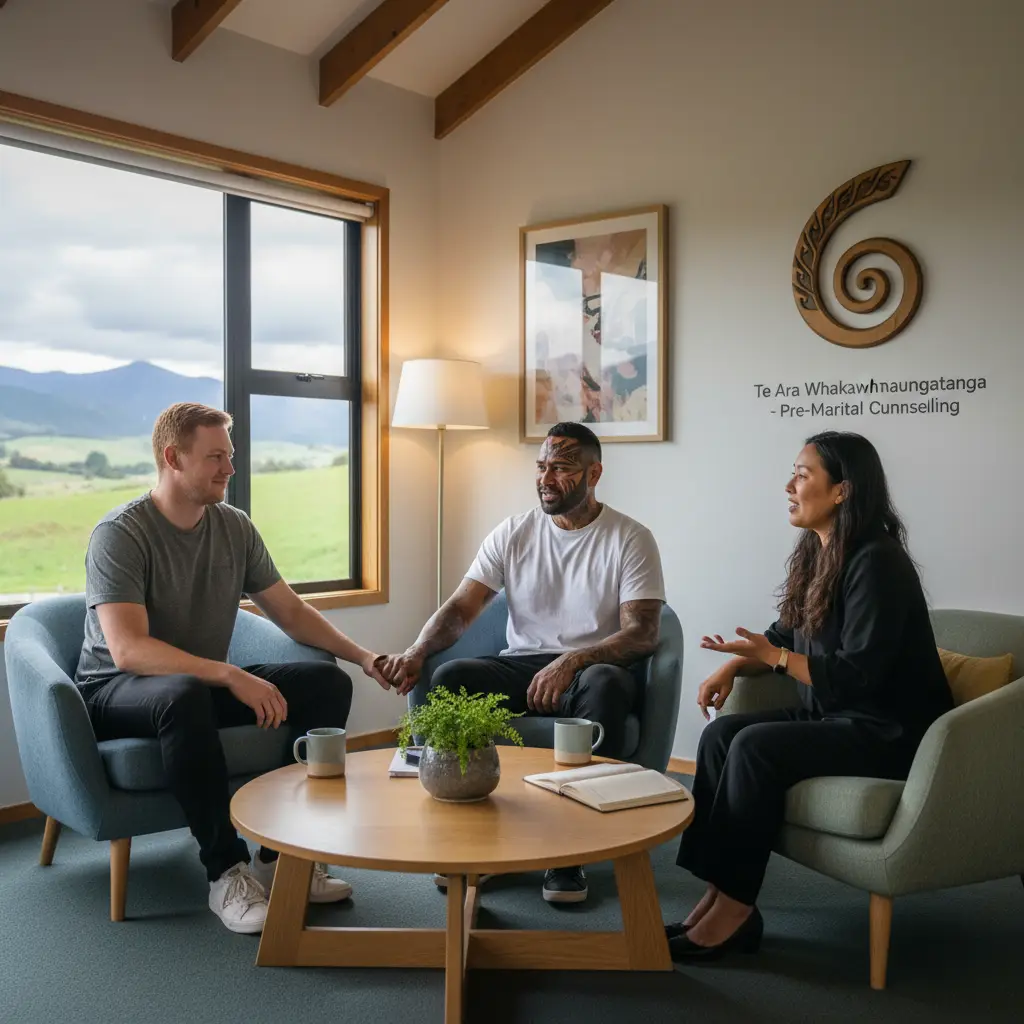
Pre-marital counselling is a specialised form of couples therapy focused on preparing individuals for the challenges and joys of married life. Unlike traditional therapy that often addresses problems once they arise, pre-marital sessions are forward-looking. They provide a safe space for partners to discuss expectations, values, and potential areas of friction with the guidance of a trained professional. In New Zealand, this can be facilitated by a variety of qualified practitioners, including registered counsellors, psychologists, and family therapists who specialise in relationship dynamics.
The process typically involves a series of confidential sessions where couples learn to navigate complex topics with greater empathy and clarity. It’s about building a shared language and a toolkit for a successful partnership, ensuring both individuals feel heard, understood, and confident in their decision to commit to a lifelong journey together.
Why Consider It Before Tying the Knot in New Zealand?
The modern landscape of marriage is complex, with unique pressures and expectations that differ from previous generations. In New Zealand, couples often balance careers, family obligations, and personal aspirations, all of which can impact a relationship. Pre-marital counselling offers a vital opportunity to address these factors head-on, fostering resilience and adaptability. It acknowledges that love, while foundational, isn’t always enough to sustain a marriage through its inevitable ups and downs.
Considering pre-marital counselling before your New Zealand wedding signals a commitment to a healthy, enduring partnership. It demonstrates a willingness to invest in the emotional health of your relationship, similar to how one might invest in financial planning or health check-ups. It’s a testament to the belief that a strong marriage is built on understanding, open communication, and a shared vision for the future.
The Benefits of Proactive Relationship Health
Investing in pre-marital counselling extends far beyond just preventing arguments; it actively cultivates a stronger, more vibrant relationship. By addressing potential issues before they become entrenched, couples can build a foundation of trust, respect, and mutual understanding that will serve them well throughout their married life.
Building a Strong Foundation
A solid foundation is crucial for any enduring structure, and marriage is no exception. Pre-marital counselling helps couples articulate their individual visions for marriage and work towards a shared one. This involves discussing core values, life goals, and expectations around roles and responsibilities. By bringing these often unspoken assumptions into the open, couples can ensure they are truly aligned, reducing the likelihood of future misunderstandings and disappointments. This process helps to uncover and align expectations around family life, career trajectories, personal space, and collective dreams, creating a robust framework for shared life.
Enhancing Communication Skills
Effective communication is the cornerstone of any successful relationship. Counselling sessions provide practical tools and techniques to improve how partners express their thoughts, feelings, and needs. This includes learning active listening, understanding non-verbal cues, and developing strategies for expressing difficult emotions constructively. Many couples discover they’ve been communicating past each other rather than with each other. A counsellor can facilitate dialogues that teach partners how to truly hear and validate each other, even when they disagree. This enhanced ability to communicate openly and honestly forms the bedrock of a trusting and intimate relationship.
Navigating Conflict Constructively
Conflict is an inevitable part of any close relationship. The goal of pre-marital counselling isn’t to eliminate conflict, but to equip couples with healthy and respectful ways to navigate it. Therapists teach strategies for identifying underlying issues, expressing grievances without blame, and finding mutually agreeable solutions. This involves understanding each other’s conflict styles and developing a joint approach that prevents disagreements from escalating into damaging fights. Learning to fight fairly and resolve differences effectively is a powerful skill that protects the emotional well-being of both partners and the relationship itself. For more insights into healthy relationship dynamics, consider resources from reputable organisations like the New Zealand Association of Counsellors (NZAC).
Aligning Expectations and Values
Often, couples enter marriage with unspoken or misaligned expectations about everything from daily routines to long-term life plans. Pre-marital counselling provides a forum to discuss these expectations openly. Topics might include career aspirations, financial management, family planning, division of household labour, leisure time, and how to maintain individual identities within the partnership. By clarifying and aligning these expectations, couples can avoid future resentments and build a shared understanding of their life together. This process also helps identify core values and how they will shape decisions and priorities within the marriage.
Key Topics Covered in Pre-Marital Counselling Sessions
Pre-marital counselling covers a comprehensive range of subjects designed to provoke thought and facilitate deep conversation between partners. These topics are carefully selected to address common areas of marital conflict and ensure couples are well-prepared for life’s complexities.
Communication Styles and Active Listening
This foundational module explores how each partner typically communicates and identifies areas for improvement. Sessions often involve exercises in active listening, reflective feedback, and ‘I’ statements to ensure messages are received and understood accurately. Couples learn to recognise communication breakdowns and develop healthier patterns for expressing needs, feelings, and thoughts without defensiveness.
Financial Management and Budgeting
Money is a leading cause of marital stress. This section delves into individual financial histories, spending habits, saving goals, debt management, and future financial planning. Counsellors help couples create a shared financial vision, establish transparent budgeting practices, and discuss how financial decisions will be made collaboratively. It’s about fostering financial harmony and ensuring both partners feel secure and respected in monetary matters.
Family Backgrounds and Dynamics
Each partner brings a unique family history and set of traditions into the marriage. This module encourages couples to discuss their upbringing, family values, relationships with in-laws, and how these factors might influence their own married life. Understanding each other’s family-of-origin dynamics can illuminate expectations about roles, holidays, parenting styles, and how to manage relationships with extended family.
Intimacy and Affection
Physical and emotional intimacy are vital for a thriving marriage. This topic covers expectations around physical affection, sexual health, frequency of intimacy, and how to maintain emotional closeness. It’s a space to discuss comfort levels, desires, and ways to nurture a fulfilling and respectful intimate connection throughout the marriage, addressing potential areas of misunderstanding or differing needs.
Parenting Styles and Family Planning
For couples considering or planning to have children, this module is crucial. It explores individual views on parenting, discipline, education, religious upbringing (if applicable), and family size. Even if children are not on the immediate horizon, discussing these topics ensures alignment and allows couples to proactively plan for future family dynamics. It also covers decisions around childcare and work-life balance.
Conflict Resolution Strategies
Building on the earlier discussion of navigating conflict, this section provides practical, step-by-step strategies for resolving disagreements. Techniques taught include ‘time-out’ strategies, using neutral language, focusing on solutions rather than blame, and understanding when to compromise. The goal is to transform conflict into an opportunity for growth and deeper understanding, rather than a source of resentment.
Shared Goals and Future Aspirations
Marriage thrives when partners share a vision for their future. This topic helps couples articulate their individual and joint goals regarding career paths, personal development, leisure activities, travel, community involvement, and long-term aspirations. By aligning these goals, couples can work together more effectively towards a fulfilling shared life and support each other’s individual dreams.

Relationship ‘Tune-Ups’ for Long-Term Couples: Beyond Pre-Marital
Just as a car requires regular servicing to run efficiently, a long-term relationship benefits immensely from periodic ‘tune-ups.’ Relationship check-ups are not exclusive to couples on the brink of marriage; they are equally, if not more, valuable for those who have been together for years or even decades. These sessions offer an opportunity to proactively review the health of the partnership, ensuring it continues to thrive amidst life’s inevitable changes.
Why Ongoing Support Matters
Marriage is a dynamic journey, not a static destination. Over time, individuals grow and change, life circumstances shift, and external pressures mount. What worked in the early years of a relationship might not be sufficient a decade later. Ongoing relationship support acknowledges this evolution, providing a dedicated space to adapt, reconnect, and reinforce healthy patterns. It’s an investment in sustaining joy and connection, preventing small issues from escalating into significant problems.
Recognizing When a Check-up is Needed
Often, couples only seek therapy when a crisis hits. However, a relationship tune-up is most effective when it’s preventative. Signs that a check-up could be beneficial include:
- Recurring arguments about the same issues.
- A feeling of growing distant or disconnected.
- Major life transitions (e.g., career changes, parenthood, empty nest, retirement).
- Decreased intimacy or affection.
- Unresolved resentments or unspoken grievances.
- A general sense that the spark has diminished, even if there are no major conflicts.
These are not necessarily indicators of a failing relationship, but rather signals that intentional communication and reconnection could be highly beneficial.
Benefits for Established Relationships
For long-term couples, a relationship tune-up can offer numerous benefits:
- Reigniting Connection: Helping partners rediscover shared interests and deepen emotional intimacy.
- Adapting to Change: Providing tools to navigate life transitions and their impact on the relationship.
- Resolving Lingering Issues: Offering a neutral space to address long-standing disagreements with fresh perspective.
- Preventing Burnout: Supporting partners in maintaining individual well-being while nurturing the relationship.
- Celebrating Growth: Acknowledging the journey together and setting new goals for the future.
Finding Qualified Relationship Therapists in NZ
Choosing the right therapist is a crucial step in ensuring effective pre-marital or ongoing relationship counselling. In New Zealand, it’s important to seek out practitioners who are not only experienced but also registered with appropriate professional bodies, guaranteeing they meet high standards of ethics and competence.
Key Qualifications and Registrations
When searching for a relationship therapist in New Zealand, look for individuals registered with one or more of the following professional organisations:
- New Zealand Association of Counsellors (NZAC): Members are held to a strict code of ethics and professional standards.
- New Zealand Psychologists Board (NZPB): For registered psychologists who may also specialise in relationship therapy.
- Psychotherapists Board of Aotearoa New Zealand (PBANZ): For registered psychotherapists.
- New Zealand Association for Family and Systemic Therapy (NZAFST): Members often specialise in family and couples work.
These registrations ensure the therapist has met specific educational, supervision, and ethical requirements. You can often verify a therapist’s registration status through the respective organisation’s website. For general information on mental health support in New Zealand, the Mental Health Foundation of New Zealand offers valuable resources.
How to Choose the Right Counsellor
Beyond qualifications, personal fit is incredibly important. Here are factors to consider:
- Specialisation: Does the therapist specifically work with couples or specialise in pre-marital counselling?
- Approach: Ask about their therapeutic approach (e.g., Emotionally Focused Therapy, Gottman Method, Systemic Therapy).
- Rapport: It’s essential that both partners feel comfortable and trust the counsellor. Many therapists offer a brief initial consultation.
- Logistics: Consider location, availability, and session fees.
Important Questions to Ask
Don’t hesitate to ask potential counsellors questions during an initial inquiry:
- What is your experience working with couples for pre-marital counselling or relationship tune-ups?
- What is your therapeutic approach?
- What are your fees, and do you offer any sliding scale options?
- How long are sessions, and how frequently do you recommend them?
- What is your confidentiality policy?
- Are you registered with NZAC or another relevant professional body?
Cost, Duration, and Logistics of Counselling in New Zealand
Understanding the practical aspects of pre-marital or relationship counselling, such as cost and duration, can help couples plan their journey effectively. While these factors can vary, there are general expectations within New Zealand.
Typical Session Structure
A typical pre-marital or relationship counselling session in NZ usually lasts between 50 to 90 minutes. The number of sessions required can vary depending on the couple’s needs and the therapist’s approach, but a common range for pre-marital counselling is 4-12 sessions. Some therapists may recommend an initial individual session with each partner, followed by joint sessions. The frequency is often weekly or bi-weekly initially, transitioning to less frequent as progress is made. For tune-ups, it might be a shorter series of 2-4 sessions to address specific areas.
Funding and Subsidies
Counselling fees in New Zealand typically range from $120 to $250 per session, though this can vary by location and therapist experience. While pre-marital counselling is generally not covered by public health funding, there are some avenues for support:
- Employee Assistance Programmes (EAPs): Many employers offer EAP services, which provide a limited number of free counselling sessions for employees and sometimes their partners.
- WINZ (Work and Income New Zealand): In some circumstances, if counselling is deemed necessary for personal or family well-being, WINZ may provide financial assistance. Eligibility criteria apply.
- Private Health Insurance: Some private health insurance policies may offer partial coverage for counselling or psychological services. It’s important to check your specific policy details.
- Community Services: Some community trusts or non-profit organisations may offer low-cost or subsidised counselling services.
It’s always recommended to discuss fees and potential funding options directly with your chosen therapist during your initial inquiry.

Frequently Asked Questions About Relationship Counselling
How long does pre-marital counselling typically last in NZ?
In New Zealand, pre-marital counselling typically involves a series of 4 to 12 sessions, each lasting between 50 to 90 minutes. The exact duration can vary based on the couple’s specific needs, the topics they wish to cover, and the counsellor’s therapeutic approach. Some couples may find their needs met in fewer sessions, while others may opt for a more extended period of engagement.
Is pre-marital counselling covered by insurance in New Zealand?
Generally, pre-marital counselling is not covered by public health funding in New Zealand. However, some private health insurance policies may offer partial coverage for counselling services. Additionally, Employee Assistance Programmes (EAPs) provided by employers can sometimes cover a limited number of sessions for employees and their partners. It’s advisable to check with your insurance provider or employer for specific details.
What is the main goal of pre-marital counselling?
The main goal of pre-marital counselling is to equip couples with essential tools and insights to build a strong, resilient, and fulfilling partnership before marriage. It focuses on enhancing communication, developing conflict resolution skills, aligning expectations, and discussing key areas such as finances, family dynamics, and intimacy to prevent future issues and foster deeper understanding.
Can pre-marital counselling help if we already have a strong relationship?
Absolutely. Pre-marital counselling is not just for couples experiencing difficulties; it’s a proactive investment in even the strongest relationships. It helps reinforce existing strengths, identifies potential blind spots, and provides advanced tools for navigating future challenges, ensuring a robust foundation for long-term happiness and stability. It’s a ‘relationship tune-up’ that benefits all couples.
What qualifications should a pre-marital counsellor in NZ have?
In New Zealand, a qualified pre-marital counsellor should be registered with a reputable professional body such as the New Zealand Association of Counsellors (NZAC), the New Zealand Psychologists Board (NZPB), or the Psychotherapists Board of Aotearoa New Zealand (PBANZ). These registrations ensure they meet high standards of education, ethical practice, and ongoing professional development, providing assurance of their competence.
Are there any free or low-cost options for pre-marital counselling in NZ?
While truly free pre-marital counselling is uncommon, there are some low-cost or subsidised options available in New Zealand. These can include services offered through Employee Assistance Programmes (EAPs), potential financial assistance from Work and Income NZ (WINZ) under specific circumstances, or community trusts and non-profit organisations that may offer reduced fees. It’s worth inquiring directly with local counselling services about their fee structures and any available subsidies.