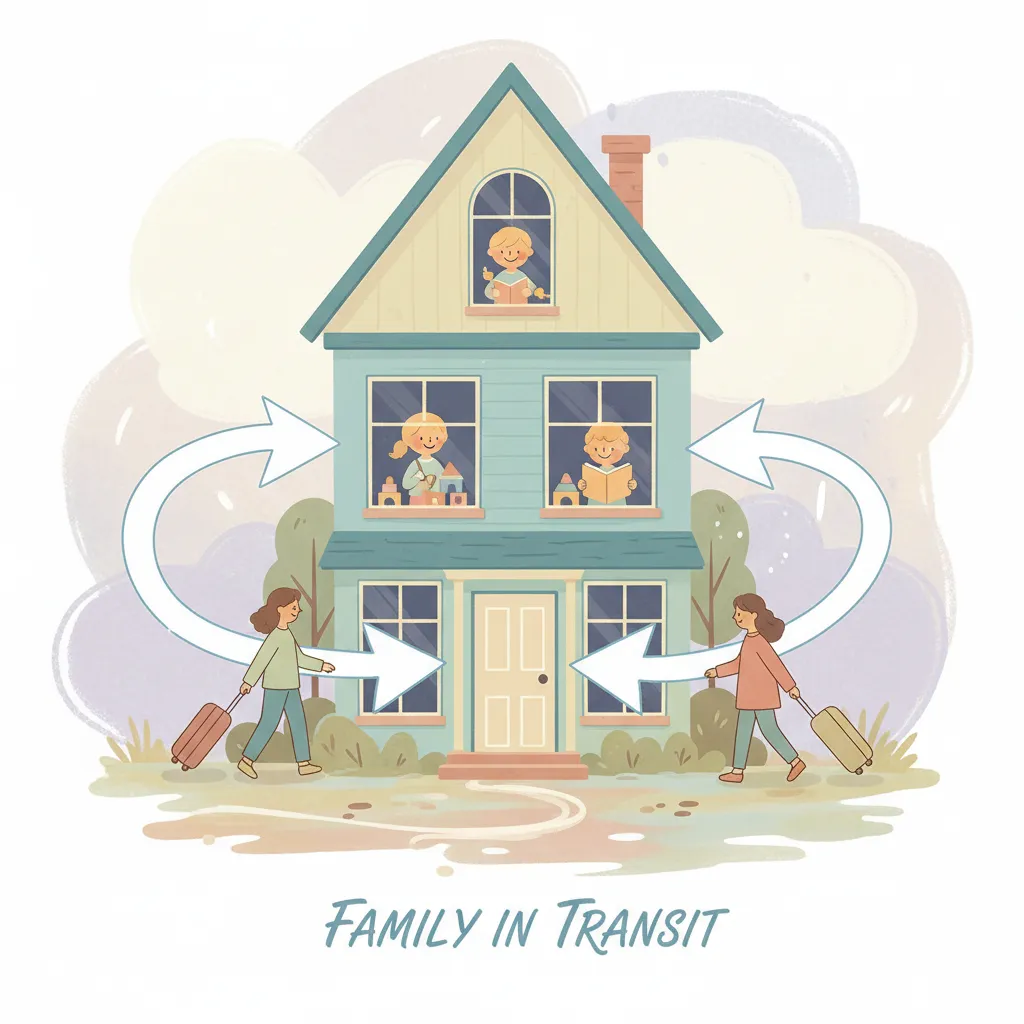
Moving child to another city nz law dictates that a parent cannot unilaterally relocate a child if the move significantly impacts the child’s relationship with the other guardian. Under the Care of Children Act 2004, you generally require the other parent’s consent or a Family Court order to move, as residence is considered a major guardianship decision.
Understanding the Legal Framework: Guardianship in NZ
When navigating the complexities of separation, one of the most contentious issues is the desire of one parent to move away. Whether it is for a new job, a new partner, or simply to be closer to extended family support, the legal reality in New Zealand is strict. To understand moving child to another city nz law, one must first understand the concept of Guardianship.
In New Zealand, most parents are guardians of their children. Guardianship is distinct from “day-to-day care” (formerly known as custody). While day-to-day care relates to who the child lives with on a daily basis, guardianship confers the right and responsibility to contribute to the child’s intellectual, emotional, physical, and social development. Crucially, this includes determining the child’s place of residence.
Because the location of a child’s home is a “guardianship decision,” it must be made jointly. If one parent wishes to change the child’s residence—specifically to a degree that it prevents the current care arrangements from continuing—they cannot do so unilaterally. If the other guardian disagrees with the move, the dispute must be resolved either through agreement (often facilitated by mediation) or by a judge in the Family Court.

Domestic Relocation: Moving a Child to Another City
Many parents mistakenly believe that travel restrictions only apply to leaving the country. However, domestic relocation is frequently litigated in New Zealand. The legal test for moving a child from Auckland to Christchurch, or even Hamilton to Tauranga, can be just as rigorous as moving a child overseas if the move disrupts the child’s relationship with the non-relocating parent.
The courts in New Zealand do not have a presumptive right of a parent to move. There is no automatic right for a primary caregiver to relocate simply because they have the majority of care. Conversely, there is no automatic right for the other parent to veto a move. The court approaches each case as a blank slate, governed entirely by the principle of the child’s welfare.
If you move a child to another city without consent, the other parent can apply to the Family Court for an urgent “Order to Settle Dispute between Guardians” or a “Warrant to Enforce Parenting Order.” In many cases, the court will order the child to be returned to the original city immediately until the dispute is properly heard. This can be traumatic for the child and damaging to the relocating parent’s legal standing.
The “Welfare and Best Interests” Test
Under Section 4 of the Care of Children Act 2004, the welfare and best interests of the child are the “first and paramount consideration.” When a judge decides on a relocation case, they are not prioritizing the happiness of the mother or the father, but rather the developmental needs of the child.
The court weighs several factors when considering a relocation application:
- Continuity of Care: The benefit of maintaining stability in the child’s life versus the benefits of the proposed new environment.
- Relationships: The potential impact of the move on the child’s relationship with the non-relocating parent. The court views the child having a relationship with both parents as fundamentally important.
- The Reason for the Move: Is the move necessary for financial survival, or is it a lifestyle choice? While the court doesn’t dictate where adults live, if a parent’s mental health or financial viability depends on the move, the court acknowledges that a happier, more stable parent benefits the child.
- The Non-Relocating Parent’s Ability to Travel: Can the left-behind parent afford to travel? Do they have the flexibility to maintain contact over long distances?
- The Child’s Views: Depending on the age and maturity of the child, a lawyer for the child will be appointed to ascertain their wishes.
For authoritative information on the Care of Children Act, you can refer to the New Zealand Ministry of Justice guidelines on care of children.
Psychological Arguments in High-Conflict Relocation
In the niche of high-conflict divorce, relocation cases are often the most volatile. From a psychological perspective, these cases are not just about geography; they are about control, attachment, and sometimes alienation.
The Impact on Attachment
Psychological literature often debated in NZ Family Courts centers on attachment theory. If a child has a secure attachment to both parents, severing or significantly reducing contact with one can cause long-term emotional harm. In high-conflict scenarios, the relocating parent might argue that the move is necessary to escape a toxic environment, thereby improving their own parenting capacity. This is a valid psychological argument: a distressed, isolated parent is less able to meet a child’s needs than a supported, happy parent living elsewhere.
Gatekeeping and Alienation
Conversely, the non-relocating parent often argues that the move is a form of “geographic alienation”—an attempt to marginalize their role in the child’s life. If the court suspects the move is motivated by a desire to cut the other parent out, the application is highly likely to fail. The psychological readiness of the relocating parent to facilitate contact is scrutinized heavily. The court looks for a “psychological parent” who demonstrates a genuine commitment to the child’s relationship with the other party.

International Relocation and the Hague Convention
While domestic relocation laws are strict, moving a child out of New Zealand brings international treaties into play. If a child is taken out of New Zealand without consent, it is considered international child abduction.
New Zealand is a signatory to the Hague Convention on the Civil Aspects of International Child Abduction. This treaty ensures that if a child is wrongfully removed to another member country, the courts of that country will generally order the child’s immediate return to New Zealand so that the dispute can be heard here. The Hague Convention is not about who gets custody; it is about jurisdiction—deciding where the custody case should be heard.
International relocation proposals face a higher hurdle than domestic ones simply because the logistics of contact become exponentially harder and more expensive. The loss of the day-to-day relationship is absolute. Therefore, the relocating parent must present an exceptionally strong case regarding why the move is in the child’s best interests, often involving significant financial proposals to fund international travel for the other parent.
Preparing a Successful Relocation Proposal
Whether you are moving to another city in NZ or overseas, the success of your application often hinges on the quality of your proposal. A vague idea of “we will figure it out” will not satisfy the Family Court. You need a detailed, robust plan.
A successful proposal should include:
- The Logistics of Contact: A specific schedule. For example, “The child will fly back to [City] one weekend per month, and spend 50% of all school holidays with the other parent.”
- Financial Responsibility: Who pays for the travel? Typically, the relocating parent is expected to bear the majority, if not all, of the travel costs to facilitate the relationship they are disrupting.
- Communication Plan: A schedule for video calls (Skype/Zoom/FaceTime). In high-conflict cases, specifying the exact times and protocols for these calls is vital to reduce friction.
- Accommodation: Where will the other parent stay if they visit the new city?
- Support Network: Evidence of the support system (grandparents, cousins, schools) available in the new location compared to the current one.
You can find resources on drafting parenting agreements at Community Law NZ.
Procedural Steps: FDR and Court Applications
Before you can apply to the court for a relocation order (unless it is urgent/without notice), you are generally required to attempt Family Dispute Resolution (FDR). This is a mediation process designed to help parents reach an agreement without a judge.
If FDR fails, the process typically follows these steps:
- Application: File an application under the Care of Children Act for a direction regarding the dispute (relocation).
- Notice of Defence: The other parent files a response opposing the move.
- Lawyer for Child: The court appoints an independent lawyer to represent the child’s interests.
- Reports: The court may order a specialist report (Section 133 report) from a psychologist to assess the impact of the move on the child.
- Hearing: A judge hears the evidence and makes a binding decision.
This process can take months, or even over a year. Parents wishing to move for a specific school term start date must plan well in advance.
Conclusion
Relocation cases are among the most difficult decisions the Family Court has to make. There is rarely a compromise; either the child moves, or they do not. For parents involved in high-conflict separations, understanding moving child to another city nz law is critical. It requires shifting the focus from your personal desire to move toward a child-centric plan that preserves the child’s identity and relationships. If you are considering a move, or opposing one, early legal advice and a strategic, psychological approach to the child’s welfare are your best tools for a favorable outcome.
People Also Ask (FAQs)
Can I move my child within New Zealand without the father’s consent?
Technically, no. If the move is significant enough to impact the contact arrangements or the relationship between the child and the father, it is considered a guardianship decision. You should obtain written consent or a court order before moving.
How far can I move with my child without court permission in NZ?
There is no specific distance (e.g., 50km or 100km) defined in the Care of Children Act. The test is whether the move substantially affects the child’s relationship with the other parent or the current care arrangements.
What happens if I move and then the other parent goes to court?
The court may issue an urgent order requiring you to return the child to the original city immediately. This is often granted to preserve the status quo until a full hearing can take place.
Does the mother have more rights to relocate the child?
No. New Zealand law does not favor the mother or the father. The court looks exclusively at the welfare and best interests of the child. Being the primary caregiver does not grant an automatic right to relocate.
How much does it cost to go to court for relocation in NZ?
Costs vary significantly depending on the complexity of the case and whether you hire private counsel. It can range from a few thousand dollars to tens of thousands if the matter proceeds to a multi-day hearing with specialist reports.
Can a child decide where they want to live in NZ?
A child’s views must be taken into account, and their influence grows with age and maturity. However, a child does not have the final say; the judge decides based on what is in their best interests, which may sometimes differ from the child’s stated wish.