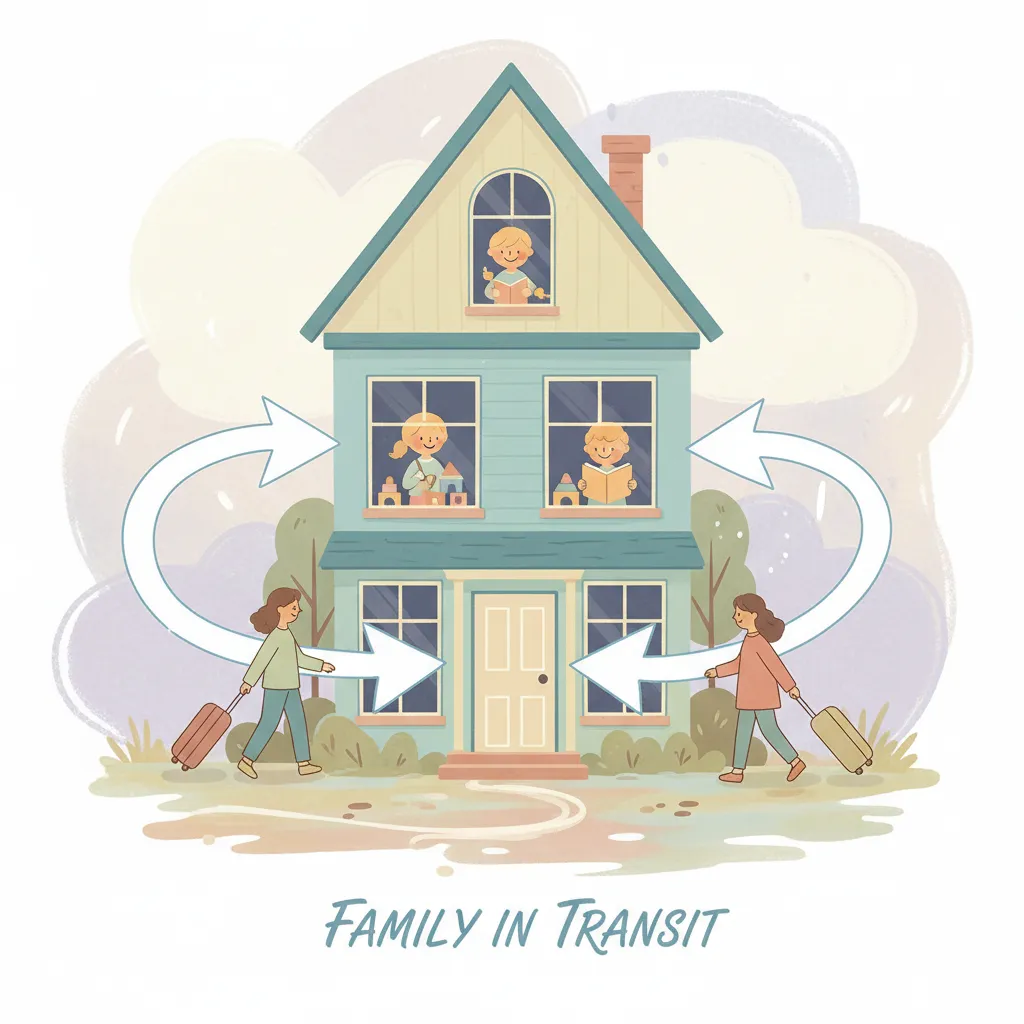
Shared care pros and cons nz revolve around balancing a child’s right to a meaningful relationship with both parents against the stability required for psychological health. While 50/50 custody fosters bonding and shared responsibility, it can cause significant emotional distress and “transition fatigue” in high-conflict dynamics or when age-inappropriate schedules are enforced without flexibility.
Understanding Shared Care in the New Zealand Context
In New Zealand, the landscape of separation and divorce is governed primarily by the Care of Children Act 2004. Unlike older terminologies that focused on “custody” and “access,” modern NZ family law focuses on “day-to-day care” and “contact.” The paramount principle of the Act is the welfare and best interests of the child. While the law does not explicitly mandate a 50/50 split of time, there is a pervasive cultural and systemic presumption that shared care is the ideal outcome.
For many New Zealand families, the concept of 50/50 shared care is viewed as the gold standard of co-parenting. It suggests equity, fairness to parents, and the opportunity for a child to maintain deep roots in both maternal and paternal whānau. However, psychological research suggests that treating children’s time as a resource to be divided equally between adults can sometimes overlook the developmental and emotional needs of the child, particularly in high-conflict scenarios.
The psychological toll of shared care is not always immediately visible. It manifests in subtle behavioral changes, anxiety regarding transitions, and a sense of rootlessness that some psychologists refer to as the “suitcase child” syndrome. To understand whether this arrangement is beneficial or detrimental, we must look beyond the schedule and into the emotional climate in which the care is taking place.
The Pros and Cons of Shared Care in NZ
When evaluating shared care pros and cons nz, it is essential to view them through the lens of the child’s experience rather than the parents’ desire for equality. A 50/50 arrangement works exceptionally well in specific circumstances but can be disastrous in others.

The Advantages of Shared Care
When parents are cooperative, communicate well, and live in close proximity, shared care offers immense benefits:
- Deepened Relationships: Children avoid the “weekend visitor” dynamic. Both parents are involved in the mundane, day-to-day aspects of parenting—homework, bedtime routines, and discipline—rather than just leisure time.
- Reduced Maternal Gatekeeping: It prevents one parent from dominating the child’s upbringing, ensuring the child benefits from different parenting styles and family traditions.
- Shared Financial Burden: While child support in NZ is calculated based on nights of care and income, a true 50/50 split often eases the pressure on the higher-earning parent while allowing the lower-earning parent to maintain a career.
The Disadvantages and Risks
However, the cons can be severe if the foundation of co-parenting is unstable:
- Logistical Chaos: For the child, remembering where their sports gear, homework, or favorite toy is can be a source of chronic low-level stress.
- Lack of a “Home Base”: Some children report feeling like nomads, never fully settling into a rhythm before being uprooted again.
- Exposure to Conflict: In a 50/50 arrangement, the number of interactions (handovers) is high. If parents are in conflict, the child is exposed to this tension frequently.
The Impact of High Conflict on Shared Care Success
The single biggest predictor of poor outcomes for children in divorce is not the specific schedule, but the level of conflict between parents. High-conflict divorce creates a toxic environment where the child is often triangulated, forced to take sides, or used as a messenger.
In high-conflict scenarios, a 50/50 shared care arrangement can be psychologically damaging. Regular transitions require regular communication between parents. If that communication is hostile, abusive, or manipulative, the child enters a state of hyper-vigilance. They may develop “chameleon” personalities, altering their behavior, preferences, and even speech patterns to survive in two vastly different and hostile environments.
Psychologists distinguish between “co-parenting” and “parallel parenting.” Co-parenting involves collaboration and flexibility. Parallel parenting, often necessary in high-conflict NZ cases, involves disengaging from the other parent and operating independent households with minimal contact. While parallel parenting can mitigate conflict, a rigid 50/50 schedule within this dynamic can still leave the child feeling fragmented, living two separate lives that never intersect.
According to research cited by the New Zealand Ministry of Justice, the emotional safety of the child must take precedence over the parents’ wish for equal time. In cases of extreme conflict, the Family Court may look at reducing transition frequencies to protect the child’s mental health.
Age-Appropriate Schedules: Infants vs. Teens
One of the most common mistakes in shared care arrangements is applying a “one size fits all” approach. A schedule that works for a 10-year-old is often developmentally inappropriate for a toddler or a teenager.
Infants and Toddlers (0-3 Years)
Attachment theory suggests that infants need a primary attachment figure to develop a secure base. While infants can and do form multiple attachments, long separations from the primary caregiver (often, but not always, the mother) can cause anxiety and attachment disorders.
For this age group, frequent but short contact is often better than week-on/week-off blocks. A 2-2-3 schedule or frequent day visits may be preferable to long durations away from the primary attachment figure. The goal is to maintain the bond with the other parent without disrupting the infant’s sense of security.
School-Aged Children (4-12 Years)
This demographic often handles 50/50 care the best, provided the logistics are managed well. They have a concept of time and can anticipate the schedule. A week-on/week-off schedule with a mid-week dinner visit is common in New Zealand. It reduces the number of transitions (handovers) while ensuring neither parent goes too long without seeing the child.
Teenagers (13-18 Years)
Adolescents generally require more autonomy. A rigid court-ordered 50/50 schedule can interfere with their social lives, part-time jobs, and sports commitments. Teens often resent being forced to pack a bag every Friday. At this stage, flexibility is key. The Family Court typically gives significant weight to the views of children in this age bracket, allowing them to vote with their feet regarding where they spend their time.
The Psychological Toll of Rigid 50/50 Arrangements
When shared care is enforced rigidly without regard for the child’s temperament or the parental dynamic, the psychological toll can be profound. This is often described as “transition fatigue.”

The “Homeless” Feeling
Even in loving homes, children in 50/50 care may feel they are guests in both houses but residents of neither. They may live out of a backpack, constantly worrying they have left a school book or a uniform at the “other” house. This logistical anxiety takes up cognitive bandwidth that should be used for learning and playing.
Loyalty Binds
In shared care, children often feel an immense pressure to ensure the parents feel “fairly treated.” They may suppress their own desire to stay at one house for a weekend event because they don’t want to hurt the other parent’s feelings. This parentification—where the child cares for the parent’s emotional needs—is a significant psychological burden.
Arguments Against 50/50 in Toxic Dynamics
There are strong arguments against 50/50 shared care when the dynamic is toxic, involving narcissism, coercive control, or unaddressed mental health issues. In these cases, shared care provides the abusive parent with continued access to control the former partner through the child.
1. The Weaponization of Handovers:
Every transition becomes an opportunity for conflict, interrogation, or silent treatment. The child absorbs this tension physically, often leading to somatic symptoms like stomach aches or headaches before a changeover.
2. Inconsistent Parenting Styles:
If one home is structured and warm, and the other is chaotic or neglectful, the child struggles to internalize rules and values. This inconsistency can lead to behavioral issues, which the “strict” parent is then blamed for, while the “fun” or negligent parent is idolized.
3. Counter-Parenting:
In toxic dynamics, one parent may actively undermine the other—ignoring medical advice, disparaging the other parent to the child, or scheduling activities to clash with the other parent’s time. A 50/50 split amplifies the damage of counter-parenting because the exposure is constant.
For further reading on the developmental risks associated with high-conflict custody arrangements, resources from the New Zealand Psychological Society offer valuable insights into child development standards.
Navigating the NZ Family Court System
If you are facing a dispute regarding shared care, understanding the NZ Family Court’s stance is vital. The court does not have a statutory presumption of 50/50 care, despite common belief. Section 4 of the Care of Children Act 2004 clearly states that the child’s welfare and best interests are the first and paramount consideration.
When parents cannot agree, the court may appoint a Lawyer for Child to advocate for the child’s views and best interests. Judges will consider:
- The child’s relationship with each parent.
- The ability of each parent to facilitate a relationship with the other (the “friendly parent” doctrine).
- The safety of the child (psychological and physical).
- The child’s own views (depending on age and maturity).
Parents seeking to move away from a 50/50 arrangement due to psychological toll must provide evidence—not just of their own stress, but of the impact on the child. This might include school reports, medical records regarding stress-related illness, or reports from a child psychologist.
Conclusion: Prioritizing the Child’s Voice
The debate around shared care pros and cons nz is complex. While 50/50 care is a noble goal that validates the importance of both fathers and mothers, it is not a panacea. It requires a high level of parental maturity, communication, and geographical proximity to work effectively.
The psychological toll of shared care becomes unacceptable when the arrangement serves the parents’ rights rather than the child’s needs. Whether it is the exhaustion of the “suitcase life” or the trauma of high-conflict handovers, parents and the courts must remain vigilant. The ultimate measure of success is not whether the calendar is split evenly, but whether the child feels safe, loved, and free to be a child in both homes.
People Also Ask
Is 50/50 custody automatic in NZ?
No, 50/50 custody is not automatic in New Zealand law. The Care of Children Act 2004 prioritizes the welfare and best interests of the child above equal time. While shared care is common, the Family Court decides arrangements based on what best serves the child’s physical and psychological safety.
At what age is 50/50 custody appropriate?
50/50 custody is generally considered most appropriate for school-aged children (ages 5-12) who have a developed sense of time and object permanence. For infants and toddlers, frequent but shorter contact is often recommended over week-long blocks to support attachment. Teenagers often require more flexible schedules.
Can a mother move a child away from the father in NZ?
Generally, one parent cannot unilaterally move a child a significant distance (e.g., to another city or country) without the other guardian’s consent or a court order. This is known as relocation. The court will evaluate if the move is in the child’s best interests, often prioritizing the child’s relationship with both parents.
How does shared care affect child support NZ?
In New Zealand, child support liability is calculated using a formula that considers both parents’ incomes and the amount of time the child spends with each parent. If care is shared 50/50, this is factored into the calculation, typically reducing the amount paid by the higher earner compared to a situation where they have less care.
What are the signs a child is struggling with shared care?
Signs of struggle include increased anxiety before transitions, regression in behaviors (like bedwetting), persistent forgetfulness, somatic complaints (stomach aches), hostility toward one parent, or expressing a strong desire to stop the rotation. These may indicate “transition fatigue” or emotional distress.
What is parallel parenting?
Parallel parenting is a strategy used in high-conflict divorces where parents disengage from each other to reduce conflict. They parent independently with minimal communication, often using specific apps to manage logistics. It allows the child to maintain a relationship with both parents while minimizing exposure to parental hostility.