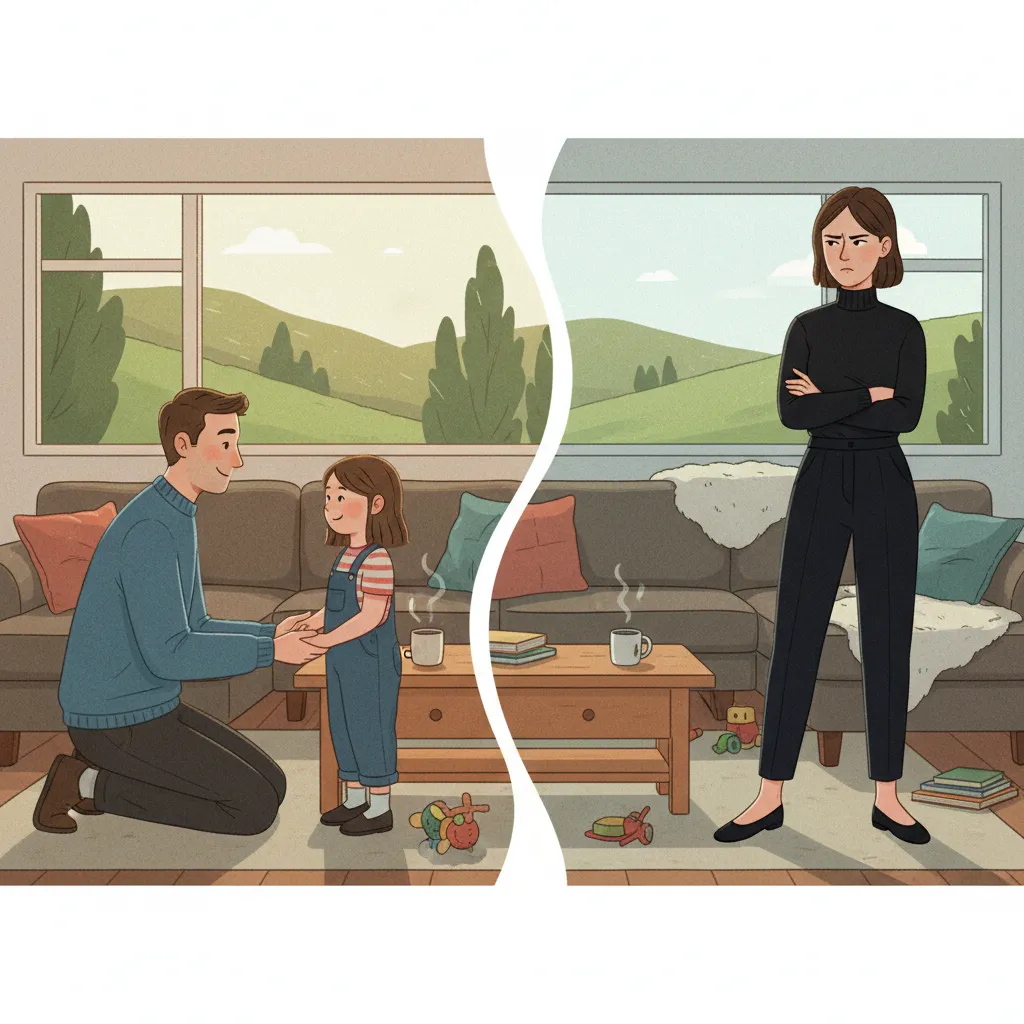
Whāngai adoption NZ refers to the customary Māori practice where a child is raised by relatives other than their birth parents to strengthen whānau bonds and secure lineage. Unlike formal legal adoption under the Adoption Act 1955, whāngai does not automatically sever the child’s legal relationship with their biological parents, meaning the arrangement is culturally binding but often lacks full recognition in statutory law.
In the landscape of New Zealand family law, few topics are as complex and culturally significant as the intersection of tikanga Māori (Māori customary practices) and the statutory legal system. For families navigating the care of children, understanding the distinction between the traditional practice of whāngai and the legal process of adoption is critical. While both aim to provide a loving environment for a child, they operate on fundamentally different philosophies regarding identity, lineage, and legal rights.
This guide provides a comprehensive overview of the customary and legal frameworks governing child placement in Aotearoa, helping whānau understand the implications of both whāngai and formal adoption.
Understanding Whāngai: The Customary Framework
Whāngai is a practice deeply embedded in Māori culture, predating European colonization. The term whāngai literally means “to feed” or “to nourish,” encompassing not just physical sustenance but the nurturing of a child’s mana (prestige), wairua (spirit), and whakapapa (genealogy).
Unlike the Western concept of adoption, which historically focused on the “clean break” theory—severing ties with birth parents to create a new nuclear family—whāngai is about expansion and connection. It is a placement within the wider whānau (extended family) or hapū (sub-tribe) designed to strengthen relationships.
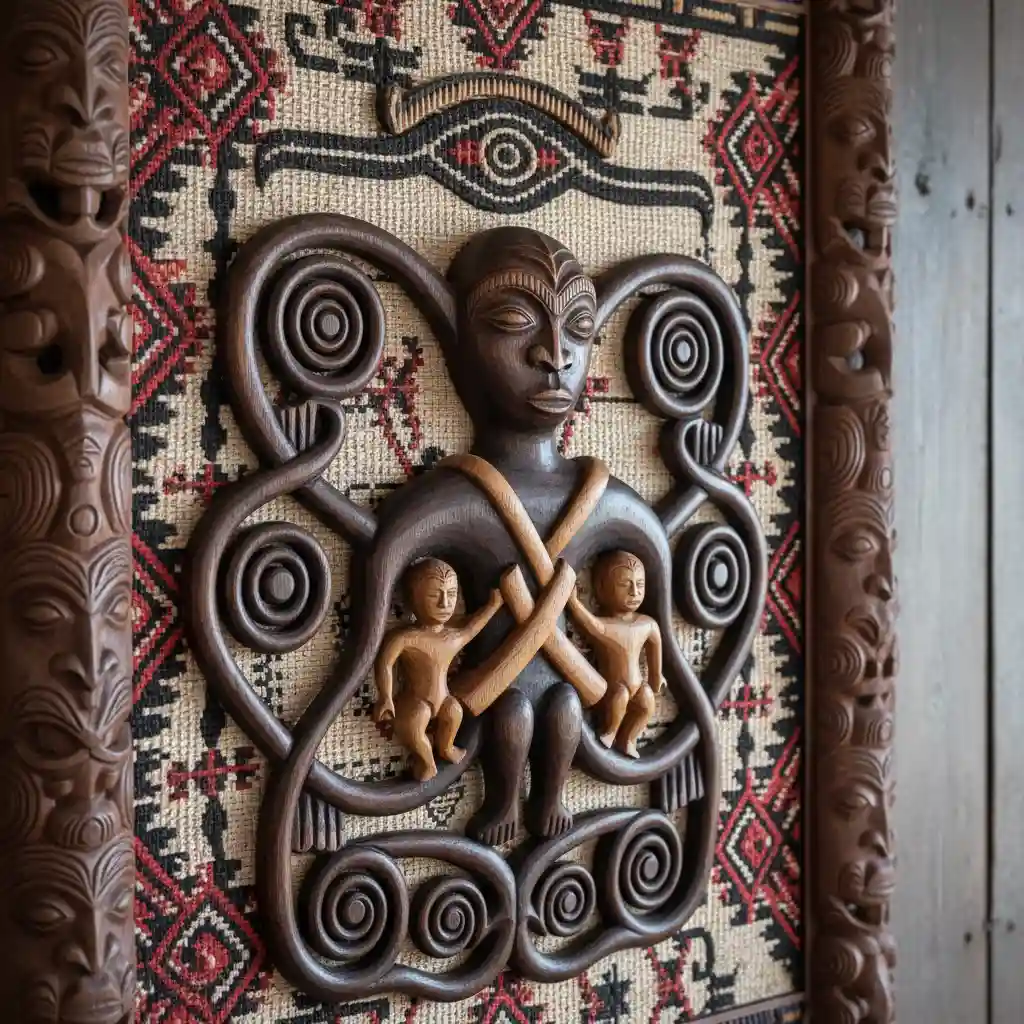
The Philosophy of Openness and Connection
In a whāngai arrangement, the child knows their birth parents and their whakapapa. There is no secrecy. A child might be placed with a grandparent, an aunt, or an older sibling for various reasons:
- Whakapakari: To strengthen ties between two branches of a family.
- Awina: To assist a family member who may be unable to conceive.
- Tiaki: To ensure the child is cared for if the birth parents are in difficulty, without the child leaving the kin group.
- Lineage: To ensure an older relative has a child to pass knowledge and land rights to.
The matua whāngai (customary adoptive parents) take on the daily responsibility of raising the child, but the matua kandro (birth parents) remain acknowledged. The child is not “replaced”; they are shared. This ensures that the child’s identity remains intact, a concept that modern psychology and social work have only recently begun to champion in Western adoption practices.
The Legal Status of Whāngai in New Zealand Law
Despite the prevalence of whāngai in New Zealand society, the legal system has historically struggled to accommodate it. The primary legislation governing adoption in New Zealand is the Adoption Act 1955. This Act is widely considered outdated by legal experts and the Law Commission because it is based on 1950s social values that prioritized secrecy and the complete severance of biological ties.
The Clash Between Tikanga and Statute
Under the Adoption Act 1955, a legal adoption order deems the adoptive parents to be the legal parents “as if the child had been born to them in lawful wedlock.” This legal fiction extinguishes the legal status of the birth parents. Consequently, a traditional whāngai arrangement is not a legal adoption under this Act.
This creates a “legal limbo” for many whāngai families:
- Custody and Guardianship: Matua whāngai do not automatically have legal guardianship. If a medical emergency occurs or a passport is needed, they may face bureaucratic hurdles unless they have secured a parenting order under the Care of Children Act 2004.
- Financial Support: Accessing benefits like Working for Families sometimes requires proof of legal custody, which informal whāngai arrangements may lack.
- Security: Without a legal order, birth parents could theoretically reclaim the child at any time, causing instability for the child.
However, New Zealand law is not entirely silent on the matter. Courts are increasingly required to take tikanga Māori into account. For authoritative history on this legal friction, Te Ara – The Encyclopedia of New Zealand details the historical context of Māori adoption practices and their interaction with colonial law.
The Formal Adoption Process via Oranga Tamariki
For families seeking the legal security that whāngai cannot automatically provide, formal adoption is the route. This process is managed by Oranga Tamariki—Ministry for Children (formerly Child, Youth and Family). It is a rigorous legal process designed to ensure the safety and wellbeing of the child.
Eligibility and Assessment
To adopt a child in New Zealand, applicants must undergo a comprehensive assessment. This involves:
- Application: Submitting a profile and expression of interest.
- Education: Attending preparation courses to understand the lifelong implications of adoption.
- Social Worker Assessment: Interviews, home visits, police vetting, and medical checks. The social worker evaluates the applicants’ ability to provide a safe, stable, and loving home.
- Approval: If approved, applicants enter a pool of potential adoptive parents.
The Court Process
Once a match is made—usually by the birth parents selecting the adoptive parents—the legal process moves to the Family Court. Initially, an interim order is granted. After a set period (usually six months), if the placement is successful and the social worker recommends it, a Final Adoption Order is issued by the judge.
It is crucial to note that once a Final Adoption Order is made, it is permanent. The legal link to the birth family is severed, and the adoptive parents become the sole legal guardians. This finality is why many Māori families hesitate to use the Adoption Act to formalize whāngai situations, as it legally erases the whakapapa connection that whāngai seeks to preserve.
Open Adoption Dynamics and Whakapapa
While the Adoption Act 1955 was written with “closed” adoption in mind (where records were sealed and identities hidden), practice has evolved significantly. Today, almost all adoptions in New Zealand are “open adoptions.”
Bridging the Gap
Open adoption attempts to mirror the connectivity of whāngai within the constraints of the 1955 Act. In an open adoption, the birth parents and adoptive parents agree that the child will have knowledge of and contact with their birth family. This agreement is often formalized in a registered undertaking, although these can be difficult to enforce legally compared to the adoption order itself.
For whāngai situations that proceed to legal adoption, openness is non-negotiable from a cultural standpoint. It allows the child to:
- Maintain their connection to their marae and iwi.
- Understand their medical history and genetic heritage.
- Avoid the “identity crisis” often associated with closed adoptions.

Succession, Land, and Legal Rights
One of the most critical areas where whāngai and legal adoption diverge is in the realm of succession—specifically regarding Māori land. The Te Ture Whenua Māori Act 1993 is one of the few pieces of legislation that explicitly recognizes whāngai, but it does so with strict parameters.
Inheriting Māori Land
Under general NZ law, a legally adopted child inherits from their adoptive parents, not their birth parents. However, regarding Māori land trusts and incorporations, lineage is paramount.
- Whāngai without Legal Adoption: A whāngai child does not automatically succeed to the land interests of their matua whāngai unless specified in a will or determined by the Māori Land Court. However, they retain their succession rights from their birth parents.
- Legal Adoption: A Māori child legally adopted by non-relatives might legally lose their entitlement to succeed to their birth parents’ land, although the Māori Land Court has discretionary powers to recognize tikanga in these matters.
The Māori Land Court generally requires evidence that the whāngai relationship was publicly known and accepted by the community (ahikā) before granting succession rights. This highlights the importance of formally documenting whāngai arrangements, even if not through the Adoption Act. For detailed guidance on land succession, resources from the Māori Land Court (Ministry of Justice) are indispensable.
The Future of Adoption Law Reform in NZ
The tension between the 1955 Act and modern values (including tikanga Māori) has led to persistent calls for reform. The New Zealand Law Commission has reviewed these frameworks, suggesting that new legislation is needed to recognize whāngai as a legitimate legal standing without requiring the “legal fiction” of Western adoption.
Until such reform is passed, families must navigate a dual system: utilizing the Care of Children Act to secure day-to-day guardianship (parenting orders) while maintaining the cultural integrity of the whāngai relationship. This “hybrid” approach—gaining legal guardianship without a full adoption order—is often the best compromise for whānau wanting to protect the child’s rights while honoring their whakapapa.
People Also Ask
Does a whāngai child have the same legal rights as an adopted child?
No, not automatically. A whāngai child does not have the same statutory rights as a legally adopted child under the Adoption Act 1955, particularly regarding automatic inheritance and next-of-kin status, unless a formal adoption order or parenting order is in place.
How can I make a whāngai arrangement legal in NZ?
To give a whāngai arrangement legal standing, the matua whāngai (caregivers) usually apply for a Parenting Order or Guardianship under the Care of Children Act 2004. This grants them the legal right to make decisions for the child without severing the child’s legal relationship with birth parents.
Can a whāngai child succeed to Māori land?
Yes, but it is not automatic. Under Te Ture Whenua Māori Act 1993, the Māori Land Court can recognize a whāngai relationship for succession purposes if it can be proven that the child was taken in and raised as a member of the family in accordance with tikanga.
What is the difference between whāngai and fostering?
Whāngai is a permanent, culturally bound relationship intended to last for life and strengthen family lines, often within the wider kin group. Fostering is typically a temporary arrangement managed by the state (Oranga Tamariki) for children in need of care and protection, though it can become permanent.
Do birth parents retain rights in a whāngai arrangement?
In a customary whāngai arrangement without legal orders, birth parents retain their legal guardianship and rights. In a formal legal adoption, these rights are removed. In a hybrid approach using Parenting Orders, birth parents may retain guardianship but share day-to-day care rights.
Is the Adoption Act 1955 being reformed to include whāngai?
There are ongoing discussions and reports by the Law Commission recommending the reform of the Adoption Act 1955 to better recognize Māori customary practices, including whāngai, but as of now, the 1955 Act remains the primary legislation.