
A strong sense of belonging mental health connection is defined as the subjective feeling of deep acceptance, inclusion, and support within a social group or community. It is a fundamental psychological need that, when satisfied, significantly reduces cortisol levels, alleviates symptoms of depression, and fosters emotional resilience by providing a secure base during life’s challenges.
The Psychology of Belonging: More Than Just a Feeling
In the hierarchy of human needs proposed by Abraham Maslow, the need for love and belonging sits immediately above our basic physiological and safety requirements. This placement is not accidental. For millennia, human survival depended entirely on group cohesion. To be cast out of the tribe was effectively a death sentence. Consequently, our brains evolved to process social rejection in the same neural regions that process physical pain.
Today, while our physical survival may not depend on a tribe in the literal sense, our psychological survival absolutely does. A robust sense of belonging mental health framework acts as a buffer against stress. When individuals feel they are part of a larger whole—whether that is a family, a religious group, a hobbyist club, or a neighborhood—they experience higher levels of self-esteem and lower rates of anxiety. This connection provides “social capital,” a resource that can be drawn upon for emotional support, information, and tangible assistance.

Social Determinants of Health: Connection as a Vital Sign
The medical community increasingly recognizes social connection as a critical component of the Social Determinants of Health (SDOH). These are the conditions in the environments where people are born, live, learn, work, play, worship, and age that affect a wide range of health, functioning, and quality-of-life outcomes and risks. Isolation is no longer viewed merely as a sad emotional state but as a genuine public health crisis.
According to the Centers for Disease Control and Prevention (CDC), social isolation significantly increases a person’s risk of premature death from all causes, a risk that may rival those of smoking, obesity, and physical inactivity. Poor social relationships (characterized by social isolation or loneliness) were associated with a 29% increased risk of heart disease and a 32% increased risk of stroke. Therefore, fostering a sense of belonging is not just a mental health strategy; it is a preventative medical intervention.
Finding Your ‘Third Place’: Beyond Home and Work
In modern society, our lives are often compartmentalized into two main spheres: the domestic sphere (the first place) and the professional sphere (the second place). Sociologist Ray Oldenburg coined the term “Third Place” to describe the social surroundings separate from the two usual social environments of home and the workplace. Examples of third places would be environments such as churches, cafes, clubs, public libraries, or parks.
Third places are essential for democracy and community vitality, but they are also critical for individual mental health. They offer a neutral ground where social hierarchy is leveled, and conversation is the main activity. In these spaces, regulars find a sense of belonging that is distinct from the obligations of family or the performance pressure of work. The decline of these communal spaces in many urban environments has correlated with a rise in reported loneliness, highlighting the need to actively seek out or create these sanctuaries of connection.
Volunteering and the Neuroscience of Shared Purpose
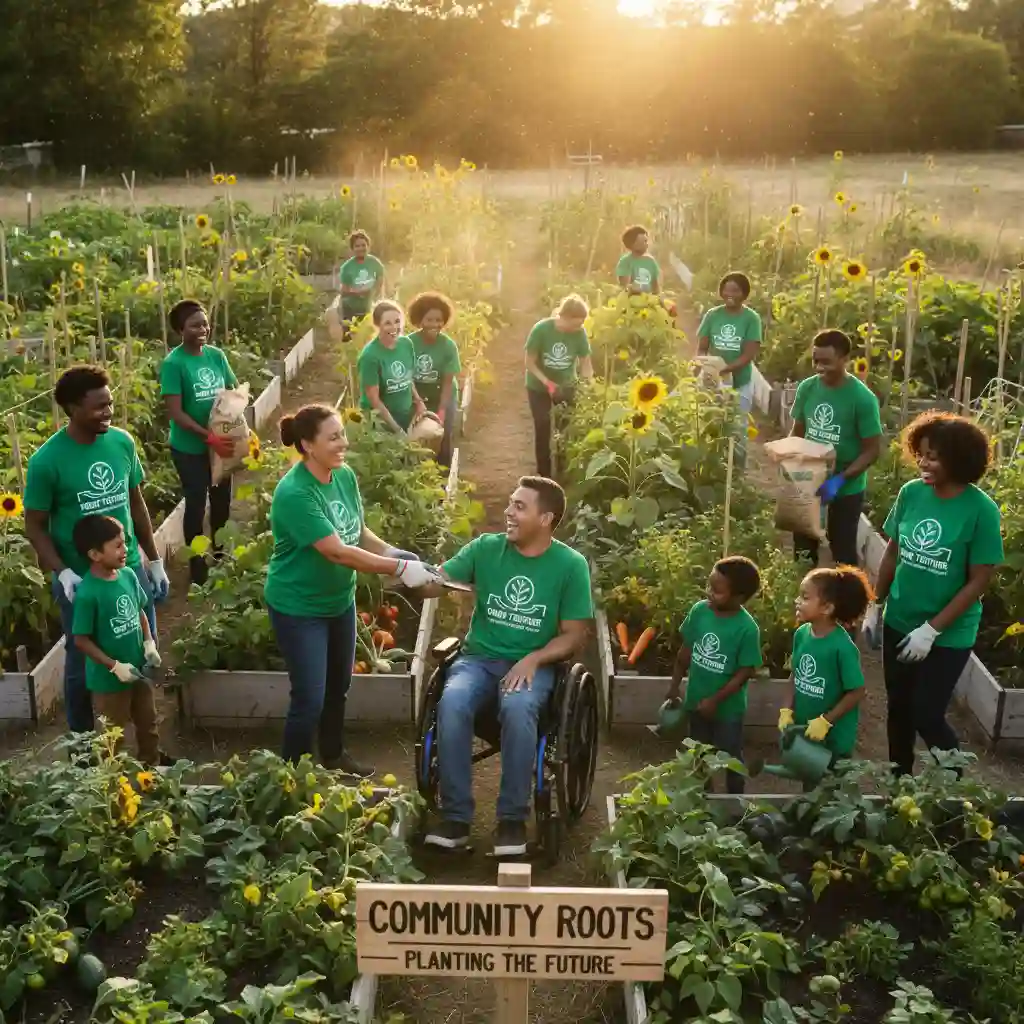
One of the most powerful ways to hack the brain’s reward system and generate a sense of belonging is through volunteering. While casual socialization is beneficial, working toward a shared goal creates a unique type of bond known as “communal coping.” When individuals unite to address a problem or improve their community, the brain releases oxytocin (the bonding hormone) and dopamine (the reward neurotransmitter).
Volunteering shifts the focus from the self to the collective. This shift is particularly therapeutic for individuals suffering from depression or anxiety, which are often characterized by relentless rumination and self-focus. By engaging in altruistic activities, individuals not only validate their worth to the group but also reinforce their own identity as capable, helpful members of society. This reciprocal relationship—giving help and receiving gratitude—solidifies the social contract and deepens the sense of belonging.
Community Support During Crisis and Trauma
Resilience is often discussed as an individual trait, but psychology suggests that resilience is largely ecological. It depends on the quality of the environment and the support systems available. During times of personal or collective crisis—such as a natural disaster, a pandemic, or a personal loss—the presence of a community determines the trajectory of recovery.
Communities that possess high “collective efficacy”—the shared belief in the group’s ability to organize and execute actions—recover faster from trauma. For an individual, knowing that there is a safety net reduces the physiological impact of the trauma. The “buffer hypothesis” in psychology suggests that social support protects (buffers) people from the bad health effects of stressful events. Without this buffer, the “allostatic load” (wear and tear on the body) increases, leading to burnout and breakdown.
The Biological Cost of Isolation
To truly understand the importance of a sense of belonging in mental health, one must look at the biology of loneliness. Chronic loneliness triggers the body’s “fight or flight” stress response. This leads to elevated levels of cortisol, which, over time, can impair immune function, increase inflammation, and disrupt sleep regulation.
Furthermore, studies suggest that lonely individuals perceive the world as more threatening. Their brains become hyper-vigilant to negative social cues, creating a self-fulfilling prophecy where they withdraw further to protect themselves. Breaking this cycle requires conscious effort to re-engage with the community, often starting with small, low-stakes interactions that slowly rebuild the neural pathways associated with trust and safety.
Actionable Steps to Cultivate Community
Building a sense of belonging is a proactive process. It rarely happens by accident in our fragmented, digital-first world. Here are strategic steps to foster deep connections:
- Practice Consistency: Showing up is half the battle. Whether it is a weekly book club or a daily walk in the park, familiarity breeds comfort.
- Engage in Active Listening: Belonging is a two-way street. By making others feel heard and understood, you invite them to reciprocate.
- Embrace Vulnerability: Perfection creates distance; vulnerability creates connection. Sharing struggles (appropriately) signals to others that it is safe for them to do the same.
- Digital to Analog: Use social media to find local groups, but move the interaction offline as quickly as possible. Physical presence provides non-verbal cues essential for bonding.

People Also Ask
Why is a sense of belonging important for mental health?
A sense of belonging is crucial because it acts as a protective buffer against stress, anxiety, and depression. It provides emotional support, validates one’s identity, and reduces the biological markers of stress, such as cortisol, thereby promoting overall psychological stability.
What are the signs of a lack of belonging?
Signs include persistent feelings of loneliness, alienation, or rejection, social withdrawal, heightened sensitivity to criticism, low self-esteem, and physical symptoms like fatigue or sleep disturbances.
How does community affect mental health?
Community positively affects mental health by providing a support network, reducing isolation, offering a sense of purpose, and facilitating access to resources. Strong community ties are linked to increased longevity and faster recovery from trauma.
What is the “Third Place” concept?
The “Third Place” refers to social environments distinct from home (first place) and work (second place), such as cafes, libraries, or parks. These spaces allow for informal social interaction and are vital for building community and a sense of belonging.
Can social isolation cause physical illness?
Yes, chronic social isolation is linked to physical health issues including heart disease, high blood pressure, weakened immune function, and cognitive decline. Research suggests its mortality risk is comparable to smoking 15 cigarettes a day.
How do I find a community if I am an introvert?
Introverts can find community by focusing on shared interests or hobbies, which provide a structured way to interact. Small groups, volunteering for specific tasks, or one-on-one interactions within a larger setting can make socializing less draining and more meaningful.