
Accessing comprehensive support for separated parents in NZ is crucial for navigating the complexities of co-parenting, legal frameworks, and emotional challenges post-separation. New Zealand offers a diverse range of resources, from government-funded programs and legal aid to community-led initiatives, all designed to foster children’s well-being and empower parents to manage their new family dynamics effectively.
Understanding the Landscape of Separation in NZ
Separation is a significant life event that affects not only the parents but critically, the children involved. In New Zealand, the legal and social framework is designed to prioritise the best interests of the child. This means that while parents may separate, their responsibilities as caregivers remain, often necessitating a new approach to co-parenting. The challenges are multi-faceted, ranging from emotional distress and financial strain to navigating complex legal processes and establishing new communication patterns with a former partner.
Many parents initially feel overwhelmed, isolated, or unsure where to turn for help. Recognising that these feelings are normal is the first step. The good news is that New Zealand provides a robust network of support services tailored to assist separated parents in various aspects of their post-separation journey. Understanding the available resources can significantly ease the transition and promote healthier outcomes for everyone in the family.
Navigating Emotional and Psychological Well-being
The emotional toll of separation can be profound. Parents often grapple with grief, anger, anxiety, and stress, which can impact their ability to parent effectively. Prioritising personal well-being is not selfish; it’s a fundamental component of being a present and capable parent during challenging times.
Coping Strategies for Parents
Developing healthy coping mechanisms is essential. This can include engaging in regular physical activity, practicing mindfulness, maintaining a balanced diet, and ensuring adequate sleep. Simple strategies like journaling or finding a trusted friend to talk to can also make a significant difference. It’s important to acknowledge that it’s okay not to be okay and to seek help when needed.
Seeking Professional Counseling and Therapy
For many, professional support from a counsellor or therapist is invaluable. These professionals can provide a safe space to process emotions, develop coping strategies, and learn communication skills pertinent to co-parenting. Look for therapists specialising in family law or relationship breakdown. Some services might be subsidised or free, so it’s worth investigating local options.
Supporting Children’s Emotional Health
Children often mirror their parents’ stress. Providing a stable and predictable environment, reassuring them of continued love from both parents, and allowing them to express their feelings are crucial. Resources like play therapy or child counselling can also be beneficial for children struggling with the changes brought about by separation. Schools often have counsellors or can refer families to appropriate services.
Parenting Programs and Workshops
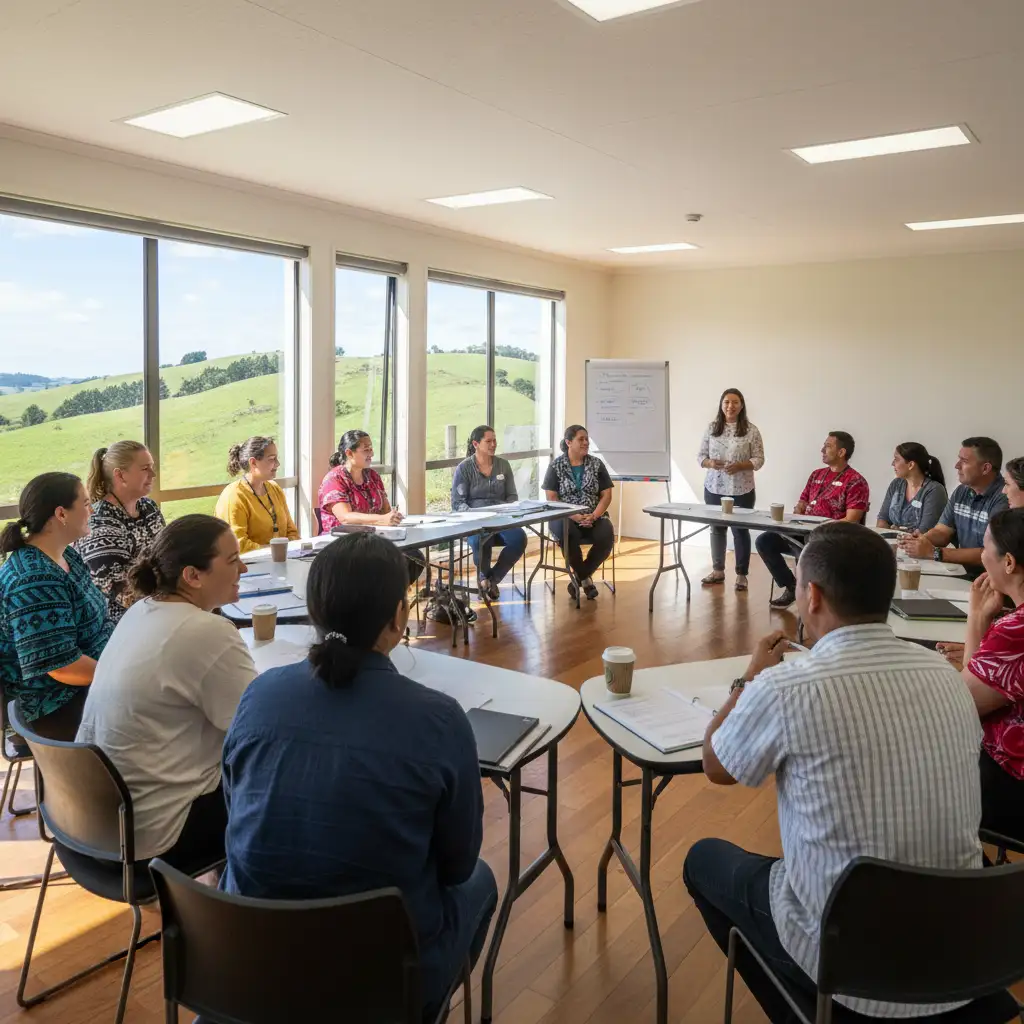
Education and skill-building are cornerstone elements of effective post-separation parenting. New Zealand offers various programs and workshops designed to equip parents with the tools needed to navigate co-parenting challenges, improve communication, and focus on their children’s best interests.
Understanding the Value of Parenting Programs
These programs provide a structured environment to learn about the impact of separation on children, develop conflict resolution skills, and establish effective co-parenting strategies. They often cover topics such as child development, managing parental conflict, communication techniques, and understanding legal obligations. Participation can often lead to a greater sense of confidence and reduced stress for parents.
Types of Programs Available
- Family Court Programmes: The New Zealand Family Court may require parents to attend specific programs, such as “Parenting Through Separation” (PTS). This is a free, one-off education programme designed to help parents understand the effects of separation on children and how to minimise conflict. It’s often a prerequisite for applying for a Parenting Order.
- Community-Led Workshops: Various community organisations, NGOs, and churches offer workshops focusing on specific aspects of parenting after separation. These can range from general support groups to specialised courses on blended families or managing high-conflict situations.
- Online Resources: Many platforms now offer online courses and webinars, providing flexible learning opportunities for parents who may have limited time or access to in-person workshops.
Benefits of Participation
Beyond meeting legal requirements, participating in these programs can significantly improve parental communication, reduce conflict, and ultimately lead to better outcomes for children. Parents gain practical strategies for managing difficult conversations, understanding their child’s needs, and building a more harmonious co-parenting relationship, even if the personal relationship has ended.
Legal Aid and Advocacy Options
Navigating the legal aspects of separation can be daunting. Understanding your rights and obligations, especially concerning children, is critical. New Zealand’s legal system provides pathways for support and resolution.
The New Zealand Family Court System
The Family Court deals with matters relating to parenting arrangements, guardianship, child support, and family violence. It aims to help families resolve disputes in a way that prioritises children’s well-being. Before approaching the Family Court, parents are generally expected to attempt Family Dispute Resolution (FDR).
Family Dispute Resolution (FDR)
FDR is a mediation service designed to help parents reach agreements on parenting matters without needing to go to court. It’s a confidential process facilitated by an independent mediator. Most parents are eligible for government-funded FDR. Successfully engaging in FDR can save time, money, and emotional stress, leading to more amicable long-term solutions. More information on FDR and its process can be found on the Ministry of Justice website.
Legal Aid and Access to Justice
Legal Aid is government funding to help people who cannot afford a lawyer. It covers legal advice, assistance, and representation in court. Eligibility for legal aid depends on income, assets, and the nature of your legal problem. It is particularly important for parents dealing with complex Family Court matters, including those involving family violence. Community Law Centres across New Zealand also offer free legal advice and representation on a range of issues, including family law, to those who qualify.
Advocacy and Support Services
Beyond direct legal representation, several organisations offer advocacy services to help parents understand their rights, prepare for court, or navigate government agencies. These services can be crucial for individuals who feel disempowered or unsure how to articulate their needs within the legal system.
Financial Support and Child Support Services
Financial stability is a major concern for many separated parents. New Zealand has systems in place to ensure children continue to receive financial support from both parents, and to provide assistance where needed.
IRD Child Support
Inland Revenue Department (IRD) Child Support is responsible for assessing, collecting, and paying child support. This service ensures that both parents contribute financially to the upbringing of their children, regardless of where the children primarily live. Understanding how child support is calculated, your obligations, and entitlements is vital. The IRD website provides comprehensive tools and information, including calculators and guidelines for private agreements.
Government Benefits and Allowances
Work and Income New Zealand (WINZ) provides a range of financial assistance for eligible single parents or parents with primary care. This can include the Sole Parent Support benefit, Accommodation Supplement, and other allowances to help with living costs. It’s advisable to contact WINZ directly to understand your eligibility and apply for appropriate support.
Budgeting and Financial Planning
Separation often necessitates a complete re-evaluation of household budgets. Free budgeting services are available through organisations like Christians Against Poverty (CAP) or local community budgeting services. These services can help parents create sustainable financial plans, manage debt, and develop strategies for long-term financial stability.
Community Groups and Local Services
Beyond formal legal and government avenues, local communities offer invaluable support networks that can provide practical and emotional assistance.
Local Support Groups and Peer Networks
Connecting with other separated parents can reduce feelings of isolation and provide a platform for sharing experiences and advice. Many community centres, churches, and online forums host support groups. These groups offer a safe space for mutual support and understanding, helping parents realise they are not alone in their journey.
Non-Governmental Organisations (NGOs) and Charities
Numerous NGOs and charitable trusts throughout New Zealand specialise in family support. Organisations like Barnardos New Zealand or Family Works (Presbyterian Support) offer a wide array of services including counselling, parenting education, social work support, and advocacy. These services are often tailored to local needs and can provide holistic support for families post-separation.
School-Based Support
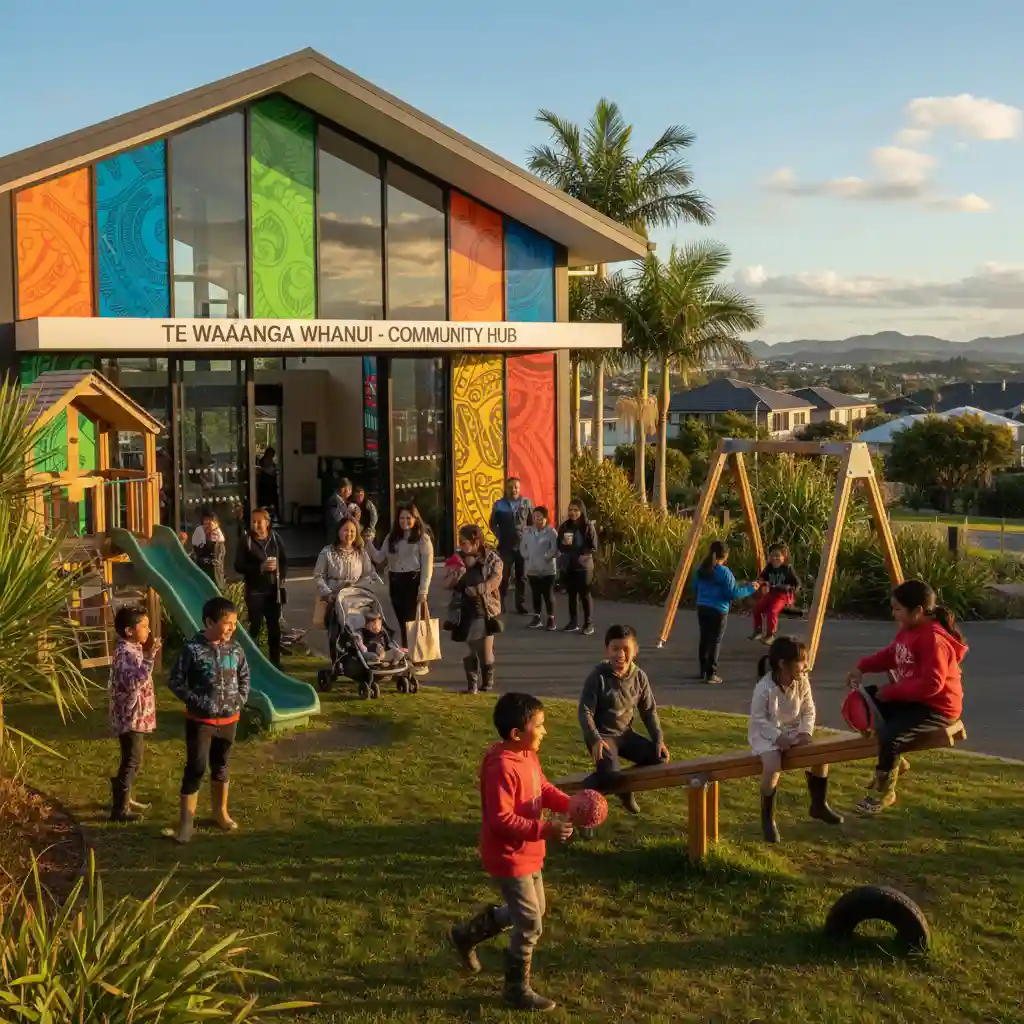
Schools play a vital role in supporting children of separated parents. Many schools have pastoral care teams, counsellors, or relationships with external support services. Open communication with the school about your family’s situation can ensure your child receives appropriate support and understanding during this transition.
Practical Resources and Tools for Co-Parenting
Modern technology and dedicated services offer practical solutions to streamline co-parenting and minimise conflict.
Co-Parenting Apps and Communication Tools
Several apps are specifically designed for separated parents to manage schedules, share information, track expenses, and communicate effectively. These platforms can create a documented, neutral space for communication, reducing misunderstandings and conflict. Examples include OurFamilyWizard or 2houses, which help organise calendars, share documents, and even manage shared expenses.
Online Portals and Information Hubs
Websites like the New Zealand Ministry of Justice or Citizens Advice Bureau (CAB) offer comprehensive information on legal processes, support services, and general advice for separated families. These portals are excellent starting points for understanding rights, responsibilities, and available resources.
Mediation Services Beyond FDR
While FDR is government-subsidised, private mediation services are also available for parents who wish to address specific issues or who may not qualify for funded FDR. These services can be tailored to complex situations and can help parents reach agreements on a wide range of issues, from parenting plans to property division.
Building a Sustainable Support Network and Long-Term Resilience
Separation is not a singular event but a journey that requires ongoing adaptation. Building a robust and sustainable support network is key to long-term well-being and resilience.
Leveraging Friends, Family, and Social Connections
Don’t underestimate the power of your existing social circles. Friends and family can offer practical help, emotional solace, and respite care. Reaching out and accepting help can significantly alleviate stress. Consider joining new social groups or hobbies to expand your network and build new connections that aren’t tied to your previous relationship.
Prioritising Self-Care and Personal Growth
Beyond coping mechanisms, actively engaging in self-care is crucial. This means dedicating time to activities that rejuvenate you, pursuing personal interests, and setting healthy boundaries. Separation can also be an opportunity for personal growth, allowing you to redefine your identity and build a life that aligns with your individual values and goals. Resources like the Mental Health Foundation of New Zealand offer valuable tools and information on maintaining mental well-being.
Developing Long-Term Resilience
Resilience is the ability to bounce back from adversity. For separated parents, this involves learning from challenges, adapting to change, and maintaining a positive outlook despite difficulties. It’s a process of continuous learning and adjustment, understanding that some days will be harder than others, but with the right support and strategies, you can thrive and build a stable, loving environment for your children.
In conclusion, navigating the complexities of separation in New Zealand as a parent requires a multi-faceted approach, encompassing emotional support, legal guidance, financial assistance, and community engagement. By actively seeking out and utilising the extensive resources available, parents can not only overcome immediate challenges but also build a resilient foundation for their children’s future and their own well-being. Remember that reaching out is a sign of strength, and a wealth of support is available to help you and your family thrive.
People Also Ask
What free resources are available for separated parents in NZ?
Free resources in NZ include the ‘Parenting Through Separation’ (PTS) program, government-funded Family Dispute Resolution (FDR), free legal advice from Community Law Centres, and various support groups offered by community organisations and NGOs. Work and Income NZ also provides financial assistance for eligible parents.
How does child support work in New Zealand for separated parents?
Child support in New Zealand is managed by the Inland Revenue Department (IRD). It’s designed to ensure both parents financially contribute to their children’s upbringing. The IRD assesses the amount based on income, care arrangements, and other factors. Parents can apply for IRD to manage the payments or make a private agreement.
What is Family Dispute Resolution (FDR) and is it mandatory?
Family Dispute Resolution (FDR) is a mediation service helping separated parents agree on parenting arrangements without going to court. While not always mandatory, parents generally must attempt FDR before applying to the Family Court for a Parenting Order, unless specific exemptions apply (e.g., family violence).
Where can I find emotional support for children of separated parents in NZ?
Children can receive emotional support through school counsellors, child-focused therapy or play therapy, and programs offered by NGOs like Barnardos or Family Works. Maintaining open communication with children, providing stability, and reassuring them of both parents’ love are also crucial for their well-being.
Are there specific parenting programs for high-conflict separations in NZ?
While ‘Parenting Through Separation’ (PTS) addresses general co-parenting skills, some community organisations and private practitioners offer specialised programs or counselling for high-conflict situations. Family Dispute Resolution (FDR) can also be tailored to help high-conflict parents develop communication strategies and reach agreements in a structured setting.
How can I get legal advice if I can’t afford a lawyer in NZ after separation?
If you cannot afford a lawyer, you may be eligible for Legal Aid, which provides government funding for legal advice and representation. Community Law Centres across New Zealand also offer free legal advice services to eligible individuals, often on family law matters.