
Children support separation NZ involves providing tailored emotional, psychological, and practical assistance to tamariki (children) navigating parental separation in Aotearoa. This crucial support aims to minimize distress, foster resilience, and ensure their continued well-being and development amidst significant family changes, often involving specialized resources and legal frameworks unique to New Zealand.
Understanding Children’s Reactions to Separation by Age
Parental separation is a significant life event that impacts children differently depending on their developmental stage, temperament, and the quality of ongoing parental relationships. Recognising these age-specific reactions is paramount for providing effective support and validation, helping tamariki process their emotions and adapt to new family structures. Understanding these nuances allows parents, caregivers, and support professionals to tailor their approach, offering comfort and guidance where it is most needed.
Infants and Toddlers (0-3 years)
Infants and toddlers, while unable to verbalise their understanding of separation, often react to changes in routine, parental mood, and caregiving consistency. They may exhibit increased irritability, changes in sleeping and eating patterns, clinginess, or a regression in developmental milestones such as toilet training or language. Their world is heavily reliant on their primary caregivers, and any disruption can manifest as profound anxiety or insecurity. Consistent, predictable care from both parents, even if separate, is crucial. Maintaining familiar routines and providing abundant physical comfort and reassurance helps them feel safe and secure during this turbulent time.
Preschoolers (3-5 years)
Preschool-aged children may begin to understand the concept of parents living apart but often struggle with the permanence of separation. They might blame themselves, fear abandonment, or express their distress through tantrums, sadness, or aggressive behaviour. Fantasies of parents reuniting are common. They often benefit from simple, clear explanations tailored to their comprehension level, reassuring them that both parents will continue to love and care for them. Maintaining consistent contact with both parents, if safe and appropriate, and engaging in play therapy can help them express complex emotions they cannot articulate.
Primary School Children (6-12 years)
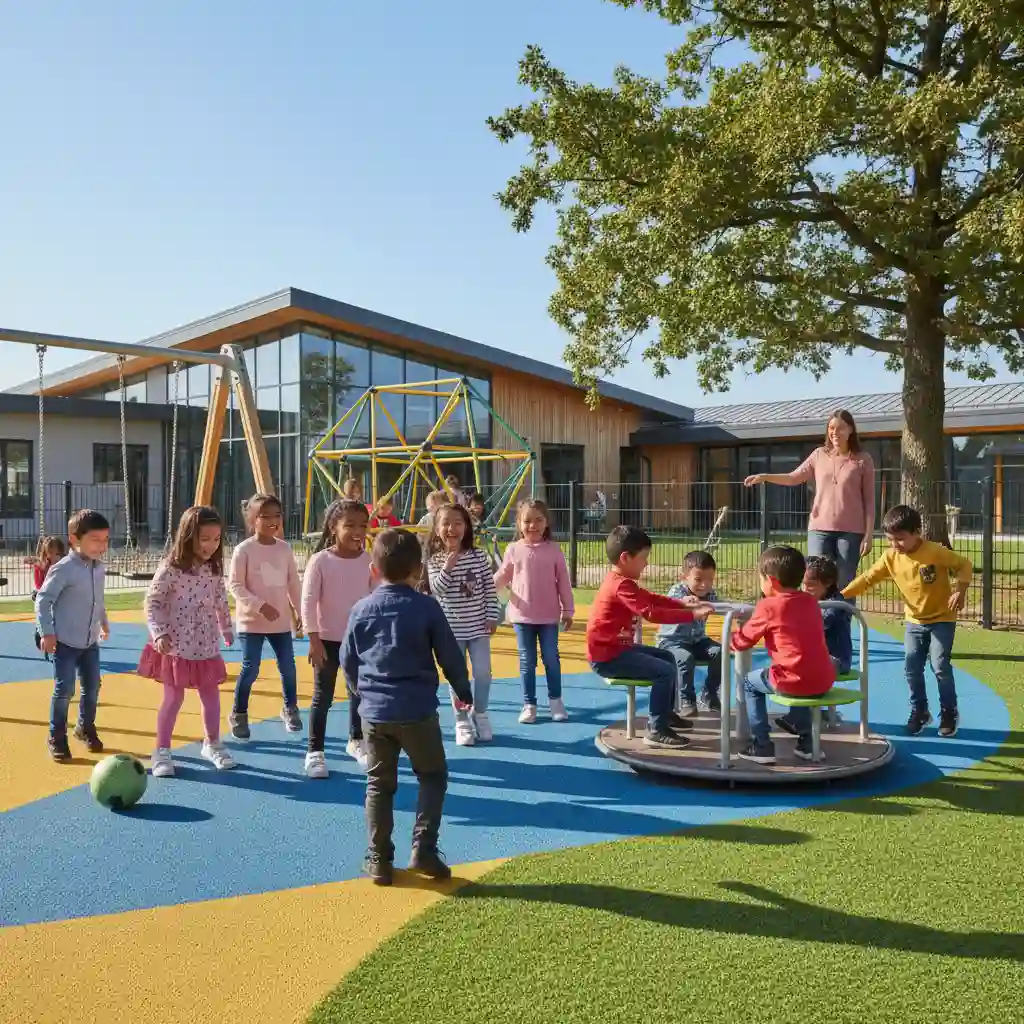
Children in primary school typically have a more sophisticated understanding of separation but may still experience a range of intense emotions, including sadness, anger, confusion, and loyalty conflicts. They might worry about the practical implications, such as changing schools or losing friends. Academic performance can suffer, and they may withdraw socially or act out. Providing opportunities for them to voice their concerns, ensuring they feel heard, and empowering them with some control over minor decisions (e.g., what to pack for a visit) can be beneficial. It’s essential to validate their feelings without judgment and actively prevent them from feeling caught in the middle of parental disputes. Encouraging them to maintain friendships and extracurricular activities provides a sense of normalcy and continuity.
Adolescents (13-18 years)
Adolescents often react to parental separation with a mix of anger, resentment, sadness, and sometimes relief, especially if the home environment was fraught with conflict. They may express feelings of betrayal, question their parents’ judgment, or feel burdened by newfound responsibilities. Some teenagers might withdraw, while others may exhibit risky behaviours as a coping mechanism. Respecting their need for independence while remaining a consistent, supportive presence is key. Encouraging open dialogue, listening without immediately offering solutions, and allowing them to have a voice in arrangements that affect their lives can help them feel respected and valued. Professional counselling can be particularly effective for adolescents struggling with complex emotions or behavioural issues, providing a safe space to process their experiences without fear of judgment.
Strategies for Fostering Resilience and Emotional Health
Building resilience and supporting emotional health in children during parental separation is not about preventing sadness or distress entirely, but rather equipping them with the tools and environment to navigate these challenges effectively. Proactive strategies focused on communication, stability, emotional validation, and healthy co-parenting can significantly mitigate the negative impacts and promote long-term well-being.
Open and Honest Communication
Communicating effectively with children about separation requires honesty, age-appropriateness, and reassurance. Both parents should ideally present a united front, explaining the situation in simple, direct terms without blame or excessive detail. Emphasise that the separation is not the child’s fault and that both parents will continue to love and care for them. Regular, check-in conversations provide opportunities for children to ask questions and express their feelings, which can change over time. It’s vital to listen actively and validate their emotions, whether they are sadness, anger, or confusion, assuring them that all feelings are okay.
Maintaining Routine and Stability
Children thrive on predictability. Whenever possible, maintain familiar routines for sleeping, eating, school, and extracurricular activities. This provides a sense of normalcy and security amidst significant change. If new routines are necessary, introduce them gradually and explain the reasons for the changes clearly. Consistency in parenting styles and household rules between two homes, if applicable, also reduces confusion and stress. A stable environment reassures children that their world, while changed, is still manageable and safe.
Validating Emotions and Providing Reassurance
Children need to know that their feelings are understood and accepted. Phrases like “I can see you’re feeling sad, and it’s okay to feel sad” or “It’s natural to be angry about this” can be incredibly powerful. Avoid dismissing their feelings or telling them how they “should” feel. Offer consistent reassurance that they are loved, safe, and that both parents will always be there for them. Physical comfort, such as hugs and cuddles, is also vital, especially for younger children. Creating a safe space where they can express their emotions without fear of judgment builds trust and emotional security.
Promoting Healthy Co-Parenting
Effective co-parenting is perhaps the most crucial factor in a child’s adjustment to separation. This involves parents putting aside personal differences to focus solely on the child’s best interests. This means communicating respectfully about child-related matters, adhering to parenting plans, and avoiding speaking negatively about the other parent in front of the child. When parents can demonstrate a respectful, if separate, working relationship, children learn that it’s possible for adults to navigate differences constructively, providing a powerful model for their own future relationships. Resources like co-parenting apps or mediation can assist parents in establishing effective communication channels and resolving disputes amicably.

Resources and Support Networks for Families in NZ
Aotearoa New Zealand offers a range of valuable resources and support networks designed to assist children and families navigating the complexities of parental separation. Accessing these services can provide crucial legal, emotional, and practical guidance, helping to ease the transition and ensure children’s well-being remains the central focus. It is important for parents to be aware of the options available to them.
Government and Legal Support
The New Zealand government provides several key services for families experiencing separation. The Ministry of Justice offers information on family court processes, mediation, and parenting orders, helping parents understand their legal rights and responsibilities. Services like Family Dispute Resolution (FDR) are available to help parents agree on parenting arrangements without going to court. For more detailed information, parents can explore resources provided by the New Zealand Ministry of Justice on Family Law in NZ. Additionally, Child Support is managed by Inland Revenue, ensuring financial assistance for children from both parents.
Community and Non-Governmental Organisations (NGOs)
Numerous NGOs across Aotearoa offer specialised support. Organisations like Skylight Trust provide grief and loss support, which can be highly relevant for children experiencing the loss of their family unit as they knew it. Barnardos New Zealand offers services that include counselling and advocacy for children. Local Citizens Advice Bureaux (CAB) can also provide free, confidential information and connect families with relevant community services. These organisations often run workshops, support groups, and provide practical advice tailored to the unique cultural context of New Zealand.
Professional Counselling and Therapeutic Services
For children who are struggling significantly with separation, professional help can be invaluable. Child psychologists, play therapists, and family counsellors can provide children with a safe space to process their emotions and develop coping strategies. Many practitioners are experienced in working with children and adolescents through family transitions. These services are often available privately, but some may be subsidised or available through organisations like Relationship Services or specific school-based programmes. For parents, individual or joint counselling can also help them manage their own emotions and improve their co-parenting skills.
Creating a Stable Environment for Child Development
Beyond addressing immediate emotional needs, the long-term goal of supporting children through separation is to foster an environment conducive to their continued growth and development. This involves conscious decisions and consistent efforts from parents to build a new sense of stability, minimise conflict, and prioritise the child’s holistic well-being and connections.
Consistent Parenting Plans
A clear, well-structured parenting plan is foundational to creating stability. This plan should detail living arrangements, contact schedules, holiday arrangements, and how important decisions (e.g., education, health) will be made. Consistency in adherence to this plan provides children with predictability and reduces anxiety about where they will be and when. Regular reviews and flexibility within the plan, especially as children grow, are also important, ensuring it remains suitable for their evolving needs. The aim is to create a rhythm that children can rely on, allowing them to relax and focus on other aspects of their lives.
Minimising Conflict Exposure
Exposure to ongoing parental conflict is one of the most damaging aspects of separation for children. While it is natural for parents to experience disagreement, it is crucial to shield children from direct conflict, arguments, or negative discussions about the other parent. Utilise tools like co-parenting apps or neutral third parties for communication if direct interaction is difficult. Children should never be put in a position where they feel they have to choose sides or relay messages between parents. A low-conflict environment allows children to develop a secure attachment to both parents and reduces their psychological burden.
Supporting Educational and Social Connections
Maintaining continuity in a child’s education and social life is vital for their sense of identity and belonging. Endeavour to keep children in the same school and ensure they can continue their friendships, sports, and other extracurricular activities. This provides important anchors in their lives and allows them to feel connected to their community. Both parents should be involved and informed about the child’s school progress and social events. Consistency in these areas helps to minimise the feeling of loss and disruption, reinforcing that their wider world remains largely intact and supportive.
Prioritising Child’s Voice and Needs
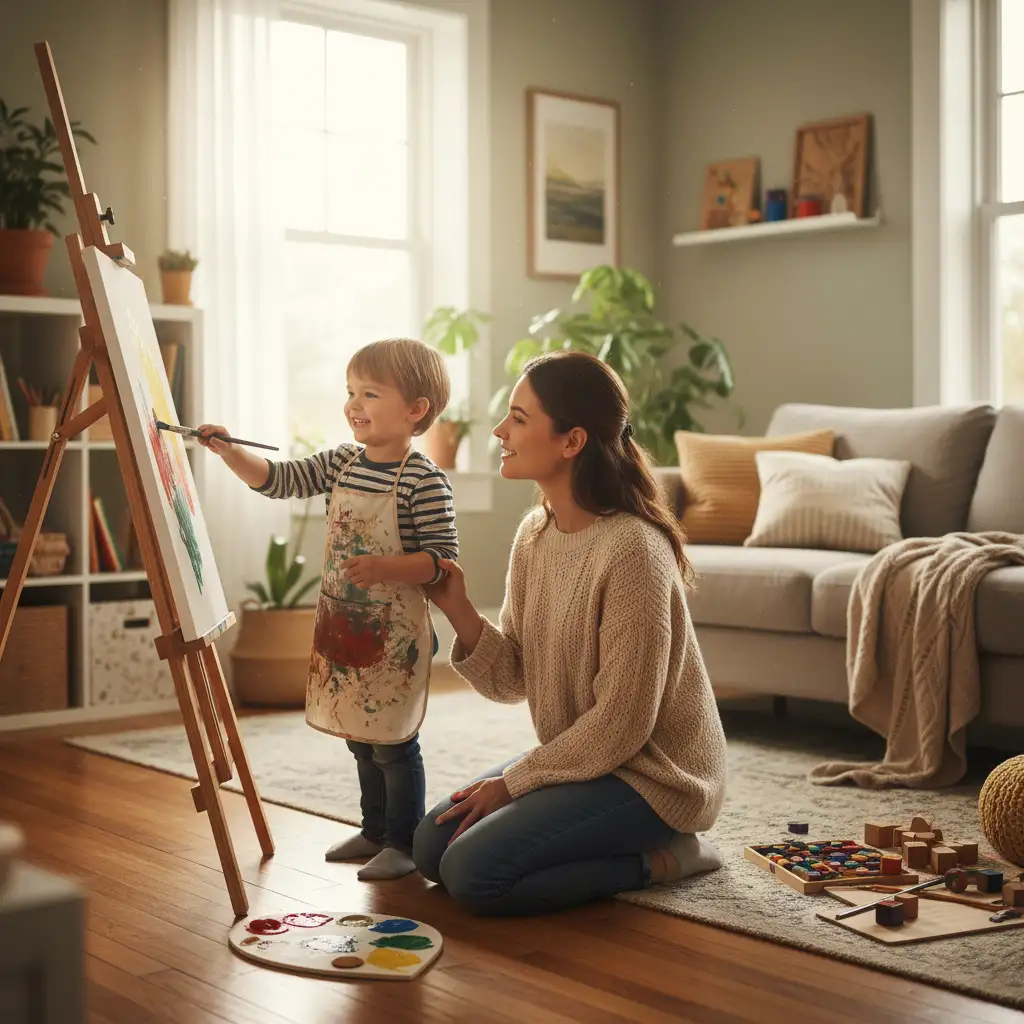
While parents make the final decisions, involving children in age-appropriate discussions about their living arrangements and daily life fosters a sense of agency and respect. Older children and adolescents, in particular, benefit from having their preferences and concerns heard and considered. This does not mean children dictate terms, but rather that their perspectives are valued. Services like “Voice of the Child” practitioners within the family court system in New Zealand can ensure that children’s views are heard by decision-makers. Regularly checking in with children, asking open-ended questions, and truly listening helps ensure that decisions are made with their best interests and evolving needs at heart, promoting their sense of self-worth and ability to adapt.
People Also Ask
How does parental separation affect children long-term?
Long-term effects of parental separation on children vary widely but can include increased risks of emotional and behavioural issues, academic difficulties, and challenges in forming stable relationships. However, a positive co-parenting relationship, minimal conflict, and strong support networks can significantly mitigate these risks, leading to well-adjusted adults.
What legal support is available for children during separation in NZ?
In New Zealand, the Family Court prioritises the child’s welfare. Legal support for children includes Family Dispute Resolution (mediation) for parents, and in some cases, a Lawyer for Child may be appointed to represent the child’s views. The court focuses on creating parenting orders that serve the child’s best interests.
How can parents help children cope with moving between homes?
To help children cope with moving between homes, parents should establish consistent routines, ensure each home has familiar items and a dedicated space for the child, and use neutral language about the other parent. Regular communication about transition schedules and validating their feelings are also crucial for a smoother adjustment.
What are the signs a child is struggling with parental separation?
Signs a child is struggling can include changes in behaviour (e.g., aggression, withdrawal), emotional distress (e.g., sadness, anxiety, frequent crying), academic decline, sleep or eating disturbances, physical complaints (e.g., headaches, stomach aches), or regression to earlier developmental stages (e.g., bedwetting).
Where can I find free counselling for children affected by separation in New Zealand?
Free or low-cost counselling for children affected by separation in NZ can often be accessed through school-based programmes, community mental health services, or non-governmental organisations like Barnardos or Skylight Trust, often with a referral. Citizens Advice Bureaux can help connect families with local resources.
How important is a consistent routine for children after separation?
A consistent routine is extremely important for children after separation. It provides a sense of predictability, security, and normalcy during a time of significant change, reducing anxiety and helping them adapt to new living arrangements. This consistency should ideally extend across both parental homes when possible.