
Children emotional support separation NZ refers to the crucial resources and services available across New Zealand to help tamariki navigate the emotional complexities arising from parental separation or divorce. These supports range from professional counselling and therapeutic interventions to community-based programmes, peer networks, and digital tools, all designed to foster resilience and healthy emotional development during a challenging family transition.
Counselling and Therapy Services for Children Post-Separation in NZ
Parental separation can be a profoundly destabilising event for children, often leading to a range of emotional responses such as sadness, anger, anxiety, confusion, and a sense of loss. Professional counselling and therapy services offer a safe and confidential space for children to process these complex feelings, develop coping strategies, and understand that the separation is not their fault. In New Zealand, a variety of therapeutic approaches are available, tailored to suit different age groups and individual needs.
Understanding the Benefits of Child-Focused Therapy
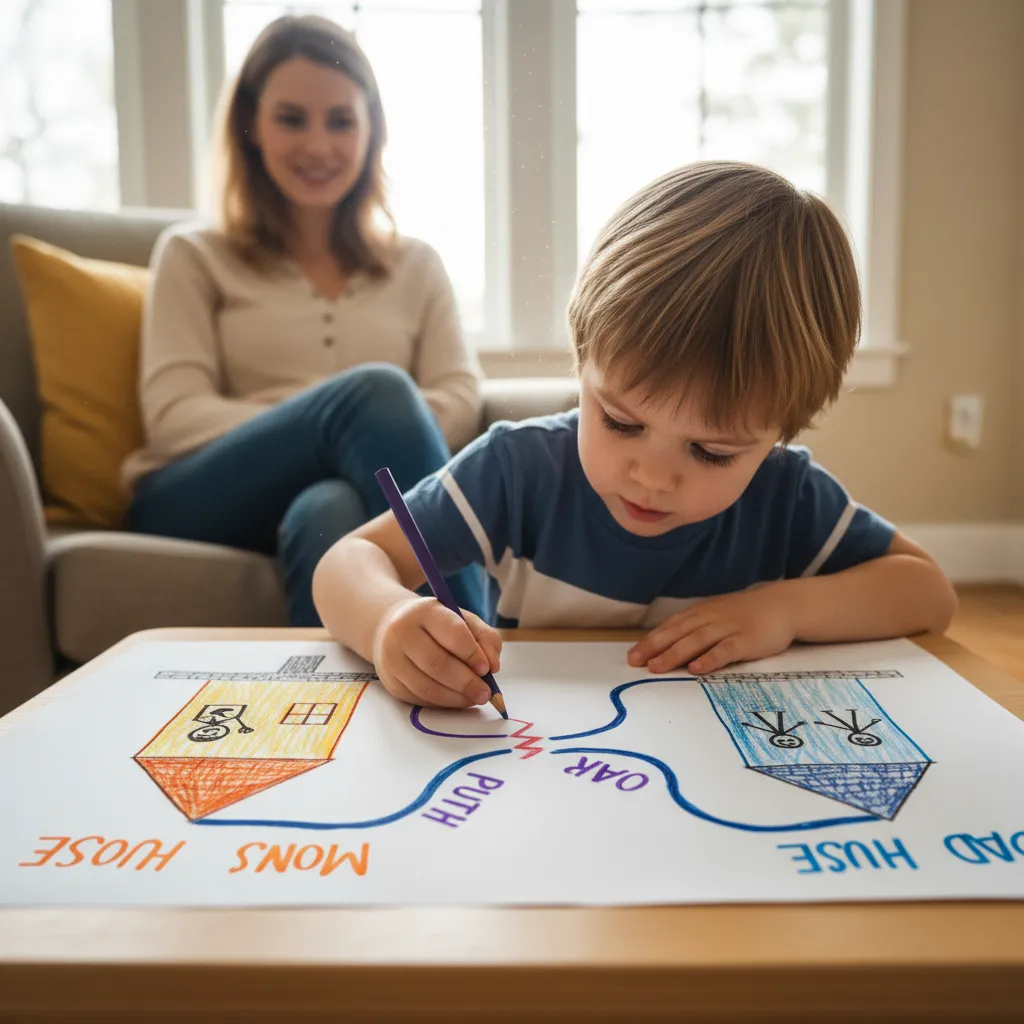
Therapy for children following separation goes beyond just talking. It provides an age-appropriate environment where trained professionals help children express themselves, often through play, art, or storytelling, rather than direct verbal communication. The benefits are extensive, including improved emotional regulation, enhanced self-esteem, better communication skills, and a reduction in behavioural issues often observed during family transitions. Therapy can also help children adapt to new living arrangements, understand new family dynamics, and maintain healthy relationships with both parents.
Types of Therapy Available in NZ
New Zealand offers a robust network of therapists specialising in child and family counselling. Key therapeutic modalities include:
- Play Therapy: Particularly effective for younger children, play therapy uses toys, games, and creative activities to help children express feelings and thoughts they might struggle to verbalise. It allows them to safely explore their experiences and rehearse new coping behaviours.
- Cognitive Behavioural Therapy (CBT): Adapted for children and adolescents, CBT helps them identify and challenge negative thought patterns and develop more positive coping mechanisms. It can be very useful for managing anxiety or depression related to separation.
- Family Therapy: Involving some or all family members, family therapy focuses on improving communication and understanding within the family unit. It can help parents co-parent more effectively and support the child’s adjustment to the new family structure.
- Art Therapy: Utilising creative expression through drawing, painting, or sculpting, art therapy provides a non-verbal outlet for children to communicate their inner world and process difficult emotions.
- Narrative Therapy: This approach helps children and families rewrite their stories, moving away from problem-saturated narratives to ones that highlight their strengths and resilience in navigating separation.
Finding a Qualified Therapist
When seeking a therapist in New Zealand, it’s crucial to look for professionals who are registered with relevant bodies such as the New Zealand Association of Counsellors (NZAC), the New Zealand Psychological Society (NZPsS), or the New Zealand Association of Child and Adolescent Psychotherapists (NZACAP). Many schools also have counsellors or can provide referrals. It is advisable to choose a therapist with experience in family separation and child development. A referral from a GP or school can often facilitate the process and help with potential funding options.
Support Groups and Peer Networks for Children and Families
While individual therapy offers personalised support, support groups and peer networks provide invaluable benefits by connecting children and families with others who share similar experiences. These platforms foster a sense of community, reduce feelings of isolation, and offer practical advice and emotional validation that can be deeply comforting during a challenging time.
The Power of Shared Experience
For children, knowing that they are not alone in their experience of parental separation can be profoundly reassuring. Support groups allow them to meet peers who understand what they’re going through, creating a space where they can openly discuss their feelings without fear of judgment. This shared understanding can normalise their emotions and help them realise that their reactions are valid. For parents, these groups offer a forum to exchange coping strategies, share successes and challenges, and learn from others who have navigated similar paths, reinforcing that effective co-parenting is achievable.
Online vs. In-Person Groups
New Zealand offers both in-person and online support group options, each with its own advantages. In-person groups provide direct interaction and a tangible sense of community, which can be particularly beneficial for children who thrive on face-to-face connection. Online groups, conversely, offer flexibility and accessibility, especially for families in rural areas or those with limited time. They can connect people across different regions of Aotearoa, offering a broader spectrum of experiences and perspectives. When choosing an online group, it is important to ensure it is moderated by reputable organisations to ensure safety and appropriateness.
Key Organisations Offering Support
Several organisations in New Zealand are dedicated to providing support for children and families post-separation:
- Skylight Trust: A leading national charity providing support to children, young people, and their families dealing with change, loss, and grief, including parental separation. They offer programmes, resources, and one-on-one support.
- Barnardos NZ: Offers a range of services supporting children and families, including parenting programmes and advice that can be particularly helpful during periods of separation and family restructuring.
- Family Works (Presbyterian Support): Provides family counselling, social work support, and programmes designed to strengthen families and assist them through difficult life changes.
Books and Digital Tools for Children Coping with Separation
Beyond professional and group support, a wealth of resources exists in the form of books, storytelling, and digital applications that can empower children to understand and navigate their feelings about parental separation. These tools can be used independently or in conjunction with other forms of support, providing accessible and engaging ways for children to process their experiences.
Empowering Children Through Literature
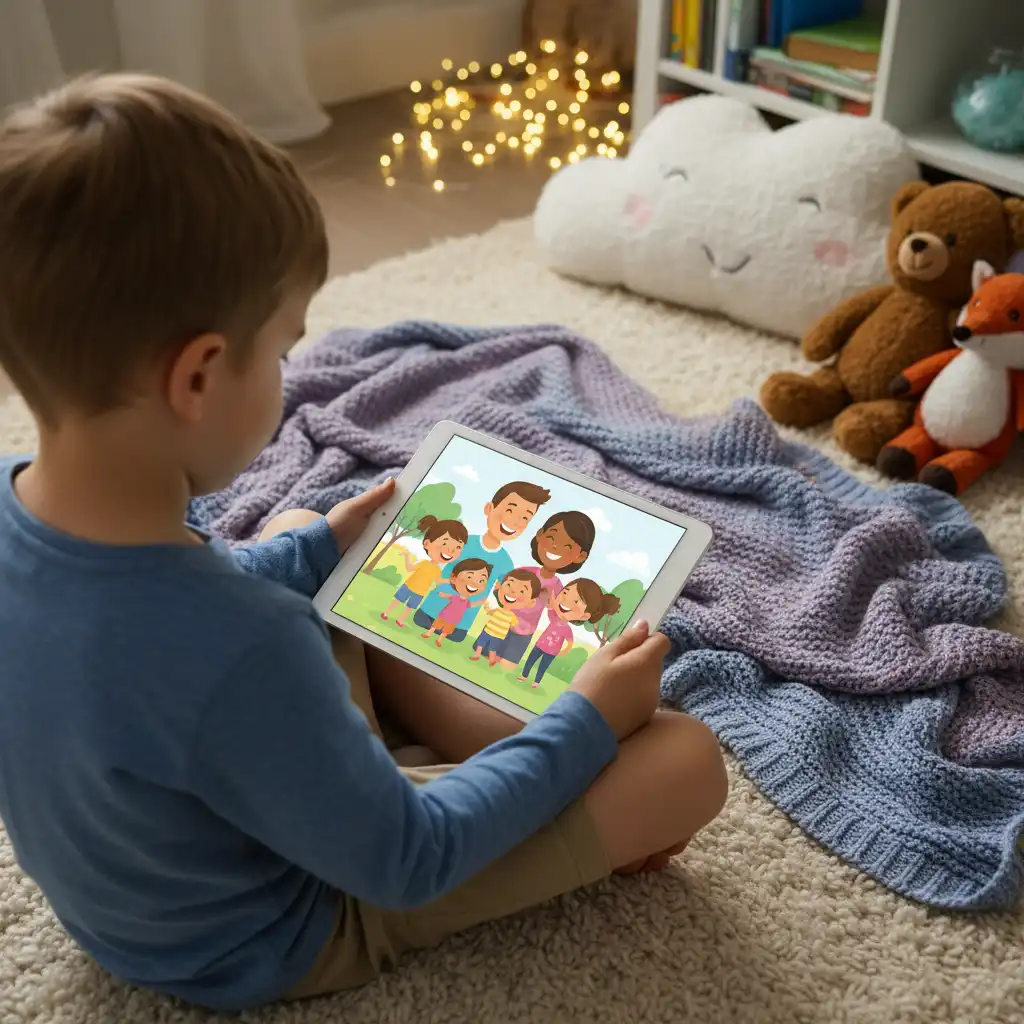
Books can be powerful allies in helping children understand complex emotions and situations. Storybooks specifically designed for children of separating parents often feature relatable characters and scenarios, offering comfort and normalising their feelings. They can explain concepts like two homes, new routines, and parental love in an age-appropriate manner. Reading these books together can also open up valuable conversations between children and their caregivers, providing a gentle entry point for discussing difficult topics. Look for titles that focus on resilience, managing change, and reassuring children of continued love from both parents. Libraries across New Zealand often have dedicated sections for these types of resources, and many online bookstores offer curated lists.
Digital Resources and Apps
In today’s digital age, various apps and online platforms are designed to support children’s emotional wellbeing. These can include mindfulness and meditation apps tailored for young users, interactive story apps that address family changes, or educational games that teach emotional literacy. While not a replacement for human connection, these digital tools can provide moments of calm, help children identify and name their emotions, and offer strategies for coping with stress. Parents should carefully research and select apps that are age-appropriate, have positive reviews, and ideally, are recommended by child mental health professionals. Examples might include apps focused on guided meditations for children, or interactive journals to help them express their daily feelings.
Government and Community Initiatives Supporting Children in Aotearoa
The New Zealand government and various community organisations play a vital role in providing a framework of support for families experiencing separation. These initiatives aim to ensure children’s wellbeing remains a priority and that parents have access to resources that facilitate peaceful resolution and effective co-parenting.
Ministry of Social Development (MSD) Support
The Ministry of Social Development (MSD) offers various services that can indirectly or directly support children’s emotional health post-separation. While not always directly providing counselling, MSD’s work and associated services, such as Work and Income, can offer financial assistance that helps alleviate parental stress, which in turn positively impacts a child’s environment. They can also connect families with local support services and community groups that address specific needs arising from separation.
Family Dispute Resolution (FDR) and Support Services
The New Zealand government strongly encourages parents to use Family Dispute Resolution (FDR) services before applying to the Family Court. FDR provides a safe and confidential environment where parents can work with an independent mediator to resolve disagreements about parenting arrangements. While the primary goal is often practical, the process implicitly supports children by fostering cooperative co-parenting and reducing conflict, which is a significant factor in a child’s emotional wellbeing post-separation. Some FDR services also offer ‘Voice of the Child’ services, ensuring children’s views are heard in appropriate ways during the mediation process.
Community-Based Programmes
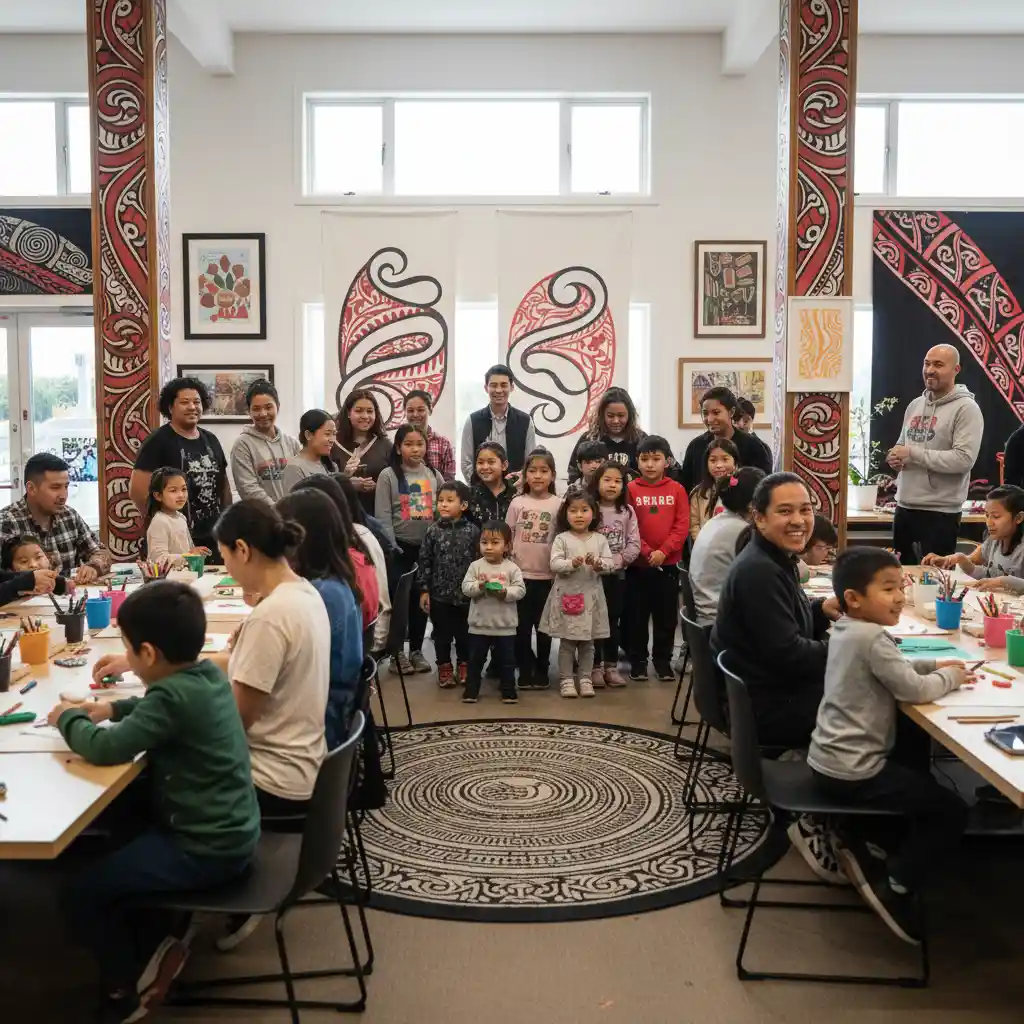
Across Aotearoa, numerous local community centres, iwi organisations, and non-governmental organisations (NGOs) run programmes designed to support children and families through various life challenges, including separation. These programmes often provide free or low-cost activities, workshops, and support groups. They focus on building resilience, social skills, and providing a sense of belonging. Connecting with local community hubs or your local Citizens Advice Bureau (CAB) can help families discover these valuable, localised resources that are often tailored to the specific needs of their region.
People Also Ask About Children’s Emotional Support Post-Separation in NZ
What are the immediate signs a child is struggling with parental separation in NZ?
Immediate signs a child is struggling with parental separation can include changes in behaviour (e.g., increased irritability, aggression, withdrawal), sleep disturbances (difficulty falling asleep, nightmares), changes in eating habits, academic decline, clinginess, regression to earlier developmental stages (e.g., bedwetting), and expressing feelings of sadness, anger, or anxiety more frequently. Younger children might display more behavioural changes, while older children might verbalise their distress or act out.
How can parents effectively co-parent in New Zealand after separation to support their child’s emotional health?
Effective co-parenting involves prioritising the child’s needs above parental disagreements. Key strategies include maintaining consistent routines, establishing clear and respectful communication channels, avoiding conflict in front of the child, not badmouthing the other parent, and ensuring both parents are actively involved and present in the child’s life. Utilising services like Family Dispute Resolution (FDR) can also help establish effective co-parenting plans.
Are there free or low-cost counselling options for children in NZ post-separation?
Yes, there are several options for free or low-cost counselling in NZ. Many schools have free guidance counsellors. Organisations like Youthline, Skylight Trust, and Family Works (Presbyterian Support) offer various free or subsidised services. Additionally, some government initiatives or specific regional services might provide support, and a GP can often advise on available funded options or refer to community mental health services.
What age-appropriate ways can parents explain separation to their children?
Parents should explain separation in simple, direct, and honest terms, tailored to the child’s age. Reassure them that it’s not their fault and that both parents will continue to love them. Use concrete examples for younger children (e.g., “Mummy and Daddy will live in different houses”). For older children, acknowledge their feelings and provide more detail, while avoiding blame. Consistency in messaging from both parents is crucial.
How long does it typically take for children to adjust emotionally to parental separation?
The adjustment period for children post-separation varies significantly based on individual child resilience, parental conflict levels, and the support systems in place. While some children may adjust within six months to a year, others might take longer. It is often a process rather than a single event, with emotional responses potentially resurfacing during key developmental stages or life events.
What role do schools play in supporting children through parental separation in NZ?
Schools in NZ play a crucial supportive role. They can provide a stable and predictable environment, maintain routines, and offer a safe space for children. School counsellors can provide direct support, and teachers can be valuable allies in monitoring a child’s wellbeing and academic performance. Open communication between parents and the school is vital to ensure a coordinated support approach for the child.