
The importance of family traditions lies in their powerful ability to foster a deep sense of belonging, strengthen emotional bonds, and provide essential psychological stability. By establishing predictable rituals, families create a shared identity that imparts core values to children, reduces anxiety during times of change, and connects generations through meaningful, recurring experiences that form the foundation of lifelong memories.
The Psychology of Belonging and Identity
In an increasingly fast-paced and fragmented world, the family unit remains the primary source of socialization and emotional security for individuals. The importance of family traditions extends far beyond simple fun or habit; these rituals serve as the scaffolding for a family’s unique culture. When a family engages in repetitive, meaningful activities, they are essentially saying, “This is who we are, and this is what we value.”
Psychologists have long noted that a strong sense of belonging is a fundamental human need. Traditions provide a tangible manifestation of this belonging. Whether it is a secret handshake, a specific meal served on birthdays, or an annual camping trip, these acts create an exclusive group identity. For children, knowing what to expect and participating in these shared events fosters a sense of security. It signals to them that they are part of a cohesive unit that functions together, distinct from the rest of the world.
Furthermore, traditions are the vehicle through which families pass down their cultural, religious, and ethical heritage. By participating in rituals that have been handed down through generations, individuals feel connected to their ancestors, grounding their personal identity in a larger historical context. This intergenerational connection is vital for emotional well-being, as it provides a narrative of resilience and continuity.
Why Rituals Reduce Anxiety and Build Resilience
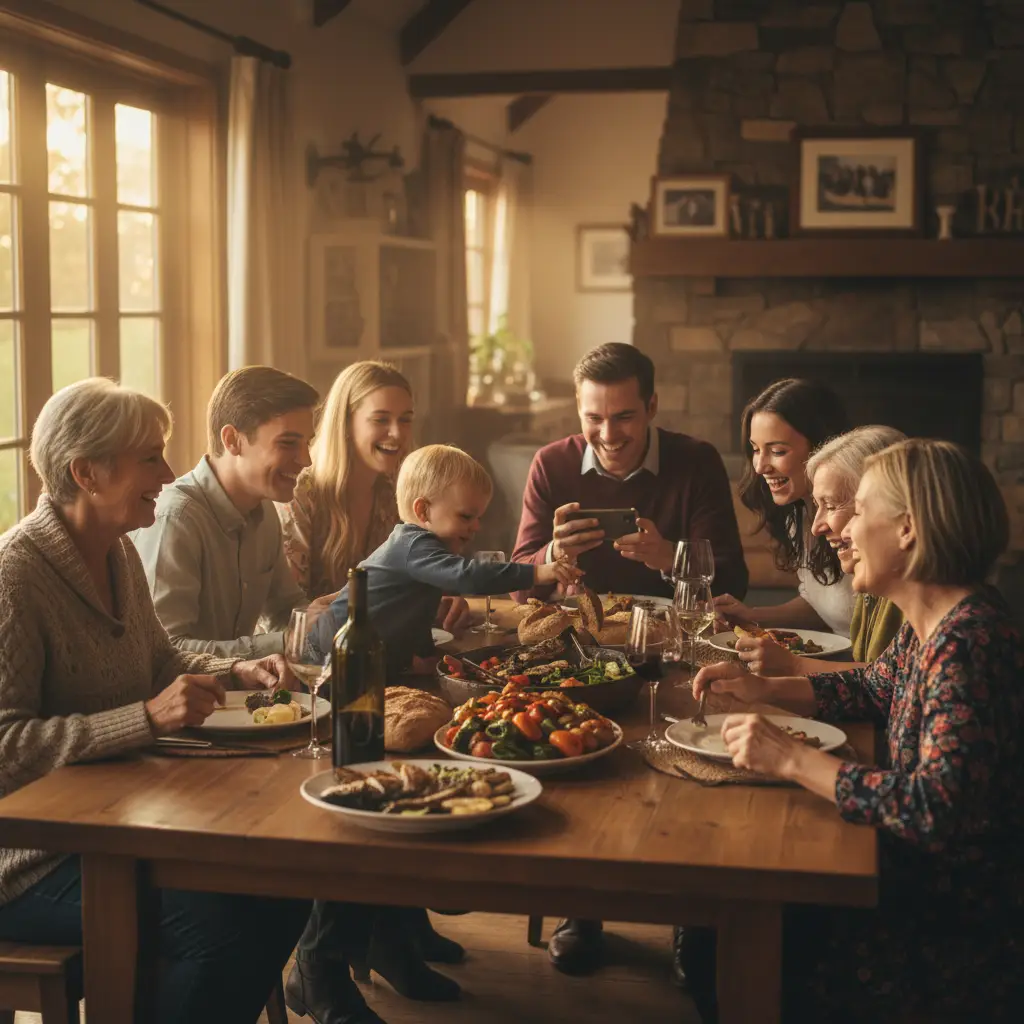
Life is inherently unpredictable. Families move, parents change jobs, children switch schools, and health issues arise. Amidst this flux, family traditions act as an anchor. The predictability of a ritual—knowing that every Friday is pizza night or that every Christmas Eve involves reading a specific story—lowers cortisol levels and reduces anxiety, particularly in children.
Research suggests that families who maintain rituals during stressful periods, such as a divorce or financial hardship, produce children who are more resilient. The ritual provides a safe harbor, a predictable space where the chaos of the outside world cannot intrude. This consistency tells the child that despite the upheaval, the family structure remains intact and supportive.
According to the American Psychological Association, routines and rituals are crucial for a child’s healthy development. While routines (like brushing teeth) are necessary for functionality, rituals involve symbolic communication and convey deeper meaning. It is this symbolic nature that fortifies emotional health, teaching family members that they can rely on one another for emotional sustenance.
Examples of Impactful, Low-Cost Family Rituals
A common misconception is that impactful traditions require expensive vacations or elaborate holidays. In reality, the most enduring rituals are often simple, free, and focused on connection rather than consumption. The goal is engagement, not extravagance. Here are several categories of low-cost rituals that can be easily implemented:
Daily Micro-Rituals
Connection points do not need to be long to be effective. Consider the “Highs and Lows” dinner conversation, where each family member shares the best and worst part of their day. Bedtime rituals, such as a specific song or a gratitude prayer, also serve as powerful anchors that signal safety and love before sleep.
Weekly Connection Points
Establishing a weekly rhythm helps distinctively mark the passage of time.
- Sunday Morning Pancakes: A collaborative cooking effort where everyone has a role.
- Friday Night Game Night: Turning off screens to play board games fosters face-to-face interaction and healthy competition.
- Nature Walks: A Saturday morning hike to a local park allows for decompression and conversation without digital distractions.
Seasonal and Milestone Markers
Creating traditions around the changing seasons or personal achievements creates anticipation. This could be as simple as a “Back-to-School” interview where you videotape your child answering the same questions every year, or a “First Day of Summer” ice cream run. These events become milestones that track growth and change within the safety of the family unit.
Adapting Traditions as Children Grow
One of the biggest challenges families face is the rigidity of tradition. As children transition from toddlers to teenagers, and eventually to adults, the rituals that once brought joy may begin to feel forced or childish. The key to maintaining the importance of family traditions lies in flexibility and evolution.
For teenagers, autonomy is paramount. A tradition that feels mandatory can breed resentment. To counter this, involve older children in the planning process. If the traditional family movie night is becoming a struggle, ask the teen to curate the film list or suggest an alternative activity, like visiting a new restaurant or attending a sports game. The core value—spending time together—remains the same, even if the activity changes.
It is also important to acknowledge when a tradition has run its course. Retiring a ritual is not a failure; it is an acknowledgement of growth. Replacing bedtime stories with a nightly cup of tea and a chat allows the ritual to mature alongside the child, preserving the connection while respecting their developing adulthood.
Merging Traditions in New Marriages and Blended Families
When two individuals marry, or when blended families are formed, the collision of different family cultures can be a source of significant friction. One partner may view Christmas morning as a quiet, private affair, while the other is used to a chaotic open house with extended family. Navigating these differences requires patience, negotiation, and creativity.
Experts at Utah State University Extension emphasize the importance of communication in these scenarios. Couples should discuss which traditions from their childhoods are non-negotiable and which can be modified. This prevents feelings of loss or resentment.
The most successful approach often involves a “yours, mine, and ours” strategy:
- Maintain: Keep one or two cherished traditions from each side to honor individual histories.
- Discard: Let go of rituals that cause undue stress or do not fit the new family dynamic.
- Create: Establish entirely new rituals that belong uniquely to the new family unit. This helps forge a new shared identity that does not rely on the past but looks forward to the future.
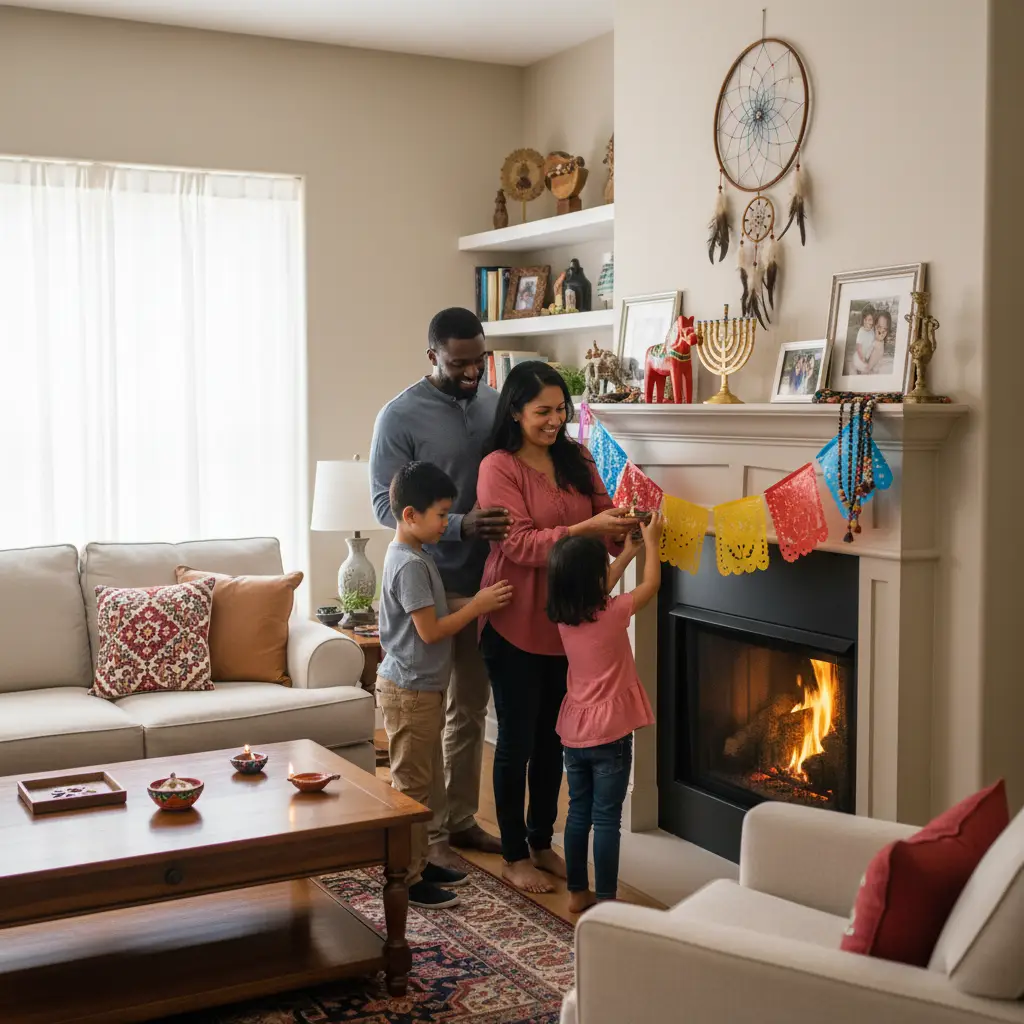
For blended families, this is particularly critical. Step-children may feel loyal to their biological parents’ traditions. creating neutral, new traditions (like a specialized pizza night or a new holiday decoration theme) can help integrate the family without making children feel they are betraying their past.
The Long-Term Legacy of Shared Rituals
Ultimately, the effort put into maintaining family traditions is an investment in the future emotional health of the family members. These rituals become the stories that are told at weddings, reunions, and funerals. They form the narrative arc of a family’s life.
When children grow up and leave home, the traditions they experienced become the blueprint for their own families. They may not replicate every single ritual, but they will carry forward the value of ritual. They will understand that a family is not just a group of people living under one roof, but a team bound by shared meaning, inside jokes, and recurring acts of love. In this way, the importance of family traditions echoes through generations, providing a sense of continuity that outlasts any single lifetime.
People Also Ask
Why are family traditions important for child development?
Family traditions provide a consistent structure that fosters a sense of security and belonging. For children, this predictability reduces anxiety and aids in emotional regulation. Furthermore, rituals help transmit cultural values and reinforce the family’s identity, giving the child a strong foundation and a clear sense of who they are.
What are some examples of unique family traditions?
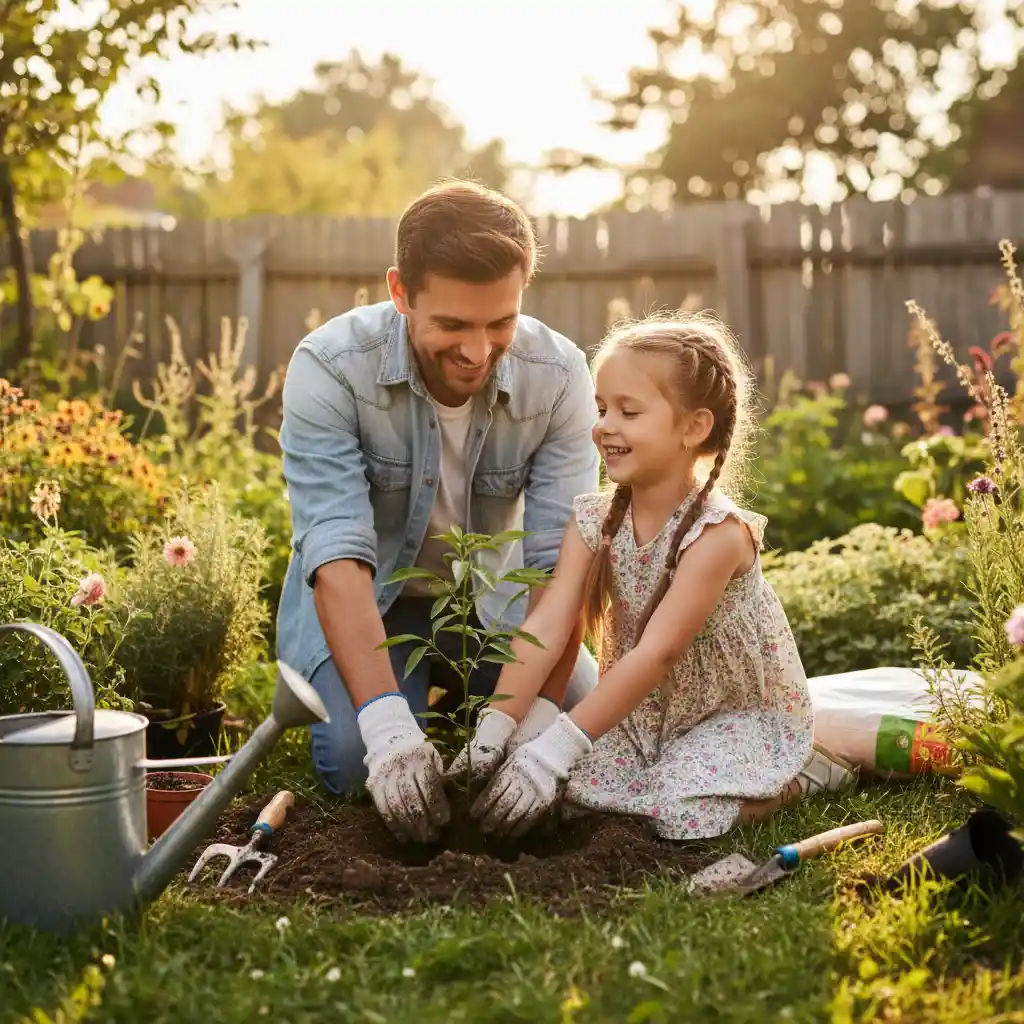
Unique traditions often stem from inside jokes or specific family interests. Examples include celebrating “half-birthdays,” having a “backwards dinner” where dessert is served first, planting a tree for every major milestone, or holding an annual family awards ceremony for funny achievements throughout the year.
How do you start a new family tradition?
To start a new tradition, begin small and focus on consistency. Choose an activity that everyone enjoys and schedule it—whether it’s weekly, monthly, or annually. Communicate that this is a new special event. Over time, repetition will turn the activity into a solidified ritual that the family anticipates.
Can family traditions be negative?
Yes, traditions can become negative if they are rigid, exclusionary, or cause significant stress. If a tradition forces family members into uncomfortable roles, involves substance abuse, or is maintained solely out of guilt despite causing conflict, it can be damaging. Healthy traditions should be flexible and bring joy, not dread.
How do traditions strengthen family bonds?
Traditions strengthen bonds by creating shared time and focused attention. They require family members to disconnect from outside distractions and engage with one another. This shared experience creates a reservoir of positive memories and reinforces the emotional commitment members have to the family unit.
What is the difference between routines and traditions?
While both involve repetition, the difference lies in the meaning. Routines are utilitarian tasks done to keep life running smoothly (e.g., brushing teeth, school drop-off). Traditions are symbolic and emotional; they are performed to connect, celebrate, or honor a specific value or event (e.g., Sunday family brunch, holiday prayers).