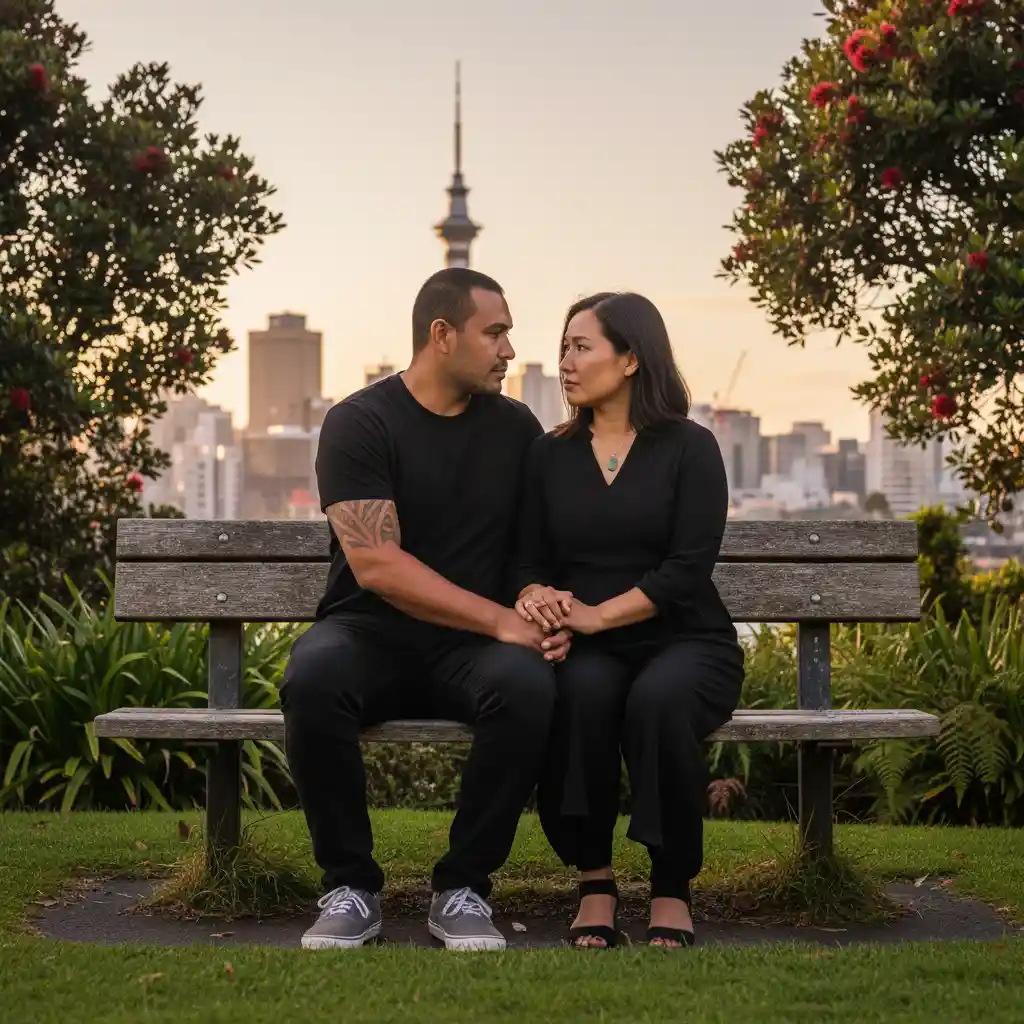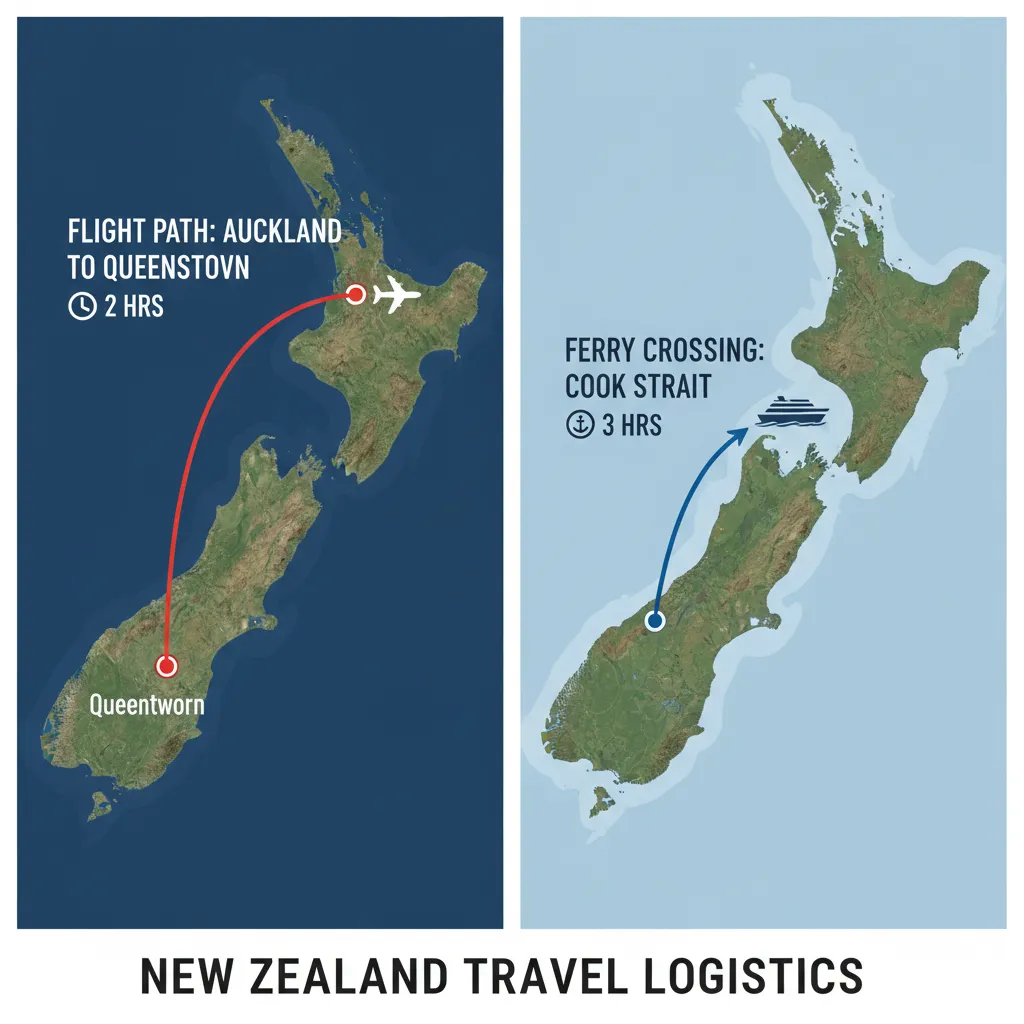
New Zealand dating culture is characterized by its relaxed, egalitarian, and informal nature, often blurring the lines between friendship and romance. Unlike more formal dating protocols found elsewhere, Kiwi courtship typically involves casual “hangouts,” a slow progression toward exclusivity, and a strong emphasis on splitting costs and avoiding grand, ostentatious gestures.
Decoding Kiwi Casualness and Understatement
To the uninitiated, the dating scene in New Zealand can feel frustratingly ambiguous. While North American dating culture often relies on clear verbal confirmations and structured dates, Kiwis operate on a frequency of extreme subtlety. In New Zealand, the term “dating” itself is often viewed as too formal or intense for the early stages of a relationship. Instead, you are much more likely to hear that two people are “hanging out,” “seeing each other,” or simply “having a catch-up.”
This linguistic minimization is a reflection of the broader national psyche. New Zealanders generally value humility and dislike fuss. Consequently, a romantic overture might look exactly like a platonic invitation. A request to “grab a coffee” or “go for a walk” is the standard first date protocol. It is low stakes, low pressure, and allows both parties an easy exit strategy if the chemistry isn’t there. Grand romantic gestures early on are frequently viewed with suspicion rather than adoration; they violate the unwritten rule of “playing it cool.”
Understanding this understatement is crucial for international daters. If a Kiwi says, “Yeah, I’d be keen to catch up sometime,” this is a positive affirmation. However, because enthusiasm is rarely expressed with high energy, it is easy to mistake genuine interest for polite indifference. The key is to watch for actions rather than waiting for flowery declarations. If they keep showing up to “hang out,” they are interested.

Who Pays? Financial Etiquette in Aotearoa
New Zealand is a fiercely egalitarian society. This social value heavily influences the financial dynamics of dating. The expectation that the man must pay for the date is rapidly vanishing, particularly among millennials and Gen Z. While chivalry is not dead, it has evolved into a partnership model.
The Norm of “Going Dutch”
On a first date, it is common and socially acceptable to split the bill. This eliminates the sense of obligation and aligns with the Kiwi value of fairness. If one party offers to pay the entirety of the bill, the other will typically offer to get the next one. This reciprocity is vital. Accepting a free meal without a genuine offer to contribute or cover the next round can sometimes be perceived as taking advantage of the other person’s generosity.
However, context matters. In more formal dining settings or older demographics, the person who initiated the invite may still attempt to pay. The polite dance of reaching for the wallet is expected etiquette. Simply assuming the other person will pay is considered rude. For a deeper dive into the cultural roots of these social behaviors, Te Ara – The Encyclopedia of New Zealand offers extensive insight into the egalitarian history of the nation.
The Timeline of Dating in Aotearoa
The progression of a relationship in New Zealand is notoriously a “slow burn.” Because the initial phase is so casual, defining the relationship (often referred to as “The DTR talk”) happens much later than it might in other Western cultures.
Stage 1: The “Talking” Phase
This involves messaging on apps (Tinder, Bumble, and Hinge are dominant) or chatting over social media. It can last for weeks. The goal here is to establish banter. Kiwis value humor and self-deprecation highly; if you can’t take a joke, you likely won’t progress past this stage.
Stage 2: The “Hang Out”
As mentioned, this is the non-date date. It might involve a hike, a beach walk, or a few drinks at a pub. This stage can remain in limbo for months. During this time, exclusivity is generally not assumed unless explicitly stated. It is a period of testing compatibility in various social settings, especially involving friends.
Stage 3: Meeting the Mates
This is a critical milestone. In New Zealand, approval from the friend group (the “flatties” or mates) is paramount. Because the social circles are tight-knit, if a partner doesn’t mesh with the friends, the relationship faces a steep uphill battle. Being invited to a BBQ or a house party is a significant sign of integration.
Stage 4: Exclusivity
Eventually, one party will ask, “So, what are we?” or simply refer to the other as their partner. Once this threshold is crossed, Kiwis tend to be very loyal and relationship-focused. According to data from Stats NZ, while marriage rates have fluctuated, long-term de facto partnerships remain a cornerstone of New Zealand family structure.

The “Two Degrees of Separation” Factor
New Zealand is a village disguised as a nation. With a population of roughly 5 million people, the dating pool is incredibly interconnected. This is often jokingly referred to as “two degrees of separation” rather than six. If you are dating someone, it is statistically probable that they know your ex, your colleague, or your cousin.
Implications for Dating Strategy:
- Reputation Management: Bad behavior travels fast. Ghosting someone or acting disrespectfully can result in being blacklisted across a surprisingly wide social network.
- The “Ex” Factor: You must be comfortable with the fact that your partner will likely run into their ex-partners regularly. Jealousy over this is viewed as unreasonable and insecure. Remaining friends with exes is far more common and accepted in NZ than in many other countries.
Common Kiwi Dating Slang Explained
To navigate the landscape effectively, you must speak the language. Here is a glossary of terms you might encounter in a romantic context:
- Keen: Interested. “Are you keen on dinner?” (Yes, I would like to go).
- Yeah, nah: A polite refusal, or an acknowledgment of a point followed by a disagreement. Context is everything.
- Hard case: Someone who is funny or eccentric. A compliment.
- Tu meke: A Māori phrase often used in general conversation meaning “too much”—used to express that someone is awesome or did something great.
- Missus / Old Man: affectionate, albeit old-school, terms for a female or male partner, respectively.
- Shout: To pay for someone. “I’ll shout you a drink.”
- On the lash: Going out drinking.
Māori Cultural Values in Modern Dating
Even if you are not dating someone of Māori descent, Māori cultural values permeate New Zealand society and influence dating etiquette. Understanding concepts like Manaakitanga (hospitality, kindness, and generosity) and Whanaungatanga (relationship, kinship, sense of family connection) is essential.
Family (Whānau) plays a central role. In many Kiwi relationships, you aren’t just dating the individual; you are entering their family ecosystem. Sunday dinners or returning home to the provinces for holidays are significant commitments. Showing respect to elders and making an effort to pronounce Māori names correctly demonstrates cultural competence and respect, which is highly attractive.
Tall Poppy Syndrome and Romantic Modesty
One of the most pervasive cultural forces in New Zealand is “Tall Poppy Syndrome”—the tendency to cut down those who are perceived as rising above their station or boasting. In a dating context, this means that arrogance is the ultimate turn-off.
When on a date, listing your accolades, salary, or high-status connections will likely result in the Kiwi withdrawing or making fun of you (taking the mickey). Modesty is key. You are expected to downplay your achievements. If you are successful, let them find out through conversation, not a presentation. Conversely, Kiwis might struggle to accept compliments, often deflecting praise with a mumbled “Oh, it was nothing.” Do not mistake this for a lack of confidence; it is a cultural reflex to maintain social equilibrium.

Frequently Asked Questions
Here are some common questions regarding relationships and dating in New Zealand.
Is it easy to date in New Zealand as a foreigner?
Dating can be challenging for foreigners initially due to the tight-knit social circles and the reserved nature of Kiwis. However, once you break into a social group, Kiwis are welcoming. Joining clubs, sports teams, or hiking groups is the most effective way to meet potential partners outside of apps.
What is the average age of marriage in New Zealand?
The average age of marriage has been steadily rising. According to recent statistics, the median age for men is around 32 years and for women is around 30 years. Many couples choose long-term de facto relationships instead of legal marriage.
Do New Zealanders use dating apps?
Yes, dating apps are extremely popular. Tinder, Bumble, and Hinge are the market leaders. Because the population is small, users often adjust their distance settings to cover wider areas, sometimes encompassing entire regions or cities.
What should I wear on a first date in NZ?
Dress codes are generally casual. For a drink or coffee date, “smart casual” is the standard. Jeans and a nice top or shirt are perfectly acceptable. Overdressing can sometimes make the other person feel uncomfortable or signal that you are “trying too hard.”
How do Kiwis flirt?
Kiwi flirting is often characterized by “banter” or teasing. Playful insults and dry humor are signs of affection. If a Kiwi is poking fun at you in a lighthearted way, it is usually a sign they feel comfortable and interested.
Is public display of affection (PDA) common in New Zealand?
PDA is generally acceptable but usually kept modest. Holding hands or a quick kiss is fine, but intense making out in public spaces is often frowned upon and viewed as distasteful.