
To help a friend in an abusive relationship, you must prioritize listening without judgment and validating their feelings. Avoid pressuring them to leave immediately, as this is statistically the most dangerous time for a victim. Instead, focus on empowering them through discreet safety planning, establishing emergency code words, and connecting them with professional support services.
Watching someone you care about suffer in an abusive relationship is one of the most helpless feelings a friend or family member can experience. You may feel an urgent need to rescue them, to confront the abuser, or to demand that your friend leaves immediately. However, navigating family violence requires a delicate balance of support, patience, and strategic safety planning. In New Zealand, where police respond to a family violence incident every four minutes, understanding the local context, legal framework, and available resources is vital.
This guide provides a comprehensive, step-by-step approach to supporting a friend experiencing abuse. Whether the abuse is physical, emotional, financial, or psychological, your role is to be a lifeline, not a savior. By following these protocols, you can help empower your friend to regain control of their life safely.
Understanding the Dynamics of Family Violence
Before you can effectively intervene, you must understand what your friend is up against. In New Zealand law, under the Family Violence Act 2018, abuse is defined broadly. It is not limited to physical violence; it includes coercive control, psychological abuse, financial abuse, and dowry-related violence.
Abusers often isolate their victims, eroding their self-esteem until they believe they are worthless or incapable of surviving on their own. This is known as gaslighting. If your friend seems hesitant to leave, it is often because the abuser has threatened to harm them, their children, or their pets if they try to escape. Understanding that leaving is a process, not a single event, is the foundation of effective support.

How to Start the Conversation: What to Say
Broaching the subject of abuse is daunting. You might fear offending your friend or making the situation worse. However, silence can be interpreted as indifference. The goal of the conversation is not to force a confession but to create a safe opening.
Choose the Right Time and Place
Never bring this up when the partner is present or nearby. Choose a private, neutral location where you won’t be interrupted. If you are communicating digitally, be aware that the abuser may be monitoring their phone or computer.
Use “I” Statements
Frame your concerns around your observations rather than accusations. This reduces defensiveness.
- Try saying: “I’ve noticed you seem really anxious lately when [Partner’s Name] calls, and I’m worried about you.”
- Try saying: “I’m concerned about the way he spoke to you at dinner the other night. It seemed really harsh.”
- Try saying: “I just want you to know that I’m here for you, no matter what.”
Validate Their Experience
If they disclose abuse, the most important thing you can do is believe them. Victims are often told by their abusers that they are crazy or that no one will believe them.
- “I believe you.”
- “This is not your fault.”
- “You do not deserve to be treated this way.”
- “Thank you for trusting me enough to tell me.”
Critical Mistakes: What Not to Say
Even with good intentions, the wrong words can alienate a victim or reinforce the abuser’s narrative. Avoid statements that imply judgment or victim-blaming.
“Why don’t you just leave?”
This is the most common and most damaging question. It implies that the solution is simple and that the victim is foolish for staying. In reality, the most dangerous time for a victim is when they attempt to leave. They may lack financial resources, fear losing custody of children, or be terrified of retaliation.
“I would never put up with that.”
This centers the conversation on you and suggests that the victim is weak. It ignores the complex psychological manipulation involved in abusive relationships.
“What did you do to make them so angry?”
This is victim-blaming. It suggests that the abuse is a reaction to the victim’s behavior rather than a choice made by the abuser. Abuse is always the responsibility of the perpetrator.
Safety Planning Without Taking Control
One of the effects of abuse is the loss of autonomy. If you come in and start dictating what your friend should do, you are inadvertently replicating the dynamic of control. Instead, collaborate on a safety plan. A safety plan is a practical guide that helps lower the risk of harm.
The “Go Bag”
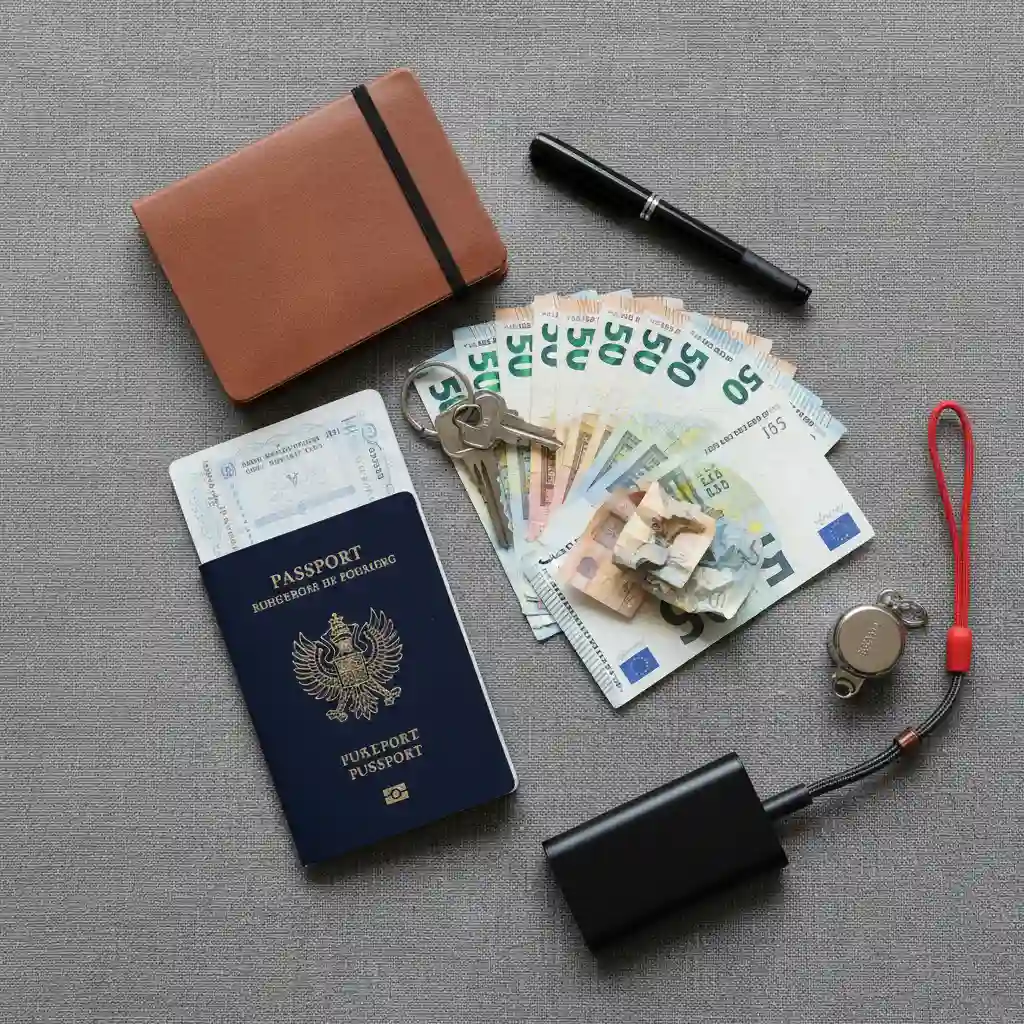
Encourage your friend to pack an emergency bag in case they need to leave quickly. If possible, offer to keep this bag at your house. It should include:
- Documents: Passports, birth certificates (for them and children), driver’s license, and protection orders.
- Financials: Cash (stash small amounts over time), bank cards, and checkbooks.
- Keys: Spare keys for the house and car.
- Essentials: Medications, a change of clothes, and toiletries.
Establishing Code Words
Agree on a code word or phrase that your friend can use in a text or phone call to signal they are in danger without alerting the abuser. For example, asking, “Did we still have plans for coffee on Tuesday?” could mean “Call the police immediately,” while “I have a headache” could mean “I need you to come over and pick me up.”
Technology Safety
Abusers frequently use technology to stalk and monitor victims. Discuss the possibility of spyware on phones. Advise your friend to use a library computer or a friend’s device to search for help. In New Zealand, the organization Woven Earth and Women’s Refuge provide excellent resources on digital safety.
New Zealand Legal Protections and Resources
New Zealand has a robust support network and legal framework designed to protect victims of family violence. Providing your friend with this information allows them to make informed decisions when they are ready.
Police Safety Orders (PSO)
If the police attend a domestic incident but there is not enough evidence for an arrest, they can issue a Police Safety Order (PSO) on the spot. A PSO can require the abuser to leave the property for up to 10 days. This gives the victim breathing room to seek support without the immediate pressure of a criminal trial.
Protection Orders
A Protection Order is issued by the Family Court. It is more permanent than a PSO. It legally prevents the abuser from contacting the victim, coming to their home or work, or possessing weapons. Breaching a Protection Order is a criminal offense punishable by imprisonment.
Key Support Organizations
You should have these numbers saved to share discreetly:
- Women’s Refuge: 0800 REFUGE (0800 733 843) – Provides safe housing and advocacy.
- Shine: 0508 744 633 – Specialist domestic violence support.
- It’s Not OK: 0800 456 450 – Information line for anyone affected by family violence.
- Shakti: 0800 742 584 – Specialist support for women of African, Asian, and Middle Eastern origins.
For comprehensive information on New Zealand’s family violence laws and support systems, you can refer to the New Zealand Police Family Violence page.
Recognizing When to Call the Police
While you should generally respect your friend’s autonomy, there are situations where immediate safety overrides confidentiality. If you believe there is an imminent threat to life or serious injury, you must intervene.
When to Dial 111
Call 111 immediately if:
- You witness physical violence occurring.
- You hear sounds of a violent struggle or distress.
- Your friend uses the agreed-upon “emergency code word.”
- You believe children are in immediate danger.
The “Silent Solution”
If your friend needs to call 111 but is too afraid to speak because the abuser is in the room, New Zealand’s emergency system has a “silent solution.” If they call 111 and stay silent, the operator may ask them to press 55. This signals to the operator that it is a genuine emergency and they cannot speak. Police will be dispatched to the location.
For further reading on how to recognize the signs of abuse and access professional help, Women’s Refuge New Zealand offers extensive guides and resources.
Supporting Yourself While Helping Others
Supporting a friend in an abusive relationship is emotionally draining. You may experience “vicarious trauma,” feeling the weight of their fear and pain. It is essential to set boundaries to maintain your own mental health.
Remember that you cannot save your friend; you can only support them. If you become overwhelmed, seek support from a counselor or call the support lines listed above—they are there for friends and family of victims, too. By staying strong and balanced, you remain a reliable anchor for your friend when they eventually make the courageous decision to leave.

People Also Ask
How do you help someone in an abusive relationship who is in denial?
Helping someone in denial requires patience. Avoid labeling the relationship as “abusive” immediately, as this may cause them to defend their partner. Instead, focus on specific behaviors, asking questions like “Is it normal for him to check your phone?” or “I noticed you seem scared to go home.” Keep the lines of communication open so they have a safe place to turn when they realize the reality of their situation.
What is the text line for domestic violence in NZ?
In New Zealand, you can text 1737 anytime, 24/7, to communicate with a trained counselor. While not exclusively for domestic violence, they can provide immediate support and referrals. Additionally, the police emergency number 111 should be used for immediate danger, and the “55” silent solution can be used if you cannot speak.
Can I call the police for a friend in a domestic violence situation?
Yes, you can and should call the police on 111 if you believe your friend is in immediate danger. If the situation is not an emergency but you are concerned, you can call 105 (Police Non-Emergency) to report your concerns or request a welfare check, though be mindful that a police visit could escalate risks if the abuser is present.
What are the 3 stages of the cycle of abuse?
The cycle of abuse typically involves three stages: 1) Tension Building (walking on eggshells, fear, moodiness), 2) Incident of Abuse (physical, emotional, or verbal attack), and 3) Reconciliation/Honeymoon (apologies, gifts, promises to change). Understanding this cycle helps friends understand why a victim might stay, hoping the “honeymoon” phase will last.
How do you tell if a friend is being physically abused?
Signs of physical abuse include unexplained bruises, cuts, or injuries (often explained away as “clumsiness”), wearing long sleeves or sunglasses indoors to hide marks, frequent cancellation of plans, and flinching at sudden movements. Behavioral changes like withdrawal, depression, and anxiety are also strong indicators.
What is a Police Safety Order (PSO) in NZ?
A Police Safety Order (PSO) is an order issued by NZ Police on the spot when they attend a family violence incident. It does not require a court hearing. It orders the person bound by the PSO to leave the property and not contact the protected person (the victim) for a period of up to 10 days, providing immediate safety and time to seek help.