
Mens support groups NZ represent a critical network of community-led and professional organizations designed to provide New Zealand men with safe, confidential spaces to discuss mental health, relationship breakdowns, and trauma. To access these resources, individuals can connect with peer-support networks like Men’s Sheds, therapeutic programs like She Is Not Your Rehab, or advocacy services for fathers navigating the Family Court system.
Breaking the Stigma: The Kiwi Man Syndrome
For generations, the cultural archetype of the New Zealand male has been defined by stoicism. The “Southern Man” or the “hard kiwi bloke” is expected to be resilient, unemotional, and self-reliant. While these traits have their place, they have created a significant barrier when it comes to mental health and emotional well-being. This cultural conditioning, often summarized by the phrase “she’ll be right,” suggests that ignoring a problem is a valid strategy for solving it. However, when it comes to severe depression, relationship trauma, or the stress of legal battles, silence is not a solution; it is a risk factor.
Breaking this silence is the first and most difficult step. The stigma surrounding men seeking help is rooted in the fear of appearing weak or vulnerable. Yet, the landscape in Aotearoa is shifting. High-profile New Zealanders, including former All Blacks and mental health advocates like Mike King, have begun to dismantle these outdated narratives. They are championing the idea that vulnerability is a form of strength and that reaching out to men’s support groups in NZ is a proactive step toward protecting one’s mana and future.
The reality is that isolation kills. New Zealand has some of the highest youth suicide rates in the OECD, and men are disproportionately represented in suicide statistics across all age groups. By engaging with support groups, men are not only helping themselves but are also modeling healthier behaviors for their sons, brothers, and whānau. It is about moving from a culture of silence to a culture of connection.
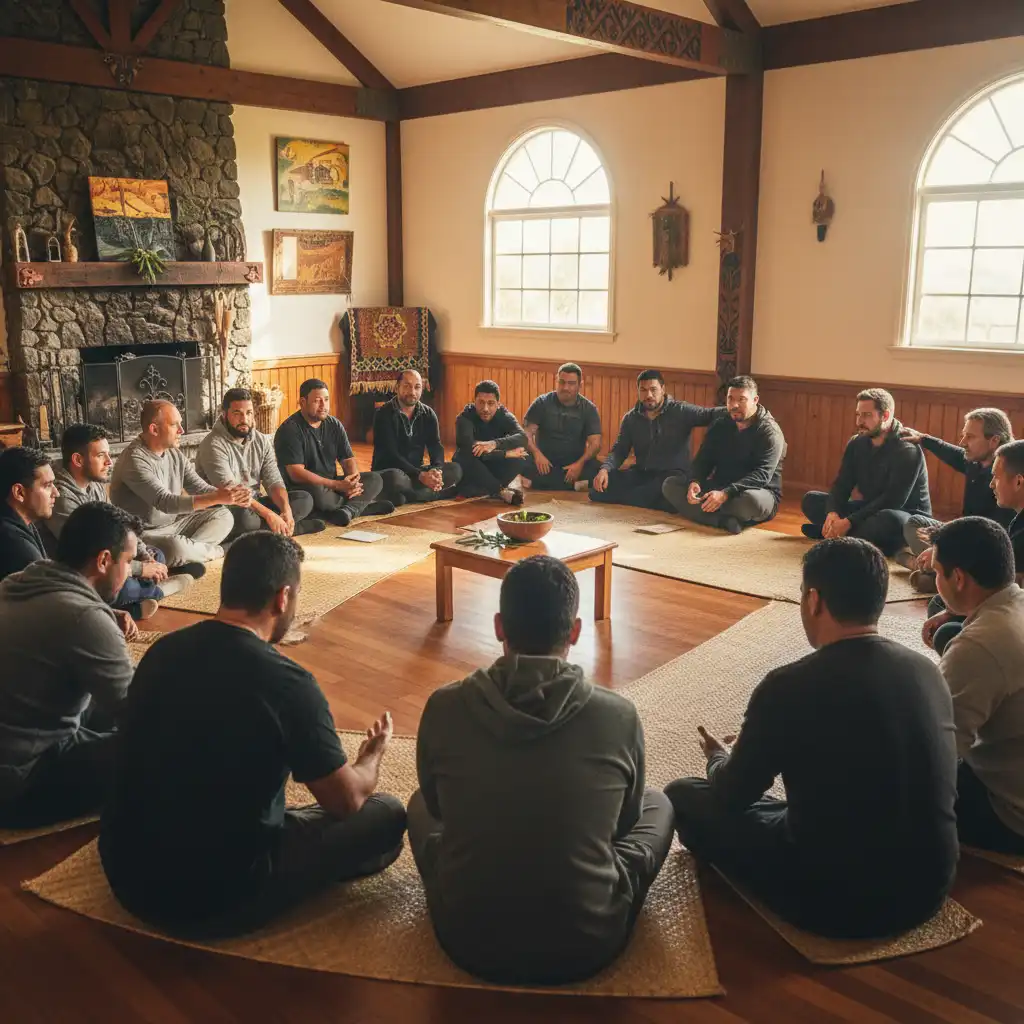
Types of Support Available in New Zealand
Support is not a one-size-fits-all proposition. Depending on the specific challenges a man is facing—whether it be divorce, depression, addiction, or loneliness—different types of groups will be more effective. Understanding the distinction between these categories is essential for finding the right fit.
Peer Support Groups
These are often community-led gatherings where men meet to share their experiences in a non-judgmental environment. They are rarely led by clinical psychologists but rather by facilitators who have lived experience. The power of these groups lies in the “me too” moment—realizing that you are not the only one struggling with a specific issue.
Activity-Based Groups
Many men find face-to-face conversation intimidating. Activity-based support, often referred to as “shoulder-to-shoulder” support, allows men to connect while working on a task. This could involve carpentry, gardening, or sports. The conversation flows naturally as a byproduct of the shared activity, removing the pressure to “perform” emotionally.
Clinical and Therapeutic Groups
These are structured programs led by mental health professionals. They are designed to address specific pathologies or behavioral patterns, such as anger management, addiction recovery, or PTSD. These groups often utilize Cognitive Behavioral Therapy (CBT) or other clinical modalities to effect change.
Online Communities
For those in rural New Zealand or those not yet ready for in-person interaction, digital forums and Zoom-based support groups offer a stepping stone. While they lack the physical presence of a room, they provide immediate accessibility and anonymity.
Key Organizations and Movements
Several organizations have established themselves as pillars of support within the New Zealand landscape. These entities offer structured programs and have garnered significant trust within the community.
She Is Not Your Rehab
Founded by Matt and Sarah Brown, this movement has gained international acclaim but remains deeply rooted in Christchurch. It challenges men to heal their own trauma so they do not project it onto their partners. Their approach is raw and honest, focusing on the concept of intergenerational trauma. They provide resources, books, and online communities that encourage men to take responsibility for their emotional healing. It is a powerful resource for men looking to break cycles of abuse or emotional neglect.
Men’s Sheds Aotearoa
Men’s Sheds are a global phenomenon with a massive footprint in New Zealand. They provide a physical space—literally a shed—where men can work on woodworking, engineering, or community projects. While not explicitly a “therapy group,” the mental health benefits are profound. It combats loneliness and provides a sense of purpose and camaraderie for retired men or those who are unemployed. It is the epitome of shoulder-to-shoulder support.
Man Up
Man Up is a peer-to-peer support group program that focuses on strengthening men to become better fathers, husbands, and leaders in their homes. While it has religious roots, many of its groups operate with a focus on brotherhood and accountability, helping men navigate addiction and anger issues.
Support for Male Victims of Abuse
One of the most silenced demographics in New Zealand is the male victim of domestic violence or sexual abuse. Societal bias often assumes men are always the perpetrators, making it incredibly difficult for male victims to come forward. They often fear being ridiculed or not being believed by authorities.
However, support is available. Organizations like Safe to Talk (Kōrero Mai, Ka Ora) offer confidential helplines for victims of sexual harm, regardless of gender. It is crucial to understand that domestic violence against men can take many forms, including physical assault, psychological manipulation, and financial control.
For men in this situation, finding a gender-neutral or men-specific advocate is vital. Shine is another organization that, while often associated with supporting women, provides services for men experiencing domestic abuse. Acknowledging that you are a victim is not an admission of weakness; it is a courageous step toward safety. According to the Mental Health Foundation of New Zealand, seeking immediate support after trauma significantly reduces the long-term risk of PTSD.

Fatherhood and Family Law Support
Navigating the Family Court system is one of the most stressful experiences a man can endure. The fear of losing contact with children, combined with the financial strain of separation, can lead to severe mental health declines. This is a specific niche where general mental health advice is often insufficient; men need practical, legal, and emotional guidance tailored to their situation.
Kidz Need Dadz
Kidz Need Dadz is a premier organization in New Zealand dedicated to strengthening the father-child relationship. They offer support for fathers going through separation and divorce. Their services include:
- Dad’s Kōrero: Regular support meetings where fathers can share advice on navigating custody arrangements and managing the emotional toll of separation.
- Education: Correspondence regarding the importance of the father’s role in child development.
- Events: Father’s Day events and community gatherings to normalize the presence of active fathers.
Union of Fathers
This organization focuses heavily on advocacy and lobbying for shared parenting laws, but also functions as a support network for men who feel alienated from their children. They provide a space to discuss the complexities of the Family Court and offer strategies for maintaining a relationship with children during high-conflict separations.
When dealing with Family Law, it is essential to distinguish between legal advice and emotional support. While support groups can offer guidance based on experience, they are not a substitute for a qualified lawyer. However, the emotional resilience built in these groups often helps men present themselves more effectively and calmly during court proceedings.
Navigating Mental Health Crises
If you or someone you know is in immediate danger, long-term support groups are not the immediate answer—crisis intervention is. New Zealand has specific services for acute mental health episodes.
Lifeline Aotearoa (0800 543 354) and the Suicide Crisis Helpline (0508 828 865) are available 24/7. These services are staffed by trained professionals who can de-escalate a crisis and connect men with urgent psychiatric care.
Depression in men often presents differently than in women. It may manifest as irritability, anger, risk-taking behavior, or physical pain (such as headaches or digestive issues) rather than overt sadness. Recognizing these signs in oneself or a “mate” is the first step. The “Need to Talk?” service (text 1737) is particularly popular among younger men who may feel more comfortable texting than speaking on the phone.

How to Choose the Right Support Network
Taking the step to join a group is brave, but finding the right group is ensuring that bravery pays off. Here is a guide to selecting a support network that aligns with your needs:
- Identify the Core Issue: Are you dealing with general depression, a specific addiction, or a legal battle regarding your children? Specificity matters. A general depression group may not have the specific knowledge to help with a custody battle.
- Check the Format: Do you want to sit in a circle and talk (process groups), or do you want to build a park bench (Men’s Sheds)? Be honest about your comfort level. If forced eye contact makes you anxious, start with an activity-based group.
- Assess the Facilitation: Is the group led by a peer or a professional? Professional groups are better for deep trauma and acute mental illness. Peer groups are excellent for maintenance, community, and loneliness.
- Trial and Error: It is okay to attend one meeting and decide it isn’t for you. Do not let one bad experience deter you from the concept of support entirely. Try a different organization or a different chapter.
Ultimately, the goal of mens support groups in NZ is to restore mana. Whether through the NZ Family Court support systems or community sheds, the resources are there to ensure no man has to walk his path alone.
People Also Ask
What are the best mens support groups in NZ for depression?
The best support groups for depression in NZ include Men’s Sheds for activity-based support, She Is Not Your Rehab for trauma-focused healing, and local DHB-funded therapy groups. For immediate help, the 1737 text line is highly recommended.
Are there support groups for divorced fathers in New Zealand?
Yes, Kidz Need Dadz is the leading organization providing support for separated and divorced fathers. They offer regular meetings, legal guidance, and emotional support for navigating co-parenting.
How do I find a Men’s Shed near me?
You can find a local shed by visiting the Men’s Sheds Aotearoa website, which features a directory of registered sheds across the North and South Islands.
Is there support for male victims of domestic violence in NZ?
Yes. While many services focus on women, organizations like Shine and Safe to Talk provide confidential support and advocacy for male victims of domestic and sexual abuse.
Is counseling free for men in NZ?
Counseling can be free if referred through a GP via the Primary Health Organisation (PHO) for mild to moderate mental health issues. ACC also funds therapy for victims of sexual abuse.
What is the ‘She Is Not Your Rehab’ movement?
She Is Not Your Rehab is a NZ-based movement founded by Matt Brown that encourages men to heal their own past trauma and take responsibility for their emotional well-being, rather than relying on their partners to fix them.