In the modern era of digital connection, the landscape of romance has shifted dramatically. From Auckland to Invercargill, Kiwis are increasingly turning to apps like Tinder, Bumble, and Hinge to find connection. While online dating offers convenience and a broader pool of potential partners, it introduces specific risks that necessitate a vigilant approach to personal safety. Navigating the world of meeting strangers requires a balance of optimism and caution, ensuring that your pursuit of love does not compromise your physical or emotional well-being.
Dating safety tips NZ involves a proactive approach to meeting strangers, which includes verifying identities through social media cross-referencing, arranging initial meetings in high-traffic public locations, sharing your live location with a trusted contact, and utilizing official resources like the New Zealand Police Family Violence Information Disclosure Scheme to check for a history of relevant violence.
Digital Due Diligence: Screening Before You Swipe
Before you even agree to a coffee date on Ponsonby Road or a walk along Oriental Bay, the vetting process must begin online. In New Zealand, the “two degrees of separation” phenomenon is real; however, relying solely on mutual friends or the assumption of a small community can be a fatal error in judgment. Digital due diligence is the first line of defense in modern dating safety.
Verifying Identity
When you match with someone, take the conversation off the dating app only when you feel comfortable, but be wary of moving to encrypted messaging apps (like WhatsApp or Telegram) too quickly, as scammers prefer these platforms to hide their tracks. Use the information provided in their profile to perform basic checks. Does their name and job title align with a LinkedIn profile? Do they have an Instagram or Facebook presence that shows a history of activity, or was the account created last week?
A reverse image search is a powerful tool. By saving their profile photo and running it through Google Images or TinEye, you can see if the photo has been stolen from a stock image site, a celebrity, or an unsuspecting influencer overseas. If the photo appears under multiple different names, you are likely dealing with a catfish or a scammer.

The ‘Check Your Date’ Framework in New Zealand
One of the most critical aspects of dating safety in the context of New Zealand family law and protection is understanding the resources available to verify a potential partner’s history regarding violence. While New Zealand does not have a public sex offender registry accessible to the general public like the United States, there are mechanisms in place designed to protect individuals from entering relationships with violent offenders.
The Family Violence Information Disclosure Scheme
Often referred to informally as “Clare’s Law” (based on the UK legislation), the New Zealand Police operate the Family Violence Information Disclosure Scheme. This allows anyone who is worried that their partner (or the partner of someone they know) may have a history of violence to ask the Police for information.
If the Police hold information that suggests you are at risk, they can disclose this information to you or a support person to help you make decisions about your safety. This is a vital tool for those who have started dating someone and notice early warning signs of aggression or control. It shifts the power dynamic, allowing for informed consent regarding who you allow into your life.
For more details on how to make a request, you can visit the official New Zealand Police Family Violence Information Disclosure Scheme page.
Meeting in Public Spaces: Best Practices for Kiwi Daters
The transition from digital communication to a physical meeting is the highest-risk point in early dating. The golden rule of “dating safety tips NZ” is to control the environment of the first few dates. Never agree to a first date at a private residence—yours or theirs.
Choosing the Right Venue
Select a neutral, public location with high foot traffic. In cities like Wellington, Christchurch, or Auckland, opt for busy cafes, museums, or popular restaurants. Avoid secluded hiking trails or beaches at night for a first meeting, regardless of how romantic the suggestion sounds. The presence of witnesses and CCTV in public venues acts as a significant deterrent to predatory behavior.
Transportation Independence
Maintain control over your transportation. Do not accept a ride from your date to or from the venue. If the date goes poorly, or if you feel unsafe, you need the autonomy to leave immediately without relying on them. Use your own car, public transport, or a rideshare service like Uber or Zoomy. If you drive, park in a well-lit area, ideally not directly in front of the venue if you wish to keep your car seeking anonymity initially.
The “Tell a Friend” Protocol
Before leaving for the date, inform a trusted friend or family member of the specific details:
- Who: The name (and photo/profile screenshot) of the person you are meeting.
- Where: The exact location of the date.
- When: The time you are meeting and an estimated time you will check in.
Many smartphones now allow for live location sharing (e.g., via iMessage, WhatsApp, or Google Maps). Enable this feature for the duration of the date. Establish a “code word” or emoji that you can text your friend if you need an emergency exit call.
Recognizing Red Flags and Behavioral Warning Signs
Safety is not just about physical logistics; it is also about psychological awareness. Predators and abusers often mask their true nature early in relationships, but subtle “red flags” usually appear if you know what to look for.
Boundary Testing
Pay close attention to how your date reacts to the word “no.” This could be about small things—declining a second drink, refusing to try a specific food, or not wanting to go to a second location. If they pressure you, mock your hesitation, or ignore your refusal, this is a major warning sign. A person who disrespects small boundaries will inevitably disrespect large ones.
Love Bombing and Pace
Be wary of excessive compliments, declarations of love, or pressure to commit immediately. This tactic, known as “love bombing,” is frequently used to lower your defenses and create a false sense of intimacy and obligation. Healthy relationships develop at a pace where trust is earned, not demanded.
Alcohol and Substance Management
If you choose to drink, monitor your intake and your glass. Drink spiking does occur in New Zealand nightlife. Never leave your drink unattended. If you return from the bathroom, order a fresh one. Furthermore, observe your date’s relationship with alcohol. Do they become aggressive, loud, or overly touchy after a drink? Do they pressure you to “keep up” with them?

Catfishing and Romance Scams: A Growing Threat
In the context of New Zealand’s digital landscape, romance scams are a multi-million dollar issue. Scammers often build relationships over weeks or months before asking for money. This is distinct from physical safety but is a crucial component of holistic dating safety.
Identifying the Scam
The hallmark of a romance scam is a reason why they cannot meet in person (working on an oil rig, deployed overseas, stuck in customs) followed by a financial crisis. They may ask for money for a plane ticket to visit you, medical bills, or a “frozen bank account.”
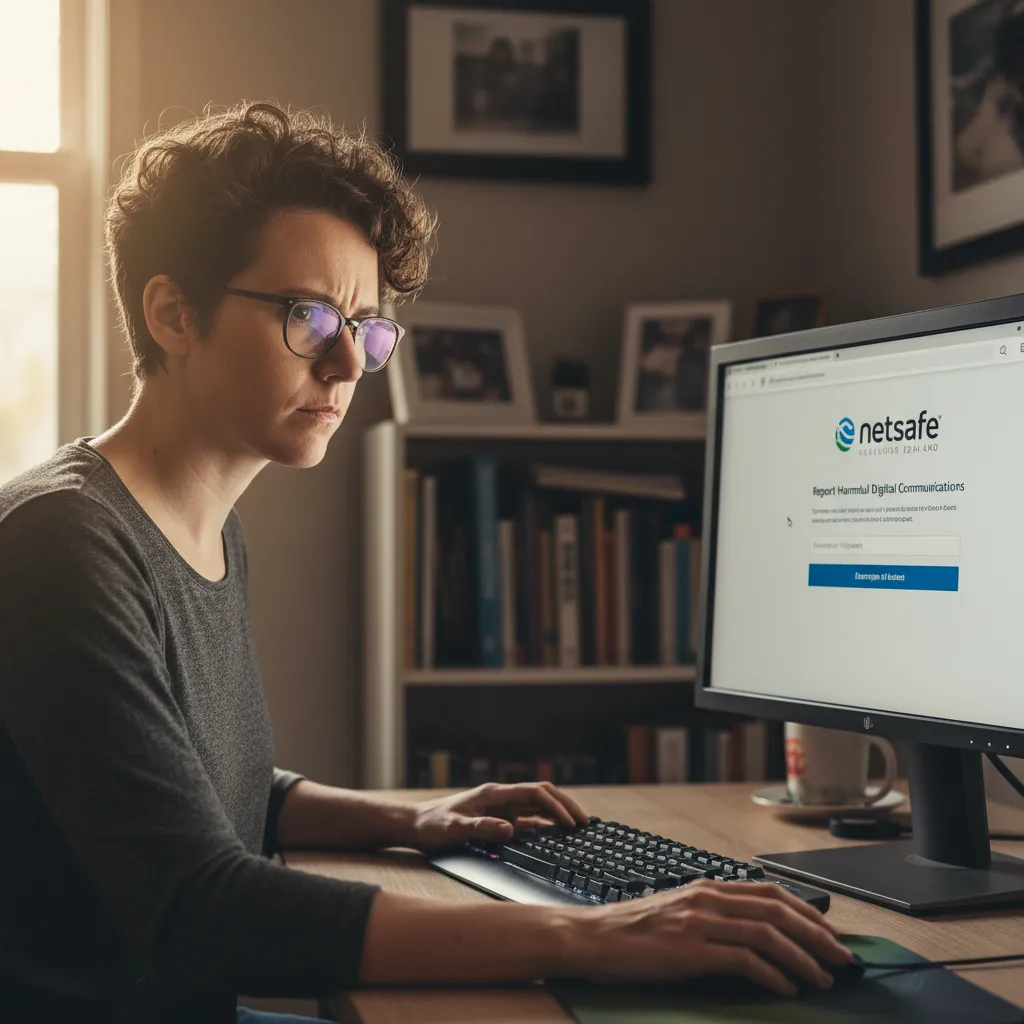
Never send money to someone you have not met in person. If a match asks for financial assistance, report them to the dating platform immediately. In New Zealand, you can also report these scams to Netsafe, an independent non-profit organization that promotes online safety.
Reporting Bad Behavior and Legal Protections
If a date goes wrong, or if you experience harassment, stalking, or assault, it is imperative to know your recourse. The “she’ll be right” attitude should never apply to your safety. New Zealand law provides protections against harmful digital communications and physical threats.
Reporting on Apps
Dating apps like Tinder, Bumble, and Hinge have robust reporting features. If someone sends abusive messages, unsolicited explicit images, or behaves threateningly, do not just unmatch them. Report them first. Unmatching often disappears the conversation, making it harder to report later. Reporting alerts the platform to remove the user, preventing them from harming others.
The Harmful Digital Communications Act
If the harassment continues online (e.g., they find you on Facebook or Instagram after you block them on the dating app), this may fall under the Harmful Digital Communications Act (HDCA). This Act makes it illegal to send messages or post content intended to cause harm. Netsafe is the approved agency to handle complaints under this Act and can help you get content removed or mediate the situation.
Police Involvement
For immediate physical danger, sexual assault, or stalking, contact the New Zealand Police via 111. Non-emergency reports (such as historical harassment) can be made via 105. Trust your instincts; if you feel you are in danger, involve authorities early.
People Also Ask (FAQ)
Is online dating safe in NZ?
Online dating in NZ is generally safe if precautions are taken. While New Zealand is considered a safe country, daters should always meet in public places, verify their date’s identity via social media, and inform a friend of their whereabouts. Utilizing the Police Disclosure Scheme is also recommended for checking a partner’s violence history.
How can I check someone’s criminal record in NZ for dating?
You cannot access a person’s full criminal record for dating purposes due to privacy laws. However, under the Family Violence Information Disclosure Scheme, you can ask the NZ Police if a partner has a history of family violence if you fear for your safety.
What is the safest dating app in New Zealand?
Apps like Bumble are often cited as safer because they require women to initiate the conversation, offering more control. However, all major apps (Tinder, Hinge) have safety centers. The safety comes less from the app choice and more from user behavior: vetting matches and meeting in public.
What should I do if I feel unsafe on a date?
Leave immediately. You do not owe the person an explanation. Go to a staff member at the venue and ask for help; many NZ bars operate “Ask for Angela” or similar safety protocols where staff will help you exit safely or call a taxi.
How do I spot a romance scammer in NZ?
Romance scammers often profess love quickly, refuse to meet in person or video call, and eventually ask for money for emergencies. If a match claims to be overseas or has inconsistent profile photos, be highly suspicious.
Can I ask police about a partner’s violence history in NZ?
Yes, through the Family Violence Information Disclosure Scheme. If you are worried about your safety, you can make a request to the NZ Police to see if they hold relevant information about your partner’s history of violence.