
Betrayal trauma symptoms include severe anxiety, intrusive thoughts, emotional dysregulation, and cognitive dissonance stemming from a breach of trust by a significant other. These symptoms often mimic PTSD, causing brain fog and hypervigilance that severely impair an individual’s ability to make logical, long-term decisions during high-conflict separations.
When you discover that the person you trusted most—a spouse or long-term partner—has led a double life or actively worked against your well-being, the psychological impact is catastrophic. In the niche of high-conflict divorce and relationship psychology, particularly within New Zealand’s legal landscape, we often see clients expected to make life-altering legal and financial decisions at the exact moment their brains are least equipped to do so.
Understanding the intersection between trauma physiology and decision-making is not just therapeutic; it is a strategic necessity. This guide explores how betrayal trauma hijacks the brain and provides a roadmap for regaining the clarity required to protect your future.
Understanding Betrayal Trauma Symptoms and Cognitive Function
Betrayal trauma differs from other forms of trauma because the perpetrator is also the victim’s source of support. This creates a unique psychological bind. When a stranger attacks you, your brain knows to run or fight. When a spouse betrays you, your brain is caught between the instinct to attach for safety and the instinct to recoil from danger.
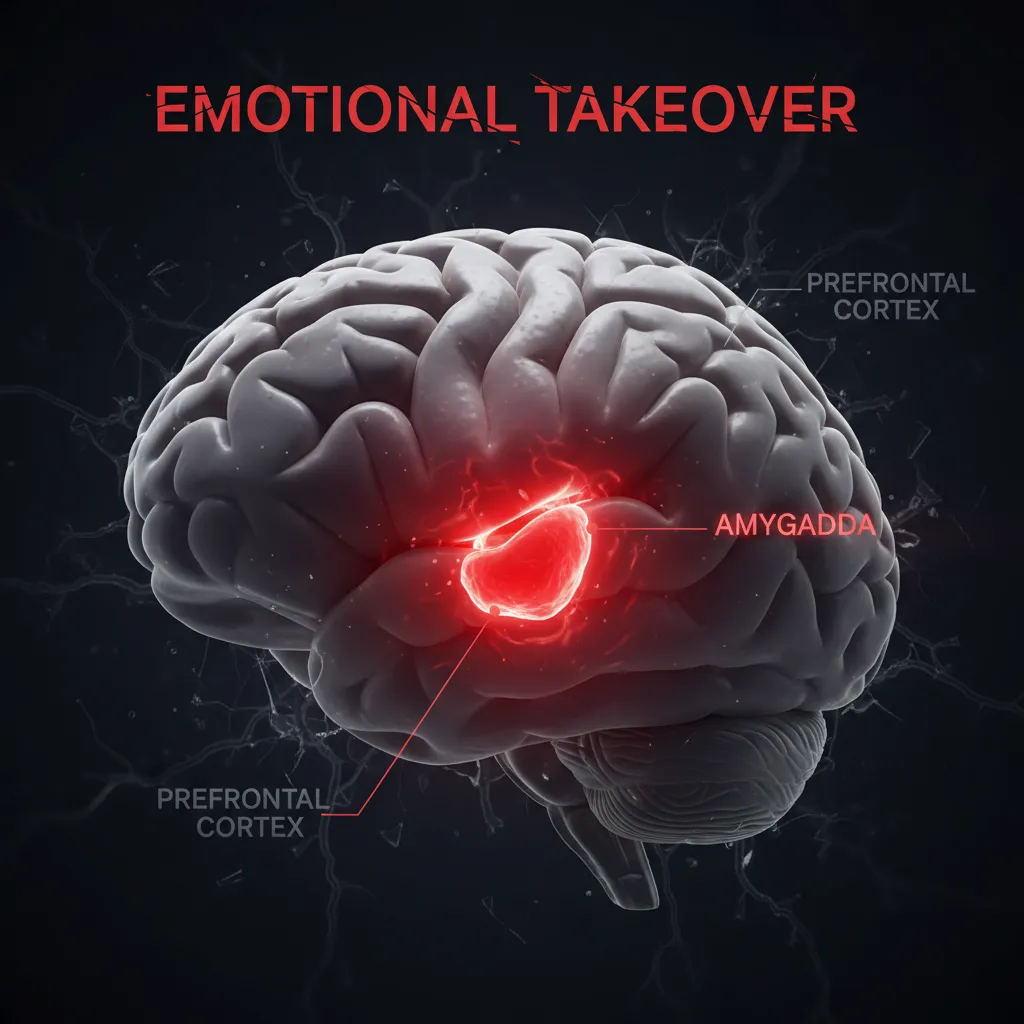
The resulting betrayal trauma symptoms are not merely emotional; they are physiological and cognitive. Victims often report a sensation of “brain fog” or an inability to retain information. This is not a lack of intelligence; it is a reallocation of neural resources. To survive the immediate threat, the brain deprioritizes complex executive functions—planning, weighing consequences, and abstract reasoning—in favor of immediate survival mechanisms.
Common cognitive symptoms include:
- Dissociation: Feeling detached from reality, as if watching the legal proceedings from a distance.
- Memory Gaps: Inability to recall specific timelines or financial details required for affidavits.
- Obsessive Rumination: The brain loops over the betrayal events in an attempt to make sense of the nonsensical, leaving little processing power for legal strategy.
- Decision Fatigue: An overwhelming exhaustion that sets in after making even minor choices.
Recognizing these symptoms is the first step in mitigating their impact on your divorce proceedings. You are not “going crazy”; you are experiencing a normal neurobiological response to an abnormal situation.
The Brain on Trauma: Fight, Flight, Freeze, and Fawn
To understand why decision-making suffers, we must look at the survival responses activated by the amygdala. In a high-conflict divorce, these responses manifest in ways that can be legally detrimental.
The Fight Response
While this might seem useful in a legal battle, the trauma-induced “fight” response is often reactive rather than strategic. It is characterized by explosive anger and a desire for vindication. In court, this can be weaponized by the opposing counsel to paint the victim as unstable or aggressive. Decisions made in this state are often driven by a desire to punish rather than a desire to secure a stable future.
The Flight Response
The flight response manifests as avoidance. Victims may ignore emails from their lawyers, refuse to open financial statements, or delay filing necessary paperwork. This avoidance is a desperate attempt to escape the pain of the reality, but it often leads to missed deadlines and legal defaults.
The Freeze Response
This is a state of paralysis. You know you need to make a decision regarding a settlement offer, but you physically cannot bring yourself to respond. The brain has hit the brakes. According to research on the neurobiology of trauma, this is often linked to a high-tone dorsal vagal state, where the body shuts down to conserve energy in the face of an inescapable threat.
The Fawn Response
Perhaps the most dangerous response in divorce negotiations is the “fawn” response. This is the instinct to appease the aggressor to avoid further harm. In a high-conflict dynamic, the betrayed partner may agree to an unfair settlement, give up custody rights, or waive financial entitlements simply to “keep the peace” or stop the partner’s aggressive behavior. This is not a decision made from generosity; it is a decision made from terror.
The Danger of Hasty Settlements: Guilt, Shock, and Appeasement
One of the most critical risks associated with betrayal trauma symptoms is the susceptibility to hasty settlements. High-conflict individuals and narcissists often capitalize on the shock phase of the victim to push for quick agreements.
The Urgency Trap
Your ex-partner may create artificial deadlines or manufacture crises to force you to sign documents before you have processed the betrayal. They know that once the “fog” lifts, you will likely fight for what you are entitled to. By pressuring you while you are in a state of cognitive dissonance, they aim to secure assets or custody arrangements that favor them.
Guilt and Gaslighting
Even when they are the betrayer, high-conflict personalities are adept at shifting blame. They may convince you that the relationship failure is your fault, or that asking for your fair share of the assets is “greedy” or “hurting the children.” A brain compromised by trauma is highly susceptible to this gaslighting. You may settle for less to alleviate a misplaced sense of guilt.

It is vital to adopt the mantra: “Do not sign anything in a state of panic.” If a settlement offer is good today, it will be good next week. If the other party threatens to withdraw the offer unless you sign immediately, it is almost certainly a manipulation tactic.
Therapeutic Support During Legal Proceedings
Attempting to navigate the legal system without psychological support during betrayal trauma is akin to entering a marathon with a broken leg. Therapeutic support is not a luxury; it is a protective measure for your legal case.
Trauma-Informed Therapy
Standard talk therapy may not be sufficient. Modalities such as EMDR (Eye Movement Desensitization and Reprocessing) or Somatic Experiencing can help process the physiological shock of the trauma. By calming the nervous system, you bring the prefrontal cortex back online, allowing for logical thought.
The Role of the Therapist in Legal Strategy
While a therapist cannot give legal advice, they can help you distinguish between emotional reactions and logical choices. They can help you role-play mediation scenarios to prevent the “fawn” response from taking over when you are in the same room as your ex-partner.
Additionally, having a documented history of seeking support can sometimes be relevant, demonstrating that you are proactively managing your mental health, which counters false narratives of instability often projected by high-conflict ex-partners.
Regaining Cognitive Clarity for High-Stakes Decisions
Regaining the ability to make sound decisions takes time and intentionality. Here are specific strategies to clear the fog and protect your interests.
The 24-Hour (or 72-Hour) Rule
Implement a strict rule that you will never agree to anything—verbal or written—without a waiting period. Use this time to regulate your nervous system. Step away from the email or the phone call. Engage in grounding activities like walking, deep breathing, or cold water immersion to reset your vagus nerve.
Externalize the Executive Function
Since your brain’s executive function is compromised, borrow someone else’s. This is the role of your lawyer and a trusted, non-emotional friend or family member. Your lawyer provides the legal logic; your trusted friend provides the emotional logic.
Before making a decision, explain it to your “advisory board.” If they tell you that you are acting out of guilt or fear, listen to them. They are seeing the reality that your trauma is obscuring.
Document Everything
Because memory is often fragmented by trauma, do not rely on your recall. Keep a detailed journal of interactions, promises, and events. This serves two purposes: it provides evidence for your legal case, and it acts as a reality check against gaslighting. When you doubt your perception, you can refer to your written record.

Strategic Compartmentalization
Try to limit “divorce business” to specific hours of the day. Constant exposure to legal stress keeps the body in a state of hyperarousal. By setting a boundary—for example, “I will only deal with legal emails between 10 AM and 12 PM”—you allow your nervous system periods of rest, which are essential for cognitive recovery.
For further reading on the psychological mechanisms of trauma, the American Psychological Association offers extensive resources that can help validate your experience.
Conclusion
Betrayal trauma is a profound injury that strikes at the core of your ability to trust your own judgment. However, by recognizing betrayal trauma symptoms and understanding how they influence your decision-making, you can build a defensive perimeter around your future.
In the high-stakes arena of divorce and separation, particularly when dealing with high-conflict personalities, your clarity is your greatest weapon. Do not rush. Do not succumb to the pressure to appease. Lean on professionals, prioritize your physiological regulation, and remember that the brain fog is temporary, but the legal agreements you sign are permanent. Treat your recovery not just as a healing journey, but as a critical component of your legal strategy.
People Also Ask
What are the physical symptoms of betrayal trauma?
Physical symptoms often include insomnia, digestive issues, chronic pain, muscle tension, and a weakened immune system. The body remains in a state of high alert (hypervigilance), leading to exhaustion and increased susceptibility to illness.
How does betrayal trauma affect decision making?
Betrayal trauma impairs the prefrontal cortex, the part of the brain responsible for logic and planning. This leads to impulsivity, difficulty concentrating, indecision, and a tendency to prioritize immediate relief over long-term benefits.
Can betrayal trauma cause PTSD?
Yes, betrayal trauma can lead to Post-Traumatic Stress Disorder (PTSD). Symptoms such as flashbacks, avoidance behaviors, and severe anxiety are common, requiring professional trauma-informed therapy for recovery.
Why is the fawn response common in high-conflict divorce?
The fawn response is a survival mechanism where the victim attempts to appease the abuser to avoid conflict or harm. In divorce, this results in agreeing to unfair terms to “keep the peace” or stop the harassment.
How long does it take to heal from betrayal trauma?
Healing timelines vary significantly depending on the severity of the betrayal, the duration of the relationship, and the support system available. It is a non-linear process that can take months or years, often requiring professional intervention.
What is the best therapy for betrayal trauma?
Trauma-focused therapies such as EMDR (Eye Movement Desensitization and Reprocessing), Somatic Experiencing, and Cognitive Behavioral Therapy (CBT) are considered highly effective for processing the shock and rewiring the nervous system.