The ADHD divorce rate is consistently estimated to be significantly higher than the average, often cited as nearly double that of neurotypical couples, particularly when the condition remains undiagnosed or untreated. This increased probability of marital dissolution stems from chronic misunderstandings regarding executive dysfunction, emotional dysregulation, and the unintentional development of toxic relationship dynamics that erode intimacy over time.
The Reality: ADHD Divorce Rate Statistics
When analyzing the trajectory of modern relationships, Attention Deficit Hyperactivity Disorder (ADHD) emerges as a significant, yet often overlooked, variable in marital stability. While precise global statistics can vary, research consistently indicates a strong correlation between ADHD and relationship breakdown.
Studies suggest that adults with ADHD have a divorce rate that is nearly twice as high as the general population. According to research cited by leading experts like Dr. Russell Barkley, couples where at least one partner has ADHD report significantly lower levels of marital satisfaction and higher levels of distress. The volatility is not necessarily born of a lack of love, but rather a lack of executive function compatibility.
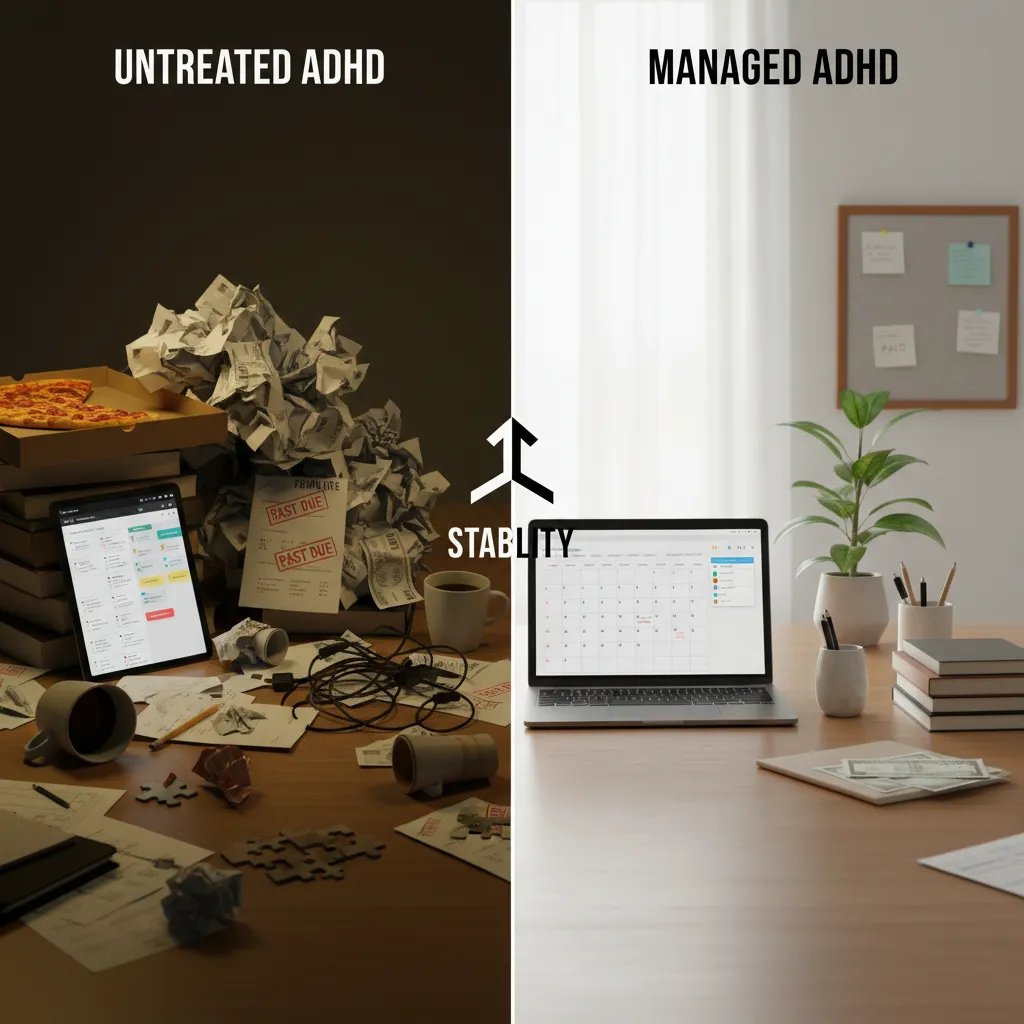
It is critical to distinguish between treated and untreated ADHD. The statistics paint a grim picture primarily for those who are unaware of their neurodivergence or who are not actively managing it. When ADHD is identified and managed through medication, therapy, and structural support, the divorce rate drops significantly, approaching the baseline of the general population. This highlights that the core issue is not the diagnosis itself, but the unmanaged symptoms that manifest as neglect, chaos, or indifference.
The Toxic Parent-Child Dynamic
One of the most pervasive and damaging patterns in relationships impacted by ADHD is the development of a “parent-child” dynamic. This is rarely a conscious choice by either partner but rather a survival mechanism that evolves over years of missed deadlines, forgotten chores, and organizational chaos.
The Burden on the Non-ADHD Partner
The non-ADHD partner often involuntarily assumes the role of the “household manager” or the “parent.” They find themselves reminding their spouse to take their keys, pay the bills, feed the dog, or show up for appointments. Over time, this over-functioning leads to a state of chronic vigilance. The non-ADHD partner begins to feel less like a lover and more like a nag or a caretaker. This breeds deep-seated resentment, as they feel their partner is unreliable and that the weight of the family’s survival rests solely on their shoulders.
The Rebellion of the ADHD Partner
Conversely, the partner with ADHD often feels controlled, micromanaged, and criticized. Constant reminders are perceived as nagging, leading to feelings of shame and inadequacy. In response, they may retreat or rebel—behaviors that mimic a rebellious teenager. They may hide mistakes to avoid a lecture or shut down emotionally to escape the feeling of constant failure. This dynamic destroys sexual polarity and romantic intimacy; it is psychologically difficult to feel attraction toward someone you are parenting, or someone who acts like your parent.
Impulsivity and Financial Strain
Money is a leading cause of divorce in all demographics, but in ADHD marriages, financial conflict is often steroid-injected by the symptom of impulsivity. The ADHD brain craves dopamine, and spending money is a quick, accessible way to secure that neurochemical reward.
Financial infidelity is common, though often unintentional. This might look like:
- Impulse Purchases: Buying hobbies, gadgets, or items that are abandoned shortly after.
- The “ADHD Tax”: Wasting money on late fees, parking tickets, or subscriptions that were never cancelled due to forgetfulness.
- Risk-Taking: Engaging in high-risk investments or gambling without consulting the partner.
For the non-ADHD partner, specifically those who value security and planning, this behavior feels like a direct betrayal. It signals a lack of respect for the family’s future. When a partner repeatedly jeopardizes the family’s financial security, trust is eroded. The breakdown isn’t just about the dollar amount; it is about the inability to rely on one’s partner to act in the family’s best interest.
Emotional Dysregulation and High-Conflict Cycles
While executive dysfunction (organization, time management) gets the most attention, emotional dysregulation is often the nail in the coffin for these marriages. Adults with ADHD often struggle to modulate their emotional responses. Frustration can escalate to rage in seconds, and minor critiques can trigger a catastrophic emotional collapse.
Rejection Sensitive Dysphoria (RSD)
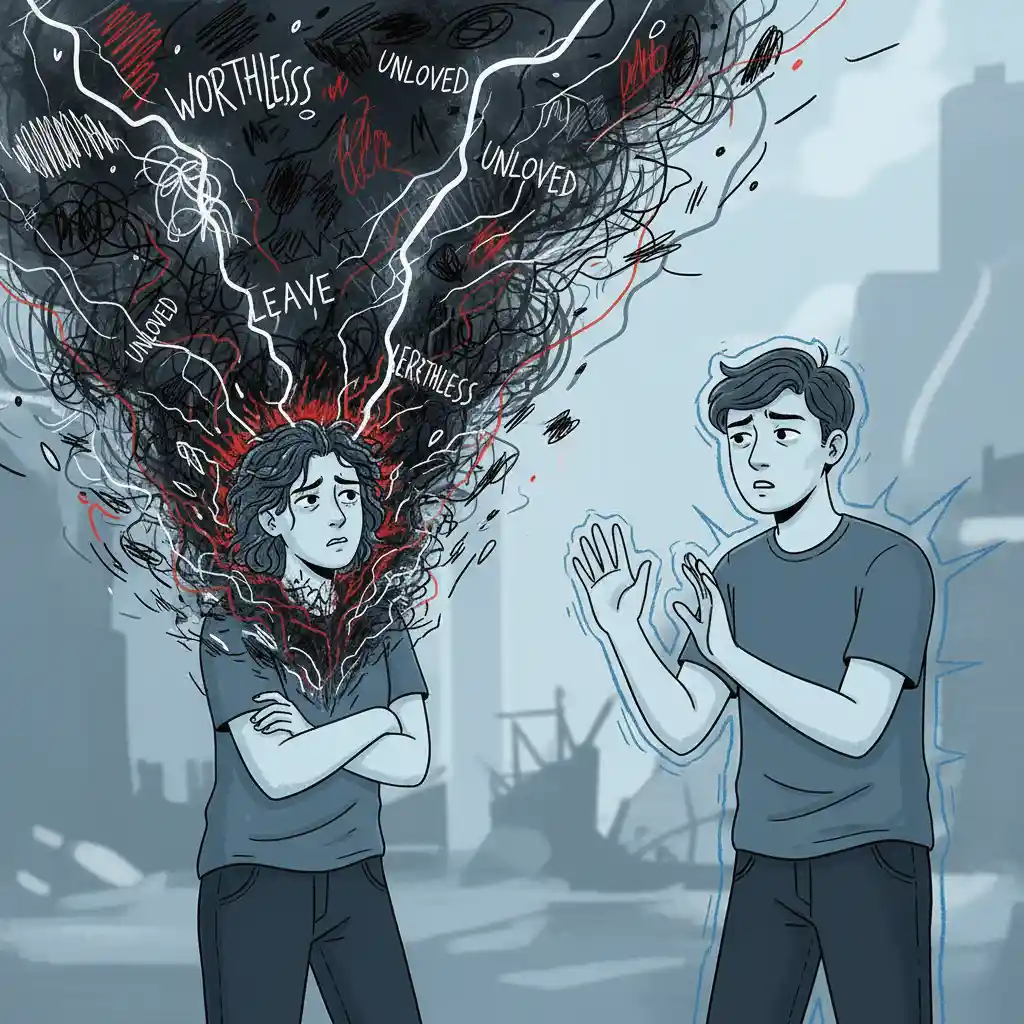
A specific manifestation of this is Rejection Sensitive Dysphoria (RSD). For an ADHD partner, a neutral comment or a mild request from their spouse can be perceived as a severe rejection or criticism. This triggers an intense, painful emotional response that seems disproportionate to the situation.
In a high-conflict divorce scenario, this is dangerous. The ADHD partner may interpret the separation process as an ultimate rejection, leading to extreme defensive behaviors, refusal to negotiate, or high-conflict litigation. Understanding RSD is vital for de-escalating marital disputes before they reach the courtroom.
For more on the clinical aspects of ADHD and emotional regulation, reputable sources like CHADD (Children and Adults with Attention-Deficit/Hyperactivity Disorder) provide extensive resources that explain the neurobiology behind these intense reactions.
The Erosion of Intimacy and Trust
The cumulative effect of the parent-child dynamic, financial instability, and emotional volatility is the total erosion of intimacy. In the context of the “ADHD divorce rate,” the loss of intimacy is usually the precursor to the legal filing.
The non-ADHD partner often feels lonely, unheard, and exhausted. They may suffer from “Cassandra Syndrome,” where they feel they are suffering alone while the outside world sees their partner as fun, charismatic, and life-of-the-party. The ADHD partner, meanwhile, feels unloved for who they are and constantly judged for their neurological deficits.
Trust is not broken in one giant event, but in a thousand small broken promises: the forgotten anniversary, the unwashed dishes, the late pickup of the children. Recovering this trust requires more than an apology; it requires a structural change in behavior.
Moving From Blame to Understanding
To reverse the statistics or navigate a separation with dignity, couples must move from a framework of moral failing to one of neurobiological difference. The behaviors that lead to the high ADHD divorce rate are rarely malicious. The ADHD partner is usually not trying to be difficult; they are struggling with a brain that regulates attention and emotion differently.
Reframing the Narrative:
Instead of “You don’t care about me enough to remember the bills,” the narrative must shift to “Your executive function deficit makes tracking bills difficult; we need a system that doesn’t rely on your working memory.”
This shift does not excuse the behavior, but it depersonalizes it. It allows the couple to attack the problem (the symptom) rather than each other. In the context of relationship psychology, especially in New Zealand’s focus on reducing high-conflict separation, this cognitive reframe is essential for mediation and co-parenting success.
Strategies for Navigating Neurodiverse Relationships
Whether the goal is to save the marriage or ensure a healthy co-parenting future, specific strategies must be employed to counteract the ADHD divorce statistics.
1. Diagnosis and Treatment
The single most effective way to lower the risk of divorce is treating the ADHD. Medication is the first line of defense for many, normalizing neurotransmitter levels to allow for better focus and emotional control. Without physiological treatment, behavioral strategies are often fighting an uphill battle.
2. Externalize the Executive Function
Stop relying on the ADHD brain to remember mundane tasks. Use technology, auto-pay for bills, shared digital calendars, and visual whiteboards. If finances allow, hire a cleaner or a bookkeeper. Removing the friction points of daily life reduces the “nagging” dynamic.
3. ADHD-Informed Couples Therapy
Standard marriage counseling can sometimes backfire if the therapist does not understand neurodivergence. They might interpret the ADHD partner’s distraction as “resistance” or the non-ADHD partner’s frustration as “controlling.” Seeking a specialist who understands the unique neurology of ADHD is crucial.

4. Scheduled Connection
Spontaneity is difficult when life is chaotic. Scheduling intimacy and “talk time” ensures that connection happens despite the distraction. It prevents the relationship from becoming purely transactional.
For further reading on the psychological impact of neurodivergence in relationships, reliable data can be found through the National Center for Biotechnology Information (NCBI), which hosts numerous studies on adult ADHD and marital satisfaction.
People Also Ask
What percentage of ADHD marriages end in divorce?
While specific global percentages vary, research indicates that the divorce rate for couples where one partner has untreated ADHD is nearly twice the rate of the general population. However, this risk significantly decreases when the ADHD is diagnosed and effectively treated.
Why is the divorce rate higher for people with ADHD?
The divorce rate is higher due to symptoms like impulsivity, forgetfulness, emotional volatility, and financial mismanagement. These traits often lead to a “parent-child” dynamic where the non-ADHD partner feels overburdened and the ADHD partner feels micromanaged, eroding romantic intimacy.
Can a marriage survive if one partner has ADHD?
Yes, marriages with ADHD can thrive. Success relies on accurate diagnosis, effective treatment (often including medication), and a willingness from both partners to understand the neurobiology of ADHD. Moving away from blame toward structural solutions is key.
How does ADHD affect intimacy in a relationship?
ADHD can cause distraction during intimacy, difficulty transitioning from daily tasks to sexual connection, or hypersensitivity to touch. Furthermore, the resentment built up from the “parent-child” dynamic often kills sexual desire for the non-ADHD partner.
Is the non-ADHD partner always the victim?
No. While the non-ADHD partner often carries a heavy load, they can contribute to the conflict by becoming controlling, critical, or enabling. A healthy relationship requires both partners to adjust their behaviors and expectations.
What is the “ADHD Tax” in relationships?
The “ADHD Tax” refers to the financial loss caused by ADHD symptoms, such as late fees, parking tickets, impulse buys, or forgotten subscriptions. This financial leakage causes stress and resentment in the relationship, contributing to higher divorce rates.