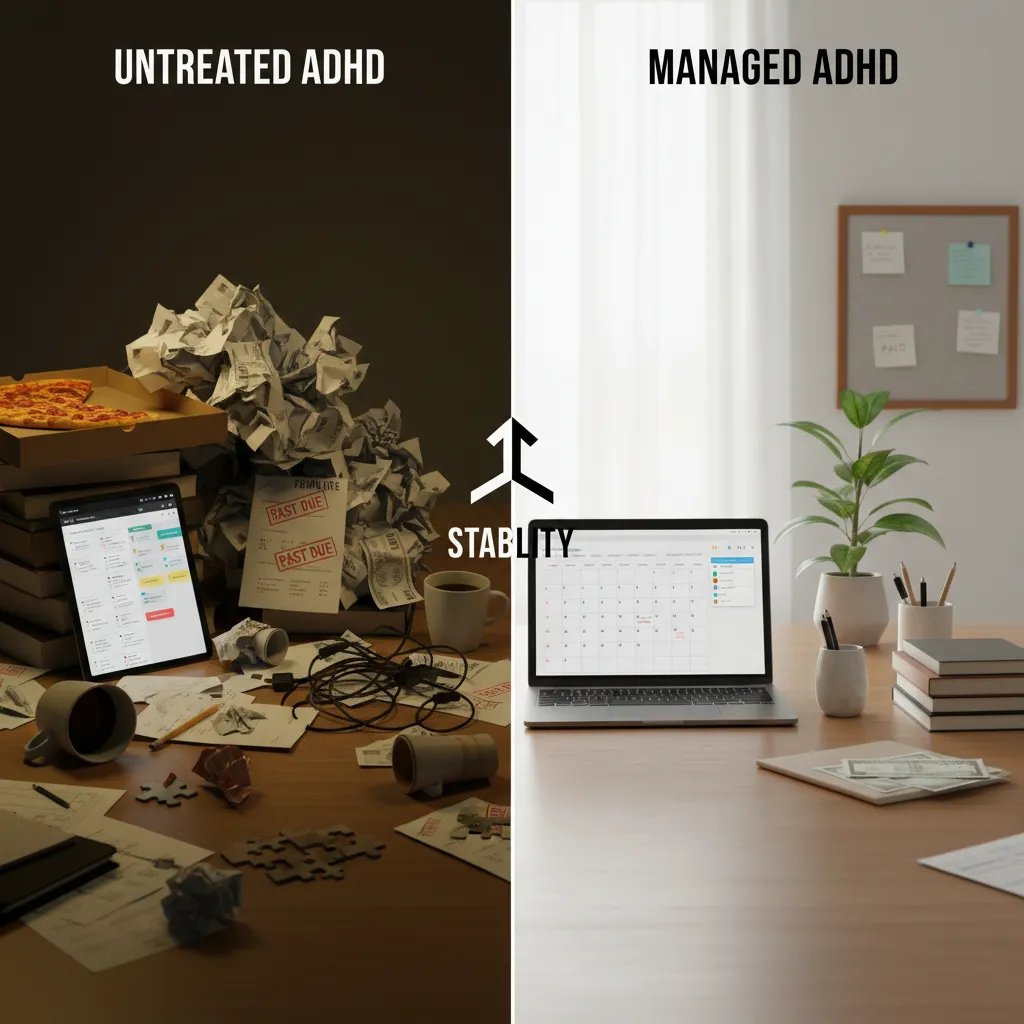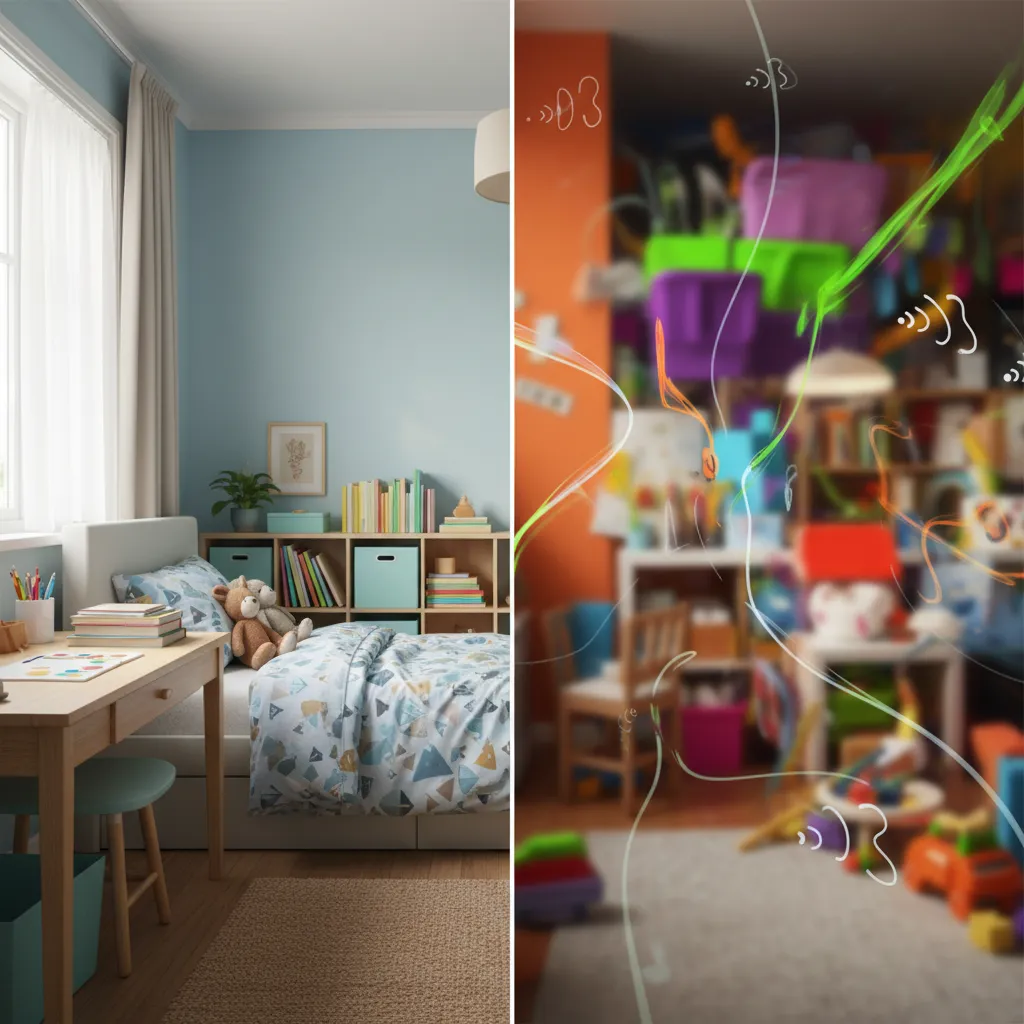
Effective co-parenting communication with ADHD requires moving away from verbal agreements and relying on written, visual, and automated systems. To succeed, you must utilize shared digital calendars, limit communication to single-topic messages, and implement structured parenting apps to bypass executive function deficits and reduce high-conflict misunderstandings.
The Neurodivergent Lens: Why Traditional Co-Parenting Fails
Navigating a separation is challenging enough, but when you add neurodivergence into the mix—specifically Attention Deficit Hyperactivity Disorder (ADHD) or Autism Spectrum Disorder (ASD)—standard communication strategies often disintegrate. In the context of high-conflict divorce and relationship psychology, understanding the neurological underpinnings of your ex-partner’s behavior is the first step toward preserving your sanity and ensuring stability for your children.
The core friction in co-parenting communication adhd scenarios usually stems from executive dysfunction, not necessarily malice. Executive functions are the brain’s management system, responsible for planning, working memory, time management, and emotional regulation. When a co-parent struggles with these, it manifests as missed pickups, forgotten medical appointments, and impulsive, emotionally charged text messages.
It is crucial to distinguish between a “difficult” ex and a neurodivergent one. While the outcome (chaos) may look the same, the strategy you employ must be different. If you continue to rely on verbal reminders or assume that “common sense” will prevail, you will remain in a cycle of frustration. Instead, you must act as the architect of a communication infrastructure that supports the neurodivergent brain while protecting your own boundaries.

Reducing Ambiguity in Text Messages
Text messaging is often the primary battlefield in high-conflict divorces. For a neurodivergent co-parent, a long, paragraph-heavy text can be overwhelming, leading to paralysis (no response) or defensiveness (aggressive response). To improve co-parenting communication adhd outcomes, you must adopt a style that minimizes cognitive load.
The BIFF Method
In high-conflict psychology, the BIFF method is the gold standard. It stands for Brief, Informative, Friendly, and Firm. When communicating with an ADHD ex, this method serves a dual purpose: it reduces conflict and increases the likelihood of the information being processed correctly.
- Brief: Keep it short. 2-3 sentences maximum.
- Informative: Stick to facts (dates, times, logistics). Remove opinions and adjectives.
- Friendly: A neutral tone is sufficient. You do not need to be overly warm, just polite enough to prevent triggering Rejection Sensitive Dysphoria (RSD).
- Firm: State the boundary or the deadline clearly.
One Topic Per Message
A common mistake is “bundling” information. You might send a text asking about the weekend swap, a reminder for the dentist, and a question about school fees. An ADHD brain may latch onto the first item and forget the rest, or feel overwhelmed by the volume of tasks and ignore the message entirely.
The Strategy: Send separate messages for separate topics. Wait for a response to one before sending the next, or use email for non-urgent lists where items can be bulleted clearly.
Concrete Deadlines vs. Open-Ended Requests
Avoid saying, “Let me know when you can.” This is a recipe for disaster due to time blindness—a common ADHD trait where the perception of time is distorted. Instead, provide a specific window for decision-making.
Ineffective: “Do you want to take the kids for the holiday? Let me know soon.”
Effective: “Please confirm by Thursday at 5:00 PM if you are taking the kids for the holiday. If I don’t hear back, I will make alternative plans.”
Using Visual Schedules and Shared Calendars
Verbal agreements are ephemeral; visual data is concrete. For co-parenting communication adhd strategies to work, you must externalize the schedule. Relying on memory is setting the co-parenting relationship up for failure. By moving the burden of remembering from the brain to a digital tool, you reduce the need for “nagging,” which is a major trigger for conflict.
The Power of Digital Calendars
A shared digital calendar (like Google Calendar or Apple Calendar) is non-negotiable. It provides a single source of truth. When an event is disputed, you point to the calendar, not the conversation.
According to CHADD (Children and Adults with Attention-Deficit/Hyperactivity Disorder), visual cues are essential for managing time blindness. When setting up a shared calendar, adhere to these rules:
- Color Coding: Assign a specific color to each child or activity type (e.g., Blue for Dad, Pink for Mom, Green for School).
- Automated Reminders: Set the calendar to send alerts 24 hours and 2 hours before an event. This automates the “reminder” process so you don’t have to be the bad guy.
- Location Details: Always include the full address in the location field. This allows the co-parent to click and navigate immediately, reducing the friction of finding the place.
Visualizing Transitions
Transitions (drop-offs and pick-ups) are high-stress points. Creating a visual routine chart for the children can also help the neurodivergent parent. If the children know exactly what happens at 5:00 PM on Friday, they can help prompt the parent, acting as a secondary safety net for the schedule.
Managing Emotional Reactivity in Communication
High-conflict divorces often involve emotional volatility. When ADHD is present, emotional dysregulation can be a significant factor. Impulsivity means a thought enters the head and is typed out before the consequences are weighed. Furthermore, Rejection Sensitive Dysphoria (RSD) can cause a neurodivergent ex to perceive neutral boundaries as severe personal attacks.
The “Gray Rock” Method Adjusted for Neurodivergence
The Gray Rock method involves becoming as uninteresting and unresponsive as a rock to toxic behavior. However, with an ADHD co-parent, total silence can sometimes trigger panic or rapid-fire texting (dopamine-seeking behavior).
Modified Strategy: Be boring, but consistent. Respond only to logistical questions. If a text wall arrives containing insults and one question about school shoes, ignore the insults entirely and answer only: “The shoes are in the bag.” Do not defend, explain, or engage with the emotional content.
Parallel Parenting
If communication consistently leads to conflict despite your best efforts, you may need to move toward parallel parenting. This model minimizes contact between parents. You disengage from each other’s parenting styles and communicate only in emergencies. This is often the healthiest option when executive dysfunction in one home causes chaos that you cannot control. You focus on controlling your environment and let go of what happens in theirs, provided the children are safe.

Tools to Streamline Information Sharing
Technology is the great equalizer in co-parenting communication adhd dynamics. Dedicated co-parenting apps are superior to text and email because they are unalterable, organized, and often admissible in court.
Recommended Apps
- OurFamilyWizard: Widely recognized by family courts (including in New Zealand). It features a “ToneMeter” that flags emotionally charged language before a message is sent—a massive help for impulsive ADHD communicators.
- Cozi: Excellent for shared lists and calendars, though less focused on legal documentation. Good for lower-conflict situations.
- AppClose: A free alternative that offers messaging and calendar functions, keeping everything in one container.
Why These Tools Work
These platforms compartmentalize communication. A text message pops up on your phone screen, interrupting your day and spiking your cortisol. A co-parenting app notification is contained; you can choose when to open it. This psychological distance is vital for your mental health.
Furthermore, these tools centralize information. If your ex forgets the soccer schedule, you don’t need to text it to them; you simply say, “It’s in the app.” This reinforces the boundary that they are responsible for checking the information provided.
Legal Boundaries and Documentation
In the realm of high-conflict divorce, particularly within the New Zealand legal context or similar jurisdictions, documentation is your safety net. Neurodivergence explains behavior, but it does not excuse negligence that harms a child.
The Paper Trail
Verbal conversations are hearsay. Written communication is evidence. By forcing communication into text, email, or apps, you create a timestamped record of agreements and inconsistencies. If an ADHD co-parent consistently misses visitation or medical appointments, the app logs provide indisputable proof of the pattern without you needing to say a word.
Business Hours for Co-Parenting
Hyperfocus or delayed sleep phase syndrome (common in ADHD) might lead your ex to send messages at 2:00 AM. You are not obligated to respond. Establish “business hours” for non-emergency communication (e.g., 9:00 AM to 6:00 PM).
State this boundary clearly: “I will review messages between 9 AM and 6 PM. Emergency calls are the exception.” Then, use the “Do Not Disturb” function on your phone to enforce this. Consistency is key; if you reply at 10:00 PM once, you have broken the boundary.
For further reading on navigating the legalities of high-conflict separation, reputable sources like Psychology Today’s Co-Parenting section offer extensive insights into maintaining boundaries.
Frequently Asked Questions
How does ADHD affect co-parenting communication?
ADHD affects co-parenting through executive dysfunction, leading to forgetfulness, time blindness, and emotional impulsivity. This often results in missed appointments, misunderstood texts, and inconsistent parenting schedules, which can create high conflict if not managed with structured tools.
What is the best app for co-parenting with an ADHD ex?
OurFamilyWizard is highly recommended for ADHD co-parenting. Its features include a ToneMeter to check emotional language, a shared calendar with unalterable entries, and an Info Bank for storing medical and school details, which helps bypass memory issues.
How do you deal with an inconsistent co-parent who has ADHD?
Deal with inconsistency by externalizing the structure. Use a shared digital calendar, implement a detailed parenting plan with clear defaults for missed pickups, and use the BIFF method (Brief, Informative, Friendly, Firm) for all communication. Rely on documentation rather than verbal promises.
Is parallel parenting better for neurodivergent co-parents?
Parallel parenting is often better if the neurodivergence leads to high conflict or inability to coordinate. It allows each parent to parent independently during their time, reducing the need for direct communication and minimizing friction caused by different organizational styles.
How can I stop fighting with my ADHD ex over texts?
Stop fighting by treating communication like a business transaction. Use the BIFF method, stick to one topic per message, avoid emotional engagement or defending yourself, and use a co-parenting app to keep conversations strictly focused on the children’s logistics.
Can mediation help with high-conflict ADHD co-parenting?
Yes, mediation can help if the mediator understands neurodivergence. A skilled mediator can help draft a highly detailed parenting plan that accounts for executive function challenges, reducing ambiguity and future conflict.