Mental capacity in family law NZ refers to a party’s legal ability to understand the nature of court proceedings, comprehend the consequences of decisions, and provide clear instructions to their lawyer. If a person lacks this capacity due to significant neurodivergence or cognitive impairment, the Family Court must appoint a litigation guardian or implement accommodations to protect their interests and ensure a fair trial.
Navigating the New Zealand Family Court system is an arduous task for anyone, but for individuals who are neurodivergent, the complexity of legal proceedings can present unique barriers. In the context of high-conflict divorce and relationship property disputes, the question of mental capacity often arises—sometimes as a genuine concern for fair process, and other times as a strategic maneuver by an opposing party. Understanding the intersection of neurodivergence, legal capacity, and courtroom accommodations is essential for ensuring justice is served.
Understanding Mental Capacity in New Zealand Family Law
In New Zealand, the presumption of capacity is the starting point for all legal interactions. Under the Protection of Personal and Property Rights Act 1988 (PPPR Act), every adult is presumed to have the capacity to make decisions about their own life and legal affairs unless it is proven otherwise. However, “capacity” is not a blanket concept; it is decision-specific and time-specific. A person may have the capacity to decide what to eat for dinner or who to date, but may lack the requisite capacity to instruct a lawyer in complex relationship property litigation.
When we discuss mental capacity family law NZ, we are primarily concerned with “litigation capacity.” This is distinct from the general capacity to manage one’s affairs. Litigation capacity specifically refers to a litigant’s ability to understand the court process, the issues at stake, and the advice given by counsel, and to give instructions based on that understanding.
The legal test generally applied in New Zealand courts mirrors the common law standard (often referencing the UK case Masterman-Lister). The court looks at whether the party has the mental capacity to make the specific decisions required in the course of the proceedings. This involves understanding the information relevant to the decision, retaining that information, using or weighing that information as part of the process of making the decision, and communicating the decision.

When Does Neurodivergence Affect Litigation Capacity?
It is critical to establish that neurodivergence—whether Autism Spectrum Disorder (ASD), ADHD, Dyslexia, or other cognitive processing differences—does not automatically equate to a lack of capacity. The vast majority of neurodivergent individuals possess full legal capacity. However, the environment of the Family Court and the stress of high-conflict litigation can exacerbate certain traits that may temporarily impair a person’s ability to participate effectively.
Neurodivergence affects litigation capacity when the cognitive load of the proceedings exceeds the individual’s processing abilities to the point where they can no longer instruct counsel effectively. This might manifest in several ways:
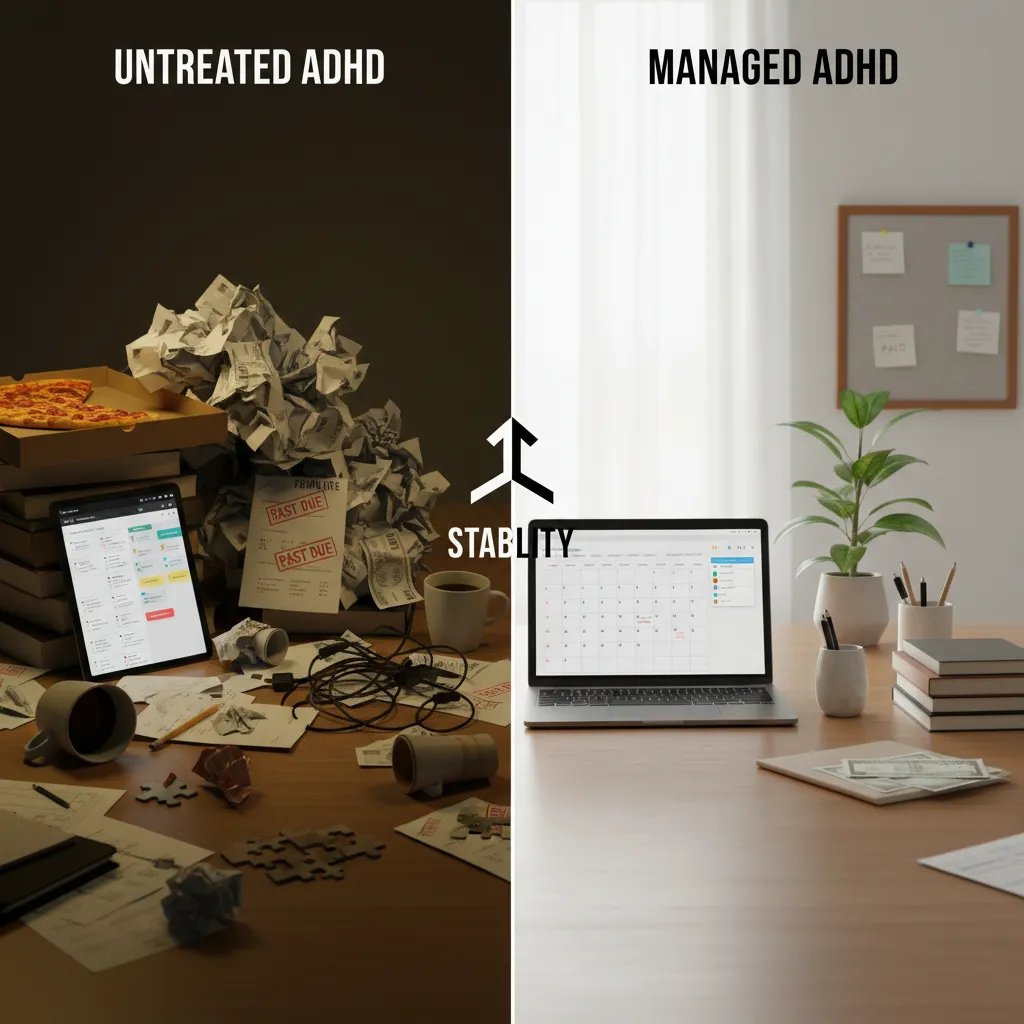
- Executive Dysfunction: In severe cases of ADHD or Autism, a party may struggle significantly with planning, organization, and emotional regulation. If they cannot track the timeline of events or provide coherent narratives due to executive dysfunction, a lawyer may struggle to get actionable instructions.
- Communication Barriers: An autistic individual might interpret questions literally or struggle with the abstract concepts often used in legal argumentation. If they cannot communicate their wishes clearly, or if they misunderstand the nuance of a settlement offer, their capacity to instruct is compromised.
- Sensory Overload: The courtroom environment is sensory-rich. For a neurodivergent person, sensory overwhelm can lead to a shutdown or meltdown, rendering them temporarily unable to process information or speak.
The court must distinguish between a person who is merely “difficult” or “eccentric” and a person who genuinely lacks the cognitive machinery to participate in the trial. This distinction is often made through formal psychological or psychiatric assessment.
The Role of Litigation Guardians in Family Court
If the Family Court determines that a party lacks the capacity to conduct the proceedings or instruct a solicitor, the appointment of a Litigation Guardian (sometimes referred to as a guardian ad litem) becomes necessary. This is a protective measure designed to ensure the incapacitated party is not disadvantaged.
Under the High Court Rules (which often guide Family Court practice in this area) and the Family Court Rules 2002, a litigation guardian steps into the shoes of the incapacitated party. Their role is fiduciary and includes:
- Instructing Counsel: The litigation guardian gives instructions to the lawyer on behalf of the party.
- Decision Making: They make decisions regarding settlement offers, plea strategies, and procedural steps, always acting in the best interests of the person they represent.
- Protection: They ensure the court is aware of the party’s limitations and that the process does not exploit their vulnerability.
It is important to note that a litigation guardian is not the same as a lawyer. The lawyer advocates; the litigation guardian instructs the lawyer. In many NZ cases, a family member may step into this role, but in high-conflict scenarios where family dynamics are toxic, an independent professional may be appointed.
For more detailed information on the statutes governing these appointments, you can refer to the Protection of Personal and Property Rights Act 1988 on the New Zealand Legislation website, which outlines the framework for decision-making on behalf of others.
Ensuring Fair Process for Neurodivergent Parties
The principle of natural justice requires that every litigant has a fair opportunity to present their case. For neurodivergent individuals, “fairness” often requires modification of the standard process. If the court proceeds against a person who cannot participate effectively, any resulting judgment may be subject to appeal or judicial review.
Judges in New Zealand are increasingly aware that standard court procedures can be exclusionary. The New Zealand Bench Book provides guidelines for the judiciary on how to manage hearings involving vulnerable witnesses and parties. Fair process involves recognizing that a neurodivergent person’s behavior—such as avoiding eye contact, fidgeting, or needing time to process questions—is not an indication of dishonesty or disrespect, but a function of their neurology.
In high-conflict divorces, one party may try to exploit the other’s neurodivergence, labeling their reactive communication style as “abusive” or “unstable.” A robust defense of fair process ensures that the court looks behind these behaviors to the underlying disability, ensuring the neurodivergent parent is not unfairly prejudiced in custody or property rulings.
Accommodations in the Courtroom and Evidence Act
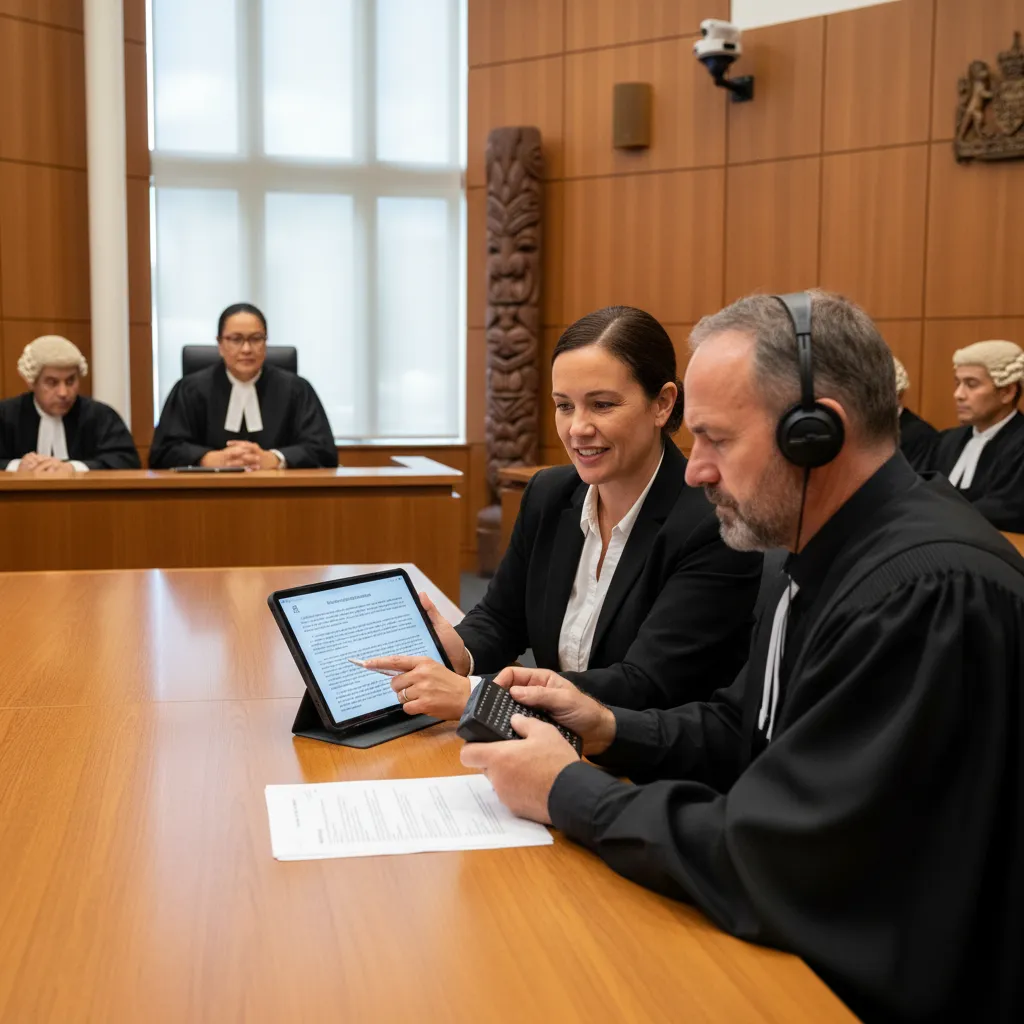
When a party has capacity but struggles with communication, the solution is not a litigation guardian, but rather Communication Assistance. Section 80 of the Evidence Act 2006 allows the court to appoint a Communication Assistant (CA) for a defendant or witness who has difficulty communicating.
A Communication Assistant is a neutral expert who facilitates understanding between the court and the neurodivergent individual. They do not advocate; they translate. This might involve:
- Simplifying complex legal questions into plain language.
- Checking the individual’s understanding of what has been said.
- Alerting the judge when the individual is becoming overwhelmed and needs a break.
Practical Courtroom Accommodations
Beyond formal Communication Assistance, lawyers can request various practical accommodations to assist neurodivergent clients:
- Scheduled Breaks: Requesting a recess every 45 minutes to allow for cognitive recharging.
- Written Submissions: Asking permission to provide written responses to questions rather than oral testimony, reducing the pressure of real-time processing.
- Environmental Controls: Adjusting lighting or allowing the individual to wear noise-canceling headphones (without music) to dampen background noise.
- Support Persons: Allowing a trusted support person to sit beside the party for emotional regulation.
High-Conflict Divorce: Weaponizing Capacity
In the niche of high-conflict divorce, allegations regarding mental health are rampant. It is not uncommon for a neurotypical partner to weaponize their spouse’s neurodivergence, claiming that their ADHD makes them an “unsafe parent” or that their Autism renders them “incapable of managing finances.”
This is a dangerous tactic known as “gaslighting” within the legal process. The accuser attempts to undermine the credibility and legal standing of the neurodivergent spouse. To combat this, it is vital to have:
- Specialized Legal Counsel: A lawyer who understands neurodivergence and can differentiate between a disability and a parenting deficit.
- Expert Evidence: Reports from psychologists or psychiatrists that clearly outline the individual’s functional capacity and recommended accommodations, refuting the claim of total incapacity.
The courts are generally wary of capacity arguments raised in the heat of relationship property disputes without substantial medical evidence. However, the neurodivergent party must be proactive in securing the necessary support to prove their competence.
Navigating the Legal System with Cognitive Differences
Successfully navigating the NZ Family Court with neurodivergence requires a strategy that prioritizes clarity and support. It involves moving away from the notion of “hiding” the diagnosis to avoiding stigma, and instead leaning into the diagnosis to secure necessary legal protections.
If you or a loved one are facing family court proceedings and are concerned about mental capacity or unfair treatment due to neurodivergence, early intervention is key. Discuss the possibility of a Communication Assistant with your lawyer immediately. Ensure that your legal team is not just fighting the case, but also fighting for the process that allows you to be heard.
For further reading on the rights of disabled people in the legal system, the New Zealand Law Society offers resources and practice notes for lawyers representing vulnerable clients, ensuring that standards of professional conduct are met.
People Also Ask
What is the test for mental capacity in NZ family law?
The test generally involves assessing whether a person can understand the nature of the proceedings, retain relevant information, weigh that information to make decisions, and communicate those decisions. It is decision-specific, meaning a person may have capacity for some decisions but not others.
Can someone with ADHD or Autism represent themselves in court?
Yes, having ADHD or Autism does not automatically disqualify someone from representing themselves. However, if the condition severely impacts their ability to understand proceedings or instruct a lawyer, the court may appoint a litigation guardian or require a communication assistant.
What is a Litigation Guardian in NZ Family Court?
A Litigation Guardian is a person appointed by the court to stand in the place of a party who lacks the legal capacity to manage their own case. They instruct the lawyer and make decisions in the best interests of the incapacitated party.
How do I get a Communication Assistant for court in NZ?
A Communication Assistant is appointed under Section 80 of the Evidence Act 2006. Your lawyer must apply to the court, usually supported by a report from a speech-language therapist or psychologist outlining why the assistance is necessary for fair participation.
Does a mental health diagnosis affect child custody in NZ?
A diagnosis alone does not determine custody. The Family Court focuses on the “welfare and best interests of the child.” The court looks at functional parenting ability, not just labels. However, unmanaged mental health issues that pose a risk to the child will be considered.
What happens if a party loses capacity during proceedings?
If a party loses capacity during proceedings, the proceedings may be stayed (paused) until a litigation guardian is appointed. The lawyer cannot continue to act on instructions from a client who no longer has the capacity to give them.