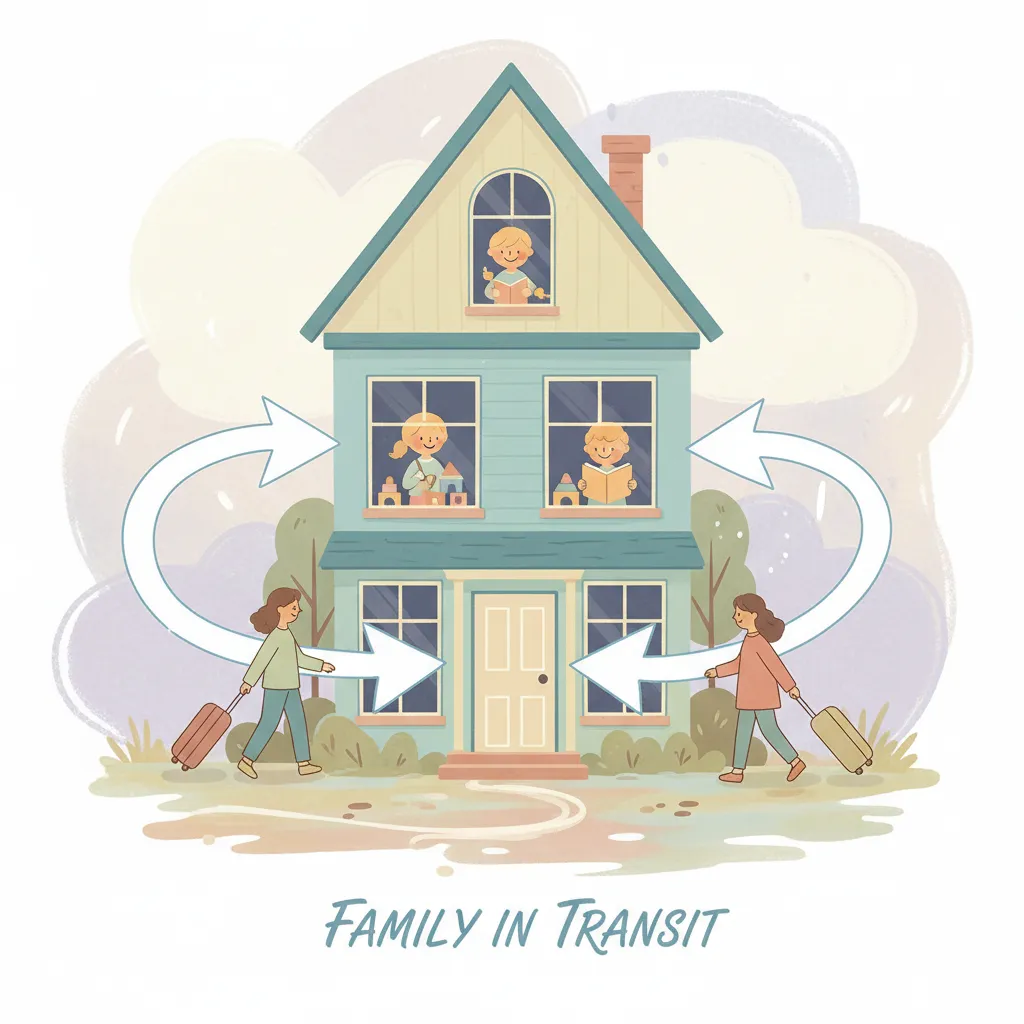
Managing child custody transitions can be one of the most challenging aspects of post-separation parenting, particularly when high levels of conflict exist between parents. In New Zealand, where the focus remains steadfastly on the child’s welfare, establishing robust and clear handover rules is not merely a recommendation; it is a necessity for protecting children from parental disputes and ensuring their emotional stability.
Child custody handover rules are structured guidelines and strategies designed to facilitate the smooth, safe, and conflict-free exchange of children between parents, particularly crucial in high-conflict divorce situations. These rules prioritize the child’s well-being and emotional stability, minimizing exposure to parental disputes.
Understanding the Stakes in High-Conflict Handovers
In high-conflict divorce scenarios, child custody handovers are often fraught with tension, anxiety, and potential for renewed disputes. For children, these moments can be incredibly stressful, akin to walking a tightrope between two warring factions. The emotional environment surrounding handovers can have profound and lasting impacts on a child’s psychological well-being, influencing their sense of security, attachment, and even their future relationship patterns.
When parents engage in arguments, make accusatory remarks, or display overt hostility during exchanges, children often internalize this conflict. They may feel responsible for the tension, experience loyalty conflicts, or develop anxiety and fear around transitions. Research consistently shows that children exposed to ongoing parental conflict suffer higher rates of emotional and behavioural problems. In New Zealand, Family Court judges and professionals emphasize the paramount importance of shielding children from such exposure, making effective handover strategies a cornerstone of any sound parenting plan.
The goal is not just to transfer a child from one home to another, but to facilitate a smooth, emotionally neutral transition that reinforces the child’s stability and security. This requires a proactive, strategic approach from both parents, often necessitating the involvement of third parties or reliance on structured protocols to minimize direct interaction and potential conflict.

Neutral Locations for High-Conflict Exchanges
For parents locked in high-conflict situations, direct interaction can quickly escalate into arguments, emotional outbursts, or even physical altercations. Utilizing neutral locations for child custody handovers is a highly effective strategy to mitigate these risks, providing a buffer that protects both parents and, most importantly, the children involved. A neutral location is a place where neither parent feels they have an advantage or disadvantage, and where interactions can be kept brief, business-like, and child-focused.
The Benefits of Neutral Ground
- Reduced Conflict: By eliminating the need for parents to interact on personal property, the likelihood of confrontation decreases.
- Safety and Security: Public or supervised settings offer an added layer of safety, often with witnesses or surveillance, deterring inappropriate behaviour.
- Child-Centred Focus: The focus shifts from parental conflict to the child’s transition, making the experience less stressful for them.
- Boundaries: It reinforces the idea that co-parenting is a business arrangement for the child’s benefit, rather than a continued personal relationship.
Types of Neutral Locations in New Zealand
Finding the right neutral location depends on the specific circumstances of the family, the level of conflict, and local resources:
- Supervised Contact Centres: The New Zealand Family Court sometimes mandates the use of supervised contact centres, especially in cases involving safety concerns or allegations of abuse. These centres provide a safe, structured environment for handovers, often with staff present to ensure compliance with court orders and to document interactions. While beneficial, they often come with costs and require scheduling.
- Public Places: Well-frequented public places, such as a local library carpark, a specific section of a shopping centre, or a family-friendly cafe, can serve as neutral handover spots. The presence of other people can act as a natural deterrent to conflict. Ensure these locations are safe, convenient, and have adequate parking. It’s crucial that the location is not a place where the child feels singled out or embarrassed.
- Police Stations: In extreme cases where there are serious safety concerns or a history of violence, some police stations in New Zealand may allow handovers to occur in their carpark or reception area. This is not a universal service and should be arranged in advance with local police. It’s typically reserved for situations where significant risks are present, and usually involves a formal agreement or court order.
- Third-Party Facilitation: An agreed-upon neutral third party (e.g., a trusted family member, a friend, or a professional handover supervisor) can conduct exchanges at their home or another agreed-upon location. This completely removes direct parental interaction, provided the third party is genuinely neutral and capable of managing the logistics and any potential issues.
When selecting a neutral location, it’s vital that both parents agree, or that the location is stipulated in a court-ordered parenting plan. Clear communication (preferably in writing, via email or a co-parenting app) regarding the exact time, place, and expectations for the handover is paramount.
School Pickups as a Buffer Strategy
For many high-conflict parents, leveraging the school environment for child custody handovers presents an effective and often less stressful alternative. School pickups and drop-offs can significantly reduce direct parental interaction, providing a built-in buffer that minimizes opportunities for conflict and places the child in a familiar, structured setting.
Advantages of School-Based Handovers
- Reduced Direct Contact: One parent drops off at school, the other picks up. This eliminates face-to-face exchanges entirely at the handover point.
- Familiar Environment for Children: Children are already in a routine, surrounded by peers and trusted adults (teachers), which can make the transition feel less jarring.
- Natural Boundaries: The school environment inherently discourages overt conflict, as staff and other parents are often present.
- Structured Schedule: School bells and timetables provide clear, non-negotiable timing for transitions, reducing ambiguity and potential for arguments about punctuality.
Implementing a School-Based Handover Plan
To make this strategy work effectively, clear communication and coordination are essential, even if indirectly:
- Inform the School: Both parents should inform the school administration about the shared custody arrangement and the handover plan. Provide contact details for both parents and clearly state who is authorised to pick up the child on which days. Schools in NZ are generally supportive of such arrangements and can often facilitate them discreetly.
- Establish Clear Schedules: Ensure the parenting plan or agreement explicitly states which parent is responsible for drop-off and pickup on specific days. This removes any guesswork.
- Avoid School as a Battleground: It is critical that neither parent uses the school as a platform to communicate with the other parent or to involve school staff in their disputes. All communication regarding the child’s welfare or schedule should occur through agreed-upon channels (e.g., co-parenting apps, email, or a third party), not through school staff.
- Punctuality: Both parents must adhere strictly to school pickup and drop-off times. Delays can cause stress for the child and inconvenience for school staff, potentially leading to complaints and further conflict.
- Child’s Belongings: Ensure the child has all necessary belongings (school bag, sports gear, specific toys, etc.) when transitioning. A checklist can be helpful to prevent items from being forgotten, which can be a source of frustration.
While school pickups offer a robust buffer, they are not suitable for all situations, particularly if one parent lives a significant distance from the school or if the school itself becomes a site of contention despite best efforts. However, for many high-conflict co-parents in New Zealand, this strategy provides a vital pathway to minimizing direct, potentially damaging interactions.

De-escalation Techniques During Handover
Even with the best planning and use of neutral locations, sometimes direct interaction between high-conflict parents during a handover is unavoidable. In these instances, having a repertoire of de-escalation techniques is crucial to protect the child from exposure to parental conflict and to maintain a degree of calm. The primary goal is to minimize interaction, remain emotionally detached, and focus solely on the child’s needs.
The “Grey Rock” Method
One highly effective technique for dealing with a high-conflict individual is the “Grey Rock” method. This involves making yourself as uninteresting and unresponsive as a grey rock when faced with attempts to provoke an argument or emotional reaction. When applying Grey Rock during a handover:
- Keep Responses Brief and Factual: Answer only essential questions about the child (e.g., “Yes, she ate lunch,” “No, he doesn’t have homework”).
- Avoid Emotional Engagement: Do not react to accusations, insults, or attempts to draw you into a discussion about past grievances. Maintain a neutral facial expression and tone of voice.
- Limit Eye Contact: Maintain respectful but limited eye contact.
- Focus on the Logistics: Direct all communication to the practicalities of the handover. “Here is [child’s name], their bag is in the car.”
The Grey Rock method works by denying the high-conflict parent the emotional reaction they often seek, making the interaction less rewarding for them and therefore less likely to escalate.
Maintaining Emotional Regulation
Your ability to remain calm significantly influences the dynamic of the handover. Before the exchange, take a few deep breaths, remind yourself of your goal (the child’s well-being), and mentally prepare for minimal interaction. If you feel your emotions rising, silently repeat a mantra such as “Stay calm for my child” or “This is just a transaction.”
Setting and Enforcing Boundaries
Boundaries are essential. This might involve:
- Communicating Only in Writing: Insist that all non-emergency communication occur via email, text, or a co-parenting app, avoiding phone calls or face-to-face discussions outside of the handover.
- Strict Punctuality: Be on time, facilitate the handover promptly, and leave as soon as it’s completed. Avoid lingering.
- No Discussions at Handover: Make it clear that discussions about finances, parenting styles, or past issues will not take place during the handover. If the other parent attempts to initiate such a discussion, calmly state, “This is not the time or place for this discussion. We can discuss this via email.”
In extreme cases, if the other parent is repeatedly abusive or non-compliant with court orders during handovers, it may be necessary to document these incidents and seek legal advice from a family lawyer in NZ. They can advise on obtaining supervised handovers or modifying the parenting order.
Preparing Your Child for Transitions
While shielding children from parental conflict is paramount, preparing them for the actual transition between homes is equally important. Children thrive on predictability and security, and even a well-managed handover can be unsettling if they are not adequately prepared. Your role is to provide reassurance, clarity, and emotional support.
Age-Appropriate Communication
- Young Children (Toddlers – Early Primary): Use simple, consistent language. “Tomorrow is Daddy’s day,” or “We’re going to see Mummy after school.” Use visual aids like a calendar if helpful. Keep explanations brief and positive.
- Primary School Age: They can understand more detail. Explain the schedule clearly and consistently. “On Friday after school, you’ll go to Mum’s house, and I’ll pick you up from there on Sunday evening.” Reassure them it’s okay to miss either parent.
- Adolescents: Involve them more in practical discussions (e.g., packing, coordinating activities) within appropriate boundaries, without burdening them with parental conflict. Respect their need for independence while providing structure.
Reassurance and Routine
Children need to know that both parents love them and that they will be safe and cared for in both homes. Reassure them that changes in living arrangements are not their fault. Maintaining consistent routines across both households, where possible, can significantly reduce anxiety. This includes bedtimes, meal routines, and rules regarding screen time or homework.
Packing Essentials Together
Involve your child in packing their bag for the other parent’s home. This gives them a sense of control and ensures they have comfort items, favourite toys, or essential school supplies. Make a checklist if necessary. Ensure that important documents, medicines, or school work are always transferred.
Validating Their Feelings
It’s normal for children to have mixed feelings about transitions. They might be excited to see the other parent but sad to leave you, or vice versa. Acknowledge and validate their feelings without judgment. “It’s okay to feel a bit sad to leave, and it’s also okay to be excited to see your Dad.” Avoid negative comments about the other parent, regardless of your personal feelings, as this places an immense loyalty burden on the child.
Helping Children Settle After a Visit
The period immediately following a handover is just as critical as the handover itself. Children, especially those from high-conflict homes, may exhibit various behaviours as they readjust to your household. Being prepared to support them through this re-entry period is vital for their emotional well-being.
Creating a Welcoming and Calm Environment
Upon their return, prioritize a calm and predictable environment. Avoid bombarding them with questions or immediate demands. Offer a comforting activity, a favourite meal, or simply some quiet time. Let them initiate conversation at their own pace.
Active Listening and Validation
Encourage your child to share about their time with the other parent, but do not pry or interrogate. Listen actively and empathetically, without judgment or negative commentary about the other parent or their household. For example, if they say, “We ate a lot of ice cream at Dad’s,” you can respond, “Sounds like you had fun!” rather than, “Did your dad let you eat junk food all weekend?” Validate their feelings: “It sounds like you really missed your toys,” or “It’s nice to be home, isn’t it?”
Re-establishing Routines
Re-engage with your household routines as quickly and gently as possible. This predictability helps children feel secure. If they seem unsettled, a slightly earlier bedtime or a quiet evening at home might be beneficial. Be patient if they are a bit off-schedule or moody; it’s a normal part of adjusting.
Monitoring for Signs of Distress
Pay attention to any changes in your child’s behaviour, sleep patterns, appetite, or mood following a visit. Regression in behaviour (e.g., bedwetting, thumb-sucking in older children), increased anxiety, anger, or withdrawal can be signs they are struggling. If these patterns persist or are severe, it’s crucial to seek professional help.
Seeking Professional Support
If you observe persistent difficulties in your child after visits, or if they express significant distress about the transitions, consider seeking support from a child psychologist or a family counsellor experienced in post-separation issues. They can provide strategies for you and your child to navigate these challenging periods and help your child process their feelings in a healthy way. Early intervention can prevent long-term emotional difficulties.
Legal Framework and Parenting Orders in NZ
In New Zealand, the Family Court and the Care of Children Act 2004 govern all matters relating to children following parental separation. A legally binding document known as a Parenting Order (or sometimes a Consent Order, if agreed by parents) outlines key aspects of child care, including where a child lives, how much time they spend with each parent, and often, specific arrangements for handovers. Adherence to these orders is not optional; they are legally enforceable.
The Role of Parenting Orders
A well-drafted Parenting Order should ideally include clear provisions for handovers, detailing:
- Time and Date: Specific times and dates for exchanges.
- Location: The agreed-upon neutral location or other designated handover spot (e.g., school).
- Transportation: Which parent is responsible for transport to and from handovers.
- Communication: How parents should communicate about handover logistics (e.g., via a co-parenting app or email only).
- Emergency Contacts: Procedures for emergencies or unforeseen circumstances.
These details provide a framework that reduces ambiguity and potential for conflict. For further information on the legal process and what a parenting order entails, the New Zealand Ministry of Justice website offers comprehensive guidance.
Modifying Parenting Orders
Life circumstances change, and a Parenting Order that once worked may become impractical. If one parent consistently breaches the order, or if the current arrangements are proving detrimental to the child, it may be necessary to apply to the Family Court for a variation. This process typically involves mediation first (unless an exemption applies), followed by a court application if agreement cannot be reached. Seeking legal advice from a family lawyer is highly recommended before attempting to vary an order.
When to Seek Legal Advice
You should seek legal advice if:
- The other parent is consistently failing to adhere to the handover provisions in your parenting order.
- There are new safety concerns for the child during handovers.
- Communication with the other parent has broken down entirely, making handovers impossible or highly contentious.
- You wish to vary an existing parenting order.
- You are seeking to establish a new parenting order.
Engaging with the Family Court or lawyers can be daunting, but it’s a necessary step to protect your child’s best interests when co-parenting arrangements break down in high-conflict situations.
Long-Term Strategies for Sustainable Co-Parenting
While the immediate focus on handover rules addresses critical safety and conflict reduction, the ultimate goal in high-conflict situations is to establish long-term, sustainable co-parenting strategies that foster children’s well-being. This often means moving beyond a direct co-parenting model to what is known as parallel parenting.
Parallel Parenting
Parallel parenting is a structured approach designed for high-conflict parents who cannot effectively co-parent. It involves parents operating independently, each making decisions and interacting with the child in their own household, with minimal direct communication or interaction between the parents themselves. Key features include:
- Limited Direct Contact: Communication is strictly limited and often mediated by a third party or a co-parenting app.
- Separate Decision-Making: Each parent primarily makes decisions for the child when the child is in their care, following broad outlines from the parenting plan. Major decisions (health, education) are usually pre-determined or require specific, written communication.
- Reduced Conflict Exposure: Children are largely shielded from parental disagreements because parents are not expected to interact or collaborate extensively.
This method doesn’t aim for a friendly co-parenting relationship, but rather a functional one that minimizes conflict for the child’s benefit. More information on this approach can be found on resources discussing parallel parenting in high-conflict separations.
Utilising Co-Parenting Apps
Technology offers invaluable tools for high-conflict parents. Co-parenting apps (e.g., OurFamilyWizard, 2Houses, Talking Parents) provide a neutral platform for all communication, scheduling, expense tracking, and information sharing. These apps:
- Create a Record: All communications are documented and tamper-proof, which can be invaluable evidence if court intervention is ever needed.
- Reduce Emotionality: Text-based communication can reduce spontaneous emotional outbursts.
- Organize Logistics: Calendars, expense logs, and information vaults keep everything in one place.
- Promote Accountability: Features like read receipts ensure messages are seen.
Many New Zealand family lawyers and the Family Court recommend or even mandate the use of such apps in high-conflict cases.
Mediation and Counselling
Even with parallel parenting and apps, ongoing support can be beneficial. Professional mediation can help parents negotiate changes to their parenting plan or resolve specific disputes in a structured, controlled environment. Individual counselling for parents can also help them develop coping strategies, manage their emotions, and focus on their child’s needs rather than the conflict with the other parent. Child-focused counselling can support children in adjusting to their unique family structure.
Prioritising the Child’s Best Interests
Above all, every decision and action should be filtered through the lens of the child’s best interests. This is the guiding principle of the Care of Children Act in New Zealand. While parental conflict is exhausting and emotionally draining, consciously choosing to prioritize the child’s need for peace, security, and a healthy relationship with both parents is the most profound and lasting strategy for sustainable co-parenting.

Managing transitions and handovers in high-conflict child custody situations is a continuous journey that demands patience, strategic planning, and an unwavering commitment to the child’s well-being. By implementing clear rules, utilizing neutral strategies, applying de-escalation techniques, and leveraging legal and technological tools, parents in New Zealand can significantly reduce conflict and provide their children with the stability and security they deserve. Remember, every effort to minimize conflict and foster a predictable environment directly contributes to your child’s long-term emotional health and resilience. While challenging, the rewards of seeing your child thrive are immeasurable.
People Also Ask
What are the basic child custody handover rules in high-conflict situations?
Basic rules for high-conflict handovers involve minimizing direct parental contact, utilizing neutral locations (e.g., supervised centres, school pickups), keeping interactions brief and strictly focused on the child, and communicating logistics primarily through written means like co-parenting apps or email. The goal is to reduce opportunities for conflict and shield the child.
How do I establish a neutral location for child exchanges in New Zealand?
In New Zealand, neutral locations can be agreed upon by parents (e.g., public places like libraries or cafes), or mandated by the Family Court, which might include supervised contact centres. In severe cases, and with prior police arrangement, some police station carparks may be used. Always ensure the location is safe, public enough to deter conflict, and convenient for the child.
Can school pickups truly reduce conflict during child custody handovers?
Yes, school pickups are highly effective in reducing direct parental conflict by eliminating the need for face-to-face interaction at the handover point. One parent drops off, and the other picks up. This strategy leverages the structured, public, and child-focused environment of the school to create a buffer, provided both parents communicate effectively with the school and adhere to schedules.
What is the “Grey Rock” method, and how does it apply to high-conflict handovers?
The “Grey Rock” method involves making yourself as uninteresting and unresponsive as possible to a high-conflict individual to deny them the emotional reaction they seek. During handovers, it means keeping responses brief, factual, and emotionally neutral; avoiding eye contact and emotional engagement; and strictly focusing on the logistics of the child exchange, thus de-escalating potential arguments.
How can I help my child emotionally prepare for and settle after child custody transitions?
To help children prepare, use age-appropriate, consistent language about the schedule, pack essentials together, and validate their feelings without judgment. To help them settle, create a welcoming, calm environment upon return, listen actively without prying, gently re-establish routines, and monitor for signs of distress. Seek professional support if difficulties persist.
What is parallel parenting, and when is it recommended in high-conflict divorce?
Parallel parenting is a structured approach where high-conflict parents operate largely independently, making decisions and interacting with the child primarily within their own household. Communication between parents is minimal and often mediated. It’s recommended when traditional co-parenting is impossible due to persistent, severe conflict, as it significantly reduces direct parental interaction and shields children from disputes.