
The 5 love languages explained refers to a comprehensive relationship framework introduced by Dr. Gary Chapman, which categorizes the unique ways individuals prefer to receive and express love. The five distinct languages are Words of Affirmation, Acts of Service, Receiving Gifts, Quality Time, and Physical Touch. Understanding these emotional dialects is crucial for couples to bridge communication gaps, resolve conflicts, and deepen their emotional intimacy.
The 5 Love Languages Explained in Detail
In the landscape of modern relationship psychology, few concepts have permeated public consciousness as thoroughly as Dr. Gary Chapman’s theory of love languages. Originally published in 1992, the framework suggests that emotional needs are met differently by different people. Just as speaking a different spoken language (like French or Spanish) can create barriers in communication, speaking a different “emotional love language” can leave a partner feeling unloved, even when the other person is trying their hardest.
To truly grasp the 5 love languages explained, one must move beyond surface-level definitions and understand the nuance of each category. Below is a comprehensive breakdown of how each language functions within a romantic partnership.
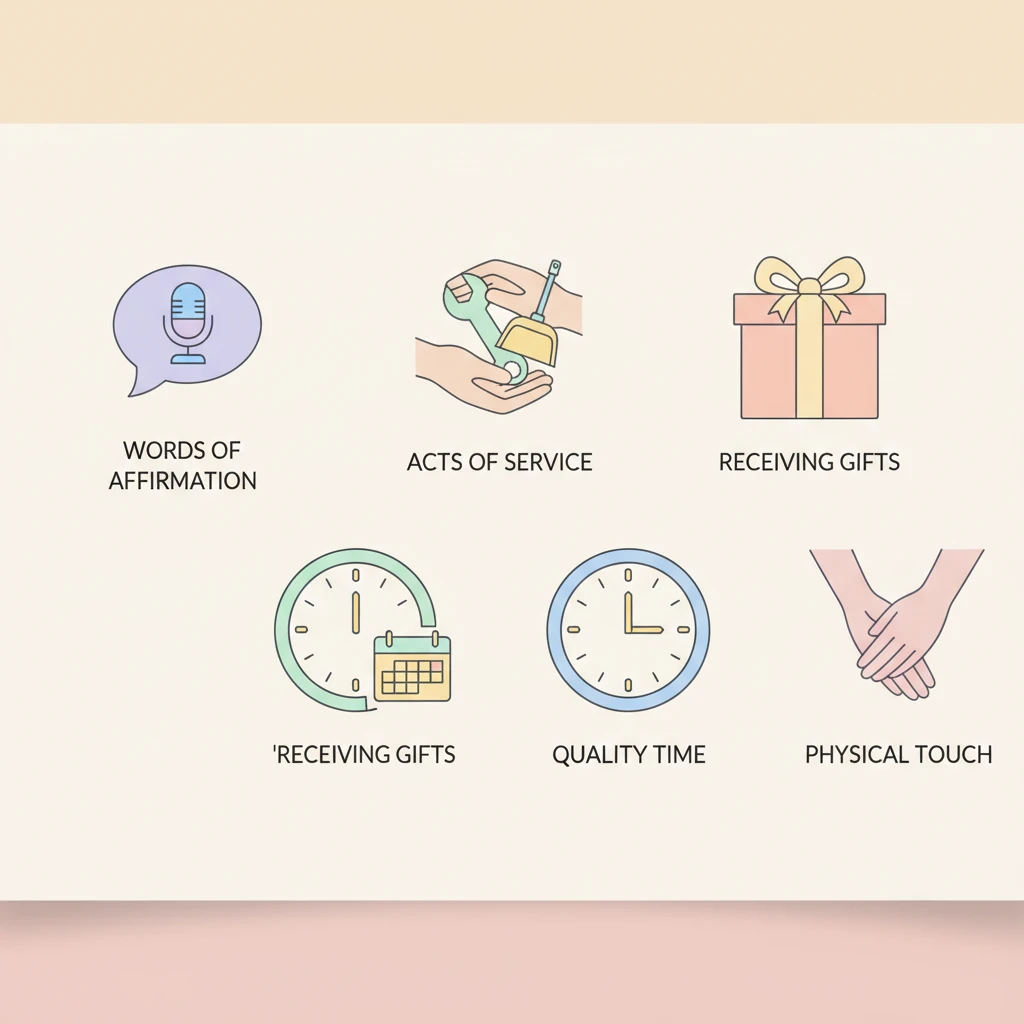
1. Words of Affirmation
For individuals who favor Words of Affirmation, spoken or written words are the primary vehicle for emotional connection. This language is not merely about flattery; it is about the genuine expression of appreciation, encouragement, and empathy. The psychological impact of hearing “I appreciate you” or “You did a great job” is profound for these individuals.
Key Components:
- Compliments: Acknowledging physical appearance, achievements, or character traits.
- Encouragement: Offering words that inspire courage when the partner is insecure.
- Tone of Voice: The way words are spoken is often as important as the words themselves. Sarcasm or harsh tones are particularly damaging to this group.
In the digital age, this also translates to thoughtful text messages, social media shout-outs, and digital notes. A lack of verbal validation can make these partners feel invisible or taken for granted.
2. Acts of Service
The mantra for this love language is “actions speak louder than words.” People who prioritize Acts of Service feel most loved when their partner voluntarily helps to ease the burden of their daily responsibilities. It is not about slavery or obligation; it is about the thoughtfulness behind the action. When a partner notices a need and steps in to handle it without being asked, it signals deep care and respect.
Examples include cooking a meal after a long day, handling administrative tasks, fixing a broken appliance, or taking care of the children to allow the partner to rest. Laziness, broken commitments, and making more work for them are the ultimate turn-offs for this group.
3. Receiving Gifts
Often the most misunderstood language, Receiving Gifts is frequently confused with materialism. However, for those who speak this language, the gift is a visual symbol of love. It represents the fact that they were on their partner’s mind even when they were apart. The monetary value is rarely the point; it is the ceremony and the thoughtfulness that matter.
A hand-picked flower, a favorite snack bought on the way home, or a handmade card can carry immense emotional weight. According to Chapman’s theory, the gift serves as a tangible object that says, “I was thinking of you.” Missing birthdays or anniversaries, or giving thoughtless, generic gifts, can be devastating to a partner with this primary language.
4. Quality Time
Quality Time is defined by giving someone your undivided attention. In our hyper-distracted modern era, this language has become increasingly difficult yet increasingly vital to speak. It is not just about sitting in the same room watching Netflix; it is about “togetherness.” This involves active listening, eye contact, and shared activities where the focus is mutually on one another.
Dialects of Quality Time:
- Quality Conversation: Sympathetic dialogue where two people share their experiences, thoughts, feelings, and desires in a friendly, uninterrupted context.
- Quality Activities: Doing something that one or both of you love, primarily to create a shared memory.
Distractions, postponing dates, or failing to listen are the quickest ways to empty the “love tank” of a Quality Time person.
5. Physical Touch
For many, physical presence and accessibility are crucial for emotional security. This language encompasses everything from holding hands, hugs, and kisses to sexual intimacy. However, it is a mistake to assume this is only about sex. For a person whose primary language is Physical Touch, non-sexual touch (like a back rub, holding hands while walking, or sitting close on the sofa) serves as a powerful emotional anchor.
Physical neglect or abuse is unforgivable in this language. In times of crisis, a hug can communicate more love to these individuals than any amount of words or gifts ever could.
How to Identify Your Primary Love Language
Identifying your own primary love language is the first step toward relationship literacy. Most people have a primary language and a secondary one. Dr. Chapman suggests that we often express love in the way we wish to receive it, which can be a clue to our own needs. However, this isn’t always accurate, so deeper introspection is required.
To determine your primary language, ask yourself the following questions:
- What do you complain about the most? Your most common complaints often reveal your deepest emotional hurts. If you constantly say, “You never help me around the house,” your language is likely Acts of Service. If you say, “We never talk anymore,” it is likely Quality Time.
- What do you request most often? If you are always asking for a back rub, or asking “Do I look good?”, your requests point directly to your emotional needs.
- How do you express love to others? Observe how you instinctively treat your friends, family, or partner. Do you buy them gifts? Do you write them long letters? While not foolproof, this often indicates what you value.

Mastering the Art of Speaking Your Partner’s Language
The true power of the 5 love languages explained lies in the application. It is common for couples to have mismatched languages. For example, a husband may be working overtime to pay for a nice house (Acts of Service/Gifts), while his wife feels unloved because he is never home to talk to her (Quality Time). This is a classic “ships passing in the night” scenario.
To speak a partner’s language fluently, especially when it is not your own, requires intentionality and discipline. It is a choice to love someone in a way that makes sense to them, rather than what is convenient for you.
Practical Strategies for Mismatched Couples
- For the Words of Affirmation Partner: Set a reminder on your phone to send a text at noon. Leave sticky notes on the bathroom mirror. Practice saying “I love you because…” rather than just “I love you.”
- For the Acts of Service Partner: Ask the question, “What is one thing I can do today that would make your life easier?” Then do it. Hire a cleaner if you cannot do the chores yourself—the result matters more than the effort of you doing it personally.
- For the Receiving Gifts Partner: Keep a “gift idea note” in your phone. When they mention something they like, write it down immediately. Remember, small and frequent gifts often outweigh large, infrequent ones.
- For the Quality Time Partner: Institute a “no phones” policy during dinner. Schedule a weekly date night that is non-negotiable. Practice active listening techniques, such as mirroring back what they said.
- For the Physical Touch Partner: Make it a habit to kiss hello and goodbye. sit close to them when watching TV. Initiate physical contact in public (like holding hands) to show the world you are connected.
Criticisms and Modern Adaptations of the Theory
While the 5 Love Languages framework has saved countless marriages, it is not without criticism, nor is it a “cure-all” for deep-seated relationship pathology. Modern psychology and relationship experts have expanded on Chapman’s original thesis to fit the complexities of 21st-century life.
Scientific Validity
It is important to note that the 5 Love Languages is a framework derived from pastoral counseling, not rigorous empirical data. Some psychological studies suggest that while the concept helps communication, people rarely fit neatly into just one category. Most people appreciate all five to varying degrees. The utility of the model lies in its ability to simplify complex emotional needs into actionable behaviors.
The “Sixth” Love Language?
In the digital age, some have proposed new languages or adaptations. For example, “Shared Experiences” (a subset of Quality Time) or “Healthy Space” (the need for autonomy). Additionally, for neurodivergent individuals, parallel play (existing in the same room without interacting) can be a valid form of Quality Time that Chapman’s original text did not cover.
Trauma and Love Languages
Sometimes, a person’s love language is a response to childhood trauma. A person who was verbally abused may crave Words of Affirmation to heal that wound, or they may be terrified of them if they view words as manipulative. Understanding the why behind the language is just as important as the language itself.
Ultimately, the 5 love languages explained serves as a starting point, not the finish line. It provides a vocabulary for couples to express their needs, reducing the friction caused by misunderstanding and fostering a culture of generosity within the relationship.
Frequently Asked Questions
Can your love language change over time?
Yes, love languages can be fluid. While your primary language often stems from childhood and remains consistent, life stages (such as becoming a parent, grieving, or aging) can shift your priorities. For example, a new parent might suddenly prioritize Acts of Service (sleep, help with chores) over Physical Touch due to exhaustion.
Do opposites attract regarding love languages?
It is very common for partners to have different love languages. While this can create initial friction, it does not doom the relationship. In fact, learning to speak a different language can lead to greater personal growth and selflessness, which strengthens the bond long-term.
What is the rarest love language?
While data varies depending on the demographic surveyed, Receiving Gifts is often cited as the least common primary love language in Western cultures. Words of Affirmation and Quality Time are frequently reported as the most common.
How do love languages apply to children?
Children also have primary love languages that develop early on. Observing how a child expresses love (e.g., drawing pictures for you vs. wanting to wrestle) can help parents tailor their affection. Meeting a child’s specific emotional need is vital for their development and security.
Can you have all 5 love languages?
Everyone appreciates all five languages to some extent; it is rare to dislike receiving gifts or hearing compliments entirely. However, most people have one or two dominant languages that, if unmet, leave them feeling empty, while the absence of the others might be more tolerable.
Is the love language theory scientifically proven?
The theory is not backed by extensive empirical research in the same way clinical treatments are. However, relationship researchers generally agree that the core concept—that partners have different preferences for affection—is valid and useful. You can read more about the scientific perspective on relationships from the American Psychological Association.