
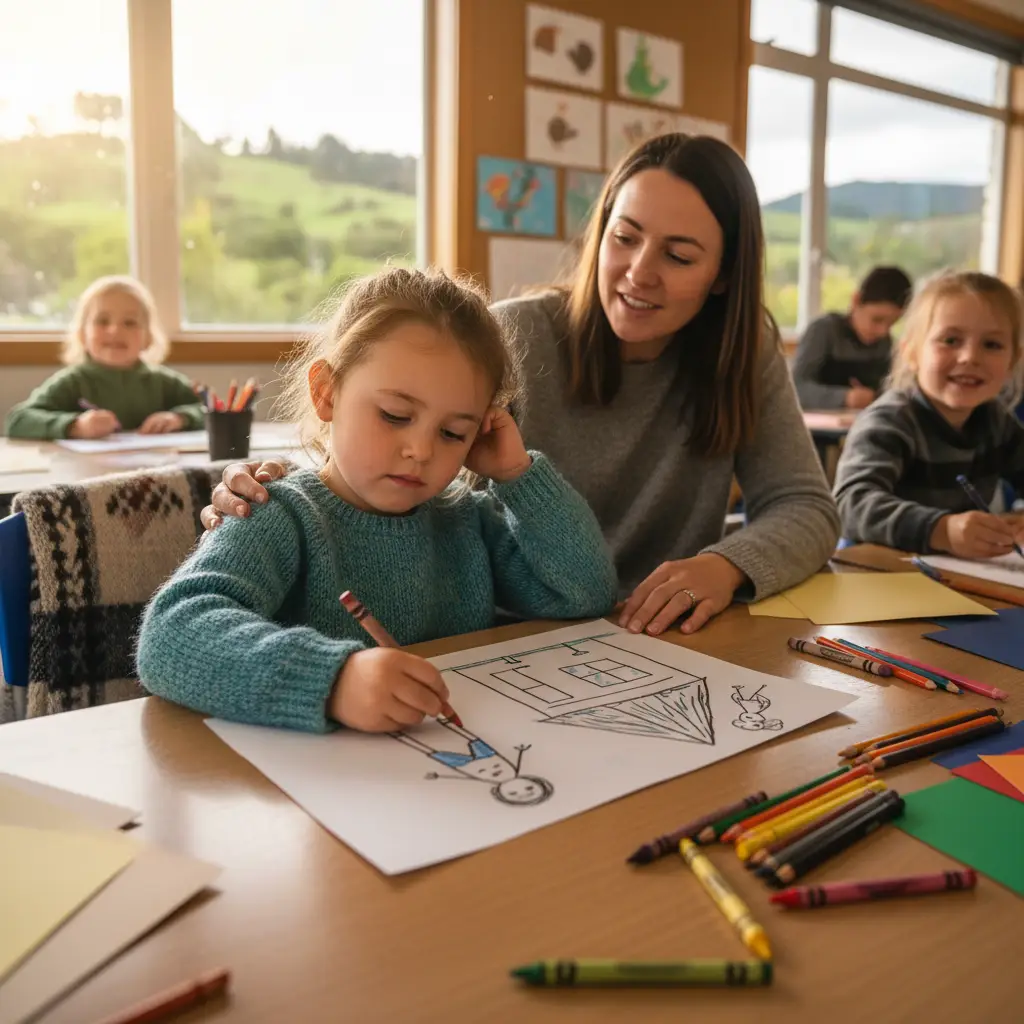
Primary school children coping with divorce in NZ requires a proactive, child-centred approach focusing on stability, open communication, and emotional support. Parents must navigate their separation while helping children understand changes, process feelings, and maintain a sense of security and routine amidst significant family restructuring, often with the aid of school and community resources.
Understanding the Impact of Divorce on Primary School Children in NZ
Divorce is a profoundly challenging experience for families, and its impact on primary school-aged children in New Zealand can be complex and far-reaching. While every child’s reaction is unique, understanding the typical emotional, psychological, and behavioural responses can equip parents, educators, and caregivers with the tools to provide effective support. Primary school children, generally aged 5-12, are at a critical developmental stage where they are forming their sense of self, understanding social norms, and developing important attachments. The disruption of their core family unit can significantly affect these processes.
Common Emotional Responses and Challenges
For children in this age group, divorce often triggers a range of powerful emotions. They may experience confusion, sadness, anger, fear, and even guilt. Many primary school children struggle with the concept that their parents will no longer live together, often hoping for reconciliation or feeling responsible for the separation. Anxiety about the future, such as where they will live, which parent they will stay with, and whether they will have to change schools, is common. Some children may internalise their feelings, leading to withdrawal, while others may externalise them through defiance, aggression, or increased emotional outbursts.
A significant challenge is the potential for loyalty conflicts. Children may feel pressured to ‘choose sides’ or feel guilty for enjoying time with one parent over the other. This can create immense emotional stress and a sense of being torn between the two most important people in their lives. These feelings are exacerbated if parents engage in conflict in front of the children or use them as messengers.
Age-Specific Reactions in Primary Years
The way a child reacts to divorce can also depend on their specific age within the primary school bracket. Younger primary children (5-8 years old) often struggle more with abstract concepts like ‘divorce’ and ‘separation.’ They tend to be more egocentric, believing they might have caused the divorce or that their good behaviour could bring their parents back together. They may exhibit regressive behaviours, such as bedwetting, thumb-sucking, or clinging, and may have difficulty concentrating at school.

Older primary children (9-12 years old) have a more developed understanding of the situation but may still struggle with intense emotions. They might express anger more directly, often at one or both parents. They are more likely to feel a sense of loss and grief for the family they once had and may worry about practicalities like finances or future relationships. Socially, they might feel embarrassed or different from their peers whose parents are together. Some may become withdrawn, while others might act out in an attempt to regain control or attention.
Regardless of age, consistency, reassurance, and validation of feelings are paramount. Understanding these typical responses is the first step towards providing effective, empathetic support for children navigating the complexities of their parents’ separation.
Addressing Common Fears and Anxieties
For primary school children in New Zealand experiencing their parents’ divorce, fears and anxieties can manifest in various ways, often subtly influencing their behaviour and emotional state. Recognising and actively addressing these concerns is crucial for their long-term well-being. Parents play a central role in alleviating these fears by providing consistent reassurance and creating a stable environment.
Reassurance and Stability: What Children Need to Hear
One of the most profound fears for children during divorce is the fear of abandonment or that they too might be ‘divorced’ by a parent. It is vital to explicitly reassure children that the divorce is between the parents and has nothing to do with them. Children need to hear, repeatedly and clearly, that both parents love them unconditionally and will continue to be their parents, regardless of the change in living arrangements. Use simple, direct language appropriate for their age.
Emphasise stability by explaining what will stay the same. For instance, you might say, “Mummy and Daddy will live in different houses, but we both love you very much, and we will both always be your parents. You will still go to the same school, and we will still have our special family movie nights.” Maintaining routines as much as possible – school, extracurricular activities, bedtime rituals – provides a sense of predictability and security in an otherwise turbulent time.
Managing Guilt and Self-Blame
Many primary school children, particularly younger ones, often believe they are somehow responsible for their parents’ divorce. They might think their misbehaviour, poor grades, or a specific argument they witnessed caused the separation. This can lead to profound guilt and a desperate attempt to ‘fix’ things to bring their parents back together.
Parents must actively and consistently dispel this myth. Explain clearly that adult problems are adult problems and that the divorce is never a child’s fault. You can say, “This is an adult decision that Mummy and Daddy made, and it has nothing to do with you. You are a wonderful child, and we love you always.” Encouraging children to talk about their feelings and actively listening to their concerns can help uncover and address these hidden feelings of guilt. Professional support, such as a child therapist, can be invaluable if a child’s guilt becomes overwhelming or persistent.
Fostering Open Communication
Open and honest communication is the cornerstone of helping primary school children in NZ cope with divorce. Creating an environment where children feel safe to express their feelings, ask questions, and seek clarification is essential for their emotional processing and adjustment. Parents must learn to communicate effectively with their children and, ideally, with each other.
Tips for Age-Appropriate Conversations
When discussing divorce with primary school children, simplicity and clarity are key. Avoid overly complex legal jargon or blaming statements. Instead:
- Use simple language: Explain the situation in terms that a child can understand. For example, “Mummy and Daddy have decided to live in different houses because we can’t be happy living together anymore. This is an adult problem, not a child problem.”
- Be direct and truthful (age-appropriately): Avoid false hopes of reconciliation. Be honest about the changes that will occur but always follow with reassurances of love and continued care.
- Choose the right time and place: Have these conversations in a quiet, private setting where your child feels comfortable and has your full attention. Avoid rushed discussions or sharing news during stressful times.
- Repeat and reassure: Children often need to hear information multiple times to process it. Be patient and ready to answer the same questions, reinforcing messages of love and stability.
- Focus on feelings: Acknowledge their emotions. “It’s okay to feel sad/angry/confused. Lots of children feel that way when their parents separate.”
Active Listening and Validating Feelings
More important than what you say is how you listen. Active listening involves giving your child your undivided attention, making eye contact, and reflecting back what you hear to ensure understanding. Don’t interrupt or minimise their feelings. If a child expresses anger, don’t dismiss it with, “You shouldn’t be angry.” Instead, validate it: “It sounds like you’re very angry right now, and that’s understandable.”
Encourage them to draw pictures, write stories, or use toys to express emotions if they struggle with words. Creating a ‘feelings journal’ or a ‘feelings jar’ can also be helpful. The goal is for them to know that all their feelings are valid and that you are there to listen without judgment.
The Importance of Co-Parenting Communication
Even if parents are separating, they remain parents. Effective co-parenting communication is vital for the child’s well-being. This means presenting a united front regarding parenting decisions, avoiding negative comments about the other parent, and discussing logistical arrangements respectfully. Tools like co-parenting apps or email can help facilitate necessary communication without direct conflict.
For further guidance on navigating separation and the family court system in New Zealand, the NZ Ministry of Justice provides valuable resources for parents.
Supporting Academic and Social Well-being
The stability of primary school children in New Zealand can be significantly disrupted by divorce, impacting not only their emotional state but also their academic performance and social interactions. Parents must remain vigilant and proactively support these critical areas of their child’s life to minimise long-term negative effects.
Maintaining Routines and Structure
One of the most effective ways to provide a sense of stability is by maintaining consistent routines and structure, even across two households. This includes regular bedtimes, meal times, homework schedules, and predictable visitation schedules. When children know what to expect, it reduces anxiety and allows them to focus their energy on learning and social development rather than worrying about their unstable home life.
Co-parents should strive to align on these routines as much as possible. If one parent allows late bedtimes or unstructured weekends, it can undermine the other parent’s efforts and create inconsistency that is detrimental to the child. A shared calendar or communication plan can help ensure both parents are aware of and adhere to the established routines.
Monitoring School Performance and Friendships
Divorce can manifest in school as declining grades, difficulty concentrating, increased absences, or behavioural issues. It’s crucial for parents to maintain open lines of communication with teachers and school staff. Informing the school about the family changes can help them understand any shifts in the child’s behaviour or performance and provide appropriate support. Regular check-ins with teachers can help identify problems early on.
Similarly, monitor your child’s social life. Has there been a change in their friendships? Are they withdrawing from social activities or acting out with peers? Encourage them to maintain existing friendships and participate in social groups or activities they enjoy. Playdates, sleepovers, and group activities can provide valuable outlets and a sense of normalcy.
Encouraging Extracurricular Activities
Extracurricular activities, whether sports, arts, or clubs, offer significant benefits during and after a divorce. They provide a distraction from family stress, an opportunity to develop new skills, build self-esteem, and foster a sense of belonging outside the immediate family unit. These activities can also introduce children to supportive adult mentors and new friendship groups.
Ensure that both parents support the child’s participation in these activities logistically and financially. Consistency in attendance is vital for the child to reap the full benefits. Encourage them to pursue their interests, but be mindful not to overschedule them, as they also need downtime and space to process their feelings.
Connecting with School Resources and Counsellors
Schools in New Zealand are often vital support systems for primary school children coping with divorce. They provide a structured environment and trained professionals who can offer assistance. Parents should actively engage with the school to ensure their child receives comprehensive support during this challenging period.
Informing the School and Key Personnel
One of the first steps parents should take is to inform the school about the divorce. This should ideally be done by both parents together or through a joint communication, but if that’s not possible, then the primary caregiver should do so. Key personnel to inform include the child’s classroom teacher, the school principal, and the school counsellor. Providing a brief, factual explanation of the situation, without excessive detail, is usually sufficient.
This allows school staff to be aware of potential changes in the child’s behaviour, academic performance, or emotional state. They can then offer extra understanding, support, and flexibility if needed. For example, a teacher might be more patient with a child who is struggling to concentrate or might discreetly check in on them during breaks. It also ensures that the school has accurate contact information for both parents and understands visitation arrangements.
Accessing School Counsellors and Support Programs
Many New Zealand primary schools have access to trained counsellors or pastoral care staff who can provide emotional support to children. These professionals can offer a safe space for children to talk about their feelings, process their grief, and learn coping strategies. School counsellors are often skilled at working with children to understand and normalise their experiences, helping them realise they are not alone.
Enquire about any specific support programs the school offers for children of separating or divorcing parents. Some schools may run small group sessions or have resources available for children to read and discuss. Even if formal programs aren’t available, the school counsellor can often provide one-on-one sessions or recommend external support services within the community. Parents should discuss with the school how these services can be accessed and how progress can be monitored, always ensuring the child’s consent and comfort.
For parents seeking more general guidance on supporting a child’s well-being, the NZ Ministry of Education’s Parents website offers valuable insights and resources.
Creating a Stable Environment Post-Divorce
Even after the initial shock and adjustment period of a divorce, primary school children in New Zealand require ongoing stability to thrive. Creating a predictable and loving environment, free from conflict, is paramount for their continued healing and development. This involves conscious effort from both parents to prioritise their child’s well-being above their own personal differences.
Minimising Conflict Between Parents
One of the most damaging aspects of divorce for children is exposure to ongoing parental conflict. Children caught in the middle of their parents’ arguments often experience heightened stress, anxiety, and emotional distress, leading to long-term psychological impacts. It is crucial for parents to shield their children from adult disagreements. This means avoiding arguments in front of the children, refraining from speaking negatively about the other parent, and not using children as messengers or spies.
If conflict is unavoidable, it should occur away from the children. Parents should strive for a respectful, business-like approach to co-parenting, focusing solely on the child’s needs and practical arrangements. If high conflict persists, mediation or professional co-parenting counselling may be necessary to establish healthier communication patterns.
Building New Family Routines and Traditions
Divorce signifies the end of one family structure, but it also presents an opportunity to build new, healthy routines and traditions within the separate households. Children benefit from predictability and a sense of belonging. Establish clear schedules for school, homework, meals, and leisure time in each home. Creating new rituals, such as a special breakfast on weekends, a specific game night, or a unique bedtime story routine, can help children feel secure and re-establish a sense of family identity.
Involve children in the process of creating these new traditions where appropriate, giving them a sense of agency and inclusion. This helps them adapt to the changes and understand that while things are different, they can still experience joy and connection within their restructured family units.
Seeking Professional Support When Needed
Despite parents’ best efforts, some children may struggle significantly with the emotional impact of divorce. Persistent sadness, anxiety, anger, academic decline, social withdrawal, or behavioural problems that do not improve over time may indicate a need for professional intervention. Paediatricians, school counsellors, and child psychologists in New Zealand are equipped to provide therapeutic support.
Therapy can offer children a safe, neutral space to process their feelings, develop coping mechanisms, and understand that their reactions are normal. It can also provide parents with strategies and tools to better support their child. Recognising when professional help is needed is a sign of responsible parenting and demonstrates a commitment to the child’s long-term emotional health.
People Also Ask
What are the immediate signs a primary school child is struggling with divorce?
Immediate signs can include increased anxiety, sadness, irritability, changes in eating or sleeping patterns, difficulty concentrating at school, regressive behaviours (like bedwetting), clinginess, or expressing worries about being abandoned. Some children may also become withdrawn or act out more frequently.
How do I tell my primary school child about the divorce in an age-appropriate way?
Choose a quiet, private time. Use simple, direct language like, “Mummy and Daddy have decided to live in separate houses. This is an adult decision, and it has nothing to do with you. We both love you very much and will always be your parents.” Reassure them that it’s not their fault and that their feelings are valid.
Should I stay in the same house for my child’s sake during a divorce?
While stability is important, an ongoing high-conflict environment is often more damaging than separation. If parents can maintain a respectful, low-conflict co-parenting relationship while living separately, this is generally more beneficial for children than living in a tense, unhappy joint household.
How can I ensure my child maintains a relationship with both parents?
Facilitate consistent contact with both parents according to the parenting plan. Avoid speaking negatively about the other parent or putting the child in the middle. Encourage and support the child’s time with the other parent, making transitions as smooth as possible. Both parents must commit to prioritising the child’s relationship with the other.
What resources are available for parents in NZ going through divorce?
In New Zealand, resources include the Ministry of Justice Family Justice services (for mediation, parenting orders), Family Works (counselling, support groups), Citizens Advice Bureau, and private family lawyers. Many community organisations and counsellors also specialise in supporting families through separation.
When should I seek professional counselling for my primary school child after divorce?
Consider professional counselling if your child’s distress is persistent, severe, or significantly interferes with their daily life, school, or friendships. Signs like prolonged sadness, anxiety, anger, aggression, withdrawal, academic decline, or expressions of self-blame after several months indicate that external support could be beneficial.