
Only child personality traits are typically defined by high levels of independence, maturity, and ambition, rather than the negative stereotype of selfishness. Psychological research indicates that because only children receive undivided parental resources and attention, they often develop advanced verbal skills and self-esteem comparable to first-borns, while demonstrating social adaptability similar to children with siblings.
The Myth of the Selfish Only Child
For over a century, the concept of the “only child” has been shrouded in negative bias, largely stemming from the late 19th century. In 1896, psychologist G. Stanley Hall famously declared that “being an only child is a disease in itself.” This early assertion laid the groundwork for what is colloquially known as “Only Child Syndrome”—the belief that children without siblings are destined to become spoiled, maladjusted, and inherently selfish adults.
However, modern psychology has rigorously dismantled this outdated perspective. The idea that a child requires siblings to learn how to share or empathize is a correlation fallacy. While siblings do provide a built-in environment for conflict resolution, they are not the sole mechanism for social learning. Research consistently shows that only children are no more narcissistic or selfish than their peers with brothers and sisters. In fact, the absence of sibling rivalry can sometimes lead to a more secure attachment style with parents, fostering a personality rooted in security rather than competition.
The persistence of this myth often says more about societal expectations regarding family size than it does about the actual psychology of singletons. By examining the data, we find that the “spoiled brat” caricature is an exception, not the rule, often resulting from specific parenting styles rather than family structure itself.
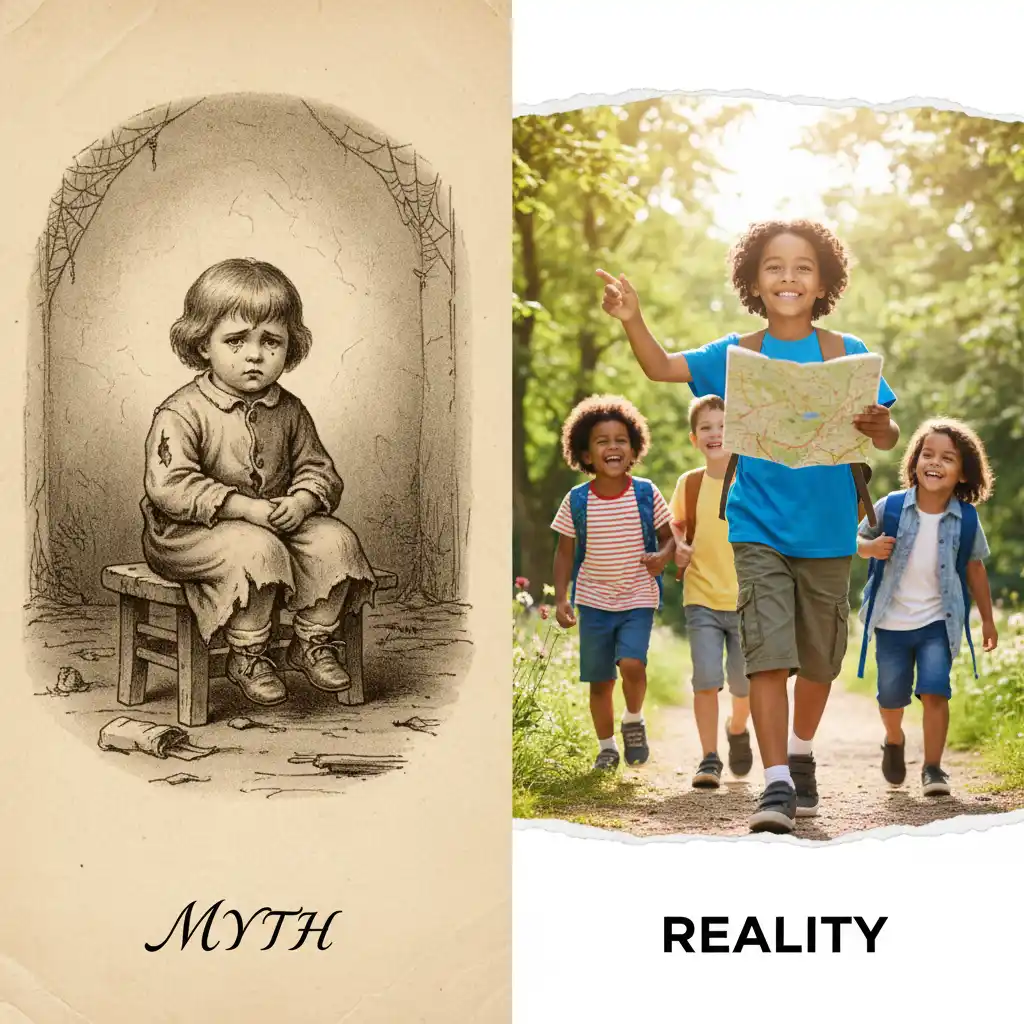
The Scientific Reality of Only Child Personality Traits
When we strip away the cultural stigma, distinct only child personality traits emerge that are often advantageous. These traits are heavily influenced by the unique family environment where the child interacts primarily with adults rather than other children within the home.
The “Little Adult” Phenomenon
Because only children spend a significant amount of time interacting with their parents, they often mature faster than children with siblings. This leads to the “little adult” phenomenon, where the child adopts sophisticated vocabulary, mannerisms, and reasoning skills at an early age. They are often more comfortable communicating with authority figures and may find it easier to articulate complex emotions.
Independence and Creativity
Without a constant playmate in the next room, only children must learn to entertain themselves. This necessity breeds a high degree of independence and creativity. They are often comfortable with solitude, viewing it as an opportunity for imaginative play or deep focus rather than a state of loneliness. This capacity for solitary work can translate into strong academic habits and a self-sufficient work ethic in adulthood.
High Achievement Motivation
Studies suggest that only children share many characteristics with first-borns, particularly regarding achievement. They are often the sole focus of their parents’ expectations and praise. This can drive a strong desire to succeed, known as high achievement motivation. While this can sometimes lead to perfectionism, it also propels many only children to excel in educational and professional environments.
The Psychological Advantages of Being an Only Child
The benefits of being an only child are often explained through the “Resource Dilution Model.” This sociological theory posits that parental resources—time, money, emotional energy, and attention—are finite. As the number of children in a family increases, these resources are diluted.
In a single-child household, the child receives 100% of these resources. This concentration of investment leads to several documented advantages:
- Higher IQ Scores: On average, only children tend to score slightly higher on IQ tests and verbal ability assessments compared to children from large families, likely due to increased parental interaction.
- Stronger Parent-Child Bonds: Without the friction of sibling rivalry or the need to compete for attention, the relationship between only children and their parents is often closer and more democratic.
- Financial Stability: Families with one child often have more disposable income to invest in the child’s education, extracurricular activities, and travel, broadening the child’s horizons and social opportunities.
For more on the history of child psychology and family dynamics, you can reference the biography of G. Stanley Hall, whose early work sparked the initial debate on this topic.
Socialization Strategies for Single Children
While the “lonely” stereotype is largely a myth, socialization does require more intentionality for parents of only children. Without siblings to bicker and barter with, singletons need external opportunities to develop peer-to-peer conflict resolution skills.
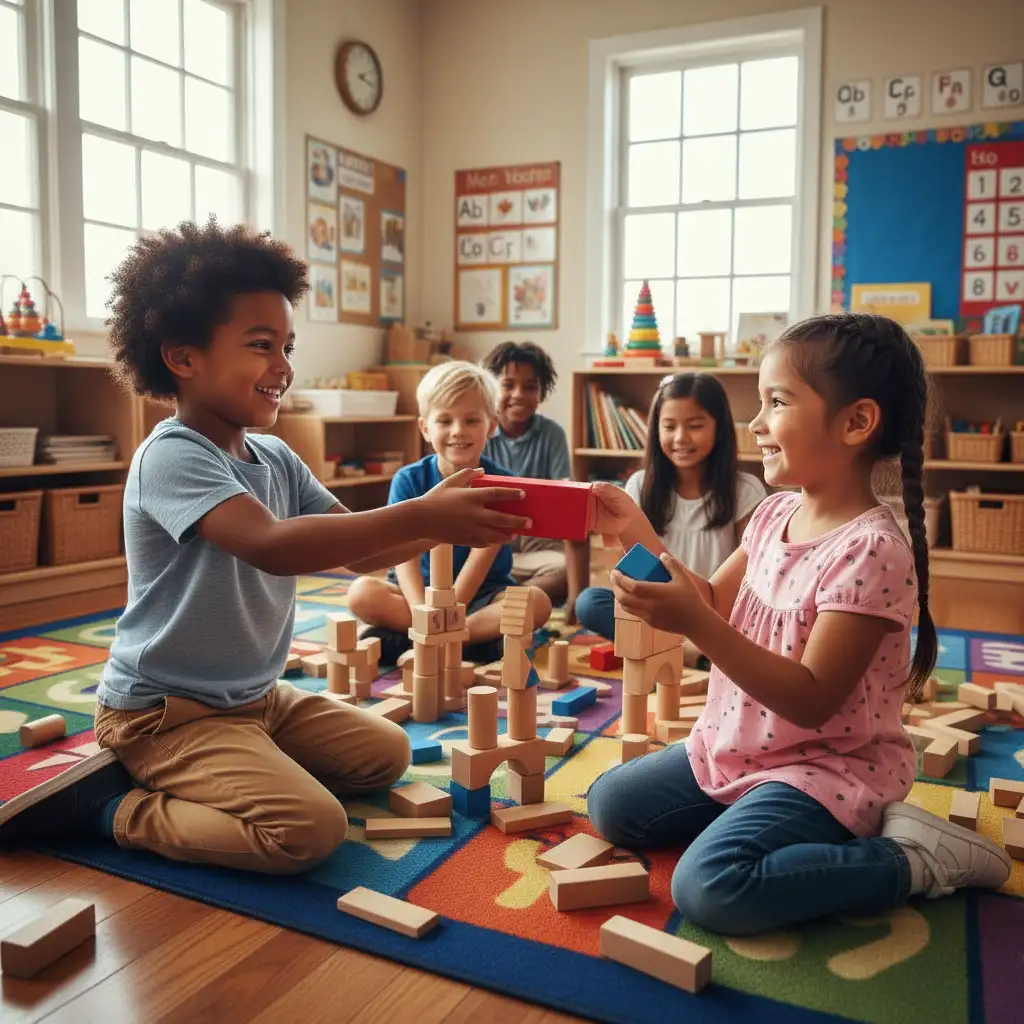
Intentional Peer Exposure
Parents should prioritize regular playdates, team sports, and group activities. The goal is not just “playing” but exposing the child to scenarios where they must compromise. In a home where they are the only child, they rarely have to wait their turn for the bathroom or fight for the remote control. Team sports are excellent for teaching that the world does not revolve around them and that cooperation is essential for success.
Avoiding the “Super-Child” Pressure
A common pitfall in raising an only child is over-scrutiny. With only one child to focus on, parents may inadvertently micromanage every aspect of the child’s life. It is crucial to allow the child space to fail and solve problems without immediate adult intervention. This builds resilience and prevents the development of anxiety related to perfectionism.
Encouraging Extended Family Bonds
Cousins can often fill the role of surrogate siblings. fostering close relationships with extended family members provides the only child with a sense of a larger support network, mitigating feelings of isolation during family gatherings.
The Long-Term Dynamic: Aging Parents and Sole Responsibility
Perhaps the most significant reality of being an only child manifests not in childhood, but in adulthood. As parents age, the only child faces the burden of care alone. There are no siblings to share the emotional weight of a diagnosis, the physical labor of moving parents into care facilities, or the financial costs of elder care.
This dynamic can create a profound sense of pressure. However, it also eliminates the complex family feuds that often arise between siblings regarding inheritance and care decisions. Only children have the autonomy to make decisions quickly without needing to build consensus among brothers and sisters.
To mitigate this burden, families should engage in early financial and legal planning. Establishing power of attorney, living wills, and long-term care insurance can significantly reduce the stress placed on the adult only child. For guidance on family structures and aging, resources from the National Institute on Aging can provide authoritative advice.
Embracing the Singleton Dynamic
The narrative surrounding only child personality traits has shifted from one of deficit to one of difference. The reality is that being an only child is neither a curse nor a guaranteed ticket to success; it is simply a different developmental path.
By understanding the nuances of this family structure—acknowledging the propensity for independence, the risk of perfectionism, and the future weight of parental care—parents and adult only children can navigate these dynamics effectively. The “Only Child Syndrome” is a myth; the reality is a unique personality profile capable of immense empathy, achievement, and resilience.

People Also Ask
Are only children more selfish than children with siblings?
No, research has consistently debunked the myth that only children are more selfish. Studies show that they score similarly to children with siblings in terms of generosity and cooperation. Their willingness to share is often developed through school and social activities rather than sibling interaction.
What are the negative traits of an only child?
Potential negative traits can include perfectionism, a high sensitivity to criticism, and difficulty handling conflict. Because they often interact with adults who are accommodating, they may struggle initially when peers do not follow their rules, though this usually dissipates with school socialization.
Do only children struggle with loneliness?
While only children spend more time alone, this does not necessarily equate to loneliness. Many develop a strong capacity for solitary play and self-entertainment. However, they may express a desire for companionship more verbally than children who are constantly surrounded by siblings.
How does being an only child affect adulthood?
In adulthood, only children tend to be independent, ambitious, and self-reliant. A major distinction is the responsibility for aging parents; without siblings to share the caretaking duties, the emotional and financial burden falls entirely on the only child.
Do only children have higher IQs?
On average, only children and first-borns tend to score slightly higher on IQ and verbal tests. This is attributed to the “Resource Dilution Model,” which suggests that parents of single children have more time and energy to dedicate to their child’s intellectual development.
Is “Only Child Syndrome” a real psychological diagnosis?
No, “Only Child Syndrome” is not a recognized clinical diagnosis. It is a cultural stereotype originating from late 19th-century theories that have largely been disproven by modern psychological research.