
Romantic relationship psychology is the scientific study of the emotional, cognitive, and biological processes that drive human connection, ranging from the initial rush of neurochemical attraction to the deep behavioral patterns that sustain long-term commitment. It encompasses critical frameworks such as attachment theory, evolutionary mate selection, and the neurobiology of bonding to explain how individuals move from infatuation to enduring partnership.
The Biological Basis of Attraction
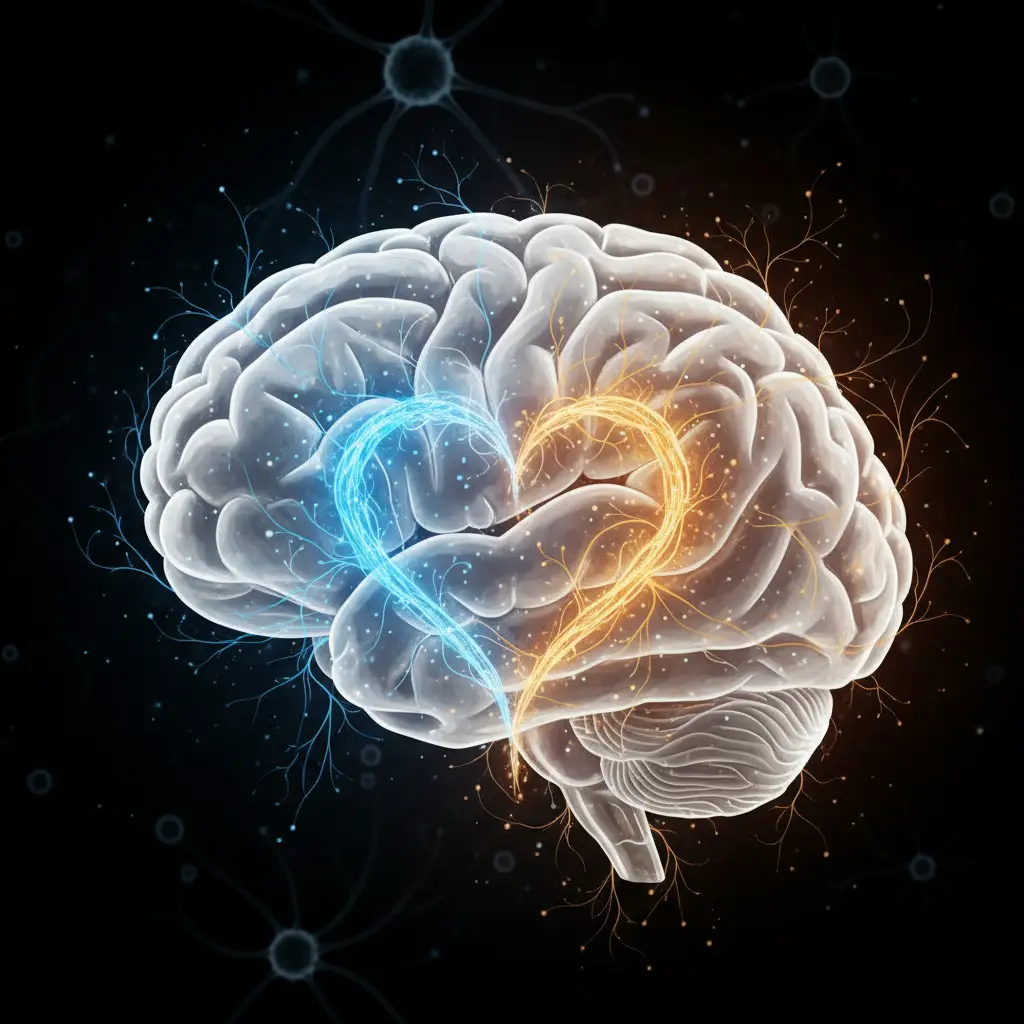
While poets and artists have long described love as an ethereal force, romantic relationship psychology reveals that the initial stages of romance are deeply rooted in biological imperatives. The architecture of romance begins not in the heart, but in the brain, where a potent cocktail of neurotransmitters orchestrates the feelings we associate with falling in love.
When two people feel a “spark,” they are experiencing a complex neurochemical reaction. This phase is primarily driven by the reward system of the brain. The release of dopamine, often referred to as the “feel-good” chemical, creates intense feelings of pleasure and motivation. This is why new love can feel addictive; the brain is essentially seeking the reward of the partner’s presence.
Simultaneously, norepinephrine increases heart rate and alertness, contributing to the sleeplessness and loss of appetite often associated with infatuation. Interestingly, levels of serotonin—a chemical associated with mood stabilization—actually drop during this phase. This reduction mirrors the brain chemistry of individuals with Obsessive-Compulsive Disorder (OCD), which explains why those in the early throes of romance often cannot stop thinking about their partner.
The Role of Oxytocin and Vasopressin
As relationships progress from the initial rush of attraction to deeper bonding, the chemical landscape shifts. Oxytocin, often dubbed the “cuddle hormone,” plays a pivotal role in forming trust and attachment. Released during physical touch and intimacy, oxytocin fosters a sense of calm and security. Vasopressin is another critical hormone, particularly linked to long-term commitment and monogamous behavior. Together, these chemicals facilitate the transition from the high-energy state of lust to the stable comfort of attachment.
Defining the Stages of Romantic Love
Psychologists and anthropologists have categorized romantic love into distinct stages. Understanding these phases is crucial for navigating the trajectory of a relationship, as each stage presents unique challenges and psychological requirements.
Stage 1: Lust
Lust is the evolutionary drive for sexual gratification. It is driven primarily by the sex hormones testosterone and estrogen. In the context of romantic relationship psychology, lust is the initial hook that draws two people together. It is indiscriminate and purely biological, serving the evolutionary purpose of reproduction.
Stage 2: Attraction
Attraction is the “lovestruck” phase. This is where the dopamine and norepinephrine pathways discussed earlier are most active. Individuals in this stage tend to idealize their partners, often ignoring flaws or red flags. This selective attention is a psychological mechanism designed to bind the couple together long enough for an emotional attachment to form.
Stage 3: Attachment
Attachment is the predominant factor in long-term relationships. While lust and attraction are intense but often fleeting, attachment is the bond that keeps couples together through the years of raising children, building a home, and aging. This stage relies less on the thrill of the new and more on the psychological safety of the known.
The Role of Attachment Styles
One of the most significant contributions to romantic relationship psychology is Attachment Theory. Originally developed by John Bowlby to explain the bond between infants and caregivers, it has been adapted to explain adult romantic dynamics. How we connect with partners is often a reflection of our earliest emotional blueprints.
- Secure Attachment: Individuals who are comfortable with intimacy and independence. They tend to have lasting, trusting relationships and cope well with conflict.
- Anxious-Preoccupied Attachment: These individuals crave high levels of intimacy and are often terrified of rejection. They may exhibit “clingy” behavior and require constant validation.
- Dismissive-Avoidant Attachment: These individuals equate intimacy with a loss of independence. They often distance themselves emotionally when a relationship becomes too serious.
- Fearful-Avoidant Attachment: A complex style where the individual desires closeness but is simultaneously afraid of being hurt, leading to a push-pull dynamic.
Understanding these styles is essential for analyzing relationship health. For further reading on the foundational research of attachment, you can refer to this overview by Wikipedia on Attachment Theory.
Moving from Infatuation to Commitment
The transition from the “honeymoon phase” (infatuation) to a committed partnership is often the most precarious time in a relationship. Psychologists refer to this transition as the “disillusionment” phase. As the neurochemical high of early love fades (usually between 6 to 24 months), the reality of the partner’s personality sets in.
During this period, the projection of the “ideal partner” dissolves. You begin to notice their messy habits, their temper, or their insecurities. This is not a sign of falling out of love, but rather a psychological necessity for real love to emerge. Real intimacy requires seeing the whole person, not just the idealized version.

Successful transition requires a shift in mindset from “what can I get” to “what can we build.” It involves the development of companionate love, which is defined by interdependence, mutual respect, and shared values. Couples who fail to navigate this shift often break up, chasing the dopamine high of a new relationship rather than doing the work of building a lasting structure.
The Architecture of Stability: Sternberg’s Theory
To understand the structural integrity of a relationship, we look to Robert Sternberg’s Triangular Theory of Love. This framework suggests that complete love is composed of three distinct components:
- Intimacy: The emotional component, involving feelings of closeness, connection, and bondedness.
- Passion: The motivational component, encompassing the drives that lead to romance, physical attraction, and sexual consummation.
- Commitment: The cognitive component, involving the decision to love another and the pledge to maintain that love over time.
According to Sternberg, different combinations of these components yield different types of relationships. For example, Intimacy + Passion results in “Romantic Love,” while Intimacy + Commitment results in “Companionate Love.” The ideal, often called “Consummate Love,” balances all three. However, maintaining Consummate Love requires continuous effort, as passion tends to fluctuate more than the other two components.
Common Pitfalls in Long-Term Partnerships
Even with a strong biological and psychological foundation, relationships are susceptible to erosion. Romantic relationship psychology identifies several key behaviors that predict relationship dissolution.
The Four Horsemen of the Apocalypse
Dr. John Gottman, a renowned relationship researcher, identified four specific communication styles that can predict divorce with high accuracy. He calls these the “Four Horsemen”:
- Criticism: Attacking the partner’s character rather than addressing a specific behavior (e.g., “You are lazy” vs. “It frustrated me that you didn’t do the dishes”).
- Contempt: Treating the partner with disrespect, sarcasm, or mockery. This is the single greatest predictor of divorce as it conveys disgust.
- Defensiveness: Self-protection in the form of righteous indignation or innocent victimhood in an attempt to ward off a perceived attack.
- Stonewalling: Withdrawing from the interaction, shutting down, and closing oneself off from the speaker.
Complacency and Neglect
Another major pitfall is the “drift.” Relationships rarely end because of a single explosive event; they end because of a slow erosion of connection. When couples stop asking questions, stop engaging in shared activities, or stop expressing gratitude, the “emotional bank account” becomes depleted. To counter this, partners must actively engage in “bids for connection”—small gestures of attention that require a positive response.
For more detailed insights into the biological underpinnings of these behaviors, the National Center for Biotechnology Information (NCBI) offers extensive research papers on the neuroscience of long-term bonding.
Conclusion: The Conscious Construction of Love
The architecture of romance is not a static structure but a living, breathing entity. While biology provides the blueprint and the initial materials in the form of attraction and lust, the longevity of a partnership is determined by psychology and behavior. By understanding the stages of love, recognizing attachment styles, and actively avoiding the pitfalls of contempt and neglect, couples can build a relationship that withstands the test of time. Love, in its truest form, is not just a feeling to be experienced, but a skill to be practiced.
People Also Ask
What are the 3 main components of romantic love?
According to Sternberg’s Triangular Theory of Love, the three main components are Intimacy (emotional closeness), Passion (sexual and romantic attraction), and Commitment (the decision to stay together). The presence and balance of these three elements determine the type of love experienced.
How does psychology explain falling in love?
Psychology explains falling in love as a combination of biological drives (evolutionary need to reproduce), neurochemical reactions (dopamine and oxytocin release), and psychological projection (idealizing a partner to fulfill unmet emotional needs or attachment patterns).
What is the hardest stage of a relationship?
The hardest stage is often the “Power Struggle” or “Disillusionment” phase, which occurs after the initial honeymoon phase ends. This is when partners notice flaws and differences, leading to conflict as they attempt to establish autonomy within the relationship.
How do attachment styles affect relationships?
Attachment styles dictate how individuals perceive and respond to intimacy. Secure types foster trust, while Anxious types may become clingy due to fear of abandonment, and Avoidant types may pull away to protect their independence, often causing friction in partnerships.
Can love last forever according to psychology?
Yes, love can last, but it changes form. The intense, passionate love (infatuation) typically evolves into companionate love, characterized by deep attachment, mutual respect, and shared history. Sustaining this requires active effort and emotional maintenance.
What causes the spark to fade in a relationship?
The “spark” fades due to the normalization of neurochemical levels (dopamine drops over time) and the phenomenon of habituation. Psychological complacency, lack of novelty, and unresolved conflicts also contribute to the dimming of romantic passion.